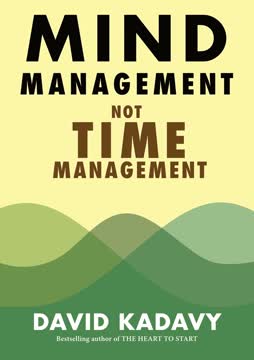
نکات کلیدی
1. مدیریت ذهن بر مدیریت زمان در عصر خلاقیت برتری دارد
بهرهوری امروز بیشتر به مدیریت ذهن مربوط میشود تا مدیریت زمان.
تغییر در پارادایم بهرهوری. در عصر مدرن، تفکر خلاق کلید بهرهوری است. بر خلاف عصر صنعتی که مدیریت زمان بر همه چیز حاکم بود، دنیای امروز نیازمند تمرکز بر مدیریت انرژی و حالات ذهنی ماست. این تغییر بسیار حیاتی است زیرا کار خلاقانه مسیر خطی ورودی برابر خروجی را دنبال نمیکند.
محدودیتهای مدیریت زمان. تکنیکهای سنتی مدیریت زمان اغلب منجر به خستگی و کاهش بازدهی میشوند. تلاش برای فشردن بهرهوری بیشتر از هر دقیقه میتواند به اضطراب، فراموشی و در نهایت کاهش خلاقیت منجر شود. در عوض، ما باید بر ایجاد شرایط بهینه برای ذهنمان تمرکز کنیم تا افکار ارزشمندی تولید کند.
استراتژیهای مدیریت ذهن:
- درک کنید که همه ساعات برابر نیستند
- زمانهای اوج خلاقیت خود را شناسایی کنید
- روز خود را بر اساس انرژی ذهنیتان ساختاربندی کنید، نه فقط زمان ساعت
- اجازه دهید برای دورههای استراحت و پرورش ایده
2. نقطه شیرین خلاقیت خود را برای بهرهوری بهینه پیدا کنید
نقطه شیرین خلاقیت شما زمانی و مکانی است که بهترین کار خلاقانه خود را انجام میدهید.
شناسایی زمانهای اوج خلاقیت. هر کسی در طول روز دورههایی دارد که به طور طبیعی خلاقتر است. برای بسیاری، این زمان اوایل صبح است که قشر پیشانی (که "خرابکار" خلاقیت است) هنوز خوابآلود است. آزمایش کنید تا نقطه شیرین خلاقیت شخصی خود را پیدا کنید.
بهینهسازی محیط. پس از شناسایی زمان اوج خلاقیت، محیطی ایجاد کنید که از تمرکز و خلاقیت حمایت کند. این ممکن است شامل:
- کاهش حواسپرتیها
- ایجاد یک فضای کاری اختصاصی
- استفاده از ابزارهایی که تمرکز را ترویج میدهند (مانند هدفونهای حذف صدا)
تعادل بین تفکر واگرا و همگرا. نقطه شیرین خلاقیت شما باید اجازه دهد هم ایدهپردازی (تفکر واگرا) و هم پالایش آنها (تفکر همگرا) انجام شود. جلسات خلاقانه خود را به گونهای ساختاربندی کنید که هر دو نوع تفکر را در بر بگیرد، شاید با شروع از تولید ایدههای آزاد و سپس حرکت به سمت توسعه متمرکزتر.
3. چهار مرحله خلاقیت را به کار بگیرید: آمادهسازی، پرورش، روشنایی، تأیید
خلاقیت فراتر از این مثالها گسترش مییابد. دانشمندان خلاقیت را به عنوان تولید چیزی نو و مفید تعریف میکنند.
درک فرآیند خلاقیت. خلاقیت جادو نیست؛ بلکه الگوی قابل پیشبینی دارد که میتوانیم از آن بهرهبرداری کنیم:
- آمادهسازی: جمعآوری اطلاعات و بررسی مشکل
- پرورش: اجازه دهید ناخودآگاه شما بر روی مشکل کار کند
- روشنایی: تجربه لحظه "آها" زمانی که راهحلی ظاهر میشود
- تأیید: آزمایش و پالایش ایده
کاربرد عملی. به هر مرحله از فرآیند احترام بگذارید:
- زمان را برای تحقیق و بررسی اختصاص دهید (آمادهسازی)
- اجازه دهید برای استراحت و خواب تا پرورش را ترویج دهید
- فضایی برای روشنایی ایجاد کنید با کاهش استرس و حواسپرتیها
- زمانی را برای ویرایش و پالایش کار خود اختصاص دهید (تأیید)
طبیعت غیرخطی را بپذیرید. به یاد داشته باشید که این مراحل اغلب همپوشانی و تکرار دارند. خود را مجبور به پیشرفت خطی نکنید؛ اجازه دهید فرآیند خلاقانه شما به طور طبیعی بین مراحل جریان یابد.
4. از هفت حالت ذهنی برای تقویت کار خلاقانه استفاده کنید
هفت حالت ذهنی کار خلاقانه: اولویتبندی، کاوش، تحقیق، تولید، پالایش، مدیریت، و شارژ.
شناسایی حالتهای ذهنی مختلف. هر نوع کار خلاقانه نیاز به حالت ذهنی متفاوتی دارد. با شناسایی اینکه در کدام حالت هستید، میتوانید وظایف خود را با انرژی و تمرکز فعلیتان هماهنگ کنید.
هماهنگسازی وظایف با حالتهای ذهنی:
- اولویتبندی: برنامهریزی و تعیین اهداف
- کاوش: طوفان فکری و جمعآوری الهام
- تحقیق: جمعآوری اطلاعات خاص
- تولید: تولید پیشنویسها یا نمونههای اولیه
- پالایش: ویرایش و بهبود
- مدیریت: رسیدگی به جزئیات و لجستیک
- شارژ: استراحت و تجدید انرژی خلاقانه
بهینهسازی محیط. فضاها یا آیینهایی ایجاد کنید که از هر حالت ذهنی حمایت کند. به عنوان مثال، فضایی آرام و بدون حواسپرتی برای تولید، یا محیطی اجتماعیتر برای کاوش.
5. از چرخههای خلاقانه برای حداکثر کردن انرژی و خروجی استفاده کنید
چرخههای خلاقانه پیشرفتهای تکراری تمرکز و رهایی هستند.
شناسایی ریتمهای طبیعی. انرژی و خلاقیت ما در طول روز، هفته و سال نوسان دارد. با درک این چرخهها، میتوانیم کار خود را با اوجها و افتهای طبیعی بهرهوریمان هماهنگ کنیم.
اجرای روالهای چرخهای:
- روزانه: وظایف را با سطوح انرژیتان در طول روز هماهنگ کنید
- هفتگی: روزهای خاصی را برای انواع مختلف کار تعیین کنید
- ماهانه/سالانه: برای پروژههای خلاقانه بزرگتر و دورههای استراحت برنامهریزی کنید
از پرورش استفاده کنید. بین جلسات خلاقانه، استراحتهای عمدی ایجاد کنید. این اجازه میدهد تا ناخودآگاه شما بر روی مشکلات کار کند و اغلب به بینشهای غیرمنتظره منجر میشود.
6. سیستمهای خلاقانه را برای تولید مداوم پیادهسازی کنید
سیستمهای خلاقانه فرآیندهای تکراری هستند که به شما کمک میکنند آثار خلاقانه را از ایده تا اجرا به ارمغان بیاورید.
توسعه رویههای عملیاتی استاندارد. راهنماهای انعطافپذیری برای فرآیند خلاقانهتان ایجاد کنید. این "رویههای عملیاتی نامنظم" باید اسنادی زنده باشند که با بهبود فرآیندتان تکامل یابند.
استفاده از حداقل دوز خلاقانه. پروژههای بزرگ را به وظایف کوچک و قابل مدیریت تقسیم کنید. این کار شروع را آسانتر کرده و شتاب را حفظ میکند.
ایجاد یک آبشار خلاقانه. سیستمی از صندوقهای ورودی برای ضبط و پردازش ایدهها توسعه دهید:
- ایدهها را به سرعت در یک صندوق ورودی اصلی ضبط کنید (مانند یک دفترچه جیبی)
- به طور منظم این ایدهها را مرور و به صندوقهای ورودی خاص پروژهها مرتب کنید
- صندوقهای ورودی پروژه را در جلسات کاری اختصاصی پردازش کنید
7. در هرج و مرج سازگار شوید و خلق کنید: ساخت خلاقیت ضدشکننده
اوضاع طبق برنامه پیش نمیرود. این خود برنامه است.
عدم قطعیت را بپذیرید. به یاد داشته باشید که هرج و مرج و اختلال اجتنابناپذیر هستند. به جای تلاش برای کنترل هر جنبه از فرآیند خلاقانهتان، انعطافپذیری را در سیستمهای خود بسازید.
فرصتها را در هرج و مرج پیدا کنید. از رویدادهای غیرمنتظره به عنوان سوختی برای خلاقیت استفاده کنید. تجربیات، احساسات و مشاهدات خود را در زمانهای هرج و مرج ضبط کنید - اینها اغلب به بینشهای منحصر به فرد و کار خلاقانه قدرتمند منجر میشوند.
تابآوری را در تمرین خلاقانهتان بسازید:
- پروژههای متعددی را در مراحل مختلف حفظ کنید
- مجموعهای متنوع از مهارتهای خلاقانه توسعه دهید
- سیستمهای پشتیبان برای ضبط و ذخیره ایدهها ایجاد کنید
- تمرین کنید که روالهای خود را با محیطها و شرایط مختلف سازگار کنید
خلاصه نقدها
کتاب مدیریت ذهن، نه مدیریت زمان دیدگاهی نوین دربارهی بهرهوری ارائه میدهد که بر مدیریت حالات ذهنی بهجای زمان تمرکز دارد. خوانندگان از رویکرد منحصربهفرد کداوی، حکایات شخصی و نکات عملی او برای کار خلاقانه قدردانی میکنند. این کتاب مفاهیمی مانند چهار مرحلهی خلاقیت و هفت حالت ذهنی را بررسی میکند و بینشهایی برای بهینهسازی انرژی خلاقانه ارائه میدهد. در حالی که برخی آن را تکراری یا بیش از حد شخصی یافتند، بسیاری از خوانندگان ارزش استراتژیهای آن را برای افزایش بهرهوری و خلاقیت درک کردند. بهطور کلی، این کتاب با کسانی که به دنبال بهبود خروجی خلاقانه و فرآیندهای کاری خود هستند، همصدا میشود.
دیگران نیز خواندهاند



سؤالات متداول
What's "Mind Management, Not Time Management" about?
- Focus on Mind Management: The book emphasizes managing your mind rather than just managing your time to enhance productivity, especially when creativity is crucial.
- Creative Age Shift: It discusses the shift from a time management paradigm to a mind management approach, suitable for the creative age where novel and useful ideas are valued.
- Four Stages of Creativity: The book introduces the Four Stages of Creativity—Preparation, Incubation, Illumination, and Verification—as a framework for understanding and enhancing creative processes.
- Practical Strategies: It provides practical strategies and systems to optimize creative energy, such as finding your Creative Sweet Spot and using Creative Cycles and Systems.
Why should I read "Mind Management, Not Time Management"?
- Enhance Creativity: If you struggle with creative blocks or want to enhance your creative output, this book offers insights and strategies to manage your creative energy effectively.
- Beyond Time Management: It challenges traditional time management techniques, offering a fresh perspective that prioritizes mental states and creative processes.
- Practical Tools: The book provides actionable tools and methods, such as the First Hour Rule and Creative Systems, to help you implement mind management in your daily life.
- Personal Growth: By understanding and applying the concepts, you can achieve personal growth and a more fulfilling creative life.
What are the key takeaways of "Mind Management, Not Time Management"?
- Creative Sweet Spot: Identify the time and conditions where you do your best creative work and build your schedule around it.
- Four Stages of Creativity: Recognize and respect the stages of Preparation, Incubation, Illumination, and Verification in your creative process.
- Seven Mental States: Understand and utilize the Seven Mental States of Creative Work—Prioritize, Explore, Research, Generate, Polish, Administrate, and Recharge.
- Creative Systems and Cycles: Develop repeatable systems and cycles that align with natural rhythms to enhance creative productivity.
How does David Kadavy define the "Creative Sweet Spot"?
- Optimal Time and Place: The Creative Sweet Spot is the time and place where you do your best creative work, characterized by a balance of divergent and convergent thinking.
- Morning Grogginess: For many, this spot is in the morning when the prefrontal cortex is less active, allowing for more insights and creative thinking.
- First Hour Rule: Kadavy suggests using the first hour of your day for your most important creative work to harness this sweet spot.
- Personal Experimentation: Finding your Creative Sweet Spot requires experimenting with different times and environments to see what works best for you.
What are the Four Stages of Creativity according to David Kadavy?
- Preparation: This stage involves gathering information and immersing yourself in the problem, setting the groundwork for creative insights.
- Incubation: During this stage, you step away from the problem, allowing your subconscious to process and form connections.
- Illumination: This is the "aha" moment when a creative insight or solution suddenly becomes clear.
- Verification: The final stage involves refining and evaluating the idea to ensure it is both novel and useful.
What are the Seven Mental States of Creative Work?
- Prioritize: Focus on deciding what needs to be done and in what order, often involving planning and organizing.
- Explore: Engage in open-ended exploration without a specific goal, allowing for curiosity and new ideas to emerge.
- Research: Conduct focused searches for specific information needed to advance your work.
- Generate: Create the actual work, whether it's writing, designing, or any other form of creative output.
- Polish: Refine and perfect the work, focusing on details like grammar, structure, and presentation.
- Administrate: Handle the necessary but non-creative tasks that support your creative work, such as emails and scheduling.
- Recharge: Take time to rest and replenish your energy, ensuring you have the mental resources for future creative work.
How can I implement the First Hour Rule from "Mind Management, Not Time Management"?
- Dedicate First Hour: Spend the first hour of your day working on your most important creative project without distractions.
- Avoid Interruptions: Do not check emails, social media, or engage in any other activities that could interrupt your focus.
- Consistency is Key: Make it a daily habit to ensure you consistently harness your best creative energy.
- Adapt to Your Needs: While the first hour is recommended, adapt the rule to fit your personal schedule and energy levels.
What are Creative Cycles and how do they enhance productivity?
- Rhythmic Patterns: Creative Cycles are repeatable patterns of focus and release that align with natural and cultural rhythms.
- Harness Natural Rhythms: By aligning your work with daily, weekly, or seasonal cycles, you can optimize your creative energy.
- Preparation and Incubation: These cycles incorporate stages of Preparation and Incubation, allowing for more effective Illumination and Verification.
- Perpetual Creativity Machine: When mastered, Creative Cycles help you maintain a steady flow of creative output with less effort.
How do Creative Systems differ from traditional productivity systems?
- Focus on Creativity: Creative Systems are designed to support the unpredictable nature of creative work, unlike rigid traditional systems.
- Minimum Creative Dose: They emphasize taking small, consistent actions to keep projects moving forward and allow for Incubation.
- Sloppy Operating Procedures: These are flexible, evolving processes that adapt to the needs of creative projects.
- Back-Burner Projects: Creative Systems allow you to manage projects with minimal active intervention, freeing up energy for new ideas.
What role do Task Triggers play in managing creative energy?
- Stimulus-Response Mechanism: Task Triggers are stimuli that remind you to perform specific tasks, helping you stay organized.
- Reliable and Context-Specific: Effective triggers are reliable, context-specific, and easy to implement, ensuring tasks are done at the right time.
- Reduce Mental Load: By using Task Triggers, you reduce the mental load of remembering tasks, freeing up energy for creative work.
- Integrate with Inboxes: Task Triggers work with inboxes to ensure ideas and tasks are captured and processed efficiently.
What are some of the best quotes from "Mind Management, Not Time Management" and what do they mean?
- "Things are not difficult to make; what is difficult is putting ourselves in the state of mind to make them." – This quote emphasizes the importance of mind management in the creative process.
- "Time is not prescriptive, time should be descriptive." – Kadavy suggests using time as a guide rather than a constraint, allowing for more effective creative work.
- "The point of time is to use time as a guide to living a fulfilling life." – This quote challenges the traditional view of time management, advocating for a focus on meaningful living.
- "You can’t rush creative work." – It highlights the necessity of respecting the natural pace of creativity, rather than forcing it into rigid schedules.
How can I apply the concepts from "Mind Management, Not Time Management" to my daily life?
- Identify Your Sweet Spot: Experiment with different times and environments to find when and where you are most creative.
- Respect the Four Stages: Allow time for Preparation, Incubation, Illumination, and Verification in your creative projects.
- Use Mental States: Organize your tasks by mental state to match your energy levels and focus throughout the day.
- Build Creative Systems: Develop repeatable processes that align with natural rhythms to enhance your creative productivity.