
نکات کلیدی
۱. فیزیک نوین، واقعیت کلاسیک و عینیت را دگرگون میکند
وقتی امروز از فیزیک نوین سخن گفته میشود، نخستین تصویری که به ذهن میآید، سلاحهای اتمی است.
اما فراتر از سلاحها. اگرچه سلاحهای اتمی تأثیر فیزیک را برجسته میسازند، انقلاب واقعی در چالش فیزیک نوین با مفاهیم بنیادینی چون واقعیت، فضا و زمان نهفته است. این تأثیر فراتر از فناوری است و موجب بازنگری در جهانبینی ما در فرهنگهای مختلف میشود.
گسستی از گذشته. فیزیک کلاسیک که ریشه در قرن هفدهم دارد، دنیایی عینی و مستقل از ناظر را فرض میکرد. اما نظریه کوانتوم گسستی بنیادین است که نشان میدهد این ایدهآلسازی برای قلمرو اتمی ناکافی است.
راههای نوین اندیشه. روح فیزیک نوین که از تحلیل عقلانی و روشهای تجربی زاده شده، اکنون با سنتهای فلسفی و دینی کهن در سراسر جهان روبرو میشود. این تبادل بینالمللی، هرچند ممکن است مخرب باشد، نویدبخش تحولات کاملاً نوینی در اندیشه انسانی است.
۲. جهان اتمی به صورت امکان وجود دارد، نه صرفاً اشیاء عینی
اتمها یا ذرات بنیادی خود بهتنهایی آنچنان واقعی نیستند؛ آنها جهانی از امکانها و احتمالات را شکل میدهند، نه دنیایی از اشیاء یا حقایق قطعی.
نه توپهای کوچک بیلیاردی. برخلاف دیدگاه کلاسیک که اتمها را اجسام کوچک و جامد میدانست، نظریه کوانتوم نشان میدهد آنها در حالت امکان وجود دارند. آنها همیشه «جایی» مشخص یا «کاری» معین انجام نمیدهند، همانگونه که اشیاء ماکروسکوپی چنیناند.
میان امکان و واقعیت. تابع احتمال در نظریه کوانتوم تمایل به وقوع رویدادها را نشان میدهد؛ نسخهای کمی از مفهوم «پوتنسی» ارسطو. این تابع میان ایده انتزاعی رویداد و رویداد واقعی که هنگام مشاهده رخ میدهد، قرار دارد.
انتزاعی اما بنیادین. این ماهیت انتزاعی ذرات بنیادی را به پایهای سازگارتر برای توضیح رفتار ماده بدل میکند. آنها فاقد ویژگیهای حسی اتمهای کلاسیکاند و حتی مفاهیمی چون شکل یا حرکت نیز بهطور سازگار بر آنها قابل اعمال نیست.
۳. نظریه کوانتوم عدم قطعیت ذاتی طبیعت را آشکار میسازد
ذره بهسادگی نمیتواند همزمان مقادیر دقیقی از این دو ویژگی را داشته باشد.
فراتر از خطای اندازهگیری. اصل عدم قطعیت بیانگر ناتوانی ما در اندازهگیری دقیق بهخاطر ابزارهای ناکارآمد نیست؛ بلکه میگوید برخی جفت ویژگیها، مانند مکان و تکانه، ذاتاً نمیتوانند همزمان مقادیر دقیقی داشته باشند.
پیشبینیناپذیری ذاتی. این عدم قطعیت ذاتی به عدم تعیینپذیری در سامانههای کوانتومی میانجامد. حتی با اطلاعات کامل، تنها میتوان احتمال نتایج را پیشبینی کرد، نه رفتار قطعی یک ذره منفرد.
آماری اما بنیادین. مکانیک کوانتومی نظریهای آماری است، اما برخلاف آمار کلاسیک (مثلاً پیشبینی هوا)، عنصر شانس ذاتی طبیعت سیستم است، نه صرفاً ناشی از دانش محدود ما درباره متغیرهای پنهان.
۴. مشاهده نقش تعیینکنندهای در رویدادهای اتمی دارد
بنابراین، گذار از «ممکن» به «واقعی» در هنگام عمل مشاهده رخ میدهد.
از امکان به واقعیت. عمل مشاهده در نظریه کوانتوم اهمیت دارد زیرا طی آن دامنه امکانهایی که تابع احتمال توصیف میکند، به یک رویداد واقعی و مشخص فرو میریزد. پیش از مشاهده، سامانه در حالت ابرموقعیت قرار دارد.
نه ذهن ذهنی. این بدان معنا نیست که آگاهی ناظر واقعیت را میآفریند. «مشاهده» به تعامل غیرقابل بازگشت سامانه اتمی با دستگاه اندازهگیری اشاره دارد که بخشی از جهان ماکروسکوپی است و نتیجهای قطعی ثبت میکند.
پرش کوانتومی. تغییر ناگهانی تابع احتمال هنگام اندازهگیری «پرش کوانتومی» نامیده میشود. این تغییر نشاندهنده تحول ناگهانی دانش ما درباره سامانه است که نتیجه قطعی ثبت شده و گذار از امکان به واقعیت را رقم میزند.
۵. مفاهیم کلاسیکی چون فضا، زمان و علیت کاربرد محدودی دارند
مفاهیم فیزیک کلاسیک صرفاً پالایش مفاهیم زندگی روزمرهاند و بخش ضروری زبان پایه همه علوم طبیعی هستند.
ابزارهایی با محدودیت. مفاهیمی مانند مکان، سرعت، فضا، زمان و علیت که از زندگی روزمره پالایش یافته و در فیزیک کلاسیک رسمی شدهاند، برای توصیف آزمایشها ضروریاند. اما نظریه کوانتوم و نسبیت نشان میدهند این مفاهیم دامنه کاربرد محدودی دارند.
از پیش مفروض اما محدود. کانت فضا، زمان و علیت را شرایط «از پیش مفروض» علم میدانست که مستقل از تجربهاند. فیزیک نوین نشان میدهد این شرایط برای علم کلاسیک و توصیف آزمایشهاست، اما تجربههای نوین محدودیتهای آنها را در مقیاسهای افراطی آشکار میسازد.
بنیاد پارادوکسیکال. تفسیر کپنهاگ از پارادوکس بهکارگیری مفاهیم کلاسیک برای توصیف آزمایشهای پدیدههای اتمی آغاز میشود، در حالی که این مفاهیم بهدرستی با جهان اتمی سازگار نیستند. این تنش منشأ ماهیت آماری نظریه کوانتوم است.
۶. ماده انرژی متغیر است، نه ذرات بنیادی غیرقابل تخریب
تمام ذرات بنیادی از یک ماده واحد ساخته شدهاند که میتوان آن را انرژی یا ماده جهانشمول نامید؛ آنها فقط اشکال مختلفی از ظهور مادهاند.
فراتر از دموکریتوس. برخلاف اتمهای ابدی و غیرقابل تخریب دموکریتوس، ذرات بنیادی مدرن متغیرند. آزمایشها نشان میدهند آنها میتوانند از انرژی ساخته شوند و دوباره به انرژی تبدیل گردند.
انرژی بهعنوان ماده. این تغییرپذیری نشان میدهد انرژی ماده بنیادین جهان است، همانند «آتش» هراکلیتوس. انرژی پایسته است و میتواند به اشکال مختلف، از جمله ذرات بنیادی، تبدیل شود.
تبدیل کلید است. برخوردهای پرانرژی این وحدت را آشکار میسازند؛ ذرات به دیگر ذرات تبدیل میشوند یا از انرژی جنبشی خلق میگردند. این شواهد نهایی است که ذرات واحدهای بنیادی متمایز نیستند، بلکه تجلیهای مختلف واقعیت یکساناند.
۷. فیزیک نوین پژواک مباحث فلسفی باستان است
اگر کلمه «آتش» را با «انرژی» جایگزین کنیم، میتوانیم تقریباً همان سخنان را از دیدگاه مدرن تکرار کنیم.
هراکلیتوس و انرژی. فیلسوف یونان باستان، هراکلیتوس، آتش را عنصر بنیادین میدانست و بر تغییر مداوم تأکید داشت («شدن»). جایگزینی «آتش» با «انرژی» هماهنگی شگفتانگیزی با دیدگاه مدرن انرژی بهعنوان ماده بنیادین و همیشه در حال تحول دارد.
افلاطون و اشکال ریاضی. افلاطون و پیثاغوریان باور داشتند واقعیت بر اشکال ریاضی (مانند چندوجهیهای هندسی) استوار است. فیزیک نوین که به دنبال قوانین بنیادین ذرات بنیادی است، نیز به ساختارهای ریاضی انتزاعی بهعنوان توصیف نهایی اشکال ماده اشاره دارد.
اتمیسم بازنگری شده. مفهوم کوچکترین واحدها به اتمهای دموکریتوس بازمیگردد. هرچند ذرات بنیادی مدرن بسیار انتزاعیتر و متغیرترند، جستجوی اصول یا واحدهای بنیادین پیوسته از فلسفه باستان تا فیزیک نوین ادامه دارد.
۸. نسبیت، فهم ما از فضا و زمان را دگرگون کرد
گام تعیینکننده در مقاله اینشتین در سال ۱۹۰۵ برداشته شد که زمان «ظاهری» تبدیل لورنتس را به زمان «واقعی» تبدیل کرد و آنچه لورنتس «زمان واقعی» مینامید را لغو نمود.
چارچوب مطلق وجود ندارد. نسبیت خاص ایده فضا و زمان مطلق را از میان برداشت و نشان داد اندازهگیری فواصل فضایی و زمانی به حرکت نسبی ناظر بستگی دارد. همزمانی جهانی نیست بلکه نسبی به چارچوب مرجع است.
بافتار فضا-زمان. این نظریه ساختار عمیقتر و پیوستهای از فضا و زمان را آشکار ساخت؛ یک دستگاه چهاربعدی که رویدادها بر اساس ارتباطات علی محدود به سرعت نور مرتب میشوند. این ساختار جایگزین فضا و زمان مستقل نیوتنی شد.
برابری جرم و انرژی. پیامد عمیق آن معادله E=mc² است که جرم و انرژی را دو شکل قابل تبدیل از یک موجودیت واحد نشان میدهد. این مفهوم یکپارچه جایگزین قوانین جداگانه پایستگی جرم و انرژی در فیزیک کلاسیک شد.
۹. علم بهعنوان زبان انسانی برای توصیف واقعیت توسعه مییابد
علم و هنر در طول قرون زبان انسانیای را شکل میدهند که بهواسطه آن میتوان درباره بخشهای دوردست واقعیت سخن گفت، و مجموعههای منسجم مفاهیم و سبکهای مختلف هنر، کلمات یا گروههای کلمات این زباناند.
مفاهیم بهعنوان ابزار. زبان، از جمله زبان علمی، ابزاری برای ارتباط و تفکر است که از تعامل انسان با جهان پدید آمده است. مفاهیم در این زبان تعاریف کامل ندارند و دامنه کاربرد محدودی دارند.
دقت ریاضی. علم طبیعی نیازمند مفاهیمی است که با دقت بالا تعریف شدهاند، که این دقت از طریق انتزاع ریاضی حاصل میشود. طرحهای ریاضی پدیدهها را با همبستگی نمادها و اندازهگیریها نمایش میدهند و امکان استنتاج و پیشبینی دقیق را فراهم میآورند.
گسترش زبان. با کاوش در حوزههای نوین (مانند الکترومغناطیس، نسبیت، مکانیک کوانتومی)، زبان علمی گسترش مییابد، واژگان جدیدی وارد میکند و واژگان قدیمی را بهگونهای متفاوت بهکار میبرد. شاخههای مختلف علمی مجموعههای منسجمی از مفاهیم را توسعه میدهند، همانند سبکهای مختلف هنر که هرکدام نمایانگر گروه خاصی از ارتباطات در بافت پیچیده واقعیتاند.
۱۰. وحدت ماده ممکن است در اشکال ریاضی انتزاعی نهفته باشد
اشکال ریاضی که ذرات بنیادی را نمایش میدهند، راهحلهایی از قانون ابدی حرکت ماده خواهند بود.
فراتر از ماده. پیروی از افلاطون و پیثاغوریان، فیزیک نوین پیشنهاد میکند ذرات بنیادی در نهایت ماده نیستند بلکه اشکال ریاضیاند. این اشکال شکلهای ایستا نیستند بلکه راهحلهای پویای معادلات بنیادیناند.
قوانین ابدی. عنصر ثابت در فیزیک نوین پیکربندی ثابت نیست بلکه قانون پویای حرکت است. انتظار میرود ذرات بنیادی بهصورت «مقادیر ویژه» و «راهحلهای ویژه» از قانون ابدی حاکم بر ماده پدید آیند.
نظریه نهایی. جستجوی نظریهای یکپارچه برای ذرات بنیادی هدف دارد چارچوب ریاضی واحدی، احتمالاً معادله موج غیرخطی کوانتیده، بیابد که از آن همه ویژگیها و نیروهای ذرات قابل استخراج باشد. این نمایانگر فهم نهایی وحدت ماده از طریق شکل خواهد بود.
۱۱. توصیف واقعیت اتمی منطق کلاسیک را به چالش میکشد
در نظریه کوانتوم این قانون «سوم مرفوع نیست» باید تعدیل شود.
میانجی حذفشده. منطق کلاسیک فرض میکند برای هر گزارهای یا خود گزاره درست است یا نقیض آن («سوم مرفوع نیست»). این اصل در زبان معمولی ریشهدار است.
منطق کوانتومی. توصیف پدیدههای اتمی، مانند قرار گرفتن اتم در نیمهای از جعبه، نیازمند تعدیل این اصل است. نظریه کوانتوم اجازه «ابرموقعیتها» یا «حالتهای همزیست» را میدهد که صرفاً یکی از دو گزینه نیستند.
حقیقت تعدیلشده. مفاهیمی چون «درجه حقیقت» یا «تکمیلیت» برای توصیف این وضعیتها معرفی میشود، جایی که گزاره ممکن است «نامشخص» باشد نه صرفاً درست یا نادرست. این نشان میدهد نظریه کوانتوم الگوی منطقی کلیتری نسبت به منطق کلاسیک دارد.
خلاصه نقدها
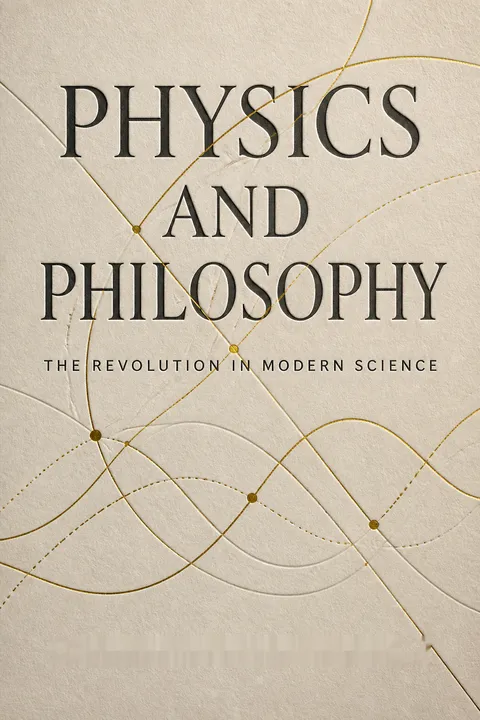
کتاب «فیزیک و فلسفه» با نظرات متفاوتی روبهرو شده است. برخی از منتقدان به بررسی عمیق آن در زمینهی مکانیک کوانتومی و پیامدهای فلسفیاش ارج مینهند و توانایی هایزنبرگ را در پیوند دادن فیزیک با تاریخچهی گستردهتر اندیشه ستایش میکنند. در مقابل، عدهای کتاب را دشوار میدانند و به محتوای فشردهی فیزیکی و اطلاعات نسبتاً قدیمی آن اشاره دارند. این اثر بهخاطر بررسی زبان، واقعیت و ماهیت دانش علمی مورد تحسین قرار گرفته است. اگرچه برخی خوانندگان با جنبههای فنی کتاب دستوپنجه نرم کردند، بسیاری ارزش دیدگاه منحصربهفرد هایزنبرگ دربارهی تلاقی علم و فلسفه را دریافتند.
دیگران نیز خواندهاند







سؤالات متداول
1. What is "Physics and Philosophy: The Revolution in Modern Science" by Werner Heisenberg about?
- Explores the philosophical impact: The book examines how the revolutionary developments in modern physics, especially quantum theory and relativity, have transformed our understanding of reality, knowledge, and scientific concepts.
- Focuses on quantum mechanics: Heisenberg, a key architect of quantum mechanics, discusses the origins, interpretation, and implications of quantum theory, particularly the Copenhagen interpretation.
- Bridges science and philosophy: The text connects the evolution of scientific ideas with philosophical traditions, comparing ancient Greek, Cartesian, and Kantian thought to modern physics.
- Addresses broader consequences: Heisenberg also considers the influence of modern physics on society, language, and human thinking, including the ethical and political ramifications of scientific advances.
2. Why should I read "Physics and Philosophy" by Werner Heisenberg?
- Firsthand insight from a pioneer: Heisenberg was a Nobel laureate and one of the principal creators of quantum mechanics, offering unique authority and perspective.
- Clarity on complex ideas: The book provides a lucid, non-mathematical explanation of the most challenging concepts in modern physics and their philosophical significance.
- Relevance to broader questions: It addresses fundamental questions about reality, knowledge, and the limits of scientific inquiry, which are relevant to anyone interested in science, philosophy, or the nature of truth.
- Historical and cultural context: Heisenberg situates scientific revolutions within the broader sweep of intellectual history, making the book valuable for understanding the interplay between science and culture.
3. What are the key takeaways from "Physics and Philosophy" by Werner Heisenberg?
- Limits of classical concepts: Classical physics concepts like space, time, and causality are not universally applicable; quantum theory reveals their limitations.
- Copenhagen interpretation: Reality at the atomic level is not objectively determined until observed; quantum mechanics describes probabilities, not certainties.
- Role of language and logic: Scientific language and logic are shaped by experience and may require revision as knowledge expands, especially in quantum physics.
- Science and subjectivity: The observer plays an unavoidable role in defining what can be known; objectivity in science is more nuanced than previously thought.
4. How does Heisenberg explain the Copenhagen interpretation of quantum theory in "Physics and Philosophy"?
- Measurement creates reality: According to the Copenhagen interpretation, properties like position or momentum do not have definite values until measured; observation brings potentialities into actuality.
- Probability, not determinism: Quantum mechanics provides only statistical predictions about ensembles of systems, not definite outcomes for individual events.
- Complementarity principle: Different experimental setups reveal complementary aspects (e.g., wave or particle) of quantum systems, but never both simultaneously.
- Limits of classical language: Classical terms are necessary for describing experiments, but their applicability is limited by quantum uncertainty.
5. What is Heisenberg’s uncertainty principle, and how is it presented in "Physics and Philosophy"?
- Fundamental limit to knowledge: The uncertainty principle states that certain pairs of physical properties (like position and momentum) cannot both be known to arbitrary precision simultaneously.
- Not just measurement error: This uncertainty is inherent in nature, not due to experimental imperfections or lack of information.
- Implications for reality: The principle implies that quantum particles do not have well-defined trajectories or states independent of observation.
- Philosophical consequences: It challenges the classical notion of an objective, observer-independent reality and introduces indeterminacy at the heart of physics.
6. How does "Physics and Philosophy" by Heisenberg compare quantum theory to earlier philosophical traditions?
- Greek philosophy parallels: Heisenberg draws connections between quantum concepts and ancient ideas, such as Aristotle’s "potentia" (potentiality) and Heraclitus’s focus on change.
- Critique of Cartesian dualism: The book critiques Descartes’ strict separation of mind and matter, showing that quantum theory blurs this distinction.
- Kantian a priori revisited: Heisenberg argues that Kant’s "synthetic a priori" concepts (like space, time, causality) are not absolute but have limited applicability in light of modern physics.
- Evolution of scientific concepts: The text demonstrates how scientific revolutions force a reevaluation of philosophical assumptions about reality and knowledge.
7. What is the role of language and logic in science according to "Physics and Philosophy" by Heisenberg?
- Language shaped by experience: Scientific and everyday language are formed through interaction with the world, and their concepts have only limited, context-dependent meaning.
- Limits of precision: Even the most precise scientific terms are idealizations and may lose their applicability as knowledge advances.
- Need for new logic: Quantum theory may require modifications to classical logic, such as relaxing the law of the excluded middle ("tertium non datur") at the quantum level.
- Communication and understanding: While mathematics provides unambiguous predictions, plain language is necessary for broader understanding, though it may be inherently vague in quantum contexts.
8. How does Heisenberg address criticisms and alternative interpretations of quantum mechanics in "Physics and Philosophy"?
- Hidden variables debate: Heisenberg discusses proposals like Bohm’s hidden variables, which attempt to restore determinism, but argues they add unnecessary and unobservable elements.
- Symmetry and consistency: Alternative interpretations often sacrifice key symmetries or features of quantum theory, making them less satisfactory.
- Role of the observer: Critics object to the centrality of the observer in the Copenhagen interpretation, but Heisenberg maintains this is an unavoidable consequence of quantum phenomena.
- No return to classical realism: Heisenberg concludes that attempts to restore a classical, objective reality are incompatible with experimental facts and the structure of quantum theory.
9. What does "Physics and Philosophy" by Heisenberg say about the structure and unity of matter?
- From atoms to energy: The book traces the historical development from Greek atomism to the modern view that all matter is composed of energy and elementary particles.
- Transmutation and unity: Experiments show that elementary particles can be transformed into one another, supporting the idea of a fundamental unity of matter.
- Matter and form: Heisenberg relates quantum particles to Aristotelian "potentia," suggesting that particles are forms or solutions of underlying laws, not static substances.
- Ongoing challenges: The search for a complete mathematical description of matter, uniting quantum theory and relativity, remains unfinished.
10. How does "Physics and Philosophy" by Heisenberg relate quantum theory to other sciences and human knowledge?
- Chemistry and physics unified: Quantum theory provides the foundation for understanding chemical behavior and the stability of atoms.
- Biology and limits of reductionism: While physics and chemistry explain much of biology, Heisenberg suggests that life may involve concepts beyond current physical theories.
- Psychology and subjectivity: The book argues that physics cannot fully explain consciousness or subjective experience, highlighting the limits of reductionist approaches.
- Science as interplay: Heisenberg emphasizes that science is not just about describing nature, but about the interplay between nature and human questioning.
11. What are the broader implications of "Physics and Philosophy" by Heisenberg for society, ethics, and culture?
- Impact on worldviews: The conceptual revolution in physics challenges materialism and calls for a more nuanced understanding of reality.
- Ethical responsibility: Heisenberg discusses the political and ethical consequences of scientific advances, especially regarding nuclear weapons.
- Science and tradition: The book explores how modern physics interacts with different cultural and philosophical traditions worldwide.
- Tolerance and openness: Heisenberg advocates for intellectual openness and tolerance, recognizing the limits of any single worldview or doctrine.
12. What are the best quotes from "Physics and Philosophy" by Werner Heisenberg, and what do they mean?
- "What we observe is not nature itself, but nature exposed to our method of questioning."
- This highlights the active role of the observer in shaping what can be known in quantum physics.
- "In the experiments about atomic events we have to do with things and facts, with phenomena that are just as real as any phenomena in daily life. But the atoms or the elementary particles themselves are not as real; they form a world of potentialities or possibilities rather than one of things or facts."
- Heisenberg distinguishes between observable phenomena and the underlying quantum reality, which is a realm of possibilities.
- "Every word or concept, clear as it may seem to be, has only a limited range of applicability."
- This quote underscores the limitations of language and concepts, especially when applied to new scientific domains.
- "Natural science does not simply describe and explain nature; it is part of the interplay between nature and ourselves."
- Heisenberg emphasizes that science is a human activity, shaped by our questions and perspectives, not a detached observation of an independent reality.
دانلود PDF
دانلود EPUB
.epub digital book format is ideal for reading ebooks on phones, tablets, and e-readers.








































