نکات کلیدی
۱. تکامل از طریق هولونها پیش میرود: کلهایی که بخشهایی از کلهای بزرگترند
واقعیت بهعنوان یک کل، از اشیاء یا فرایندها تشکیل نشده است، بلکه از هولونها ساخته شده است.
هولونها واحدهای بنیادین تکاملاند. آنها همزمان کلهایی مستقل و بخشهایی از کلهای بزرگتر هستند. این مفهوم در تمام سطوح وجود، از اتمها تا سلولها، موجودات زنده و جوامع صادق است. هر هولون، فراتر از اجزای پیشین خود رفته و آنها را در بر میگیرد و سلسلهمراتبی تو در تو با پیچیدگی و عمق فزاینده ایجاد میکند.
ویژگیهای کلیدی هولونها عبارتاند از:
- حفظ خود (نگهداری تمامیت خود)
- سازگاری خود (عملکرد بهعنوان بخشی از کل بزرگتر)
- فراتر رفتن خود (تکامل به اشکال نوین)
- انحلال خود (از هم پاشیدن در صورت عدم امکان ادامه حیات)
با پیشرفت تکامل، هولونها نشاندهنده:
- پیچیدگی فزاینده
- تمایز و یکپارچگی بیشتر
- سطوح بالاتر سازمانیافتگی
- خودمختاری نسبی بیشتر
۲. کیهانشناسی شامل ماده، زندگی، ذهن و روح در سلسلهمراتبی یکپارچه است
کیهان شامل کیهانی (یا فیزیوسفیر)، زیستی (یا بایوسفیر)، نوس (نوسفر) و تئوس (تئوسفیر یا قلمرو الهی) است—که هیچکدام بنیادین نیستند.
کیهانشناسی مفهومی کلنگر است که تمام حوزههای وجود را در بر میگیرد. این دیدگاه فراتر از جهان فیزیکی (کیهان) رفته و زندگی، ذهن و روح را نیز شامل میشود. این نگرش، هر دو رویکرد مادیگرایی تقلیلگرا و ایدهآلیسم متعالی را رد کرده و به اعتبار و ارتباط متقابل همه سطوح اذعان دارد.
سلسلهمراتب کیهان:
۱. فیزیوسفیر (ماده)
۲. بایوسفیر (زندگی)
۳. نوسفر (ذهن)
۴. تئوسفیر (روح)
هر سطح، سطوح پیشین را فراتر رفته و در بر میگیرد و سلسلهمراتبی یکپارچه شکل میدهد. این دیدگاه امکان درک جامعتری از واقعیت را فراهم میآورد که هم ابعاد علمی و هم ابعاد معنوی را بدون تقلیل یکی به دیگری به رسمیت میشناسد.
۳. توسعه انسانی بازتابی از تکامل کیهانی است، از جادویی به اسطورهای تا عقلانی
جهان پر از گرایشها و نیتهایی است که حول محور خود ما میچرخند.
آگاهی انسانی از مراحلی عبور میکند که با تکامل کیهانی گستردهتر همراستا هستند. این مسیر توسعهای با تفکر جادویی آغاز شده، از درک اسطورهای عبور میکند و نهایتاً به شناخت عقلانی میرسد. هر مرحله نمایانگر جهانبینی جامعتری است که سطوح پیشین را فراتر رفته و در بر میگیرد.
مراحل توسعه شناختی انسان:
۱. کهن (آگاهی نامتمایز)
۲. جادویی (خودمحور، انیمیستی)
۳. اسطورهای (قوممحور، سنتی)
۴. عقلانی (جهانمحور، مدرن)
۵. منطقبصری (یکپارچه، پسامدرن)
این مراحل صرفاً ساختارهای فکری نیستند، بلکه تغییرات بنیادینی در نحوه ادراک و تعامل فرد با واقعیت را نشان میدهند. فهم این توالی توسعهای به توضیح تفاوتهای فرهنگی و فراهم آوردن چارچوبی برای رشد فردی کمک میکند.
۴. عقل و منطقبصری دروازههایی به قلمروهای فراتر از فردیاند، نه پایان راه
عقل فضایی از امکانات است.
تفکر عقلانی افقهای نوینی را میگشاید که فراتر از جهانهای ملموس و اسطورهای است. این تفکر امکان اندیشه انتزاعی، سناریوهای فرضی و اصول کلی را فراهم میکند. با این حال، عقل پایان مسیر توسعه نیست. منطقبصری که تحلیل عقلانی را با ترکیب شهودی پیوند میدهد، پلی به سوی آگاهی فراتر از فردی است.
ویژگیهای منطقبصری:
- دیدن همزمان چندین دیدگاه
- یکپارچهسازی دیدگاههای ظاهراً متضاد
- شناخت محدودیتهای عقل محض
- گشایش به تجربیات فراتر از عقل و عرفانی
منطقبصری راه را برای توسعه معنوی واقعی هموار میکند، با عبور از محدودیتهای تفکر خودمحور و قوممحور و در عین حال حفظ بینشهای ارزشمند جستجوی عقلانی.
۵. عمق درونی با پیچیدگی بیرونی در تکامل همبستگی دارد
هرچه عمق یک هولون بیشتر باشد، درجه آگاهی آن نیز بالاتر است.
توسعه تکاملی در هر دو بُعد درونی و بیرونی پیش میرود. هرچه هولونها از نظر بیرونی پیچیدهتر میشوند، عمق درونی بیشتری نیز کسب میکنند. این همبستگی در تمام حوزهها، از سیستمهای فیزیکی تا موجودات زیستی، جوامع انسانی و آگاهی فردی صادق است.
نمونههایی از همبستگی درونی-بیرونی:
- اتمها (ساختار فیزیکی ساده) – پیشدریافت (آگاهی ابتدایی)
- سلولها (بیوشیمی پیچیده) – تحریکپذیری (پاسخدهی پایه)
- حیوانات (شبکههای عصبی) – حس و ادراک
- انسانها (قشر جدید مغز) – آگاهی خودبازتابی
این دیدگاه هر دو رویکرد مادیگرایی تقلیلگرا و ایدهآلیسم متعالی را به چالش میکشد و رابطه ذاتی بین پیچیدگی عینی و تجربه ذهنی را به رسمیت میشناسد.
۶. یکپارچگی فیزیوسفیر، بایوسفیر و نوسفر گام بعدی تکامل است
منطقبصری مرکب میتواند فیزیوسفیر، بایوسفیر و نوسفر را در فردیت مرکب خود یکپارچه کند.
چالش تکاملی کنونی، یکپارچهسازی حوزههای ماده، زندگی و ذهن به شیوهای هماهنگ و متعادل است. این یکپارچگی برای مقابله با مسائل جهانی مانند تخریب محیط زیست، نابرابری اجتماعی و بیگانگی وجودی ضروری است. منطقبصری یا آگاهی یکپارچه، ظرفیت شناختی لازم برای دربرگرفتن این حوزههای متنوع در یک چشمانداز واحد را فراهم میآورد.
جنبههای کلیدی یکپارچگی:
- به رسمیت شناختن ارزش ذاتی هر حوزه
- درک وابستگی متقابل آنها
- توسعه روشهایی که همه سطوح را محترم میشمارند
- ایجاد ساختارهای اجتماعی که آگاهی کلنگر را منعکس میکنند
دستیابی به این یکپارچگی نیازمند توسعه فردی و تحول جمعی است که به شیوهای پایدارتر و رضایتبخشتر برای زیستن در جهان منجر میشود.
۷. تجربیات عرفانی معتبر، بینذهنی و قابل اثبات علمیاند
این تلاشهای معنوی، به عبارت دیگر، از هر نظر علمیاند و ارائههای نظاممند آنها دقیقاً مطابق با هر علم بازسازیکنندهای است.
تجربیات فراتر از فردی و عرفانی صرفاً تخیلات ذهنی نیستند، بلکه شیوههای معتبری برای شناخت واقعیتاند. این تجربیات را میتوان با روشهای دقیق مشابه سایر حوزههای پژوهشی مورد مطالعه قرار داد. مانند ریاضیات یا علوم تجربی، بینشهای عرفانی بر پایه تجربه مستقیم، تأیید بینذهنی و بررسی نظاممند استوارند.
ویژگیهای علم عرفانی:
- بهکارگیری روشهای خاص (مانند مدیتیشن) برای ایجاد حالات تغییر یافته
- توسعه واژگان دقیق برای توصیف تجربیات غیرعادی
- تشکیل جوامع تمرینکننده برای بازبینی همتا
- پالایش تکنیکها و فهم در طول زمان
بهرسمیتشناختن اعتبار علمی تجربیات عرفانی، راههای نوینی برای فهم آگاهی، واقعیت و توانمندیهای انسانی میگشاید.
۸. زبان و تجربه مستقیم در انتقال حقیقت معنوی مکمل یکدیگرند
هیچ تجربه مستقیمی را نمیتوان بهطور کامل در کلمات گنجاند.
حقایق معنوی نیازمند هم فهم مفهومی و هم تحقق مستقیماند. زبان نقش مهمی در انتقال آموزهها و هدایت تمرین دارد، اما جایگزین تجربه شخصی نیست. از سوی دیگر، تجربیات عرفانی باید در چارچوب مفهومی گستردهتری تفسیر و یکپارچه شوند تا معنا پیدا کنند.
تعامل زبان و تجربه در معنویت:
- کلمات بهعنوان نشانههایی به سوی واقعیتهای فراتر
- واژگان مشترک برای تسهیل ارتباط میان تمرینکنندگان
- محدودیتهای زبان در توصیف آگاهی غیردوگانه
- ضرورت تمرین برای تأیید فهم مفهومی
این رابطه مکمل میان زبان و تجربه اهمیت هر دو مطالعه و تمرین در توسعه معنوی را نشان میدهد و نیاز به استادان ماهری را که بتوانند پل میان مفهوم و تحقق باشند، برجسته میسازد.
خلاصه نقدها
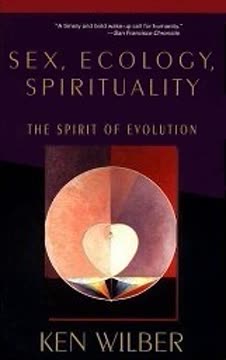
کتاب «جنسیت، بومشناسی، معنویت» نوشتهی کن ویلبر اثری جامع و بلندپروازانه است که درصدد تلفیق حوزههای مختلف دانش در قالب نظریهای یکپارچه برآمده است. خوانندگان از وسعت فکری ویلبر و ایدههای عمیق و برانگیزانندهی کتاب، بهویژه مفاهیم هولونها و نظریهی انتگرال، تمجید میکنند. با این حال، بسیاری کتاب را طولانی، مکرر و پیچیده میدانند و برخی نیز به سبک نگارش و خودبینی نویسنده انتقاد دارند. با وجود این کاستیها، بسیاری از خوانندگان «جنسیت، بومشناسی، معنویت» را اثری ژرف و تأثیرگذار میشمارند که تفکر مرسوم را به چالش میکشد و چشماندازی نوین دربارهی معنویت و رشد انسانی ارائه میدهد.
دیگران نیز خواندهاند






سؤالات متداول
1. What is Sex, Ecology, Spirituality: The Spirit of Evolution by Ken Wilber about?
- Comprehensive integration of knowledge: The book presents a sweeping synthesis of spirituality, ecology, science, and philosophy, aiming to unite ancient wisdom with modern thought in a holistic framework.
- Holons and evolution: Wilber introduces the concept of holons—entities that are both wholes and parts—and explores how these form nested hierarchies (holarchies) throughout the Kosmos, connecting matter, life, mind, and spirit.
- Four-quadrant model: The work maps reality into four quadrants (interior/exterior, individual/collective), showing that every phenomenon has subjective, objective, cultural, and social dimensions.
- Critique of reductionism: The book critiques modernity’s “flatland” worldview, which reduces reality to empirical surfaces and neglects interior depth, leading to ecological and spiritual crises.
2. Why should I read Sex, Ecology, Spirituality by Ken Wilber?
- Groundbreaking integral philosophy: The book offers a unique, integrative vision that transcends fragmented worldviews, providing a map for understanding the complex interrelations of matter, life, mind, and spirit.
- Critical engagement with modernity: Wilber challenges prevailing academic, ecological, and spiritual paradigms, encouraging readers to move beyond reductionism and relativism.
- Practical relevance: By revealing the developmental and structural patterns underlying ecological crises, spirituality, and human nature, the book equips readers with tools for personal and societal transformation.
- Bridges East and West: It synthesizes insights from Eastern spiritual traditions and Western science and philosophy, making it relevant for anyone interested in consciousness, evolution, or holistic thinking.
3. What are the key takeaways from Sex, Ecology, Spirituality by Ken Wilber?
- Holonic structure of reality: All entities are holons—simultaneously wholes and parts—forming nested hierarchies that underpin evolution and development.
- Four quadrants of existence: Every phenomenon can be analyzed through four perspectives: subjective experience, objective behavior, cultural meaning, and social systems.
- Integration over reduction: True understanding and healing require integrating all dimensions of reality, not reducing one to another.
- Spiritual evolution: Human consciousness evolves through stages, culminating in nondual realization, and this process is mirrored in both individual and cultural development.
4. What are the best quotes from Sex, Ecology, Spirituality by Ken Wilber and what do they mean?
- “Everybody is right.” This phrase encapsulates Wilber’s integral approach, suggesting that every perspective holds a partial truth and must be included in a comprehensive understanding.
- “Holons are the basic units of reality.” This highlights the centrality of holons—entities that are both wholes and parts—in Wilber’s model of the Kosmos.
- “The world is illusory; Brahman alone is real; Brahman is the world.” Quoting Ramana Maharshi, Wilber points to the nondual insight that ultimate reality transcends and includes all forms.
- “Protect and promote the greatest depth for the greatest span.” This is Wilber’s Basic Moral Intuition, guiding ethical action by balancing depth (complexity, consciousness) and span (inclusiveness).
5. How does Ken Wilber define and use the concepts of holons and holarchies in Sex, Ecology, Spirituality?
- Holons as whole/parts: Holons are entities that are simultaneously wholes in themselves and parts of larger wholes, such as cells in organisms or individuals in societies.
- Holarchies as nested hierarchies: Holarchies are hierarchies of holons, where each level transcends and includes the previous, forming “nests within nests” fundamental to evolution.
- Healthy vs. pathological hierarchies: Wilber distinguishes between healthy holarchies (which integrate lower levels) and pathological ones (which dominate or repress), arguing that hierarchy is natural and necessary, not inherently oppressive.
- Patterns that connect: Holons exhibit universal patterns—emergence, self-preservation, adaptation, transcendence, and dissolution—across all domains of reality.
6. What is the Four Quadrants model in Sex, Ecology, Spirituality by Ken Wilber and why is it important?
- Four perspectives of reality: The model divides reality into four quadrants: Upper-Left (individual interior/subjective), Upper-Right (individual exterior/objective), Lower-Left (collective interior/cultural), and Lower-Right (collective exterior/social).
- Comprehensive analysis tool: This framework ensures that any phenomenon is understood from subjective, objective, intersubjective, and interobjective perspectives, preventing reductionism.
- Integration of knowledge domains: The quadrants correspond to art (I), morals (we), science (it), and social systems, aligning with major philosophical traditions and validity claims.
- Foundation for integral theory: The model is central to Wilber’s integral philosophy, guiding the integration of science, spirituality, culture, and society.
7. How does Sex, Ecology, Spirituality by Ken Wilber address the ecological crisis and critique modern ecological movements?
- Critique of fractured worldviews: Wilber argues that the ecological crisis stems from a dualistic, mechanistic worldview that separates humans from nature and promotes domination.
- Evaluation of ecophilosophies: He critiques movements like deep ecology and ecofeminism for “flatland” thinking—confusing hierarchy with domination and failing to grasp the holonic complexity of ecological systems.
- Holonic ecology proposal: Wilber advocates for a holonic ecological philosophy that honors the nested, interconnected nature of life, moving beyond simplistic egalitarian or anti-hierarchical models.
- Integration of spirit and nature: He emphasizes that true ecological healing requires integrating spiritual, cultural, and scientific dimensions, not just focusing on external systems.
8. What is the Basic Moral Intuition (BMI) in Sex, Ecology, Spirituality by Ken Wilber and how does it guide ethics?
- Core ethical principle: The BMI is “Protect and promote the greatest depth for the greatest span,” balancing the intrinsic value (depth) of beings with the widest possible community (span).
- Developmental application: The BMI unfolds through stages—egocentric, sociocentric, worldcentric, and transpersonal—each expanding the scope of moral concern.
- Contextual interpretation: While the BMI is universal, its application varies by cultural and developmental context, allowing for legitimate disagreement on complex issues.
- Spiritual foundation: The BMI is not a fixed rule but a spiritual concern, requiring ongoing dialogue and integration of subjective, intersubjective, and objective perspectives.
9. How does Sex, Ecology, Spirituality by Ken Wilber explain the stages of consciousness and spiritual development?
- Developmental stages: Wilber outlines stages from archaic to magic, mythic, rational, and transpersonal (psychic, subtle, causal, nondual), each representing deeper structures of consciousness.
- Parallel in culture and individuals: These stages appear both in cultural evolution (phylogeny) and individual development (ontogeny), showing homologous patterns.
- Transpersonal stages: The psychic stage involves unity with nature, the subtle stage with archetypal forms, the causal stage with formless awareness, and the nondual stage with the unity of emptiness and form.
- Integration and transcendence: Each stage requires integration of previous levels and presents unique challenges and pathologies to be overcome.
10. What is the pre/trans fallacy in Sex, Ecology, Spirituality by Ken Wilber and why is it important for understanding spirituality?
- Definition of the fallacy: The pre/trans fallacy is the confusion between prerational (prepersonal) and transrational (transpersonal) states, since both are nonrational but fundamentally different.
- Two common errors: One error reduces transrational states to prerational regression (as in Freud), while the other elevates prerational states to transrational glory (as in Jung).
- Implications for spiritual development: Recognizing this fallacy is crucial for distinguishing genuine mystical or contemplative states from regressive or immature states.
- Prevents misinterpretation: Avoiding the pre/trans fallacy helps accurately interpret spiritual experiences and avoid conflating infantile or pathological states with authentic spiritual realization.
11. How does Sex, Ecology, Spirituality by Ken Wilber critique the Buddhist no-self (anatman) doctrine and its integration with Western psychology?
- No-self as relative truth: Wilber explains that the Buddhist no-self doctrine is valid on the phenomenal level, where the self is an illusion arising from aggregates, but a cohesive self is pragmatically necessary for healthy functioning.
- Nagarjuna’s nondual critique: The book highlights Nagarjuna’s view that all phenomena, including the self, are empty of inherent existence, and that ultimate reality transcends self/no-self duality.
- Limits of Western adoption: Wilber critiques the misapplication of no-self in Western psychology, noting that denying the self on the phenomenal plane can lead to psychological fragmentation or borderline pathology.
- Need for integration: He calls for a synthesis that honors both the relative reality of self and the absolute nondual ground, avoiding reductionism and supporting healthy spiritual development.
12. What is the perennial philosophy as described in Sex, Ecology, Spirituality by Ken Wilber and how does it relate to nonduality?
- Universal spiritual consensus: The perennial philosophy is a worldview found across cultures, affirming that Spirit exists, is found within, and that most people are unaware due to illusion and duality
درباره نویسنده
کتابهای دیگر از کن ویلبر