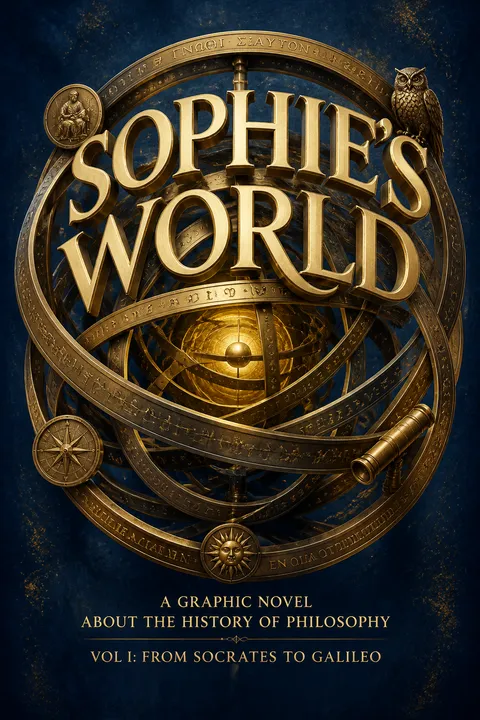

خلاصه داستان
۱. آغاز جستجوی فلسفی: شگفتی و پرسشهای بنیادین
... تنها چیزی که برای فیلسوف شدن نیاز داریم، توانایی شگفتزدگی است ...
فلسفه با حس شگفتی نسبت به جهان و جایگاه خودمان در آن آغاز میشود. برخلاف علاقههای سطحی، پرسشهای فلسفی بنیادی و جهانشمولاند و به همه انسانها، فارغ از پیشینهشان، مربوط میشوند. این پرسشها به عمیقترین رازهای هستی میپردازند؛ مانند اینکه جهان از کجا آمده و ما کیستیم.
نیازهای اولیه انسانی مانند غذا و سرپناه ضروریاند، اما فیلسوفان معتقدند انسانها به فهمیدن وجود خود نیز نیاز دارند. این کنجکاوی ذاتی، جستجوی معنا را فراتر از بقا به حرکت درمیآورد. جهان گاه با همان ناباوریای تجربه میشود که در برابر شعبدهبازی داریم و ما را به پرسیدن درباره چگونگی کارکرد همه چیز وا میدارد.
کودکان و فیلسوفان این توانایی حیاتی شگفتی را به اشتراک میگذارند. با گذر زمان، بسیاری از افراد به جهان عادت میکنند و شگفتی خود را از دست میدهند. فیلسوفان تلاش میکنند این نگاه کودکانه را بازیابند، جهانی را که پر از ابهام و رمز و راز است ببینند و بیوقفه به دنبال پاسخ پرسشهای عمیق زندگی باشند.
۲. از اسطوره تا عقلانیت: نخستین فیلسوفان
... هیچچیز از هیچچیز به وجود نمیآید ...
فرهنگهای اولیه انسانی جهان را از طریق اسطورهها توضیح میدادند؛ داستانهایی درباره خدایان و نیروهای ماورایی. این اسطورهها پاسخهایی به پرسشهای مربوط به طبیعت، زندگی و نبرد میان خیر و شر ارائه میکردند و اغلب با آیینها و قربانیها همراه بودند تا نیروهای الهی را تحت تأثیر قرار دهند.
فیلسوفان یونانی در حدود ۶۰۰ پیش از میلاد، گسستی قاطع از این جهانبینی اسطورهای ایجاد کردند. آنها به دنبال توضیحاتی طبیعی به جای ماورایی برای فرآیندهای طبیعی بودند. این گذار از میتوس به لوگوس (عقل) پایههای تفکر علمی را بنا نهاد.
فیلسوفان پیشاسقراطی مانند تالس، آنکسیماندروس و آنکسیمنس به دنبال یافتن یک ماده بنیادی واحد برای همه چیز بودند (آب، بیکران، هوا). بعدها پارمنیدس بر ضد تغییر استدلال کرد، در حالی که هراکلیتوس بر جریان دائمی تأکید داشت. امپدوکلس چهار عنصر (خاک، هوا، آتش، آب) را معرفی کرد که توسط عشق و نفرت ترکیب میشوند و دموکریتوس مفهوم اتمهای ابدی و تجزیهناپذیر را به عنوان سازندههای واقعیت مطرح نمود.
۳. سقراط: دانای دانا که هیچ نمیداند
... داناترین کسی است که میداند نمیداند ...
سقراط، فیلسوف مرموز آتنی (۴۷۰-۳۹۹ پیش از میلاد)، هرگز چیزی ننوشته است، اما تأثیر عمیقی بر اندیشه غرب گذاشت. او را از طریق دیالوگهای افلاطون میشناسیم؛ سقراط عمر خود را در فضاهای عمومی گذراند و با شهروندان به گفتوگوهای فلسفی پرداخت، معتقد بود که فهم واقعی از درون انسان سرچشمه میگیرد.
با استفاده از طنز سقراطی، وانمود به نادانی میکرد تا نقاط ضعف استدلالهای دیگران را آشکار سازد و به آنها کمک کند تا به بینشهای درست «زاده شوند». او باور داشت عقل ذاتی به همه انسانها، فارغ از جایگاه اجتماعی، امکان درک حقایق فلسفی را میدهد. روش او خرد متعارف و قدرت را به چالش میکشید.
به اتهام بیدینی و فساد جوانان، سقراط به مرگ محکوم شد. او برای باورهایش جان سپرد و حقیقت و وجدان را بر زندگی ترجیح داد. مانند عیسی، شخصیتی کاریزماتیک بود که هنجارهای اجتماعی را به چالش کشید و مرگش میراث او را تثبیت کرد و نسلهای متفکر را الهام بخشید.
۴. افلاطون: جهان اشکال ابدی
... اشتیاق بازگشت به قلمرو روح ...
افلاطون (۴۲۸-۳۴۷ پیش از میلاد)، شاگرد سقراط، به دنبال حقایق ابدی و تغییرناپذیر در جهانی پر از تغییر بود. از مرگ ناعادلانه سقراط متأثر، جامعهای آرمانی را تصور کرد که فیلسوفان بر آن حکومت میکنند و معتقد بود واقعیت حقیقی فراتر از جهان حسی است.
نظریه ایدههای او بیان میکند که جهانی از اشکال ابدی و کامل (مانند «ایده اسب» یا «ایده عدالت») وجود دارد که واقعیتر از اشیاء ناقص و متغیری است که با حواس خود میبینیم. این ایدهها الگوهای بیزمانیاند که اشیاء مادی بر اساس آنها ساخته شدهاند و تنها از طریق عقل قابل دسترسیاند.
افسانه غار این موضوع را نشان میدهد: زندانیانی که فقط سایهها (جهان حسی) را میبینند، آنها را با واقعیت اشتباه میگیرند، در حالی که زندانی آزاد شده (فیلسوف) جهان واقعی بیرون (جهان ایدهها) را کشف میکند. افلاطون معتقد بود روح، جاودانه و پیش از بدن وجود داشته، مشتاق بازگشت به این جهان ایدههاست و جهان حسی را بازتابی ناقص میداند.
۵. ارسطو: مشاهده جهان چنان که هست
... سازماندهندهای دقیق که میخواست مفاهیم ما را روشن کند ...
ارسطو (۳۸۴-۳۲۲ پیش از میلاد)، شاگرد افلاطون، نخستین زیستشناس بزرگ اروپا و سازماندهندهای دقیق دانش بود. برخلاف افلاطون، او معتقد بود واقعیت حقیقی در جهان حسی است و طبیعت را از طریق مشاهده و حواس مطالعه میکند، نه صرفاً عقل.
او جهان ایدههای افلاطون را رد کرد و استدلال نمود که «اشکال» در خود اشیاء وجود دارند، نه موجوداتی جداگانه. «شکل» یک چیز ویژگیهای خاص آن است (مثلاً شکل مرغ توانایی قوقولیقوقو کردن و تخمگذاری است) که از «جوهر» آن (آنچه از آن ساخته شده) جدا نیست.
ارسطو طبیعت را به دستههایی تقسیم کرد (زنده/غیرزنده، گیاه/حیوان/انسان) بر اساس ویژگیها و تواناییهایشان. او همچنین چهار علت (مادی، صوری، فاعلی، غایی) را برای هر چیز مطرح کرد، از جمله «علت غایی» یا هدف در طبیعت، و منطق را به عنوان علمی برای روشنکردن مفاهیم و استدلالهای معتبر بنیان نهاد.
۶. هلنیسم: جستجوی سعادت و رهایی
... جرقهای از آتش ...
پس از مرگ ارسطو، دوره هلنیستی (حدود ۳۲۳-۳۱ پیش از میلاد) شاهد گسترش فرهنگ یونانی تحت فرماندهی اسکندر کبیر بود. این دوران با همآمیزی فرهنگی (سینکریتیسم) و تغییر جهت فلسفه به سوی یافتن سعادت شخصی و رهایی در جهانی در حال تغییر مشخص میشود.
مکتبهای فلسفی مانند کلبیگری (سعادت در خودکفایی)، رواقیگری (پذیرش سرنوشت و عقل جهانشمول) و اپیکوریگری (لذت به عنوان بالاترین خیر و اجتناب از درد) پدید آمدند که بر اخلاق و رفاه فردی تمرکز داشتند، نه بر نظامهای متافیزیکی بزرگ.
نوپلاتونیسم، الهامگرفته از افلاطون، به دنبال اتحاد با «یکی» الهی بود و روح را «جرقهای از آتش» میدانست که مشتاق بازگشت به سرچشمه خود است. این گرایش عرفانی که بر تجربه درونی و تطهیر تأکید داشت، مرزهای فلسفه و دین را محو کرد و بر اندیشه مسیحی بعدی تأثیر گذاشت.
۷. ایمان و عقل: فلسفه در قرون وسطی مسیحی
... رفتن بخشی از راه با رفتن در مسیر اشتباه برابر نیست ...
قرون وسطی (حدود ۴۰۰-۱۴۰۰ میلادی) تحت سلطه اندیشه مسیحی بود که عناصر فلسفه یونانی و دین سامی را به ارث برد. پرسش مرکزی، رابطه میان وحی مسیحی (ایمان) و فلسفه یونانی (عقل) بود.
قدیس آگوستین (۳۵۴-۴۳۰) که از نوپلاتونیسم تأثیر گرفته بود، افلاطون را مسیحی کرد و ایدهها را در ذهن خدا پیش از آفرینش قرار داد. او تاریخ را نبرد میان «شهر خدا» و «شهر دنیا» میدید و بر اولویت ایمان تأکید داشت، اما از عقل برای فهم حقایق الهی بهره میبرد.
قدیس توماس آکویناس (۱۲۲۵-۱۲۷۴) ارسطو را مسیحی کرد و ترکیبی از ایمان و دانش ساخت. او استدلال کرد که عقل و ایمان میتوانند به یک حقیقت برسند (مانند وجود خدا) و ایمان دسترسی به حقایقی فراتر از عقل را فراهم میکند. او معتقد بود عقل میتواند «بخشی از راه» را برود بدون اینکه اشتباه کند.
۸. رنسانس و طلوع مدرنیته
... ای تبار الهی در قالب فانی ...
رنسانس (قرون ۱۴ تا ۱۶) باززایی دوران کلاسیک بود که تمرکز را از خدا به انسان بازگرداند (انسانگرایی). این دوران پتانسیل انسانی، فردگرایی و نبوغ را جشن گرفت و در تضاد با تأکید قرون وسطی بر گناه انسانی بود.
اختراعات جدیدی مانند قطبنما، اسلحههای آتشین و چاپ، کاوش، جنگ و گسترش ایدهها را تسهیل کردند و اقتدارهای قدیمی مانند کلیسا را به چالش کشیدند. اقتصاد پولی و طبقه متوسط رو به رشد، استقلال از ساختارهای فئودالی را افزایش داد.
دیدگاه نوینی نسبت به طبیعت شکل گرفت که آن را مثبت و حتی الهی میدانست (پانتئیسم). روش علمی که بر مشاهده و آزمایش تأکید داشت (تجربیگرایی) جایگزین اتکا به متون باستانی شد و کشفیات انقلابی مانند مدل خورشیدمرکزی کوپرنیک، جایگاه انسان در کیهان را بنیادین تغییر داد.
۹. عصر عقل: عقلگرایی در برابر تجربیگرایی
... میخواست همه آوارها را از محل پاک کند ...
قرون ۱۷ و ۱۸ شاهد مناظرهای شدید میان عقلگرایی (دانش از طریق عقل) و تجربیگرایی (دانش از طریق حواس) بود. عقلگرایانی مانند دکارت به دنبال دانش یقینی از طریق شک منظم بودند و مشهور است که گفت «میاندیشم، پس هستم»، واقعیت اندیشه و از طریق تضمین خدا، واقعیت بیرونی را اثبات کرد.
دکارت دوگانهانگاری ذهن (اندیشه) و ماده (امتداد) را مطرح کرد که دو جوهر متمایز و منشأ گرفته از خدا بودند. او بدن را ماشینی دید اما ذهن را مستقل، هرچند از طریق غده صنوبری با بدن در تعامل. این مسئله ذهن-بدن به موضوعی مرکزی تبدیل شد.
تجربیگرایانی مانند لاک، برکلی و هیوم استدلال کردند که همه دانش از تجربه حسی میآید. لاک ذهن را «لوح سفید» میدانست که احساسات ساده را دریافت و به ایدههای پیچیده تبدیل میکند و میان کیفیتهای اولیه (عینی) و ثانویه (ذهنی) تمایز قائل شد. هیوم، صادقترین تجربیگرا، علیت و خود پایدار را زیر سؤال برد و گفت باورهای ما بر اساس عادت است نه عقل یا تجربه. برکلی، ایدهآلیست تجربی، ماده را انکار کرد و گفت «بودن یعنی ادراک شدن» و اشیاء تنها در ذهن خدا وجود دارند.
۱۰. کانت: تلفیق دانش و اخلاق
... آسمانهای پرستاره بالای سرم و قانون اخلاق در درونم ...
ایمانوئل کانت (۱۷۲۴-۱۸۰۴) در پی آشتی عقلگرایی و تجربیگرایی بود. او با تجربیگرایان موافق بود که دانش از حواس آغاز میشود، اما استدلال کرد که ذهن فعالانه تجربه را شکل میدهد. عقل ما «اشکال شهود» مانند زمان و مکان و مفاهیمی چون علیت را فراهم میکند که ساختار ادراک ما از جهان را میسازند.
او میان «چیز به خودی» (واقعیت ناشناختنی) و «چیز برای من» (واقعیت در چارچوب ذهنی ما) تمایز قائل شد. اگرچه نمیتوانیم حقایق نهایی (خدا، روح، حدود جهان) را از طریق عقل یا حواس بشناسیم، این پرسشها ذاتی اندیشه انسانیاند.
کانت پایهای برای اخلاق در «عقل عملی» بنا نهاد و «امر مطلق» را مطرح کرد: تنها بر اساس اصولی عمل کن که بخواهی همگان آن را به کار بندند و انسانیت را همیشه به عنوان هدف، نه وسیله، در نظر بگیر. این قانون اخلاقی ذاتی، مانند علیت، جهانی و مطلق است و پایهای برای اراده آزاد و ایمان به خدا و روح جاودان فراهم میآورد.
۱۱. رمانتیسیسم و سفر روح جهان
... راه رمز و راز به درون میرسد ...
رمانتیسیسم (حدود ۱۸۰۰-۱۸۵۰) واکنشی به عقلگرایی روشنگری بود که بر احساس، تخیل و اشتیاق تأکید داشت. تحت تأثیر محدودیتهای دانش کانت و نقش خودآگاهی، رمانتیکها نبوغ هنری را ستودند و به دنبال «بیانناپذیر» از طریق هنر بودند و هنرمندان را با خدا مقایسه میکردند.
آنها به دورانها و مکانهای دوردست (قرون وسطی و شرق) اشتیاق داشتند و به «جنبه تاریک» زندگی، رمز و راز و ماوراء طبیعی میپرداختند. طبیعت را نه به عنوان مکانیزم بلکه به عنوان موجود زنده و تجلی «روح جهان» یا «روح کل» الهی میدیدند که بازتابی از ایدههای پانتئیستی و نوپلاتونی پیشین بود.
فیلسوفانی مانند شلینگ طبیعت و ذهن را تجلی یک مطلق میدانستند. هردر تاریخ را فرایندی پویا میدید که هر دوره و ملت «روح» خاص خود را دارد. رمانتیسیسم ملی بر فرهنگ عامه، زبان و اسطورهها تمرکز داشت و «مردم» را به مثابه یک موجود زنده میدید، در حالی که رمانتیسیسم جهانی به دنبال روح جهان در طبیعت و هنر بود.
۱۲. چالشهای مدرن: تاریخ، تکامل و وجود
... انسان محکوم به آزادی است ...
قرون ۱۹ و ۲۰ چالشهای نوینی برای فلسفه به ارمغان آوردند. هگل تاریخ را پیشرفت دیالکتیکی «روح جهان» به سوی خودآگاهی میدید و استدلال میکرد «عقلانی آن است که پایدار باشد» و حقیقت به صورت تاریخی تحول مییابد.
مارکس (ماتریالیسم تاریخی) در برابر هگل ایستاد و گفت شرایط مادی تاریخ را از طریق مبارزه طبقاتی پیش میبرد که به کمونیسم منجر میشود. داروین (تکامل زیستی) نشان داد زندگی از طریق انتخاب طبیعی تکامل یافته و دیدگاههای سنتی آفرینش را به چالش کشید و انسان را در طبیعت جای داد. فروید (روانکاوی) ناخودآگاه را کاوید و انگیزههای غیرعقلانی را که رفتار انسان را شکل میدهند، آشکار ساخت.
وجودگرایی (کییرکگور، سارتر) بر وجود فردی، آزادی و مسئولیت در جهانی بدون معنا تأکید داشت. سارتر گفت «وجود مقدم بر ماهیت است»، یعنی انسانها طبیعت و ارزشهای خود را میآفرینند، با اضطراب و بیگانگی روبرو میشوند اما محکوم به آزادی و زندگی اصیلاند.
خلاصه نقدها
رمان گرافیکی «دنیای سوفی» با استقبال عمدتاً مثبت منتقدان روبهرو شده است و بهخاطر ارائهی قابلفهم فلسفه و تصاویر جذاب مورد تحسین قرار گرفته است. خوانندگان از بهروزرسانی محتوا و دیدگاه فمنیستی آن استقبال کردهاند. هرچند برخی پیچیدگیهای مفاهیم فلسفی را سادهسازیشده میدانند، اما این اثر را برای تازهواردان به فلسفه مناسب میدانند. طنز، خلاقیت و توانایی کتاب در قابلفهم کردن مفاهیم فلسفی از نکات برجستهی آن است. چند منتقد نیز ابراز امیدواری کردهاند که جلد دوم هرچه زودتر منتشر شود. در مجموع، این رمان گرافیکی بهعنوان اقتباسی موفق شناخته میشود که روح اثر اصلی را حفظ کرده و در عین حال برای مخاطبان معاصر جذابیت دارد.
دیگران نیز خواندهاند
سؤالات متداول
What is Sophie's World: A Graphic Novel About the History of Philosophy Vol I by Jostein Gaarder about?
- Philosophical journey through history: The book follows Sophie Amundsen, a young girl who embarks on a journey through the history of philosophy, guided by her mysterious mentor, Alberto Knox.
- Blending story and philosophy: It combines a coming-of-age narrative with accessible lessons on major philosophical ideas, thinkers, and epochs, from Socrates to Galileo and beyond.
- Meta-narrative intrigue: The story is layered with a mysterious subplot involving Hilde and her father, blurring the lines between fiction and reality.
- Imaginative teaching tools: Allegories like the white rabbit and the top hat are used to symbolize wonder and the unfolding of philosophical understanding.
Why should I read Sophie's World by Jostein Gaarder?
- Accessible introduction to philosophy: The graphic novel format and engaging storytelling make complex philosophical concepts understandable for readers of all ages, especially beginners.
- Comprehensive historical overview: The book covers Western philosophy from ancient Greece through the Enlightenment and into modern thought, providing foundational knowledge.
- Encourages critical thinking: Through Sophie’s questions and Alberto’s guidance, readers are prompted to question assumptions, analyze ideas, and reflect on their own beliefs.
- Engaging and memorable narrative: The intertwining of mystery, personal growth, and philosophical lessons makes the content both entertaining and thought-provoking.
What are the key takeaways from Sophie's World by Jostein Gaarder?
- Philosophy as self-discovery: The book emphasizes that philosophy is not just about learning facts, but about questioning existence, knowledge, and reality to better understand oneself.
- Historical and cultural context: Philosophical ideas are presented within their historical periods, showing how they evolved in response to cultural, religious, and scientific changes.
- Importance of wonder: Maintaining a sense of wonder and curiosity is portrayed as essential for philosophical inquiry and personal growth.
- Interconnectedness of ideas: The narrative demonstrates how philosophical concepts build upon and challenge each other, shaping the development of Western thought.
What is the "faculty of wonder" in Sophie's World and why does Jostein Gaarder emphasize it?
- Definition and importance: The "faculty of wonder" is the childlike ability to be astonished by the world and to question what is usually taken for granted.
- Philosophical foundation: Gaarder presents this as the starting point for all philosophical exploration, urging readers to never lose their curiosity.
- Contrast with indifference: The book warns against becoming "dim" or indifferent, suggesting that true philosophers keep their sense of wonder alive throughout life.
- Practical advice: Sophie is encouraged to choose a life of questioning and wonder, which is portrayed as the path to deeper understanding and fulfillment.
How does Jostein Gaarder explain the transition from mythological to philosophical thinking in Sophie's World?
- Mythological worldview origins: Early humans explained natural phenomena through myths involving gods and supernatural forces, using stories to make sense of the world.
- Philosophical critique emerges: Greek philosophers began to seek natural, rational explanations for the world, moving away from myth and superstition.
- Key figures and ideas: Thinkers like Xenophanes, Thales, and Anaximander questioned traditional myths and searched for fundamental substances or principles underlying reality.
- Significance of the shift: This transition marks the birth of philosophy and scientific reasoning, setting the stage for future intellectual developments.
What are the main ideas of the natural philosophers in Sophie's World by Jostein Gaarder?
- Basic substance theories: Early philosophers like Thales, Anaximander, and Anaximenes proposed that everything originates from a fundamental substance such as water, the boundless (apeiron), or air.
- Debate on change and permanence: Parmenides argued that change is an illusion, while Heraclitus believed in constant change and the unity of opposites.
- Empedocles and Democritus: Empedocles introduced four elements and forces of love and strife, while Democritus developed the atom theory, suggesting everything is made of indivisible atoms.
- Foundation for science: These ideas laid the groundwork for scientific inquiry and the search for natural laws.
How does Sophie's World by Jostein Gaarder portray Socrates and his philosophical method?
- Socratic questioning: Socrates is depicted as a gadfly who uses probing questions and irony to expose ignorance and stimulate critical thinking.
- Focus on ethics: He emphasized self-knowledge, virtue, and the idea that understanding what is right leads to right action.
- Legacy through Plato: Socrates wrote nothing himself, but his ideas and methods were preserved and expanded by his student, Plato.
- Martyr for philosophy: His trial and execution for "corrupting the youth" highlight his commitment to truth and the philosophical life.
What is Plato’s theory of ideas as explained in Sophie's World by Jostein Gaarder?
- World of forms: Plato distinguishes between the changing sensory world and the eternal, perfect world of ideas or forms, which are the true reality.
- Examples and metaphors: The book uses analogies like identical cookies from a mold and the Myth of the Cave to illustrate how forms are the patterns behind all things.
- Knowledge and the soul: True knowledge is knowledge of the forms, and the soul is believed to remember these forms from before birth.
- Philosophical implications: Plato’s theory supports the immortality of the soul and the idea of philosopher-kings ruling an ideal society.
How does Aristotle’s philosophy differ from Plato’s in Sophie's World by Jostein Gaarder?
- Rejection of separate forms: Aristotle argues that forms do not exist independently but are the characteristics of things themselves, inseparable from their substance.
- Empirical approach: He emphasizes observation, categorization, and logic, laying the foundation for biology and scientific method.
- Substance and change: Aristotle introduces the concepts of substance, form, potentiality, and actuality to explain how things change and develop.
- Ethics and the Golden Mean: His ethical philosophy centers on achieving balance and moderation for a good life.
How does Sophie's World by Jostein Gaarder explain the Middle Ages and its philosophy?
- Cultural bridge: The Middle Ages are presented as a period of growth and synthesis between antiquity and the Renaissance, not just a "Dark Age."
- Christianization of philosophy: Thinkers like St. Augustine and Aquinas blended Greek philosophy with Christian theology, debating the relationship between faith and reason.
- Role of the church: Monasteries and the church were centers of learning, preserving and transmitting philosophical ideas.
- Women and wisdom: The book highlights figures like Hildegard of Bingen and the concept of Sophia, the female aspect of divine wisdom.
What is the significance of the Renaissance and Enlightenment in Sophie's World by Jostein Gaarder?
- Rebirth of humanism: The Renaissance revived classical Greek and Roman ideas, emphasizing individual worth, creativity, and the rediscovery of ancient texts.
- Scientific revolution: Figures like Galileo and Newton introduced empirical methods and mathematical laws, transforming humanity’s understanding of nature.
- Challenging old worldviews: The heliocentric model and new technologies shifted perspectives on humanity’s place in the universe.
- Enlightenment ideals: The Enlightenment promoted reason, skepticism of authority, and the pursuit of knowledge, laying the groundwork for modern philosophy.
How does Sophie's World by Jostein Gaarder present modern philosophy, including Kant, Hegel, Marx, Darwin, Freud, and existentialism?
- Kant’s synthesis: Kant reconciles empiricism and rationalism, arguing that knowledge arises from sensory experience shaped by innate mental structures, and introduces the categorical imperative in ethics.
- Hegel’s dialectic: Hegel’s philosophy emphasizes the evolution of truth and reason through history via thesis, antithesis, and synthesis, focusing on the "world spirit."
- Marx’s materialism: Marx shifts focus to material conditions and class struggle as drivers of historical change, critiquing capitalism and advocating for a classless society.
- Darwin and Freud: Darwin’s theory of evolution and Freud’s psychoanalysis challenge traditional views of human nature, emphasizing natural selection and the unconscious mind.
- Existentialism: Twentieth-century existentialists like Sartre and Kierkegaard focus on individual freedom, responsibility, and the creation of personal meaning in a world without inherent purpose.
What are the best quotes from Sophie's World by Jostein Gaarder and what do they mean?
- “Cogito, ergo sum.” (Descartes): Asserts the certainty of self-awareness as the foundation of all knowledge.
- “Our heart is not quiet until it rests in Thee.” (St. Augustine): Expresses the soul’s longing for divine peace, central to medieval philosophy.
- “All the world’s a stage, And all the men and women merely players.” (Shakespeare): Reflects on the performative and transient nature of human life, echoing Baroque themes.
- “Two things fill my mind with ever-increasing wonder and awe... the starry heavens above me and the moral law within me.” (Kant): Highlights the dual sources of wonder—nature and morality—that inspire philosophical reflection.
- “Happy birthday, Hilde! As I’m sure you’ll understand, I want to give you a present that will help you grow.” (Hilde’s father): Symbolizes the gift of philosophical knowledge and the journey of personal growth
دانلود PDF
دانلود EPUB
.epub digital book format is ideal for reading ebooks on phones, tablets, and e-readers.








































