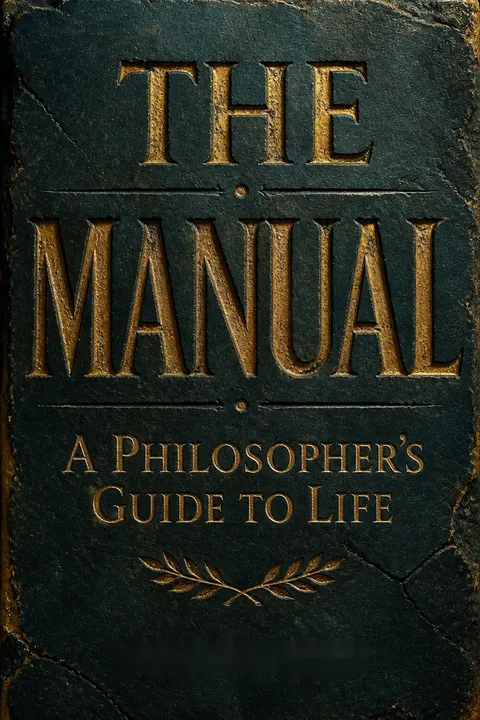
نکات کلیدی
۱. بر آنچه در کنترل شماست تمرکز کنید و از آنچه در کنترل شما نیست رها شوید
وقتی در حوزهی کنترل خود عمل میکنیم، بهطور طبیعی آزاد، مستقل و قوی هستیم. فراتر از این حوزه، ضعیف، محدود و وابسته میشویم.
حوزهی کنترل. افکار، نظرات و رفتارهای ما در دایرهی کنترل ما قرار دارند، درحالیکه شرایط بیرونی مانند شهرت، جایگاه اجتماعی و ویژگیهای جسمانی خارج از نفوذ ما هستند. با تمرکز بر آنچه در کنترل ماست، قدرت درونی و تابآوری خود را پرورش میدهیم.
آزادی از طریق پذیرش. رها کردن وابستگی به چیزهایی که در کنترل ما نیستند، به آرامش و رضایت درونی میانجامد. این به معنای انفعال نیست، بلکه بهمعنای هدایت انرژی به سمت حوزههایی است که میتوانیم تأثیر واقعی بگذاریم. با پذیرش آنچه نمیتوانیم تغییر دهیم، خود را از استرس و ناامیدیهای بیمورد آزاد میکنیم.
۲. خواستهها و بیزاریها آرامش ذهنی ما را شکل میدهند
خواسته، رسیدن به آنچه میخواهی را طلب میکند و بیزاری، اجتناب از آنچه دوست نداری را میطلبد. کسانی که به خواستههایشان نمیرسند ناامید میشوند و کسانی که به آنچه دوست ندارند میرسند، رنج میبرند.
مدیریت خواستهها. خواستهها و بیزاریهای ما تأثیر قابلتوجهی بر سلامت عاطفی ما دارند. با بررسی دقیق و تعدیل خواستههایمان، میتوانیم ناامیدی و رنج را کاهش دهیم.
رویکرد عملی. برای حفظ آرامش درونی:
- بیزاریها را به چیزهایی محدود کنید که در کنترل شما هستند
- خواستهها را تا زمانی که بر خودکنترلی مسلط نشدهاید، موقتا به تعویق بیندازید
- در مواجهه با مسائل بیرونی، با آرامش و تدبیر عمل کنید و از شتابزدگی بپرهیزید
۳. با انتظارات واقعبینانه برای چالشهای زندگی آماده شوید
هنگام آماده شدن برای هر کاری، طبیعت آن کار را به خود یادآوری کنید.
پیشبینی موانع. با آمادهسازی ذهنی برای چالشهای احتمالی، میتوانیم هنگام مواجهه با مشکلات خونسردی خود را حفظ کنیم. این به معنای بدبینی نیست، بلکه توسعهی نگرشی واقعبینانه است.
کاربرد عملی:
- پیش از رویدادهای مهم، سناریوهای ممکن را تجسم کنید
- تعهد خود به آرامش درونی را به خود یادآوری کنید
- با ذهنی انعطافپذیر و آمادهی سازگاری به موقعیتها نزدیک شوید
۴. افکار و تفسیرهای منفی را بازسازی کنید
مردم نه بهخاطر خودِ چیزها، بلکه بهخاطر دیدگاههایی که نسبت به آنها دارند، ناراحت میشوند.
قدرت دیدگاه. تفسیرهای ما از رویدادها، نه خود رویدادها، واکنشهای عاطفی ما را تعیین میکنند. با بازسازی افکارمان، میتوانیم تجربهها و واکنشهایمان را بهطور چشمگیری تغییر دهیم.
بازسازی شناختی:
- افکار منفی خودکار را به چالش بکشید
- به دنبال توضیحات جایگزین باشید
- بر آنچه میتوانید از موقعیتهای چالشبرانگیز بیاموزید یا چگونه رشد کنید تمرکز کنید
- با تمرین شکرگزاری، توجه خود را از آنچه نادرست است به آنچه درست است معطوف کنید
۵. فضایل درونی را بر تأیید بیرونی ترجیح دهید
از داراییها و دستاوردهایی که متعلق به خودتان نیستند، رضایت نگیرید.
ارزش واقعی خود. رضایت حقیقی از پرورش شخصیت و زندگی در هماهنگی با ارزشهایمان حاصل میشود، نه از داراییها یا موفقیتهای بیرونی که نمیتوانیم آنها را بهطور کامل متعلق به خود بدانیم.
تمرکز درونی:
- فضایل شخصی مانند صداقت، همدلی و حکمت را شناسایی و پرورش دهید
- اهداف خود را بر اساس رشد فردی و نه انتظارات اجتماعی تعیین کنید
- پیشرفت در بهبود خود را جشن بگیرید، نه فقط موفقیتهای ظاهری
- با خوداندیشی، انگیزهها و ارزشهای خود را بهتر بشناسید
۶. خودانضباطی و میانهروی را تمرین کنید
لذت جنسی را تنها در چارچوب ازدواج خود تجربه کنید؛ اما خود را برتر اخلاقی ندانید و به کسانی که خلاف این رفتار میکنند، نگاه تحقیرآمیز نداشته باشید.
زندگی متعادل. اپیکتتوس ضمن تأکید بر خودانضباطی، اهمیت اجتناب از افراط و حفظ نگرش غیرقضاوتی نسبت به دیگران را یادآور میشود.
میانهروی عملی:
- نیازهای اساسی را بدون افراط برآورده کنید
- خودکنترلی را در جنبههای مختلف زندگی مانند خوردن، نوشیدن و سرگرمی پرورش دهید
- از نگرشهای اخلاقیگرایانه که ممکن است به تکبر یا جدایی از دیگران منجر شود، پرهیز کنید
- تلاش کنید رفتار عمومی و خصوصیتان هماهنگ باشد
۷. با عمل خود رهبری کنید، نه با موعظه
خود را فیلسوف معرفی نکنید و اصول خود را موعظه نکنید. آنها را با عمل نشان دهید.
عمل برتر از سخن. حکمت واقعی از طریق رفتار نشان داده میشود، نه از طریق اعلامیهها. با زندگی کردن اصول خود بهصورت آرام و مستمر، دیگران را بهتر از موعظه و نصیحت الهام میبخشیم.
رهبری فروتنانه:
- بر رشد شخصی تمرکز کنید نه نمایش دانش
- در گفتگوها فعالانه گوش دهید و سوالات سنجیده بپرسید
- اجازه دهید دیگران از رفتار شما نتیجهگیری کنند
- از خودبزرگبینی و برتری اخلاقی پرهیز کنید
۸. مرگپذیری خود را بپذیرید و هدفمند زندگی کنید
همواره به خود یادآوری کنید که موجودی فانی هستید و روزی خواهید مرد. این به شما انگیزه میدهد که وقت گرانبهای خود را در فعالیتهای بیثمر مانند دلخوریها و حرص به داراییها تلف نکنید.
یادآوری مرگ. به یاد داشتن فناپذیریمان میتواند محرکی قوی برای زندگی هدفمند و تمرکز بر آنچه واقعاً اهمیت دارد باشد.
زندگی هدفمند:
- بهطور منظم به محدودیت زمانی زندگی خود بیندیشید
- فعالیتها و روابطی را که با ارزشهایتان همسو هستند در اولویت قرار دهید
- دلخوریهای کوچک و وابستگیهای مادی را رها کنید
- انتخابهای آگاهانه دربارهی نحوهی صرف وقت و انرژی خود داشته باشید
۹. در برابر خوششانسی و بدشانسی آرامش خود را حفظ کنید
آرزو نکنید که همه چیز برای شما خوب پیش برود، بلکه آرزو کنید که شما با همه چیز خوب کنار بیایید.
تابآوری عاطفی. به جای امید به شرایط مساعد، توانایی حفظ آرامش درونی را صرفنظر از رویدادهای بیرونی پرورش دهید.
تمرین آرامش:
- دیدگاه گستردهتری نسبت به فراز و نشیبهای زندگی داشته باشید
- ناپایداری شرایط مثبت و منفی را بشناسید
- بر واکنش خود به رویدادها تمرکز کنید نه کنترل نتایج
- با تمرین ذهنآگاهی در لحظهی حال باقی بمانید
۱۰. وظایف خود را با شرافت و صداقت انجام دهید
وظایف بر اساس روابط تعیین میشوند. اگر مردی پدرتان باشد، رابطه مستلزم شنیدن نصیحت او، پیروی از دستورهایش، صبورانه پذیرفتن اصلاحاتش و کمک به مراقبت از او در دوران پیری است.
اخلاق روابط. نقشها و روابط ما مسئولیتهای ذاتی دارند. انجام این وظایف با صداقت به رشد فردی و هماهنگی اجتماعی کمک میکند.
احترام به تعهدات:
- وظایف مرتبط با نقشهای مختلف خود (مانند عضو خانواده، شهروند، حرفهای) را شناسایی کنید
- تلاش کنید این تعهدات را فارغ از رفتار دیگران انجام دهید
- اصول خود را حتی در روابط دشوار حفظ کنید
- به دنبال درک و انجام روح وظایف خود باشید، نه صرفاً ظاهر آنها
خلاصه نقدها
کتاب «راهنما» نوشته اپیکتتوس بهخاطر حکمت موجز و عمیق خود در فلسفه رواقی مورد تحسین فراوان قرار گرفته است. خوانندگان از توصیههای جاودانه آن درباره تمرکز بر آنچه در کنترل خود داریم، پذیرش سرنوشت و پرورش آرامش درونی استقبال میکنند. بسیاری این اثر را خواندنی کوتاه اما عمیق میدانند که کاربردهای عملی فراوانی در زندگی مدرن دارد. برخی منتقدان به تکرار مکرر مطالب و گاه ایدههای قدیمی آن اشاره کردهاند، اما در مجموع، این کتاب بهخاطر تواناییاش در الهامبخشی به تغییرات معنادار و ارائه چارچوبی برای مواجهه با چالشهای زندگی بهشدت توصیه میشود.
دیگران نیز خواندهاند




سؤالات متداول
What's "The Manual: A Philosopher's Guide to Life" about?
- Stoic Philosophy: The book is a guide to Stoic philosophy, focusing on practical advice for achieving peace of mind and inner harmony.
- Control and Acceptance: It emphasizes understanding what is within our control and accepting what is not, to reduce suffering and increase contentment.
- Modern Relevance: Rendered in contemporary English, it connects ancient wisdom to modern self-help practices like cognitive behavioral therapy.
- Personal Growth: The text encourages personal responsibility for one's thoughts and actions, promoting a life of virtue and rationality.
Why should I read "The Manual: A Philosopher's Guide to Life"?
- Practical Wisdom: The book offers timeless advice that can be applied to everyday life to improve mental well-being.
- Self-Improvement: It provides tools for personal growth, helping readers to focus on what they can control and let go of what they cannot.
- Emotional Resilience: By adopting Stoic principles, readers can learn to manage emotions and reactions more effectively.
- Philosophical Insight: It offers a deep dive into Stoic philosophy, making it accessible and relevant for contemporary readers.
What are the key takeaways of "The Manual: A Philosopher's Guide to Life"?
- Sphere of Control: Focus on your own thoughts and actions, and release attachment to external factors beyond your control.
- Interpretation of Events: Understand that distress often comes from your interpretation of events, not the events themselves.
- Desire and Aversion: Avoid desiring things outside your control and apply aversion only to things within your power.
- Inner Peace: Achieving peace of mind involves nurturing positive thoughts and disregarding negative influences.
How does "The Manual" define what is within our power?
- Internal vs. External: The book distinguishes between internal elements like opinions, desires, and actions, and external elements like physical traits and social status.
- Freedom and Independence: By focusing on internal elements, one can achieve freedom and independence from external circumstances.
- Avoiding Suffering: Placing hopes on external factors leads to suffering, while focusing on internal control leads to peace.
- Path to Happiness: True happiness and contentment come from releasing attachment to things outside our control.
What advice does "The Manual" give on handling desires and aversions?
- Control Desires: Avoid desiring things that are not within your control to prevent disappointment.
- Focus Aversions: Direct aversions only towards things within your control to avoid unnecessary suffering.
- Practical Necessity: When external desires or aversions are necessary, act with deliberation rather than haste.
- Secure Sphere of Power: Newcomers to Stoicism should first secure their sphere of power before discerning worthy desires.
What does "The Manual" say about dealing with loss?
- Acceptance of Mortality: Recognize the mortality of loved ones and possessions to prepare for loss.
- Return to the Source: View loss as returning something to the Source, rather than losing it.
- Perspective on Loss: By accepting the nature of things, one can find strength to bear loss.
- Borrowed Time: Treat everything as borrowed, appreciating it while it lasts without clinging.
How does "The Manual" suggest we handle insults and provocations?
- Self-Reflection: Understand that it is your own opinion that provokes you, not the person insulting you.
- Regain Inner Peace: With time and perspective, you can regain peace by not being fooled by initial appearances.
- Blame No One: Mastery of philosophy involves blaming neither others nor oneself for emotional disturbances.
- Change of View: Altering your view of provocations can help maintain inner harmony.
What are some of the best quotes from "The Manual" and what do they mean?
- "Your condition is the result of your own opinions and interpretations." This highlights the Stoic belief that our reactions are shaped by our perceptions, not external events.
- "Do not be fooled by how things first appear." Encourages looking beyond initial impressions to maintain peace of mind.
- "If you wish to have peace and contentment, release your attachment to all things outside your control." Emphasizes the core Stoic principle of focusing on what is within one's power.
- "People are not disturbed by things themselves, but by the views they take of those things." Reinforces the idea that our mindset determines our emotional state.
How does "The Manual" relate to modern self-help practices?
- Foundation of Therapies: Stoic philosophy underpins modern approaches like cognitive behavioral therapy and positive psychology.
- Practical Application: The book offers practical advice that aligns with contemporary self-help methods for emotional regulation.
- Focus on Thoughts: Like modern therapies, it emphasizes changing thoughts to change emotional responses.
- Timeless Wisdom: The principles of Stoicism remain relevant and effective for personal development today.
What role does perspective play in "The Manual"?
- Interpretation of Events: Perspective determines how we interpret and react to events, influencing our emotional state.
- Inner Peace: By shifting perspective, one can maintain inner peace despite external circumstances.
- Preparation for Action: Anticipating the nature of actions and events helps in maintaining harmony and avoiding disturbance.
- Reality vs. Interpretation: Distinguishing between reality and personal interpretation is key to Stoic practice.
How does "The Manual" suggest we approach social interactions?
- Authenticity: Be the same person in public as in private, avoiding pretense and superficiality.
- Meaningful Conversation: Engage in conversations that are useful and beneficial, avoiding idle chatter and gossip.
- Politeness and Dignity: Maintain dignity in social settings, avoiding excessive revelry and self-promotion.
- Role Models: Model behavior after wise figures like Socrates, focusing on inner virtues rather than external validation.
What is the significance of the "sphere of power" in "The Manual"?
- Core Concept: The sphere of power is central to Stoic philosophy, emphasizing control over one's own thoughts and actions.
- Freedom and Independence: Operating within this sphere leads to true freedom and independence from external influences.
- Avoiding Disappointment: By focusing on what is within one's power, one can avoid disappointment and suffering.
- Path to Virtue: The sphere of power guides individuals toward a virtuous and harmonious life.
درباره نویسنده

دانلود PDF
دانلود EPUB
.epub digital book format is ideal for reading ebooks on phones, tablets, and e-readers.








































