نکات کلیدی
1. پسر گمشده: سفری به سوی خودشناسی و بازگشت
من پسر گمشدهام هر بار که به دنبال عشق بیقید و شرط در جایی میگردم که نمیتوان آن را یافت.
سفر جهانی. داستان پسر گمشده نمایانگر سفر انسانی است که شامل ترک خانه، گم شدن و در نهایت بازگشت میشود. این سفر تنها یک خروج فیزیکی نیست، بلکه یک سفر روحانی است که در آن به دنبال عشق و رضایت در مکانهایی هستیم که هرگز نمیتوانند ما را به طور واقعی راضی کنند.
لحظهی آگاهی. نقطهی عطف زمانی است که ما "به خود میآییم" و هویت واقعیمان را به عنوان فرزندان محبوب خدا شناسایی میکنیم. این بیداری اغلب در تاریکترین لحظات زندگیمان رخ میدهد، زمانی که تمام گزینههای دیگر را امتحان کردهایم و در نهایت درک میکنیم که نیازهای عمیقمان تنها با بازگشت به خانهی روحانیمان برآورده میشود.
شجاعت برای بازگشت. بازگشت به خانه نیاز به شجاعت و تواضع دارد. این به معنای رها کردن هویتهای کاذب، اعتراف به اشتباهات و اعتماد به عشقی است که به نظر میرسد بیش از حد خوب است. سفر بازگشت دربارهی کسب بخشش نیست، بلکه دربارهی پذیرش عشق بیقید و شرطی است که همیشه در انتظار ما بوده است.
2. پسر بزرگتر: غلبه بر کینه و یافتن همدلی
گمشدگی "قدیس" کینهتوز به سختی قابل دسترسی است، زیرا به شدت با تمایل به خوب و virtuous بودن گره خورده است.
مبارزهی پنهان. پسر بزرگتر نمایانگر مبارزه کسانی است که همیشه سعی کردهاند کار درست را انجام دهند اما کینه و حسادت عمیقی در دل دارند. این تعارض درونی اغلب از تخلفات واضح پسر کوچکتر دشوارتر است.
رهایی از مقایسه. کینهی پسر بزرگتر ناشی از ذهنیت مقایسه و رقابت است. برای غلبه بر این، باید یاد بگیریم که عشق غیرمقایسهای خدا را بپذیریم و درک کنیم که هر فرد به طور منحصر به فردی ارزشمند و محبوب است.
راه به سوی آزادی. آزادی واقعی از رها کردن نیاز به شناخت و پذیرش شکرگزاری به دست میآید. با انتخاب جشن گرفتن شادی دیگران به جای کینهورزی، میتوانیم از زندان خودساختهمان رها شویم و از عشق کامل خدا بهرهمند شویم.
3. عشق بیقید و شرط پدر: الگویی از همدلی الهی
این است خدایی که میخواهم به آن ایمان داشته باشم: پدری که از آغاز آفرینش، دستانش را در برکت رحمت گشوده است، هرگز خود را بر کسی تحمیل نمیکند، اما همیشه در انتظار است؛ هرگز دستانش را در ناامیدی پایین نمیآورد، اما همیشه امیدوار است که فرزندانش بازگردند تا بتواند کلمات عشق را به آنها بگوید و دستان خستهاش را بر شانههایشان بگذارد.
ماهیت عشق الهی. پدر در مثل، عشق بیقید و شرط خدا را تجسم میکند که:
- صبور و منتظر است
- بدون انتظار بازگشت به طور آزادانه داده میشود
- به طور برابر برای همه فرزندان فراوان است
- ترمیمکننده و شفا دهنده است
شکستن انتظارات انسانی. این عشق به چالش میکشد تصورات انسانی ما از عدالت و انصاف. این عشق امتیاز نمیگیرد و تقاضای مجازات نمیکند، بلکه به طور آزادانه ترمیم و جشن را ارائه میدهد.
دعوت به تقلید. عیسی ما را دعوت میکند تا این عشق را در زندگی خود تجسم کنیم و "همدرد باشید همانطور که پدر شما همدرد است." این عشق رادیکال به سنگ بنای تحول روحانی ما تبدیل میشود.
4. نقاشی رمبراند: نمایشی بصری از تحول روحانی
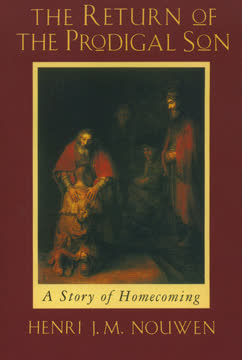
نقاشی رمبراند در طول این زمان بسیار نزدیک به من بوده است. من آن را بارها جابهجا کردهام: از دفترم به کلیسا، از کلیسا به اتاق نشیمن دیسپریگ (خانهی دعا در دیبریک)، و از اتاق نشیمن دیسپریگ به کلیسا.
همراهی مادامالعمر. نقاشی "بازگشت پسر گمشده" رمبراند بیشتر از یک نقاشی است؛ این اثر به عنوان راهنمای روحانی و آینهای برای خوداندیشی عمل میکند. قدرت آن در تواناییاش برای نمایاندن جنبههای مختلف سفر روحانی است که در طول زندگیمان به آن بازمیگردیم.
الهیات بصری. این نقاشی حقایق عمیق روحانی را از طریق عناصر بصریاش منتقل میکند:
- دستان پدر: یکی مردانه و قوی، دیگری زنانه و لطیف، که تجسم کامل عشق خداست
- تضاد بین نور و تاریکی: نماد سفر روحانی از گمشدگی به بازگشت به خانه
- تماشاگران: نمایانگر سفر خود ما از ناظر به شرکتکننده در عشق خدا
تحول شخصی. هنگامی که با این نقاشی درگیر میشویم، دعوت میشویم تا خود را در هر شخصیت ببینیم – پسر گمشده، پسر بزرگتر و در نهایت، پدر – که رشد و تحول روحانی خود را منعکس میکند.
5. تبدیل شدن به پدر: بزرگترین سفر روحانی
بازگشت به پدر در نهایت چالشی است برای تبدیل شدن به پدر.
فراتر از فرزند بودن. سفر روحانی با تجربهی عشق خدا به عنوان پسر یا دختر پایان نمییابد. دعوت نهایی این است که به پدری یا مادری روحانی تبدیل شویم و همدلی خدا را برای دیگران تجسم کنیم.
تحول رادیکال. این تغییر نیازمند:
- حرکت از جستجوی عشق به بخشیدن آن به طور آزادانه
- رها کردن نیاز به کنترل و شناخت
- پذیرش آسیبپذیری عشق بیقید و شرط
چالش بلوغ روحانی. تبدیل شدن به پدر به معنای مواجهه با ترسها، ناامنیها و محدودیتهای خود است. این ما را به جایی از بلوغ روحانی میکشاند که مسئولیت ارائهی عشق خدا به دیگران را بر عهده میگیریم، حتی زمانی که این کار دشوار یا پرهزینه است.
6. چالش پدری روحانی: غم، بخشش و سخاوت
غم، بخشش و سخاوت، سه راهی هستند که تصویر پدر میتواند در من رشد کند.
غم به عنوان یک مسیر. پدری روحانی از ما میخواهد که برای شکستگیهای جهان و مشارکت خود در آن غمگین شویم. این غم قلبهای ما را به همدلی واقعی و همبستگی با دیگران باز میکند.
انضباط بخشش. بخشش واقعی به معنای رها کردن نیاز به عذرخواهی، توضیحات یا تغییر در شخص دیگر است. این یک انتخاب برای ارائهی عشق به طور آزادانه است، همانطور که ما نیز به طور آزادانه دوست داشته شدهایم.
سخاوت بدون محدودیت. پدری روحانی ما را به این دعوت میکند که خود را به طور کامل ببخشیم، بدون اینکه چیزی در عوض بخواهیم. این سخاوت رادیکال عشق بیپایان خدا را منعکس میکند و خانوادهای را که به آن ایمان داریم، ایجاد میکند.
7. بازگشت به خانه: پذیرش هویت واقعیمان به عنوان محبوب خدا
از دیدگاه خدا، یک عمل پنهان توبه، یک اشاره کوچک از عشق بیقید و شرط، یک لحظهی واقعی بخشش کافی است تا خدا را از تختش به سوی پسر بازگشتکنندهاش بکشاند و آسمانها را با صداهای شادی الهی پر کند.
قلب انجیل. در اصل، مثل پسر گمشده حقیقت بنیادی هویت ما را نمایان میکند: ما فرزندان محبوب خدا هستیم که به طور بیقید و شرط دوست داشته میشویم و به خانه خوشآمد گفته میشویم.
زندگی از هویت واقعیمان. پذیرش این هویت نحوهی دیدن خود و دیگران را تغییر میدهد:
- دیگر نیازی به اثبات ارزش خود نداریم
- میتوانیم از مقایسه و رقابت رها شویم
- آزاد میشویم تا دیگران را همانطور که دوست داشته شدهایم، دوست بداریم
بازگشت مداوم. بازگشت به خانه یک رویداد یکباره نیست، بلکه یک فرآیند مادامالعمر از بازگشت به حقیقت آنچه هستیم در خداست. هر بار که انتخاب میکنیم به جای ترس، اعتماد کنیم، به جای کینه، بخشش کنیم و به جای بیتفاوتی، عشق بورزیم، در جشن الهی بازگشت شرکت میکنیم.
خلاصه نقدها
کتاب بازگشت پسر گمشده به دلیل بینشهای عمیقش در مورد تمثیل کتاب مقدس و نقاشی رامبراند بسیار مورد تحسین قرار گرفته است. خوانندگان از تأملات شخصی نوون، بررسی نقشهای پسر کوچکتر، پسر بزرگتر و پدر و چگونگی ارتباط آنها با رشد معنوی قدردانی میکنند. بسیاری این کتاب را بسیار تأثیرگذار، تحولآفرین و قابلاستفاده در زندگی خود میدانند. سبک نوشتاری نوون بهعنوان گرم، آسیبپذیر و متقاعدکننده توصیف شده است. این کتاب بهعنوان منبعی ارزشمند برای درک عشق و رحمت خدا و برای توسعه معنوی شخصی دیده میشود.
دیگران نیز خواندهاند




سؤالات متداول
What's "Return of the Prodigal Son" by Henri J.M. Nouwen about?
- Exploration of a Parable: The book is a spiritual reflection on the parable of the prodigal son, focusing on the themes of homecoming, forgiveness, and reconciliation.
- Personal Journey: Nouwen shares his personal journey of identifying with the younger son, the elder son, and ultimately the father, as depicted in Rembrandt's painting.
- Spiritual Insights: It delves into the spiritual insights gained from contemplating the painting and the parable, emphasizing the boundless love and compassion of God.
- Art and Spirituality: The book intertwines art and spirituality, using Rembrandt's painting as a lens to explore deeper theological and existential questions.
Why should I read "Return of the Prodigal Son" by Henri J.M. Nouwen?
- Deep Spiritual Reflection: The book offers profound insights into the nature of God's love and forgiveness, making it a valuable read for those seeking spiritual growth.
- Personal Transformation: Nouwen's personal journey and reflections encourage readers to examine their own lives and spiritual journeys.
- Artistic Interpretation: It provides a unique perspective by combining art analysis with spiritual reflection, appealing to those interested in both fields.
- Universal Themes: The themes of homecoming, forgiveness, and compassion are universal, resonating with readers from various backgrounds and beliefs.
What are the key takeaways of "Return of the Prodigal Son" by Henri J.M. Nouwen?
- God's Unconditional Love: The book emphasizes the boundless and unconditional love of God, who welcomes all his children back home.
- Role of the Father: Nouwen highlights the importance of becoming like the father in the parable, embodying compassion and forgiveness.
- Personal Identification: Readers are encouraged to identify with the younger son, the elder son, and the father, reflecting on their own spiritual journeys.
- Art as a Spiritual Tool: The book demonstrates how art can be a powerful tool for spiritual reflection and understanding.
How does Henri J.M. Nouwen interpret the roles of the younger and elder sons in "Return of the Prodigal Son"?
- Younger Son's Journey: Nouwen sees the younger son as a symbol of human waywardness and the journey back to God, emphasizing repentance and return.
- Elder Son's Struggle: The elder son represents resentment and self-righteousness, highlighting the difficulty of accepting God's unconditional love.
- Personal Reflection: Nouwen identifies with both sons, using their stories to reflect on his own spiritual struggles and growth.
- Call to Transformation: The book calls readers to move beyond the roles of the sons and embrace the compassionate nature of the father.
What is the significance of Rembrandt's painting in "Return of the Prodigal Son" by Henri J.M. Nouwen?
- Visual Meditation: The painting serves as a visual meditation on the parable, offering insights into the characters and their spiritual journeys.
- Artistic Interpretation: Nouwen uses the painting to explore themes of forgiveness, compassion, and divine love, seeing it as a reflection of God's nature.
- Personal Connection: The painting deeply moved Nouwen, prompting his own spiritual journey and reflections shared in the book.
- Symbolic Elements: Nouwen analyzes the symbolic elements of the painting, such as the father's hands and the contrasting figures of the sons, to draw spiritual lessons.
How does Henri J.M. Nouwen describe the father's role in "Return of the Prodigal Son"?
- Embodiment of Compassion: The father is portrayed as the embodiment of divine compassion, welcoming both sons with unconditional love.
- Call to Fatherhood: Nouwen emphasizes the call for individuals to become like the father, offering forgiveness and love to others.
- Central Figure: The father is the central figure in both the parable and the painting, representing God's desire for reconciliation and joy.
- Beyond Human Limitations: The father's love transcends human limitations, offering a model for how to live a life of compassion and generosity.
What are the best quotes from "Return of the Prodigal Son" by Henri J.M. Nouwen and what do they mean?
- "You are my Beloved, on you my favor rests." This quote emphasizes the core message of God's unconditional love for each individual.
- "Be compassionate as your Father is compassionate." It highlights the call to emulate God's compassion in our own lives.
- "The Father’s love does not force itself on the beloved." This reflects the idea that God's love is freely given and must be freely received.
- "The journey from teaching about love to allowing myself to be loved proved much longer than I realized." Nouwen shares his personal struggle to accept God's love, a journey many readers may relate to.
How does "Return of the Prodigal Son" by Henri J.M. Nouwen address the theme of forgiveness?
- Central to the Parable: Forgiveness is a central theme, with the father's unconditional forgiveness serving as a model for readers.
- Personal Reflection: Nouwen reflects on his own need for forgiveness and the difficulty of forgiving others, drawing parallels to the elder son.
- Divine Example: The book emphasizes that true forgiveness is a divine act, requiring us to let go of resentment and embrace compassion.
- Path to Healing: Forgiveness is presented as a path to healing and reconciliation, both with God and with others.
What spiritual practices does Henri J.M. Nouwen recommend in "Return of the Prodigal Son"?
- Contemplation of Art: Nouwen suggests using art, like Rembrandt's painting, as a tool for spiritual reflection and meditation.
- Embracing Silence: He emphasizes the importance of silence and solitude in hearing God's voice and experiencing His love.
- Practicing Compassion: The book encourages readers to practice compassion and forgiveness in their daily interactions.
- Living in Gratitude: Nouwen highlights the discipline of gratitude as a way to recognize and celebrate God's gifts.
How does "Return of the Prodigal Son" by Henri J.M. Nouwen explore the concept of homecoming?
- Spiritual Homecoming: The book portrays homecoming as a return to God's love and acceptance, a central theme of the parable.
- Personal Journey: Nouwen shares his own journey of returning to God, using the parable as a framework for understanding spiritual homecoming.
- Invitation to All: The book invites readers to see themselves in the story and to embark on their own journey of homecoming.
- Celebration of Return: Homecoming is depicted as a joyful celebration, reflecting God's delight in welcoming His children back.
What role does community play in "Return of the Prodigal Son" by Henri J.M. Nouwen?
- L'Arche Community: Nouwen's experience with the L'Arche community plays a significant role in his reflections, offering a real-life example of living out the parable's themes.
- Support and Challenge: Community is seen as both a support and a challenge, helping individuals confront their own spiritual struggles.
- Place of Healing: The community provides a space for healing and reconciliation, embodying the father's welcoming embrace.
- Model of Compassion: Nouwen views community as a model for practicing compassion and forgiveness, essential elements of the spiritual journey.
How does "Return of the Prodigal Son" by Henri J.M. Nouwen address the struggle between resentment and gratitude?
- Elder Son's Resentment: The book explores the elder son's resentment as a barrier to experiencing God's love and joy.
- Choice of Gratitude: Nouwen emphasizes the importance of choosing gratitude over resentment, seeing it as a path to spiritual freedom.
- Personal Struggle: He shares his own struggles with resentment and the transformative power of gratitude in his life.
- Invitation to Joy: The book invites readers to embrace gratitude as a way to participate in the joy of God's Kingdom.