نکات کلیدی
۱. تفکر نقادانه، تفکری هدفمند و دستی است که با چارچوبی ساختاریافته انجام میشود
تفکر نقادانه، تفکری دستی است نه خودکار.
تفکر دستی در برابر تفکر خودکار. تفکر نقادانه مستلزم آن است که آگاهانه از حالت پیشفرض خودکار ذهن به سوی حالتی هدفمند و دستی حرکت کنیم. این فرآیند شامل موارد زیر است:
- آگاهی از روندهای فکری خود
- پرسش دربارهی فرضیات و تعصبات
- بهکارگیری ابزارها و تکنیکهای خاص
چارچوب تفکر نقادانه از سه بخش اصلی تشکیل شده است:
۱. وضوح: تعریف و درک مسئله
۲. نتیجهگیری: تولید راهحلهای ممکن
۳. تصمیمگیری: انتخاب و اجرای مسیر عمل
با پیروی از این رویکرد ساختاریافته، میتوانیم مهارتهای حل مسئله و تصمیمگیری خود را در زمینههای مختلف شخصی و حرفهای بهبود بخشیم.
۲. وضوح اهمیت فراوانی دارد: پیش از تلاش برای حل مسئله، آن را تعریف کنید
مهمترین دلیل شکست پروژهها، ابتکارات، حل مسئله، تصمیمات یا استراتژیها این است که خود مسئله یا هدف بهدرستی مشخص نیست.
ابزارهای دستیابی به وضوح. برای روشن شدن مسئله یا هدف، از این ابزارهای تفکر نقادانه استفاده کنید:
- بررسی: واژگان کلیدی را تعریف و بررسی کنید
- چرا؟: عمیقتر کاوش کنید تا علل ریشهای را بیابید
- پس چه؟: اهمیت و پیامدها را شناسایی کنید
- نیاز: ضرورت حل مسئله را تعیین کنید
- تفکر پیشبینانه: پیامدهای احتمالی را در نظر بگیرید
- چه چیز دیگری؟: توضیحات یا راهحلهای جایگزین را بررسی کنید
- نمودار مؤلفهها: متغیرهای مؤثر بر مسئله را ترسیم کنید
- چشمانداز: وضعیت مطلوب نهایی را توصیف کنید
با صرف وقت برای وضوح در ابتدا، میتوانید از هدررفت تلاش و منابع در مراحل بعدی جلوگیری کنید. تعریف دقیق مسئله امکان ارائه راهحلهای متمرکز و مؤثرتر را فراهم میآورد.
۳. فرضیه پایه و اساس تمام نتیجهگیریها است
همه چیز به فرضیه بستگی دارد!
اجزای فرضیه. فرضیه از پنج عنصر کلیدی تشکیل شده است:
۱. حقایق: واقعیتهای مطلق
۲. مشاهدات: اطلاعات بهدستآمده از منابع خارجی
۳. تجربیات: دانش شخصی و مستقیم
۴. باورها: ارزشها و تعصبات بنیادین
۵. فرضیات: حدسهای آگاهانه مبتنی بر موارد فوق
این اجزا در کنار هم پایهای برای نتیجهگیریهای ما میسازند. با بررسی و تقویت هر یک از این عناصر، میتوانیم کیفیت و اعتبار تفکر و تصمیمگیری خود را ارتقا دهیم.
۴. حقایق، مشاهدات و تجربیات، فرضیات و باورهای ما را شکل میدهند
فرضیات از حقایق، مشاهدات و تجربیات شکل میگیرند.
ساخت فرضیات قوی. برای توسعه فرضیات قابل اعتماد:
- حقایق را از مشاهدات و تجربیات تمییز دهید
- اعتبار منابع اطلاعاتی را ارزیابی کنید
- دیدگاهها و تجربیات متنوع را جستجو کنید
- تعصبات شخصی را بشناسید و به چالش بکشید
توجه داشته باشید که استدلال استقرایی قوی مبتنی بر تجربه گسترده گاهی میتواند به «تفکر کهنه» منجر شود و توانایی ما را در پذیرش احتمالات جدید محدود کند. برای مقابله با این موضوع:
- با افراد کمتجربهتر همکاری کنید تا دیدگاههای تازه به دست آورید
- بهطور فعال به دنبال اطلاعات و تجربیات نو باشید
- فرضیات و باورهای دیرینه را به چالش بکشید
با بررسی آگاهانه بنیانهای فرضیات، میتوانیم کیفیت کلی تفکر و فرآیندهای تصمیمگیری خود را بهبود بخشیم.
۵. فرضیات قوی به نتیجهگیریها و تصمیمات مطمئن منجر میشوند
هرچه فرضیه قویتر باشد، نتیجهگیری قابل اعتمادتر و اعتماد شما به آن بیشتر خواهد بود.
تقویت فرضیات. برای ساخت فرضیات قویتر:
۱. حقایق را تأیید و اعتبار مشاهدات را ارزیابی کنید
۲. اطلاعات سازگار از منابع متعدد جمعآوری کنید
۳. تجربیات مرتبط کسب کنید یا با کارشناسان مشورت نمایید
۴. باورها و تعصبات شخصی را بررسی و به چالش بکشید
۵. فرضیات را از طریق آزمایش یا پژوهشهای بیشتر اعتبارسنجی کنید
ابزارهای ارزیابی قدرت فرضیه:
- اعتبار: سنجش قابلیت اعتماد منابع اطلاعاتی
- سازگاری: جستجوی هماهنگی میان اجزای فرضیه
- تفکر مثلثی: بررسی مسئله از زوایای مختلف
با تمرکز بر ساخت فرضیات قوی، میتوانیم اعتماد به نفس خود در نتیجهگیریها را افزایش داده و تصمیمات مؤثرتری اتخاذ کنیم.
۶. نوآوری مستلزم فراتر رفتن از مرزهای تفکر سنتی است
برای تفکر خارج از چارچوب، باید بپذیرید که چارچوب محدود به فرضیه شماست.
تکنیکهای تفکر نوآورانه:
۱. تفکر خارج از چارچوب:
- فرضیات و مرزها را به چالش بکشید
- پرسشهای «اگر چه؟» و «چه چیز دیگری؟» را مطرح کنید
۲. تفکر استقرایی:
- حدسهای آگاهانه بر اساس دانش بدون تجربه مستقیم
- ترکیب تخصص با دیدگاههای تازه
۳. تفکر ناممکن:
- تصور حل نسخهای غیرممکن از مسئله
- استفاده از سناریوهای غیرمعمول برای تولید ایدههای نو
این تکنیکها به شکستن الگوهای فکری مرسوم و خلق راهحلهای خلاقانه کمک میکنند. با آگاهانه فراتر رفتن از مرزهای ذهنی معمول، میتوانیم رویکردهای نوآورانهای برای مسائل پیچیده بیابیم.
۷. تصمیمگیری مؤثر بر معیارهای روشن و ارزیابی ریسک متکی است
تصمیمات نیازمند فهرستی از معیارها برای انتخاب هستند.
اجزای کلیدی تصمیمگیری:
۱. چه کسی: تعیین تصمیمگیرنده
۲. نیاز: درک ضرورت تصمیم
۳. چه زمانی: تعیین زمانبندی تصمیم
۴. معیارها: تعریف شرایط خاص برای تأیید
۵. ریسک: ارزیابی مزایا و معایب احتمالی
عوامل ارزیابی ریسک:
- پیامد منفی: نتایج احتمالی نامطلوب
- احتمال: میزان وقوع نتایج منفی
- قابلیت بازگشت: امکان لغو تصمیم
- گزینههای جایگزین: سایر راهکارهای موجود
- تجربه: دانش قبلی در شرایط مشابه
- آمادگی: توانایی مدیریت پیامدها
- زمان: فوریت تصمیم
با ارزیابی نظاممند این عوامل، تصمیمگیرندگان میتوانند انتخابهای آگاهانهتری داشته و ریسکهای احتمالی را بهتر مدیریت کنند. معیارهای روشن و ارزیابی دقیق ریسک به تصمیمات مطمئنتر و مؤثرتر منجر میشود.
خلاصه نقدها
کتاب «تفکر هوشمندانه» با نظرات متفاوتی روبهرو شده است و میانگین امتیاز آن ۳.۷۸ از ۵ است. بسیاری از خوانندگان این کتاب را در بهبود مهارتهای تفکر انتقادی مفید میدانند و از مثالها و ابزارهای عملی آن تمجید میکنند. ساختار کتاب و بخش مربوط به وضوح مطالب بهویژه مورد استقبال قرار گرفتهاند. با این حال، برخی نقدها آن را بیش از حد ساده یا بدیهی میدانند، بهویژه برای کسانی که با مفاهیم تفکر انتقادی آشنایی قبلی دارند. نظرات مثبت بیشتر بر کاربردی بودن کتاب در زمینههای کسبوکار و حل مسئله تأکید دارند، در حالی که نظرات منفی معتقدند کتاب از عمق کافی برخوردار نیست یا اطلاعات جدید چندانی ارائه نمیدهد. در مجموع، دیدگاهها بسته به تجربهی پیشین خوانندگان با تفکر انتقادی بسیار متفاوت است.
دیگران نیز خواندهاند
 فراگیر
سؤالات متداول
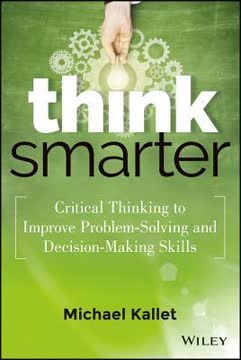
What's "Think Smarter: Critical Thinking to Improve Problem-Solving and Decision-Making Skills" about?
- Purpose of the Book: "Think Smarter" by Michael Kallet is designed to enhance problem-solving and decision-making skills through critical thinking. It provides a framework and tools to think more effectively.
- Framework Introduction: The book introduces a three-step critical thinking process: Clarity, Conclusions, and Decisions, which guides readers in addressing complex problems.
- Real-World Application: It focuses on practical, real-world tools and techniques rather than theoretical concepts, making it applicable for business professionals.
- Goal of the Book: The ultimate aim is to help individuals and organizations improve their overall performance by applying critical thinking to everyday challenges.
Why should I read "Think Smarter"?
- Improve Problem-Solving: The book offers tools to enhance your ability to solve problems effectively, which is crucial in both personal and professional settings.
- Decision-Making Skills: It provides strategies to make better decisions by understanding and evaluating different perspectives and assumptions.
- Practical Tools: Unlike theoretical texts, "Think Smarter" offers pragmatic tools and exercises that can be immediately applied to real-world situations.
- Broaden Perspectives: It encourages thinking outside the box and challenges existing assumptions, leading to more innovative solutions.
What are the key takeaways of "Think Smarter"?
- Critical Thinking Framework: The book emphasizes a structured approach to critical thinking, involving clarity, conclusions, and decisions.
- Importance of Clarity: Getting clear on the problem is crucial to avoid solving the wrong issue, which is a common pitfall in problem-solving.
- Role of Assumptions: Understanding and questioning assumptions is vital for reaching sound conclusions and making informed decisions.
- Innovation Techniques: The book introduces methods like outside-the-box thinking and abductive thinking to foster creativity and innovation.
How does Michael Kallet define critical thinking in "Think Smarter"?
- Manual Thinking: Critical thinking is described as manual, purposeful thinking, distinct from automatic thinking, which often involves biases and assumptions.
- Process-Oriented: It is a structured process that involves understanding a situation, reaching a conclusion, and taking action.
- Tool Set: Critical thinking uses a specific set of tools and techniques to guide effective thinking and problem-solving.
- Awareness of Biases: It involves being aware of the partiality of one's thinking and striving to minimize biases in decision-making.
What is the "Clarity" step in the critical thinking framework of "Think Smarter"?
- Understanding the Problem: Clarity involves getting a clear understanding of the issue, problem, or goal to ensure you're addressing the right problem.
- Tools for Clarity: The book provides tools like inspection, asking "why," and "so what" to help achieve clarity.
- Avoiding Missteps: Spending time on clarity helps avoid solving the wrong problem, which can lead to wasted resources and effort.
- Foundation for Solutions: Clarity is the foundation for developing effective solutions and making informed decisions.
How does "Think Smarter" suggest handling assumptions?
- Question Assumptions: The book advises questioning assumptions to ensure they are valid and not based on outdated or incorrect information.
- Foundation of Conclusions: Assumptions form the basis of conclusions, so it's crucial to understand and validate them.
- Critical Thinking Mode: In critical thinking, assumptions are not taken for granted; they are examined and tested for validity.
- Impact on Decisions: Validating assumptions strengthens the premise, leading to more reliable and confident decision-making.
What role do beliefs play in the critical thinking process according to "Think Smarter"?
- Core Values: Beliefs are described as core values that influence every conclusion and decision we make.
- Filter for Conclusions: They act as a filter through which we interpret facts, observations, and experiences.
- Acknowledge Differences: The book emphasizes acknowledging different beliefs when working with others to reach a consensus.
- Influence on Outcomes: Understanding how beliefs influence decisions can lead to more thoughtful and effective problem-solving.
How does "Think Smarter" address the concept of risk in decision-making?
- Risk Factors: The book introduces an 11-factor model to evaluate risk, including downside, probability, and controllability.
- Criteria for Decisions: Risk is a key criterion in decision-making, influencing whether to proceed with a particular action.
- Understanding Risk: By analyzing risk factors, individuals can better understand potential downsides and make informed decisions.
- Mitigation Strategies: The book suggests developing mitigation strategies to minimize the impact of potential risks.
What are some of the best quotes from "Think Smarter" and what do they mean?
- "There’s always a way." This quote emphasizes persistence and the belief that solutions exist for every problem, encouraging a proactive approach.
- "Knowledge is power." Highlighting the importance of knowledge in making informed decisions, this quote underscores the value of continuous learning.
- "Critical thinking isn’t about making people smarter; it’s about using a set of tools and techniques to think in a more effective way." This quote clarifies that critical thinking enhances the application of intelligence rather than increasing IQ.
- "The single biggest reason why projects, initiatives, and goals fail is the headscratcher wasn’t clear in the first place." It stresses the importance of clarity in problem-solving to avoid missteps and inefficiencies.
How does "Think Smarter" suggest fostering innovation?
- Outside-the-Box Thinking: The book encourages challenging existing assumptions and exploring new possibilities to foster innovation.
- Abductive Thinking: It introduces abductive thinking as a method of making educated guesses based on knowledge rather than experience.
- Impossible Thinking: By considering seemingly impossible solutions, the book suggests that new, innovative ideas can emerge.
- Creative Problem-Solving: These techniques aim to generate creative solutions that go beyond traditional problem-solving methods.
What is the role of a Thinking Coach in "Think Smarter"?
- Facilitator of Clarity: A Thinking Coach helps others achieve clarity by asking questions and guiding them through the critical thinking process.
- Non-Judgmental Role: The coach refrains from giving advice or opinions, focusing solely on helping others think critically.
- Encourages Independent Thinking: By not providing solutions, the coach encourages individuals to develop their own problem-solving skills.
- Valuable in Leadership: The role is particularly useful for leaders and managers who want to foster a culture of critical thinking within their teams.
What are the practical applications of "Think Smarter" in a business context?
- Improved Decision-Making: The book's tools and techniques can be applied to make more informed and effective business decisions.
- Enhanced Problem-Solving: By achieving clarity and questioning assumptions, businesses can solve problems more efficiently.
- Innovation and Creativity: The methods for thinking outside the box and fostering innovation can lead to new products and services.
- Team Alignment: Understanding and acknowledging different beliefs and assumptions can improve team collaboration and alignment.








































