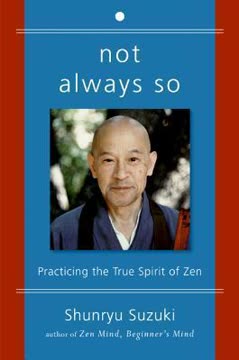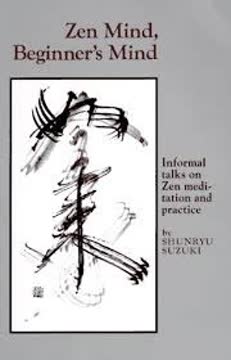
نکات کلیدی
1. ذهن مبتدی را بپذیرید
"در ذهن مبتدی امکانات زیادی وجود دارد، اما در ذهن کارشناس تعداد کمی."
کنجکاوی باز. مفهوم "ذهن مبتدی" (شوشین) در تمرین ذن اساسی است. این مفهوم به نگرشی از باز بودن، اشتیاق و عدم پیشفرضها در هنگام مطالعه یک موضوع، حتی در سطح پیشرفته، اشاره دارد. این ذهنیت امکان یادگیری و رشد بیشتر را فراهم میکند، زیرا ما را از محدودیتهای تجربیات و باورهای گذشتهمان آزاد میکند.
کاربرد عملی. برای پرورش ذهن مبتدی:
- به هر موقعیت به گونهای نزدیک شوید که انگار برای اولین بار با آن روبرو میشوید
- از پیشفرضها و انتظارات رها شوید
- عدم قطعیت و ناشناختهها را بپذیرید
- آماده باشید از همه و همه چیز یاد بگیرید
- فروتنی را تمرین کنید و بپذیرید که همیشه چیزهای بیشتری برای یادگیری وجود دارد
2. بدون ایدههای کسب شده تمرین کنید
"تا زمانی که ایدهای قطعی درباره آینده دارید یا امیدی به آن دارید، نمیتوانیم واقعاً با لحظهای که اکنون وجود دارد جدی باشیم."
تمرکز بر لحظه حال. ذن تأکید دارد که بدون وابستگی به نتایج یا انتظارات تمرین کنید. این رویکرد به ما اجازه میدهد تا به طور کامل با لحظه حال درگیر شویم، به جای اینکه توسط افکار درباره دستاوردها یا موفقیتهای آینده منحرف شویم.
رها کردن اهداف. برای تمرین بدون ایدههای کسب شده:
- بر فرآیند تمرکز کنید نه نتیجه
- در فعالیتها به خاطر خودشان شرکت کنید، نه برای پاداشهای خارجی
- از تمایل به شناخت یا دستاورد رها شوید
- هر لحظه را به عنوان کامل در خود بپذیرید
- بپذیرید که تمرین واقعی خود پاداش است
3. آزادی را در محدودیت بیابید
"داشتن احساسی عمیق درباره بودیسم نکته نیست؛ ما فقط باید کاری را که باید انجام دهیم، مانند خوردن شام و رفتن به رختخواب، انجام دهیم. این بودیسم است."
پذیرش ساختار. ذن به طور پارادوکسیکال آموزش میدهد که آزادی واقعی از پذیرش و کار در محدودیتها به دست میآید. با پذیرش کامل محدودیتهای زندگی و تمرینمان، میتوانیم حس عمیقتری از آزادی پیدا کنیم.
یافتن آزادی. برای کشف آزادی در محدودیت:
- به شرایط فعلی، هر چه که باشند، به طور کامل متعهد شوید
- محدودیتهای زندگی و تمرینتان را بپذیرید و در آنها کار کنید
- خلاقیت و امکان را در محدودیتها بیابید
- بپذیرید که انضباط و ساختار میتواند به آزادی بیشتر منجر شود
- از تمایل به شرایط یا موقعیتهای کامل رها شوید
4. در هر عمل ذهنآگاهی را پرورش دهید
"وقتی کاری انجام میدهید، باید خود را کاملاً بسوزانید، مانند یک آتش خوب، بدون اینکه اثری از خود باقی بگذارید."
حضور کامل. ذن بر اهمیت حضور کامل و درگیر شدن در هر عمل، حتی اگر پیشپاافتاده باشد، تأکید دارد. این تمرین ذهنآگاهی به شکستن جدایی مصنوعی بین فعالیتهای "معنوی" و زندگی روزمره کمک میکند.
زندگی ذهنآگاهانه. برای پرورش ذهنآگاهی در زندگی روزمره:
- به هر وظیفهای، هر چقدر هم کوچک، توجه کامل کنید
- همه حواس خود را در فعالیتهایتان درگیر کنید
- از چندوظیفهای رها شوید و بر یک چیز در یک زمان تمرکز کنید
- فعالیتهای روزمره را به عنوان فرصتهایی برای تمرین ببینید
- همان سطح آگاهی را به همه اعمال، از مدیتیشن تا ظرفشویی، بیاورید
5. طبیعت وجود را درک کنید
"وجود داشتن یعنی چیزی جز آنچه در هر لحظه خود را به عنوان آن آشکار میکنیم، نباشیم."
ناپایداری و وابستگی متقابل. ذن آموزش میدهد که همه پدیدهها ناپایدار و وابسته به یکدیگر هستند. درک این طبیعت وجود میتواند به تغییری عمیق در نحوه درک خود و جهان اطرافمان منجر شود.
دیدن به وضوح. برای درک طبیعت وجود:
- تغییر مداوم در همه چیز را مشاهده کنید
- وابستگی متقابل همه پدیدهها را بشناسید
- از ایده یک خود ثابت و جدا رها شوید
- واقعیت ناپایداری را در زندگی خود بپذیرید
- ببینید چگونه همه چیزها در وابستگی متقابل به وجود میآیند و از بین میروند
6. ناپایداری و تغییر را بپذیرید
"بدون پذیرش این واقعیت که همه چیز تغییر میکند، نمیتوانیم آرامش کامل پیدا کنیم. اما متأسفانه، اگرچه این درست است، پذیرش آن برای ما دشوار است."
پذیرش تغییر. پذیرش طبیعت ناپایدار همه چیز در تمرین ذن مرکزی است. با پذیرش کامل تغییر، میتوانیم در میان نوسانات مداوم زندگی آرامش و تعادل پیدا کنیم.
یافتن ثبات در تغییر. برای پذیرش ناپایداری:
- طبیعت دائماً در حال تغییر افکار و احساسات خود را مشاهده کنید
- به تعلقات، روابط و ایدهها وابسته نباشید
- تغییر را به عنوان فرصتی برای رشد و تجدید بپذیرید
- ثبات را در آگاهی از خود تغییر بیابید
- بپذیرید که مقاومت در برابر تغییر باعث رنج میشود
7. یگانگی همه چیزها را درک کنید
"درک حقیقت یعنی زندگی کردن—وجود داشتن در اینجا و اکنون."
غیر دوگانگی. ذن آموزش میدهد که یگانگی یا غیر دوگانگی اساسی همه وجود است. این درک میتواند به تغییری عمیق در نحوه ارتباط ما با خود، دیگران و جهان اطرافمان منجر شود.
تجربه یگانگی. برای درک یگانگی همه چیزها:
- تمرین کنید که فراتر از جدایی ظاهری پدیدهها ببینید
- وابستگی متقابل همه موجودات و چیزها را بشناسید
- از تمایز بین خود و دیگران رها شوید
- در مدیتیشن وحدت موضوع و شیء را تجربه کنید
- به همه موجودات با شفقت نگاه کنید، آنها را به عنوان جدا از خودتان نشناسید
8. از تفکر دوگانه فراتر بروید
"در قلمرو طبیعت بودا، نه خود وجود دارد و نه غیر از خود."
فراتر از تضادها. ذن به دنبال فراتر رفتن از تفکر دوگانه است، حرکت به سوی فراتر از دستهبندیهای مفهومی که تجربه ما را به جفتهای متضاد مانند خوب/بد، درست/غلط، خود/دیگری تقسیم میکند.
آگاهی غیر دوگانه. برای فراتر رفتن از تفکر دوگانه:
- مشاهده کنید که چگونه ذهن تضادها و تقسیمات را ایجاد میکند
- تمرین کنید که فراتر از دستهبندیهای مفهومی ببینید
- پارادوکس و تناقض را بپذیرید
- محدودیتهای تفکر منطقی و خطی را بشناسید
- واقعیت را به طور مستقیم، بدون فیلتر مفاهیم تجربه کنید
9. زازن را به عنوان راهی از زندگی تمرین کنید
"تمرین زازن بیان مستقیم طبیعت واقعی ماست."
زندگی ذن. زازن، یا مدیتیشن نشسته، هسته تمرین ذن است. با این حال، هدف این است که ذهنیت زازن را به همه جنبههای زندگی گسترش دهیم، و هر لحظه را به فرصتی برای تمرین و درک تبدیل کنیم.
یکپارچهسازی تمرین. برای تبدیل زازن به راهی از زندگی:
- وضعیت و ذهنیت زازن را در فعالیتهای روزمره حفظ کنید
- توجه و حضور کامل را به هر لحظه بیاورید
- همه فعالیتها را به عنوان فرصتهایی برای تمرین ببینید
- از تمایز بین تمرین رسمی و زندگی روزمره رها شوید
- حس فضا و آگاهی را در همه موقعیتها پرورش دهید
خلاصه نقدها
کتاب ذهن ذن، ذهن مبتدی به دلیل بینشهای عمیقش در زمینهی تمرین ذن و ذهنآگاهی بسیار مورد تحسین قرار گرفته است. خوانندگان از تأکید سوزوکی بر حفظ ذهنیت مبتدی و توضیحات واضح او دربارهی مفاهیم ذن قدردانی میکنند. بسیاری این کتاب را به شدت آرامشبخش و الهامبخش میدانند و به توانایی آن در تغییر دیدگاههای زندگی اشاره میکنند. با این حال، برخی از خوانندگان زبان پارادوکسیکال کتاب را چالشبرانگیز مییابند. به طور کلی، این کتاب به عنوان یک متن تأثیرگذار در زمینهی بودیسم ذن شناخته میشود، اگرچه ممکن است برای کسانی که پیشزمینهای در مدیتیشن یا بودیسم دارند مناسبتر باشد.
دیگران نیز خواندهاند


سؤالات متداول
What's "Zen Mind, Beginner's Mind" about?
- Introduction to Zen Practice: The book introduces readers to the principles and practices of Zen Buddhism, emphasizing the importance of maintaining a "beginner's mind."
- Focus on Simplicity: It highlights the simplicity and ordinariness of Zen practice, contrasting it with more dramatic interpretations of Zen.
- Practical Guidance: The book provides practical advice on meditation, posture, and the mental attitudes necessary for effective Zen practice.
- Spiritual Insights: It offers spiritual insights into the nature of enlightenment and the importance of living in the present moment.
Why should I read "Zen Mind, Beginner's Mind"?
- Cultivate Mindfulness: The book teaches how to cultivate mindfulness and presence in everyday life, which can lead to greater peace and clarity.
- Understand Zen Philosophy: It provides a clear and accessible introduction to Zen philosophy, making it suitable for both beginners and those familiar with Zen.
- Practical Application: The teachings are practical and can be applied to various aspects of life, not just meditation.
- Inspiration for Practice: The book serves as an inspiration for those seeking to deepen their meditation practice and spiritual understanding.
What are the key takeaways of "Zen Mind, Beginner's Mind"?
- Beginner's Mind: Maintaining a beginner's mind is crucial for Zen practice, as it keeps the mind open and free from preconceptions.
- Right Practice: The importance of correct posture and breathing in meditation is emphasized as a way to express one's true nature.
- Non-Attachment: The book teaches the value of non-attachment and living in the present moment as paths to enlightenment.
- Integration of Practice: Zen practice should be integrated into everyday life, not seen as separate from it.
What is the "beginner's mind" concept in "Zen Mind, Beginner's Mind"?
- Openness and Curiosity: A beginner's mind is open, curious, and free from the habits of the expert, allowing for new possibilities.
- Seeing Things Anew: It involves seeing things as they are, without preconceived notions or judgments.
- Continuous Practice: The beginner's mind is essential throughout Zen practice, encouraging continuous learning and growth.
- Foundation of Zen: This concept is foundational to Zen practice, as it fosters a mindset conducive to spiritual awakening.
How does Shunryu Suzuki define "right practice" in "Zen Mind, Beginner's Mind"?
- Posture and Breathing: Right practice involves maintaining the correct posture and breathing during meditation, which expresses one's true nature.
- Oneness of Body and Mind: The practice emphasizes the oneness of body and mind, transcending dualistic thinking.
- Expression of Buddha Nature: The posture itself is an expression of Buddha nature, not a means to an end.
- Integration into Life: Right practice is not limited to meditation but should be integrated into all activities.
What is the role of "non-attachment" in "Zen Mind, Beginner's Mind"?
- Freedom from Desire: Non-attachment involves freeing oneself from desires and preconceptions, allowing for a clearer perception of reality.
- Living in the Present: It encourages living fully in the present moment, without clinging to past experiences or future expectations.
- Path to Enlightenment: Non-attachment is seen as a path to enlightenment, as it helps dissolve the ego and karmic influences.
- Practical Application: The book provides practical guidance on how to cultivate non-attachment in daily life.
How does "Zen Mind, Beginner's Mind" integrate Zen practice into everyday life?
- Beyond Meditation: Zen practice is not confined to meditation but extends to all aspects of life, including mundane activities.
- Mindful Living: The book encourages mindful living, where each action is performed with full attention and presence.
- Expression of True Nature: Everyday activities become expressions of one's true nature when approached with a Zen mindset.
- Continuous Practice: Zen practice is continuous and should be maintained in every moment, not just during formal meditation.
What are the best quotes from "Zen Mind, Beginner's Mind" and what do they mean?
- "In the beginner's mind there are many possibilities, but in the expert's there are few." This quote emphasizes the openness and potential of a beginner's mind, free from the constraints of expertise.
- "To study Buddhism is to study ourselves. To study ourselves is to forget ourselves." It highlights the introspective nature of Zen practice, where self-exploration leads to self-transcendence.
- "When you do something, you should burn yourself completely, like a good bonfire, leaving no trace of yourself." This quote speaks to the importance of wholehearted engagement in each action, without attachment to the self.
- "The most important thing is to express your true nature in the simplest, most adequate way and to appreciate it in the smallest existence." It underscores the value of simplicity and authenticity in expressing one's true nature.
How does Shunryu Suzuki address the concept of enlightenment in "Zen Mind, Beginner's Mind"?
- Beyond Attainment: Enlightenment is not seen as a goal to be attained but as an inherent aspect of one's true nature.
- Moment-to-Moment Awareness: It involves moment-to-moment awareness and living fully in the present.
- Integration with Practice: Enlightenment is integrated with practice, not separate from it, and is expressed through everyday actions.
- Non-Dualistic Understanding: The book emphasizes a non-dualistic understanding of enlightenment, where distinctions between self and other dissolve.
What is the significance of posture in "Zen Mind, Beginner's Mind"?
- Expression of True Nature: The correct posture is an expression of one's true nature and is central to Zen practice.
- Physical and Mental Balance: Maintaining the right posture helps achieve physical and mental balance during meditation.
- Symbol of Oneness: The posture symbolizes the oneness of body and mind, transcending dualistic thinking.
- Foundation of Practice: It is the foundation of Zen practice, as it embodies the principles of mindfulness and presence.
How does "Zen Mind, Beginner's Mind" address the concept of suffering?
- Acceptance of Change: The book teaches that suffering arises from non-acceptance of the truth that everything changes.
- Finding Composure: By accepting transiency, one can find composure and peace in the midst of suffering.
- Integration with Practice: Suffering is integrated into practice as an opportunity for growth and understanding.
- Path to Enlightenment: Understanding and accepting suffering is seen as a path to enlightenment and liberation.
What is the role of a teacher in "Zen Mind, Beginner's Mind"?
- Guidance and Correction: A teacher provides guidance and helps correct one's practice, ensuring it remains pure and effective.
- Encouragement and Support: The teacher offers encouragement and support, helping students overcome challenges in their practice.
- Transmission of Wisdom: The teacher transmits the wisdom and spirit of Zen practice, connecting students to the tradition.
- Facilitating Independence: Ultimately, the teacher helps students become independent in their practice, discovering their own path.