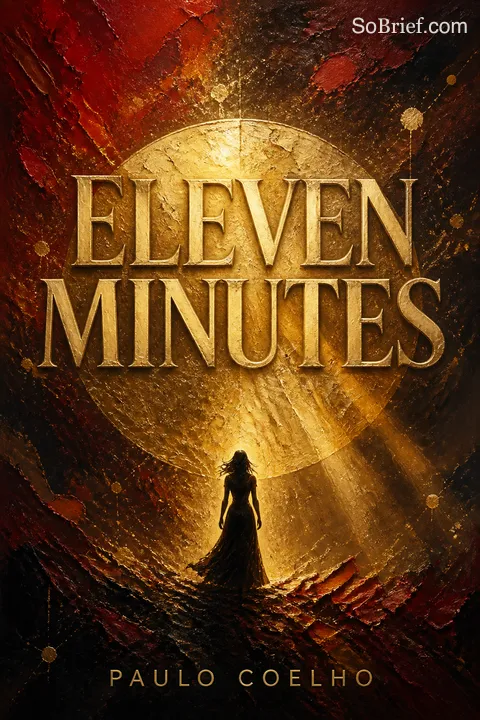
Résumé de l'intrigue
Rêves et désillusions
Maria, une jeune fille originaire d’une petite ville brésilienne, rêve d’une vie de conte de fées aux côtés d’un Prince Charmant. Son premier amour se brise lorsque le garçon s’éloigne, lui enseignant que certaines choses se perdent à jamais. En grandissant, Maria se désillusionne face à l’amour, qu’elle associe davantage à l’absence qu’à la présence. Ses rêves s’éloignent des fantasmes romantiques pour se tourner vers le désir d’aventure et l’évasion d’une vie monotone.
Le voyage vers Genève
La vie de Maria bascule lorsqu’elle rencontre un homme suisse qui lui propose un emploi en Europe. Malgré son scepticisme initial, elle y voit une occasion de fuir sa petite ville et de réaliser ses rêves. Arrivée à Genève, pleine d’espoir, elle comprend vite que le travail n’est pas celui qu’elle imaginait. Au lieu d’une carrière glamour, elle se retrouve danseuse dans un nightclub, un parcours qui la mène peu à peu dans l’univers de la prostitution.
Le club Copacabana
Au Copacabana Club, Maria apprend les règles de sa nouvelle profession. Elle navigue entre les complexités de son métier, conciliant ses rêves avec la dure réalité de sa situation. Malgré les épreuves, elle reste déterminée à gagner assez d’argent pour retourner au Brésil et acheter une ferme pour sa famille. Ses expériences au club lui enseignent la nature du désir, du pouvoir et de la condition humaine.
La vision artistique de Ralf
La vie de Maria change lorsqu’elle croise Ralf Hart, un peintre à succès qui perçoit en elle une lumière particulière. Intrigué par sa force et sa vulnérabilité, Ralf tisse avec elle un lien profond. Grâce à lui, Maria commence à explorer ses propres désirs et la possibilité d’aimer. La vision artistique de Ralf et sa compréhension de l’âme de Maria lui offrent un aperçu d’une vie différente, empreinte de connexion sincère et de découverte de soi.
Sacré et profane
Maria s’immerge dans l’histoire de la prostitution, découvrant ses origines sacrées. Elle apprend les anciens rituels où le sexe était perçu comme un acte divin, en contraste frappant avec sa réalité actuelle. Cette exploration l’aide à concilier sa profession avec sa quête de sens, en commençant à voir son corps et ses expériences comme partie intégrante d’un voyage plus vaste et profond.
Douleur et plaisir
Maria fait la connaissance de Terence, un client qui l’initie au monde du sadomasochisme. Par cette expérience, elle découvre la relation complexe entre douleur et plaisir. Si d’abord intriguée, elle prend conscience des dangers d’une addiction à ces extrêmes. Cette prise de conscience la pousse à réfléchir sur ses propres limites et sur la véritable nature de la liberté.
Amour et libération
À mesure que leur relation s’approfondit, Maria ressent une libération profonde. Ralf l’aide à voir au-delà de ses circonstances présentes, l’encourageant à embrasser ses désirs et ses rêves. Leur amour devient une source de force et de découverte de soi pour Maria, lui permettant de reprendre possession de son identité et d’envisager un avenir au-delà des limites de son passé.
La décision finale
Forte de sa nouvelle compréhension de l’amour et de la liberté, Maria décide de quitter Genève pour rentrer au Brésil. Elle réalise que son parcours a été bien plus qu’une quête d’argent ou d’évasion : il s’agit d’une quête d’elle-même. Alors qu’elle se prépare à partir, Maria médite sur les leçons apprises et l’amour trouvé, consciente que son temps avec Ralf restera un souvenir précieux.
Personnages
Maria
Maria est une jeune Brésilienne dont le parcours, de l’innocence à l’expérience, est marqué par la recherche de l’amour et du sens. D’abord portée par des rêves de romance et d’aventure, elle devient prostituée à Genève, où elle découvre les complexités du désir et du pouvoir. Sa relation avec Ralf Hart constitue un tournant, lui permettant de redécouvrir sa propre lumière et sa force.
Ralf Hart
Ralf est un peintre à succès qui perçoit en Maria une lumière singulière. Désabusé par sa propre vie, il trouve dans leur relation une source d’inspiration et de sens. Sa compréhension de l’art et de l’âme humaine aide Maria à explorer ses désirs et ses rêves, lui offrant un aperçu d’une vie riche de connexions authentiques et de découverte de soi.
Terence
Terence est un cadre dans une maison de disques qui initie Maria au sadomasochisme. À travers leurs rencontres, Maria explore la relation complexe entre douleur et plaisir. La présence de Terence dans sa vie la pousse à affronter ses propres limites et à questionner la véritable nature de la liberté.
Milan
Milan est le propriétaire du Copacabana Club, où travaille Maria comme prostituée. Homme d’affaires avisé, il comprend les complexités de ce milieu. Son approche pragmatique contraste fortement avec les rêves et aspirations de Maria.
Nyah
Nyah est une autre prostituée du Copacabana Club et la seule amie de Maria. Elle lui offre compagnie et soutien dans un monde souvent dur et impitoyable. La présence de Nyah souligne l’importance de l’amitié et de la solidarité face à l’adversité.
Mécanismes narratifs
Dualité du sexe
Le livre explore la dualité du sexe, opposant ses origines sacrées à sa marchandisation actuelle. Ce thème est au cœur du parcours de Maria, qui navigue dans les complexités de sa profession tout en cherchant à donner un sens à ses expériences.
Douleur et plaisir
La relation entre douleur et plaisir constitue un ressort narratif majeur, notamment dans les rencontres de Maria avec Terence. Cette exploration la pousse à affronter ses limites et la séduction des extrêmes, la conduisant finalement à une compréhension plus profonde de la liberté et de la découverte de soi.
Vision artistique
La vision artistique et la compréhension de l’âme humaine par Ralf jouent un rôle crucial dans le parcours de Maria. Sa capacité à percevoir la lumière en elle l’aide à explorer ses désirs et ses rêves, lui offrant un aperçu d’une vie riche de connexions authentiques et de découverte de soi.
Analyse
"Onze minutes" est une exploration profonde de l’amour, du désir et de la quête de sens. À travers le parcours de Maria, Paulo Coelho plonge dans les complexités des relations humaines et la dualité du sexe. Le livre remet en question les normes et attentes sociales, invitant le lecteur à embrasser ses propres désirs et rêves. La transformation de Maria, de rêveuse à réaliste, souligne l’importance de la découverte de soi et de la libération, alors qu’elle apprend à reprendre possession de son identité et à envisager un avenir au-delà des limites de son passé. En définitive, "Onze minutes" célèbre l’esprit humain et le pouvoir de l’amour à transformer et guérir.
Les lecteurs ont aussi lu









FAQ
Synopsis & Basic Details
What is Eleven Minutes about?
- A young woman's journey: Eleven Minutes follows Maria, a young woman from Brazil, as she embarks on a journey of self-discovery that leads her to become a prostitute in Geneva.
- Exploration of love and sex: The novel delves into Maria's complex relationships, her evolving understanding of love, and her experiences with sex, both as a commodity and as a means of connection.
- Search for meaning: Maria's story is a quest for meaning and purpose, as she grapples with her desires, her past, and her future, ultimately seeking a path to personal liberation.
Why should I read Eleven Minutes?
- Provocative exploration of sexuality: The novel offers a frank and often challenging look at the world of prostitution, exploring the complex motivations and emotions of those involved.
- Journey of self-discovery: Readers will be drawn to Maria's personal transformation, as she confronts her own desires, fears, and limitations, ultimately finding her own path to freedom.
- Philosophical themes: Coelho weaves in profound themes about love, desire, and the human condition, prompting readers to reflect on their own lives and beliefs.
What is the background of Eleven Minutes?
- Cultural contrast: The novel contrasts the small-town, traditional culture of Brazil with the cosmopolitan, often morally ambiguous, environment of Europe, particularly Geneva.
- Exploration of societal norms: The story challenges conventional views on sex, love, and relationships, questioning the societal expectations placed on women.
- Personal journey: While not explicitly autobiographical, the novel reflects Coelho's own interest in spirituality, self-discovery, and the search for meaning, often exploring these themes through the lens of personal experience.
What are the most memorable quotes in Eleven Minutes?
- "Making mistakes is just part of life.": This quote encapsulates Maria's acceptance of her own imperfections and her willingness to take risks, a central theme in her journey.
- "No one owns anything, that everything is an illusion.": This quote reflects Maria's growing understanding of the impermanence of life and the importance of living in the present moment.
- "Freedom only exists when love is present.": This quote highlights the transformative power of love and its ability to liberate individuals from their own limitations and fears.
What writing style, narrative choices, and literary techniques does Paulo Coelho use?
- Simple and accessible prose: Coelho's writing style is characterized by its simplicity and clarity, making complex philosophical ideas accessible to a wide audience.
- First-person narrative: The story is told from Maria's perspective, allowing readers to intimately experience her thoughts, emotions, and personal growth.
- Use of symbolism and metaphors: Coelho employs recurring symbols and metaphors, such as the "light" that Ralf sees in Maria, to convey deeper meanings and enhance the novel's thematic richness.
Hidden Details & Subtle Connections
What are some minor details that add significant meaning?
- The pencil incident: Maria's childhood encounter with a boy asking for a pencil, which she misinterprets and runs away from, foreshadows her later tendency to avoid genuine connection out of fear.
- The Miraculous Medal: The shop owner's gift of the Miraculous Medal to Maria before she leaves for Europe symbolizes the enduring power of faith and the possibility of redemption, even in the darkest of circumstances.
- The train set: Ralf's childhood train set, which he never played with, represents his own emotional repression and his inability to fully embrace life's joys, until he meets Maria.
What are some subtle foreshadowing and callbacks?
- The mention of Rue de Berne: Vivian's casual mention of Rue de Berne early in Maria's time in Geneva foreshadows her eventual descent into prostitution, a path she initially resists.
- The three hundred dollars: Mailson's mention of three hundred dollars as the "normal price" for a night with a woman foreshadows Maria's later decision to become a prostitute, where she initially earns a similar amount.
- The recurring image of the sea: The sea, which Maria first encounters in Rio, becomes a recurring symbol of both freedom and the unknown, reflecting her own journey of self-discovery.
What are some unexpected character connections?
- Ralf and Terence as "special clients": The revelation that both Ralf and Terence are considered "special clients" at the Copacabana Club highlights the complex and often hidden desires of men, and the different ways they seek connection and fulfillment.
- The librarian and Maria: The librarian, initially a minor character, becomes a confidante for Maria, offering her guidance and support, and revealing her own hidden desires and frustrations.
- Milan's understanding: Despite his pragmatic nature, Milan, the club owner, shows a surprising level of understanding and respect for Maria's journey, suggesting a hidden depth beneath his business-like exterior.
Who are the most significant supporting characters?
- Vivian: As the first Brazilian woman Maria meets in Geneva, Vivian provides a realistic and cynical perspective on the life of a dancer, challenging Maria's initial naivete.
- Nyah: Maria's only friend at the Copacabana, Nyah offers practical advice and a sense of camaraderie, highlighting the importance of female solidarity in a difficult environment.
- The librarian: This character serves as a guide for Maria, introducing her to literature and ideas that help her understand her own experiences and emotions, and providing a safe space for her to explore her thoughts.
Psychological, Emotional, & Relational Analysis
What are some unspoken motivations of the characters?
- Ralf's desire for authenticity: Beyond his artistic pursuits, Ralf is driven by a deep desire for genuine connection and a longing to escape the superficiality of his own life.
- Terence's need for control: Terence's interest in sadomasochism stems from a need to exert control and explore the boundaries of his own desires, often masking deeper insecurities.
- Maria's fear of vulnerability: Maria's initial resistance to love and her tendency to avoid genuine connection are rooted in a fear of vulnerability and a desire to protect herself from further heartbreak.
What psychological complexities do the characters exhibit?
- Maria's internal conflict: Maria struggles with the conflict between her desire for freedom and her fear of vulnerability, often leading her to make choices that seem contradictory.
- Ralf's disillusionment: Despite his success, Ralf is deeply disillusioned with his life, seeking meaning and purpose beyond his artistic achievements.
- Terence's exploration of extremes: Terence's fascination with sadomasochism reveals a complex psychological landscape, marked by a desire to push boundaries and explore the darker aspects of human desire.
What are the major emotional turning points?
- Maria's first heartbreak: The loss of her childhood love teaches Maria that some things are lost forever, shaping her view of relationships and her fear of vulnerability.
- Maria's encounter with Terence: Her experience with sadomasochism forces her to confront her own limits and the seductive nature of extremes, leading to a deeper understanding of her own desires.
- Maria's night with Ralf: The night Maria and Ralf spend together, exchanging gifts and sharing their vulnerabilities, marks a turning point in her journey, as she begins to embrace love and self-discovery.
How do relationship dynamics evolve?
- Maria and Ralf's connection: Their relationship evolves from a mutual fascination to a deep and transformative love, marked by shared vulnerabilities and a genuine understanding of each other's souls.
- Maria and Terence's power dynamic: Their relationship is characterized by a power struggle, as Maria initially submits to Terence's control, but ultimately reclaims her own agency.
- Maria and Milan's professional respect: Their relationship evolves from a purely transactional one to one of mutual respect, as Milan recognizes Maria's intelligence and determination.
Interpretation & Debate
Which parts of the story remain ambiguous or open-ended?
- The nature of Maria's "light": While Ralf sees a special light in Maria, its exact nature and origin remain ambiguous, open to interpretation as a symbol of her inner strength, her potential, or her unique perspective.
- The long-term impact of Maria's experiences: The novel leaves open the question of how Maria's experiences in Geneva will shape her future, and whether she will be able to fully reconcile her past with her present.
- The true meaning of love: The novel explores various forms of love, but ultimately leaves the definition of true love open to interpretation, suggesting that it is a deeply personal and subjective experience.
What are some debatable, controversial scenes or moments in Eleven Minutes?
- Maria's decision to become a prostitute: Some readers may find Maria's choice to enter prostitution controversial, questioning her motivations and the implications of her decision.
- The exploration of sadomasochism: The scenes involving Terence and Maria may be seen as controversial, raising questions about the nature of consent, power dynamics, and the boundaries of sexual exploration.
- The ending: The ending, where Maria leaves Ralf to return to Brazil, may be seen as both empowering and heartbreaking, sparking debate about the nature of love and the importance of self-discovery.
Eleven Minutes Ending Explained: How It Ends & What It Means
- Maria's return to Brazil: Maria's decision to return to Brazil signifies her commitment to her own dreams and her desire to create a life that is authentic to her own values.
- Embracing freedom and self-discovery: The ending emphasizes Maria's newfound sense of freedom and self-discovery, as she chooses her own path, rather than being defined by her past or her relationships.
- The enduring power of love: Despite leaving Ralf, Maria carries with her the transformative power of their love, which has enabled her to embrace her own light and envision a future filled with hope and purpose.







Télécharger le PDF
Télécharger l'EPUB
.epub digital book format is ideal for reading ebooks on phones, tablets, and e-readers.








































