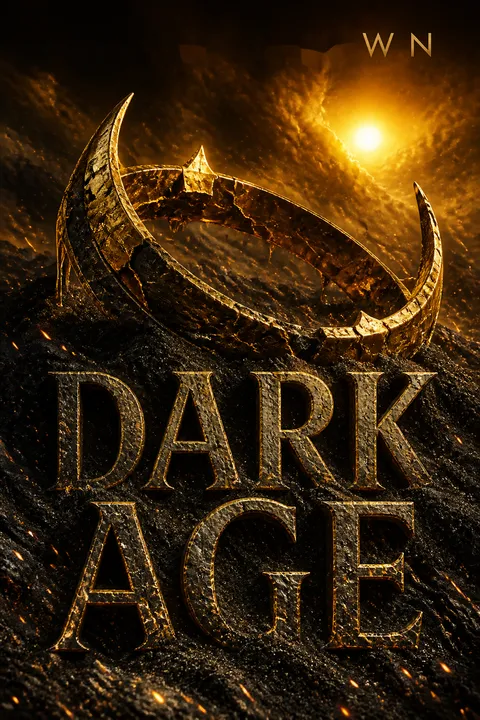
תקציר עלילה
אפר הצי הלבן
הרומן נפתח בפירוק צי הלבן של רפובליקת השמש במסלול סביב כוכב חמה, עדות לתושייתה ואכזריותה של אטלנטיה או גרימוס, הדיקטטורית החדשה של החברה. דרו, הקוצר, ננטש עם הלגיונות החופשיים שלו על כוכב חמה, מנותק מחיזוקים ומתקווה. הסנאט של הרפובליקה, משותק מפחד ואינטרסים אישיים, דן בוויתור על החיילים הנטושים. וירג'יניה או אוגוסטוס (מוסטנג), הריבונית, מפצירה באחדות ונחישות, אך זרעי הפילוג והספק נזרעים. הבמה מוכנה למאבק נואש, כאשר דרו וצבאו המוכה מתכוננים לעמוד בסערה הקרבה, בידיעה שרק הקרבה ותושייה יוכלו למנוע השמדה.
המצור על כוכב חמה
על פני כוכב חמה, דרו מוביל את הלגיונות החופשיים העייפים והממועטים במצור אכזרי. צי האפר של אטלנטיה חוסם את הכוכב, מתכונן לגשם ברזל הרסני. אביר הפחד, אטלס או ראה, מפיץ טרור בטקטיקות גרילה ומלחמה פסיכולוגית, משאיר יערות של קורבנות מוצמדים וניצולים מפגועים. המעגל הפנימי של דרו — טראקסה, אלכסנדר, רונה ואחרים — נאבקים עם המחיר המוסרי של המלחמה ועול הפיקוד. עיר הליופוליס הופכת לקלחת של פחד, מרד וייאוש, כאשר חלום החירות של הרפובליקה נבחן באכזריות הבלתי פוסקת של שאריות החברה.
יער אביר הפחד
שלטון הטרור של אביר הפחד מורגש בכל פינה בכוכב חמה. חתימתו — הצמדה, פציעות וייסורים פסיכולוגיים — שוברת את רוחם של אנשי דרו. עם זאת, דרו מסרב להיכנע, מארגן פשיטות נועזות והצלות, כולל משימה מסוכנת להצלת אוריון, האדמירל הכחול האמין שלו, מאחיזתו של אטלס. המחיר גבוה: חברים מתים, והניצולים משתנים לנצח. מנהיגותו של דרו היא גם מגדלור וגם קללה, כשהוא מקריב את חייהם של אהוביו למען מטרה שהולכת והופכת לבלתי ודאית.
המהלך של מוסטנג
בעוד דרו נלחם על כוכב חמה, מוסטנג מנהלת מלחמה שונה על לונה. הסנאט של הרפובליקה משותק מפחד, שחיתות ומזימות של פובליוס קו קארבל ווקס פופולי. ניסיונותיה של מוסטנג לגייס תמיכה לצי חילוץ נתקלים במאבקים פוליטיים ואיום למלחמת אזרחים. סברו, חברו הקרוב של דרו, מנהל קמפיין עקוב מדם נגד הסינדיקט, אימפריה פלילית בראשות המלכה המסתורית. מחיר הנקמה ושבריריות הדמוקרטיה מתגלים, כאשר מוסטנג נאלצת לבחור בין עקרונות להישרדות.
גשם הברזל יורד
אטלנטיה משגרת את גשם הברזל שלה, מפילה מיליוני חיילים על כוכב חמה במתקפה קטסטרופלית. ליסנדר או לונה, היורש האבוד של החברה, חוזר לבמה, יוצר ברית עם הרים והליבה. הקרב הוא מערבולת של אלימות, כאשר הזהובים, האובסידיאנים והאפרוריים מתנגשים בהריסות הערים ובמדבריות לאדון. כוחותיו של דרו מוכהים, אך הוא משחרר נשק סודי: אלי הסערה, מנועי טרהפורמינג עתיקים היוצרים סופות היפר-קאן והרס, וקונים זמן יקר במחיר נורא.
אל הסערה משתחרר
שחרור אלי הסערה משנה את המגמה, טובע ערים וצבאות בסופות אפוקליפטיות. אוריון, טראומטית ומשתנה מהשבי, הופכת לנשק להשמדה המונית, נפשה ונפשה פגועים. הגבול בין מציל למפלצת מטושטש, כאשר בחירותיו של דרו מובילות למותם של מיליונים — אויבים ואזרחים כאחד. חלום המלחמה הצודקת אובד בסערה, מוחלף בחישוב הקשה של הישרדות.
עין התודעה נפתחת
ליסנדר, שהיה פעם בובה, הופך לשחקן. מונחה על ידי עין התודעה — מצב מדיטטיבי כמעט על-טבעי של מודעות — הוא מנווט בפוליטיקה המסוכנת של החברה, ההרים והליבה. בגידות ומזימות פוליטיות משתנות כמו חול, כאשר ליסנדר תובע את צלקת הפרלס שלו ויוצר דרך חדשה לזהב. בחירותיו מציבות אותו בקונפליקט עם דרו, כאשר יורשי העולם הישן ומורדי העולם החדש נאבקים על נשמת האנושות.
יום היונים האדומות
על לונה, הפיכה מאורגנת על ידי פובליוס ומלכת הסינדיקט (שנחשפת כלילאת', סגניתו הישנה של הג'קאל) מפצלת את הרפובליקה. הסנאט נרצח בטבח הידוע כ"יום היונים האדומות". מוסטנג נבגדת, משותקת ונכלאת. סברו וההאולרים נתפסים. חלום הדמוקרטיה טובע בדם, כאשר ההמון פונה נגד גיבוריו והמפלצות מהעבר חוזרות לתבוע את העתיד.
נפילת הליופוליס
עם הרפובליקה בכאוס והגנות כוכב חמה הרוסות, דרו עושה עמידה אחרונה בהליופוליס. ליסנדר, כעת צלקת פרלס ונערץ החברה, מוביל מתקפה מנצחת, שוברת את קווי דרו עם פרשים וכוח הזהב. הלגיונות החופשיים נרצחים, ניצוליהם מוצמדים או משועבדים. דרו נפצע אנושות, צבאו נהרס, חלומו באפר. אגדת הקוצר מסתיימת בהפסד, כאשר העולם שנלחם לבנותו נבלע בחושך.
ניצחונו של לונה
ליסנדר תובע ניצחון, מתקבל כמושיע כוכב חמה ויורש סילניוס. אטלנטיה, חשדנית לפופולריותו, מנסה לקשור אותו בנישואין ופוליטיקה, אך שאיפותיו ותושייתו של ליסנדר הופכות אותו לכוח שיש להתחשב בו. החברה נולדת מחדש בדמותו, משלבת את האכזריות של הסדר הישן עם חזון חדש של אחדות וחוזק. עם זאת, זרעי סכסוך עתידי נזרעים, כאשר הבריתות נשברות ומחיר הניצחון מתבהר.
העמידה האחרונה של המלכה
במאדים, ספי השקטה, מלכת האובסידיאנים, נבגדת מבפנים. האסקומאני, שבט אובסידיאנים אבוד בראשות וולסונג פא, פולשים ומשחררים גל חדש של ברבריות וכיבוש. ספי מוצאת להורג באכזריות בטקס נשר דמיוני, ליבה נאכל על ידי פא. האולטראייב מתפרק, ומאדים טובע בכאוס. וולגה, שנחשפת כבתו של רגנר ויורשתו של פא, נאלצת לבחור בין נקמה להישרדות, כאשר העולם שחלמה להצטרף אליו נבלע באכזריות.
עלייתו של וולסונג פא
וולסונג פא, מפקד מלחמה מפלצתי מחגורת קויפר, תובע את הובלת האובסידיאנים. הגעתו מסמנת את סופו של חלומה של ספי ותחילתה של תקופה אפלה חדשה. האובסידיאנים, שהיו מגן הרפובליקה, הופכים לאיום הגדול ביותר שלה. וולגה, קרועה בין מורשתה לנאמנותה לחבריה, מוצעת כקורבן להצלת מאדים. מעגל האלימות והבגידה ממשיך, כאשר העולם מתנדנד על סף השמדה.
בגידת פנדורה
ספינת הדגל של היולי, פנדורה, נבזזת על ידי האסקומאני, בראשות סוכני פא והבוגד זנופון. וולגה וליריה, שבויות מלחמה, נאבקות על הישרדות כשהספינה נכבשת. פיגמנט, פרילנסר מסתורי, מתגלה כיותר מאדם — כלי טהור לפרזיט עתיק. כאוס ההתקפה מוביל למותם של רבים, כולל בנו התינוק של ויקטרא, אוליסס, שנרצח על ידי היד האדומה. הניצולים מפוזרים, תקוותיהם מתנפצות.
מחיר ההישרדות
ליריה, וולגה ויקטרא סובלות אובדן ואימה בלתי נתפסים. מסע הנקמה של ליריה נגד הרמוני, מנהיגת היד האדומה, מסתיים בחשבון אכזרי. וולגה, שנחשפת כמפתח לתוכניות פא, נאלצת לבחור בין חירותה לחיי מיליונים. מחיר ההישרדות משולם בדם, כאשר חובות ישנות מתיישבות ופצעים חדשים נפתחים.
מות התקווה
תבוסתו של דרו בהליופוליס מסמנת את סופו של התקווה האחרונה של הרפובליקה. הלגיונות החופשיים נהרסים, ניצוליהם מוצמדים או משועבדים. מוסטנג, סברו וההאולרים הם שבויים של התועבה — שכפול של הג'קאל, שנוצר על ידי לילאת'. חלום החירות מת, מוחלף בעריצות חדשה. העולם טובע בעידן אפל חדש, כאשר מפלצות העבר תובעות מחדש את כסאותיהן.
המבוך ללא מרכז
ליסנדר, רדוף על ידי האמת על רצח אמו ושקרי גידולו, נאבק להגדיר את עצמו בעולם ללא מרכז. עין התודעה, כיסא הפנדמוניום ומורשת אוקטביה מעצבים את בחירותיו. הגבולות בין גיבור לנבל מטושטשים, כאשר כל דמות נאלצת להתמודד עם מחיר האמונות שלה וריקנות הלב של הכוח.
שובו של הקוצר
כנגד כל הסיכויים, דרו ניצל על ידי קסיוס, ששרד את משפט הרים. יחד הם בורחים מכוכב חמה, משאירים מאחור עולם הרוס אך נושאים את התקווה לנקמה ולגאולה. אגדת הקוצר נמשכת, גם כשהעולם שנלחם עבורו אובד.
התוצאה המדממת
הרומן מסתיים בעולם בכאוס: לונה נשלטת על ידי התועבה ורוכבי העצמות, מאדים נהרס על ידי האובסידיאנים, כוכב חמה בידי ליסנדר ואטלנטיה, והרפובליקה מפורקת. כל ניצחון משולם בדם, כל תקווה מתנפצת בבגידה. אך בחושך, זרעי ההתנגדות וההתחדשות נשארים, כאשר הניצולים — דרו, מוסטנג, וולגה, ליריה ואחרים — מתכוננים למאבק הבא, אפילו נואש יותר.
דמויות
דרו מליקוס (הקוצר)
דרו הוא הדמות המרכזית של המרד, אדום שהפך לזהב להפלת החברה. בDark Age הוא אדם על הקצה — מותש, טראומטי ומונע על ידי תחושת חובה שבלעה את אושרו האישי. יחסיו עם מוסטנג, סברו ובנו פאקס מתוחים בשל הבחירות שהוא עושה במלחמה. מנהיגותו של דרו היא גם כוחו הגדול וגם קללתו; הוא מעורר נאמנות ופחד, אך המחיר נמדד בחייהם של אהוביו. הקשת שלו ברומן היא של גבורה טרגית, כשהוא סובל תבוסה, בגידה ואובדן תקווה, אך מסרב להיכנע, מגלם את העקשנות של רוח האדם.
וירג'יניה או אוגוסטוס (מוסטנג)
מוסטנג היא אשתו של דרו והריבונית של הרפובליקה. אינטיליגנציה, חמלה ותבונה פוליטית שלה הן ללא תחרות, אך היא מוקפת אויבים — מבפנים ומבחוץ. מאבקה הוא לשמר את חלום הדמוקרטיה בעולם שנראה נחוש להשמידו. היא נבגדת על ידי מי שהיא סומכת עליהם, משותקת ונכלאת על ידי מלכת הסינדיקט, ונאלצת לצפות ברפובליקה שבנתה מתפרקת. עם זאת, אהבתה לדרו ופאקס וסירובה לוותר על התקווה הופכים אותה למגדלור בחושך.
ליסנדר או לונה
ליסנדר הוא נכדה של אוקטביה, גדל בגלות ולמד אצל קסיוס. בDark Age הוא מתגלה כאנטגוניסט מרכזי, תובע את צלקת הפרלס שלו ויוצר דרך חדשה לזהב. מונחה על ידי עין התודעה, הוא גם אידיאליסטי וגם אכזרי, שואף לשחזר סדר ואחדות בעולם מפורק. מסעו הוא של גילוי עצמי ואמביוולנטיות מוסרית, כשהוא הופך לאדריכל חורבן הרפובליקה ולתחיית החברה. יחסיו עם אטלנטיה, אג'קס ורוחות עברו מלאים בבגידה וכמיהה לאישור.
סברו או ברקה
סברו הוא חברו הקרוב ביותר של דרו ומנהיג ההאולרים. נאמנותו מוחלטת, אך זוועות המלחמה ואובדן משפחתו דוחפים אותו לקצה. קמפיין הנקמה שלו נגד הסינדיקט הוא ירידה לטירוף ונקמה, שמסתיים בלכידתו על ידי התועבה. הקשת של סברו היא של נאמנות טרגית, כשהוא מקריב הכל למען חבריו ומשפחתו, רק כדי להיות מושמד על ידי מפלצות העבר.
ספי השקטה
ספי היא מנהיגת האובסידיאנים, סמל לשחרורם ותקוותם. חלומה לאחדות ושלום מתנפץ בבגידה מבפנים ופלישת וולסונג פא. הוצאתה להורג האכזרית מסמנת את סיום עידן ותחילת תקופה אפלה חדשה. מורשתה של ספי היא של אומץ וטרגדיה, כשהיא נבלעת על ידי הכוחות שהיא ניסתה לרסן.
וולגה פיורגן
וולגה נחשפת כבתו של רגנר והמפתח לתוכניות פא. מסעה הוא של גילוי עצמי והקרבה, כשהיא נאלצת לבחור בין מורשתה לחבריה. תמימותה וכוחה של וולגה הופכים אותה גם למטרה וגם לתקווה לעתיד, כשהיא הופכת לבובה במשחק גדול ממנה.
ליריה מלגאלוס
ליריה היא אדומה מהמחנות, רדופה מאובדן משפחתה ומונעת על ידי צורך בנקמה ומשמעות. הקשת שלה היא של טרנספורמציה, כשהיא עוברת מקורבן לסוכנת, משתמשת בפרזיט המסתורי פיגמנט כדי להפוך לכוח בפני עצמה. יחסיה עם וולגה, אפרים והיולי מלאים בכאב, בגידה וחיפוש מקום לקרוא לו בית.
אפרים טי הורן
אפרים הוא לשעבר בן של ארס שהפך לפרילנסר, ציניותו מסתירה כמיהה עמוקה לקשר. יחסיו עם וולגה וליריה מגלים את טבעו הטוב יותר, ומעשיו האחרונים הם של הקרבה ומרדנות. מותו בידי וולסונג פא הוא עדות למחיר ההישרדות ואפשרות הגאולה.
אטלנטיה או גרימוס
אטלנטיה היא השליטה החדשה של החברה, אישה בעלת תושייה עצומה, קסם ואכזריות. היא מארגנת את השמדת צי הלבן, גשם הברזל והמזימות הפוליטיות שמפצלות את הרפובליקה. יחסיה עם ליסנדר הם של מניפולציה ויריבות, כשהיא שואפת לשמור על עליונותה בעולם של בריתות משתנות.
וולסונג פא
וולסונג פא הוא מנהיג האסקומאני המפלצתי, דמות של מיתוס וטרור. הגעתו מסמנת את סופו של חלומה של ספי ותחילתה של תקופה חדשה של ברבריות וכיבוש. פילוסופייתו של פא היא של כוח הוא צדק, ומעשיו — הוצאות להורג טקסיות, קניבליזם והרס אולימפיה — מגדירים אותו כמגלם את שקיעת העולם לכאוס.
מכשירי עלילה
מבנה נרטיבי מרובה נקודות מבט
Dark Age משתמשת במעגל מתחלף של דמויות נקודת מבט — דרו, מוסטנג, ליסנדר, ליריה, אפרים ואחרים — כדי להציג מבט פנורמי על גלקסיה בסערה. מבנה זה מאפשר לקורא לחוות את המלחמה מכל זווית: שדה הקרב, הסנאט, התחתית ולב המדוכאים. הפרספקטיבות המשתנות יוצרות אירוניה דרמטית, רמזים ותחושת מומנטום בלתי פוסקת, כאשר ניצחונות בזירה אחת הופכים לתבוסות בזו אחרת.
עין התודעה וכיסא הפנדמוניום
עין התודעה, מצב מדיטטיבי של מודעות מוגברת, הופכת לנשק הסודי של ליסנדר, המאפשר לו לשרוד ולנצח במצבים בלתי אפשריים. כיסא הפנדמוניום, מכשיר למחיקת זיכרון וכתיבתו מחדש, משמש לשליטה, עינויים ושבירת דמויות — במיוחד מוסטנג ודוכס הידיים. מכשירים אלה מסמלים את המאבק על זהות וסוכנות בעולם שבו האמת גמישה והכוח הוא הכול.
EMP ונסיגה טכנולוגית
השימוש ב-EMP (אל הסערה) על כוכב חמה הוא מכשיר עלילה מרכזי, שמסיר את היתרונות הטכנולוגיים של הזהובים ומכריח חזרה ללחימה פרימיטיבית ואכזרית. נסיגה זו חושפת את טבע הכוח האמיתי ואת שבריריות הציוויליזציה, כשהמראה של ההתקדמות נקרעת לחשוף את האלימות שבבסיס.
בגידה ומזימות פוליטיות
הרומן מונע מרשת של בגידות — אישיות, פוליטיות ואידיאולוגיות. חברים הופכים לאויבים, אוהבים ליריבים, וכל ניצחון מתערער על ידי בגידה. יום היונים האדומות, ההפיכה על לונה ועליית התועבה הם תוצרי מזימות מתוכננות בקפידה, המדגישות את סכנות האידיאליזם ומחיר התמימות.
טקס וסמליות
טקסים — ניצחונות, הוצאות להורג, נשרים דמיים ונישואין — משמשים ללגיטימציה של סמכות, לעורר פחד ולחבר אנשים למטרות. מניפולציית סמלים (סלינגבלייד, הדפנה, ההצמדות) היא מרכזית במאבק על נשמת העולמות, כאשר כל צד שואף לתבוע את הנרטיב ולהגדיר את העתיד.
ניתוח
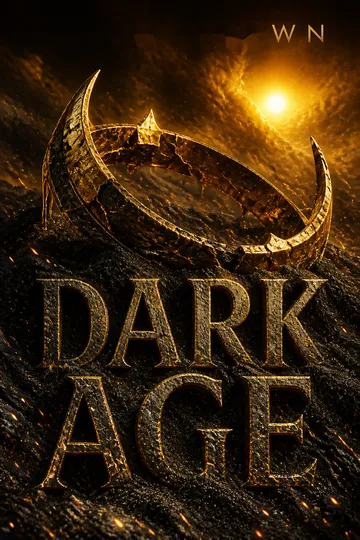
Dark Age הוא חקירה אכזרית ובלתי מתפשרת של מחיר המהפכה, שבריריות התקווה והטבע המחזורי של הכוח. פירס בראון מפשט את הרומנטיקה של המרד, חושף את האלימות, הבגידה והפשרות המוסרית שמאחורי כל ניצחון. הרומן בוחן את משמעות המנהיגות, סכנות האידיאליזם והקלות שבה המדוכאים הופכים לדכאים. בעולם שבו כל מערכת מושחתת, וכל גיבור שבור, הקבוע היחיד הוא הרצון לשרוד. דמויותיו של בראון מוגדרות על ידי בחירותיהן מול סיכויים בלתי אפשריים, וקצב הרומן הבלתי פוסק והפיתולים המזעזעים מאלצים את הקורא להתמודד עם החושך שבלב האנושות.
סיכום ביקורות
עידן האופל זוכה לשבחים רבים בזכות היקפו האפי, סצנות הפעולה העוצמתיות והדמויות המורכבות שבו. הקוראים מעריכים את ריבוי נקודות המבט, תפניות העלילה המתוחכמות וההשפעה הרגשית העמוקה. הספר בולט באווירתו הקודרת, באלימותו ובקצב הבלתי מתפשר שלו. חלק מהקוראים מותחים ביקורת על אורכו ועל מספר הדמויות המציף. רבים רואים בו את הטוב בסדרה ומשבחים את כתיבתו של בראון ואת בניית העולם שיצר. עם זאת, מספר קוראים מצאו שקשה לעקוב אחר העלילה או שהספר קודר מדי. בסך הכול, מדובר בספר מקטב אך רב־עוצמה בסאגת "עליית האדום".
אנשים גם קראו
שאלות נפוצות
Synopsis & Basic Details
What is Dark Age about?
- A Galaxy at War: Dark Age plunges the Solar Republic into its most brutal conflict yet, as Darrow and his Free Legions are marooned on Mercury, facing annihilation from Atalantia au Grimmus's Society remnant. The novel follows multiple perspectives—Darrow's desperate fight for survival, Virginia's political struggle on Luna, Lysander's complex rise within the Society, and the harrowing journeys of Lyria and Ephraim through a collapsing galaxy.
- The Cost of Revolution: The narrative relentlessly explores the grim consequences of war, revealing how idealism curdles into pragmatism, and how even heroes are forced into morally compromising choices. It's a story of endurance against overwhelming odds, where every victory is paid for in blood and betrayal.
- A Fractured Future: As old alliances shatter and new, monstrous threats emerge (like Volsung Fá and the Jackal's clone), the very fabric of the Republic unravels. The book depicts a universe teetering on the brink of a true "dark age," where humanity's survival hinges on the broken wills of its most tormented leaders.
Why should I read Dark Age?
- Unflinching Brutality: Dark Age is renowned for its visceral, no-holds-barred depiction of warfare and its psychological toll, pushing the boundaries of grimdark science fiction. Pierce Brown doesn't shy away from the horrific realities of conflict, making for an intense and often shocking reading experience.
- Deep Character Exploration: Beyond the action, the novel offers profound psychological dives into its complex characters, revealing their hidden motivations, internal conflicts, and the devastating impact of their choices. Readers gain intimate access to the minds of Darrow, Lysander, Virginia, and others as they grapple with impossible dilemmas.
- Masterful World-Building & Pacing: Brown expands the Red Rising universe with intricate political intrigue, diverse cultures, and innovative technology, all woven into a relentless, high-stakes narrative. The multi-POV narrative structure keeps the reader on edge, constantly shifting perspectives to reveal new layers of betrayal and desperation.
What is the background of Dark Age?
- Post-Revolutionary Turmoil: Dark Age is set five years after the events of Morning Star, following the establishment of the Solar Republic and the uneasy peace that followed. The Society, though fractured, is far from defeated, with Atalantia au Grimmus rising as a ruthless Dictator, seeking to reclaim lost glory and crush the nascent Republic.
- Political & Social Fragmentation: The Republic itself is deeply divided, plagued by internal factions like the Vox Populi (populist, anti-war) and the Optimates (pro-war, traditionalists), as well as lingering Color prejudices and economic disparities. This internal strife leaves it vulnerable to external threats and internal coups.
- Technological & Environmental Warfare: The conflict escalates beyond conventional battles, incorporating ancient terraforming engines (Storm Gods) capable of generating apocalyptic weather, advanced psychological warfare (Fear Knight's tactics, Pandemonium Chair), and devastating EMPs, transforming planets into battlegrounds and blurring the lines between natural disaster and deliberate destruction.
What are the most memorable quotes in Dark Age?
- "War is our time.": This chilling realization from Darrow in Chapter 1, "Till the Vale," encapsulates his grim acceptance of perpetual conflict, a stark contrast to his earlier dreams of peace. It defines his hardened resolve and the brutal reality of the era.
- "The world is a maze without a center. Become it, or be forever lost.": Attributed to Silenius au Lune in Silenius's Meditations, this quote (Chapter 92) becomes Lysander's guiding philosophy, reflecting his embrace of chaos and his ambition to impose his own order on a fractured galaxy.
- "If your heart beats like a drum, and your leg's a little wet, it's 'cause Midnight's come to collect a little debt.": Colloway xe Char's signature line (Chapter 76), delivered with chilling nonchalance, embodies the grim humor and lethal efficiency of Darrow's Howlers and the brutal, almost poetic, nature of combat in the series.
What writing style, narrative choices, and literary techniques does Pierce Brown use?
- Visceral, Sensory Prose: Brown's writing is characterized by its intense, immersive sensory details, particularly in battle scenes. He uses vivid imagery and strong verbs to convey the brutal reality of combat, making the reader feel the "smell of burning flesh," the "crunch of ice under clawed titanium foot," and the "tangy chlorine smell of ozone."
- Relentless Pacing and Escalation: The narrative maintains a breakneck pace, constantly escalating the stakes and throwing new challenges at the characters. This is achieved through rapid scene changes, cliffhanger chapter endings, and a sense of impending doom that permeates every plotline, creating a feeling of being "swept away by the torrent."
- Intertextual Allusion and Classical Echoes: Beyond the multi-POV narrative structure, Brown deeply embeds classical allusions, particularly Roman and Greek mythology and history. Quotes from Ovid, Caesar, and Shelley, alongside character names and plot parallels (e.g., Thermopylae, Cannae, Sisyphus), enrich the thematic depth, suggesting a cyclical nature of power and human folly.
Hidden Details & Subtle Connections
What are some minor details that add significant meaning?
- Dago's Lykos Soil: Darrow's encounter with Dago, an old Red miner from his home (Chapter 1), and the exchange of Lykos soil, is a subtle but powerful reminder of Darrow's roots and the simple, human cost of his war. It grounds his grand ambitions in the personal, foreshadowing his eventual return to these fundamental values.
- Glirastes's Oculus City Model: The Master Maker's unbuilt "Oculus" city (Chapter 64), designed for a child and based on Lysander's eye, symbolizes Lysander's lost innocence and Glirastes's unfulfilled artistic ambition. It hints at a deeper, more benevolent side to Glirastes, making his later betrayal by Atlas and forced complicity with Darrow more tragic.
- The Night Lilies in Virginia's Office: These seemingly decorative plants (Chapter 26) are revealed to be a deadly, painful defense mechanism, reflecting Virginia's own hidden layers of protection and the dangerous nature of her environment. They symbolize her internal struggle between her compassionate nature and the ruthless necessities of her role as Sovereign.
What are some subtle foreshadowing and callbacks?
- Orion's Radicalization: Early descriptions of Orion's coldness and her past as "Slave Two" (Chapter 1) subtly foreshadow her eventual descent into genocidal rage with the Storm Gods. Her detached view of "rats" (lowColors) is a callback to the Society's dehumanization, hinting that even Republic heroes can succumb to the enemy's mindset.
- Ajax's Childhood Fear of Heights: Lysander recalls Ajax freezing on the "West Line" (Chapter 4), a high communications hardline. This seemingly minor detail foreshadows Ajax's later moment of terror during the sandstorm (Chapter 16), revealing a hidden vulnerability beneath his bravado and connecting his adult fears to childhood trauma.
- The "Iron Circle" Custom: Kavax's mention of Silenius's "Iron Circle" custom (Chapter 91) foreshadows Virginia's daring act of defiance upon her arrival on Mars. It's a callback to ancient Gold traditions of dominance, which Virginia subverts by performing it in a Republic ship, asserting her authority in a new context.
What are some unexpected character connections?
- Lysander and Atlas's Shared Trauma: Beyond their formal relationship, Lysander discovers Atlas's past as a "ward of the Sovereign" (Chapter 25) and his banishment to the Kuiper. This shared experience of being shaped by Octavia and sent to the fringes creates an unexpected, albeit twisted, bond of understanding between them, culminating in Atlas's subtle aid to Lysander.
- Ephraim and Pax's Father-Son Dynamic: Despite Ephraim's cynicism and Pax's precociousness, their interactions evolve into a surrogate father-son relationship (Chapter 65). Ephraim's protective instincts and Pax's quiet judgment create a unique dynamic, culminating in Ephraim's sacrifice for the children, a connection unforeseen given his initial mercenary nature.
- Virginia and Dancer's Deep History: Their shared past as revolutionaries and their complex mentor-mentee bond (Chapter 20) is revealed to be far more intimate than initially portrayed, especially with the revelation of Dancer's secret relationship with the Duke of Hands (Chapter 54). This deepens the tragedy of Dancer's betrayal and death, highlighting the personal cost of political machinations.
Who are the most significant supporting characters?
- Alexandar au Arcos: More than just Darrow's lancer, Alexandar embodies the tragic idealism of the younger generation of Golds who joined the Rising. His unwavering loyalty, self-sacrifice at Tyche (Chapter 61), and eventual brutal death at Lysander's hand (Chapter 86) make him a poignant symbol of lost hope and the devastating cost of war.
- Rhone ti Flavinius: As a former Praetorian Dux and later Lysander's loyal Dux (Chapter 78), Rhone represents the enduring, if sometimes misguided, honor of the Gray caste. His unwavering fidelity to the Lune bloodline, even after its fall, highlights the deep-seated traditions and personal oaths that still bind the Society.
- Glirastes the Master Maker: Beyond his genius as an architect and inventor, Glirastes (Chapter 17) serves as a moral compass and a symbol of Mercury's unique culture. His reluctant cooperation with Darrow, his horror at the Storm Gods' misuse, and his eventual forced alliance with Lysander underscore the plight of civilians caught between warring factions.
Psychological, Emotional, & Relational Analysis
What are some unspoken motivations of the characters?
- Darrow's Self-Punishment: Beyond his stated duty to the Republic, Darrow's relentless pursuit of war on Mercury (Chapter 1) is subtly driven by a deep-seated guilt and a need for self-punishment. He believes he "squandered neurons" by hoping for peace and feels he "deserves" the suffering, seeing himself as the "lock" on a box of horrors he helped create.
- Lysander's Quest for Validation: While he claims to seek order for Gold, Lysander's actions are often fueled by a desperate need for validation, particularly from Atalantia and the ghost of Octavia (Chapter 4). His willingness to endure humiliation and commit atrocities stems from a desire to prove his "worth" as the heir, a deep-seated insecurity rooted in his childhood.
- Victra's Primal Protection: Victra's seemingly reckless pursuit of her kidnapped children (Chapter 69) is driven by a primal, almost animalistic, protective instinct that transcends political or strategic concerns. Her ferocity and refusal to compromise are rooted in a deep fear of loss, making her a force of nature when her family is threatened.
What psychological complexities do the characters exhibit?
- Darrow's Burden of Command: Darrow grapples with the psychological weight of "spending" lives (Chapter 1), constantly questioning if his sacrifices are worth the cost. His internal monologues reveal a man teetering on the brink of despair, haunted by the ghosts of his past and the moral compromises he's made, leading to moments of profound exhaustion and self-loathing.
- Orion's Traumatic Detachment: After her torture by Atlas, Orion develops a chilling psychological detachment (Chapter 17), viewing human lives as "rats" and "rational transactions." This is a complex coping mechanism for her trauma, transforming her into a weapon of pure, unfeeling logic, highlighting the dehumanizing effects of extreme suffering.
- Ephraim's Addiction as Escape: Ephraim's zoladone addiction (Chapter 21) is not merely a vice but a psychological escape from the horrors he's witnessed and the guilt he carries. His struggle with withdrawal and Pax's judgment reveal the depth of his pain and his desperate attempt to numb himself to a world he finds unbearable.
What are the major emotional turning points?
- Darrow's Realization of Orion's State: The moment Darrow sees Orion's mutilated body and her subsequent cold, logical detachment (Chapter 17) is a major emotional turning point for him. It forces him to confront the true, dehumanizing cost of Atlas's psychological warfare and his own complicity in pushing Orion to her breaking point.
- Virginia's Day of Red Doves: The massacre of the Senate and the apparent death of Dancer (Chapter 31) is a devastating emotional blow for Virginia. It shatters her faith in the Republic's democratic process and forces her to embrace a more ruthless, centralized form of power, transforming her from an idealist into a hardened Sovereign.
- Lysander's Mother's Revelation: Kalindora's deathbed confession about Octavia ordering Lysander's mother's murder and erasing his memories (Chapter 92) is a cataclysmic emotional turning point. It shatters Lysander's foundational beliefs about his family and identity, fueling his rage and setting him on a path of vengeance against Atalantia.
How do relationship dynamics evolve?
- Darrow and Alexandar: From Mentor to Burden: Their relationship evolves from Darrow's mentorship of a "callow, insecure youth" (Chapter 1) to Alexandar becoming a symbol of Darrow's guilt over "spending" lives. Alexandar's heroic sacrifice at Tyche (Chapter 61) and subsequent death profoundly impacts Darrow, deepening his self-loathing and sense of responsibility.
- Lysander and Ajax: From Brotherhood to Bitter Rivalry: Their childhood bond, marked by shared secrets and affection (Chapter 4), devolves into a bitter rivalry fueled by Ajax's jealousy and insecurity (Chapter 80). Ajax's deliberate betrayal and attempt to kill Lysander in the desert (Chapter 78) shatters any remaining familial loyalty, transforming their relationship into one of pure animosity.
- Lyria and Volga: From Captor/Captive to Found Family: Their initial dynamic as Lyria being Ephraim's captive and Volga his accomplice (Chapter 36) transforms into a deep, protective bond. Through shared trauma and mutual reliance (Chapter 69, 70), they become a surrogate family, with Volga's fierce loyalty and Lyria's growing strength cementing their unbreakable connection.
Interpretation & Debate
Which parts of the story remain ambiguous or open-ended?
- The Nature of Figment's Parasite: While Lyria inherits Figment's "parasite" (Chapter 67) and gains enhanced senses and abilities, its true origin, purpose, and ultimate control remain ambiguous. The "Womb" where it seeks repairs (Chapter 72) and the identity of "Astarte" (Chapter 72) are left unexplained, hinting at a deeper, possibly alien, technological mystery.
- Cassius's Survival and Alliance: The exact details of Cassius's escape from Rim imprisonment and his subsequent alliance with the Republic (Chapter 91) are deliberately left "fuzzy." This ambiguity allows for future revelations about his motivations and the nature of his pact with Diomedes, leaving open questions about his true loyalties and the price of his freedom.
- **The Fate
סאגת העלייה האדומה סדרה

הורדת PDF
הורדת EPUB
.epub digital book format is ideal for reading ebooks on phones, tablets, and e-readers.








































