תובנות מרכזיות
1. פנג שוואי הוא שכל ישר אינסטינקטיבי
בעוד שאנשים רבים רואים בפנג שוואי פרקטיקה מסתורית, ככל הנראה מכיוון שמקורה לפני זמן רב, הרעיונות שמאחוריה הם למעשה פשוטים מאוד.
מעבר למיסטיקה. פנג שוואי, בבסיסו, אינו עוסק באמונות תפלות או במעשי קסם. זוהי מערכת מעשית המעוגנת בהתבוננות כיצד הסביבה שלנו משפיעה על רווחתנו. העקרונות מעודדים אותנו להשתמש בשכל ישר ובאינטואיציה בעת עיצוב וסידור מרחבי המגורים שלנו. מדובר ביצירת הרמוניה ואיזון כדי למקסם את התפקוד שלנו ואת האושר הכללי שלנו.
עקרונות הגיוניים. מאחורי כל עיקרון של פנג שוואי עומדת סיבה הגיונית. לדוגמה, מיקום שולחן העבודה כך שיפנה אל הדלת מאפשר לכם לראות מי נכנס, מה שיוצר תחושת שליטה וביטחון. באופן דומה, הבטחת אוורור טוב ואור טבעי מעודדת אווירה בריאה ותוססת.
מדריך אישי. אם תיאוריית פנג שוואי מסוימת גורמת לכם להרגיש לא בנוח, היא אינה תואמת את רוח השיטה. הרגשות שלכם צריכים להיות המדריך האולטימטיבי שלכם. פנג שוואי עוסק ביצירת מרחב שמהדהד אתכם, ולא בהליכה עיוורת אחר חוקים המתנגשים עם האינטואיציה שלכם.
2. יין ויאנג: ריקוד הניגודים
אינך יכול לקבל את האחד ללא השני – עליך להבין את החושך לפני שתוכל להבין את האור, ועליך לראות אור לפני שתוכל להבין מהו חושך.
ניגודים קשורים זה בזה. יין ויאנג מייצגים את הדואליות הבסיסית של היקום. היין מזוהה עם רוגע, חושך והנשי, בעוד היאנג מגלם אנרגיה, אור והגברי. אלו אינם כוחות מנוגדים אלא היבטים משלימים של שלם אחד.
האיזון הוא המפתח. פנג שוואי מדגיש את החשיבות של איזון היין והיאנג במרחבי המגורים שלכם. חדר שהוא יאנג מדי (בהיר, אנרגטי) עלול לעורר גירוי יתר, בעוד שחדר שהוא יין מדי (חשוך, עמום) עלול להרגיש מדכא. המטרה היא ליצור שילוב הרמוני של השניים.
דוגמאות לאיזון. סלון עשוי לשלב אלמנטים של יאנג כמו צבעים בהירים וצמחים מלאי חיים, המאוזנים עם אלמנטים של יין כמו תאורה רכה ומושבים נוחים. חדר שינה, לעומת זאת, צריך לנטות יותר לכיוון היין, עם צבעים מרגיעים ותאורה עמומה כדי לעודד הרפיה.
3. חמשת האלמנטים: הבנת אבני הבניין
כדי לעזור לנו להבין זאת טוב יותר, הפילוסופיה הסינית מעניקה לנו חמישה אלמנטים סמליים: אש, אדמה, מתכת, מים ועץ.
ייצוגים סמליים. חמשת האלמנטים – אש, אדמה, מתכת, מים ועץ – הם ייצוגים סמליים של אנרגיות ותכונות שונות. כל אלמנט קשור לכיוון מצפן, עונה, צבע, צורה ומרקם. הבנת הקשרים הללו מאפשרת לכם ליצור איזון והרמוניה במרחב שלכם.
מאפייני האלמנטים.
- אש: מייצגת חום, אנרגיה ותשוקה (אדום, משולש).
- אדמה: מייצגת יציבות, איזון וקרקוע (צהוב/חום, ריבוע).
- מתכת: מייצגת דיוק, טרנספורמציה ודחיסות (לבן, עיגול).
- מים: מייצגים זרימה, עומק וקרירות (שחור/כחול כהה, צורה זורמת).
- עץ: מייצג צמיחה, חיוניות וחיים (ירוק/כחול בהיר, מלבן).
מחזורי האלמנטים. האלמנטים מקיימים אינטראקציה זה עם זה במחזורים של יצירה והרס. לדוגמה, מים מכבים אש, בעוד עץ מזין אש. על ידי הבנת המחזורים הללו, תוכלו להכניס אלמנטים באופן אסטרטגי כדי לנטרל חוסר איזון במרחב שלכם.
4. צ'י: להרגיש את האנרגיה של המרחב
צ'י, שמשמעותו 'אוויר', הוא מושג יסוד בפנג שוואי.
אנרגיה בלתי מוחשית. צ'י הוא כוח החיים החיוני או האנרגיה הזורמת דרך כל דבר. בפנג שוואי, הוא מתייחס לתחושה או לאווירה של מרחב. חדר עם צ'י טוב מרגיש מזמין, מאוזן והרמוני, בעוד שחדר עם צ'י רע מרגיש trì, מעיק או לא נוח.
סוגי צ'י.
- שנג (חיים) צ'י: צמיחה, מחשבות שמחות, בריזה עדינה, צמחים.
- סי (מוות) צ'י: דומיה קפואה, ריח מעופש.
- שא (קטלני) צ'י: תחושה מאיימת ולא נוחה, קצוות חדים.
- צ'י של תנועה: זרימה פיזית של אנרגיה במרחב.
שיפור הצ'י. אתם יכולים לשפר את הצ'י של מרחב על ידי פינוי חפצים מיותרים, הכנסת אור טבעי ואוורור, שימוש בקימורים רכים במקום זוויות חדות, ואיזון חמשת האלמנטים. המטרה היא ליצור מרחב שמרגיש טוב ותומך ברווחתכם.
5. עמדת השליטה: לקיחת פיקוד על הסביבה שלכם
אתם יושבים בעמדת השליטה, מכיוון שאתם מרגישים בטוחים ובו בזמן שולטים במרחב שלכם.
מיקום אופטימלי. עמדת השליטה היא הנקודה המועילה ביותר בחדר, שבה אתם מרגישים בטוחים, בשליטה ומסוגלים לראות מה קורה סביבכם. היא מבוססת על עקרונות חמשת בעלי החיים: צב (גב), ציפור (חזית), דרקון (שמאל), טיגריס (ימין) ונחש (מרכז).
הקשרים לבעלי חיים.
- צב: מייצג הגנה ויציבות (קיר או גב מוצק מאחוריכם).
- ציפור: מייצגת פתיחות ומבט ברור (מרחב פתוח לפניכם).
- דרקון וטיגריס: מייצגים תמיכה ואיזון (תמיכה משני צדיכם).
- נחש: מייצג את המצב המנטלי שלכם ואת הצורך באיזון.
יישום עמדת השליטה. בחדר שינה, יש למקם את המיטה עם גב מיטה מוצק צמוד לקיר, מבט ברור אל הדלת ומרחב משני צדיה. במשרד, יש למקם את שולחן העבודה כך שיפנה אל הדלת, עם קיר מאחוריכם לתמיכה.
6. בחירת בית: להקשיב לראש וללב
זכרו שבעוד שביתכם עשוי להיות ההשקעה הפיננסית הגדולה ביותר בחייכם, הוא גם המקום שבו אתם מבלים את מרבית זמנכם, ולכן בבחירת בית, עליכם להקשיב הן לראשכם והן ללבכם.
מעבר למיקום. כשאתם בוחרים בית, אל תתמקדו אך ורק במיקום. קחו בחשבון גורמים חשובים אחרים כמו תקינות מבנית, השכונה, נגישות והתחושה הכללית של המרחב. ביתכם צריך להיות מקום שבו אתם מרגישים בטוחים, בנוח ונינוחים.
גורמים חיוניים.
- תקינות מבנית: ודאו שהבית בטוח מבחינה מבנית ונקי מנזילות.
- השכונה: בחרו שכונה המציעה גישה לפארקים, שטחים ירוקים, אוויר נקי ותחושת קהילתיות.
- נגישות: בחרו בית המתאים לצרכים הנוכחיים ולסגנון החיים שלכם.
כיוון ונטייה. בפנג שוואי, הכיוון אליו פונה ביתכם הוא חשוב. באופן מסורתי, בתים פנו דרומה כדי למקסם את אור השמש ואת המזל הטוב. עם זאת, הכיוון הטוב ביותר תלוי בהעדפות האישיות שלכם ובמאפיינים הספציפיים של הנכס.
7. סטיילינג: להפוך בית למשכן
יצירת מרחב יפה עוסקת במודעות שיטתית לסביבה וביסוס איזון, כך שהמרחב לא רק ייראה יפה, אלא גם ירגיש נכון.
מעבר לקישוט. סטיילינג הוא יותר מסתם הוספת נגיעות דקורטיביות. מדובר ביצירת מרחב המשקף את האישיות, הערכים והשאיפות שלכם. מדובר ביצירת סביבה הרמונית התומכת ברווחתכם ומשפרת את חייכם.
אלמנטים מרכזיים בסטיילינג.
- צבע: השתמשו בצבעים המעוררים את מצב הרוח הרצוי ומאזנים את חמשת האלמנטים.
- תאורה: צרו מערך תאורה שכבתי המשלב אור טבעי ומלאכותי.
- אמנות ופיסול: בחרו פריטים שמעוררים בכם השראה ומשקפים את תחומי העניין שלכם.
- צמחים: הכניסו צמחים כדי להביא חיים, אנרגיה וחיבור לטבע.
רושם ראשוני. הכניסה לביתכם היא קריטית. עליה להיות מזמינה, מוארת היטב ונקייה מחפצים מיותרים. זה קובע את הטון עבור המרחב כולו ויוצר תחושה חיובית בכל פעם שאתם חוזרים הביתה.
8. בלאגן: האויב של הזרימה
בלאגן הוא כאשר דברים מפוזרים סביב בצורה לא מבוקרת בניגוד לרצוננו.
אנרגיה תקועה. בלאגן הוא יותר מסתם מטרד ויזואלי. הוא מייצג אנרגיה תקועה, זרימה חסומה וחוסר שליטה. הוא עלול לפגוע בבהירות המחשבתית, ביצירתיות וברווחה הכללית שלכם.
מיינו וארגנו. המפתח לפינוי בלאגן הוא למיין הכל וליצור מערכת אחסון הגיונית. הקצו מקום ספציפי לכל פריט וודאו שהוא נגיש בקלות. הימנעו מקופסאות של "שונות" ומצאו קטגוריה לכל דבר.
המיקום חשוב. לאחר פינוי הבלאגן, שימו לב למיקום הרהיטים שלכם. הימנעו מחסימת פתחים או מיצירת מכשולים המפריעים לזרימת האנרגיה. המטרה היא ליצור מרחב שמרגיש פתוח, מרווח ומזמין.
Characters
Plot Devices
Analysis
סיכום ביקורות
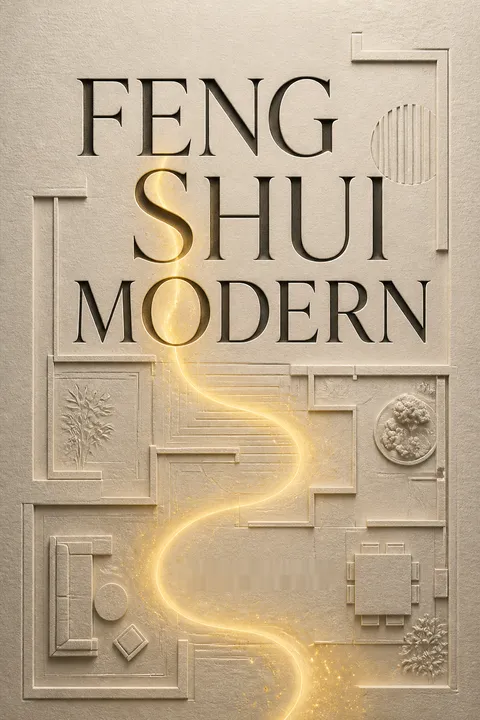
Feng Shui Modern זוכה לרוב לביקורות חיוביות, כאשר הקוראים משבחים את ההסברים הברורים שלו ואת הגישה המעשית לפנג שוואי מודרני. רבים מעריכים את יכולתו של המחבר להפוך את המושגים לנגישים ושימושיים עבור חללי מגורים עכשוויים. חלק מהקוראים מוצאים את הספר אינפורמטיבי ומאויר להפליא, בעוד שאחרים מציינים את יעילותו כמבוא לעקרונות הפנג שוואי. מספר מצומצם של מבקרים מציין כי התוכן דומה לסרטוני המדיה החברתית של המחבר, וחלקם מייחלים למידע מעמיק יותר בנושאים ספציפיים.
שאלות נפוצות
What is "Feng Shui Modern" by Cliff Tan about?
- Modern, Practical Feng Shui: The book demystifies feng shui, presenting it as a logical, instinctive approach to arranging spaces for optimal wellbeing, rather than a mystical or superstitious practice.
- Foundational Principles: Cliff Tan focuses on the "form school" (san he) of feng shui, which is based on the physical environment, energy flow, and common sense, rather than complex calculations or metaphysics.
- Room-by-Room Guidance: The book provides detailed advice on applying feng shui principles to every room and function in a modern home, from choosing a house to styling and decluttering.
- Accessible and Visual: With clear explanations and illustrations, the book is designed to help anyone—regardless of prior knowledge—create balanced, beautiful, and functional living spaces.
Why should I read "Feng Shui Modern" by Cliff Tan?
- Practical, Actionable Advice: The book offers straightforward, actionable steps for improving your home’s energy and your own wellbeing, without requiring expensive tools or esoteric knowledge.
- Focus on Wellbeing: Rather than promising wealth or luck, Cliff Tan emphasizes how good feng shui creates environments that support your mood, health, and happiness.
- Modern Relevance: The advice is tailored for contemporary living, including apartments, shared spaces, and small homes, making it highly relevant for today’s readers.
- Empowering Approach: The book encourages readers to trust their instincts and adapt feng shui principles to their own needs and feelings, making the practice accessible and personal.
What are the key takeaways from "Feng Shui Modern" by Cliff Tan?
- Feng Shui is Common Sense: At its core, feng shui is about creating spaces that feel good and function well, using logic and intuition.
- Balance is Essential: Achieving harmony between yin and yang, the five elements, and the five animals is central to a balanced home.
- Command Position Matters: Placing key furniture (like beds, sofas, and desks) in the "command position" enhances feelings of security and control.
- Personalization is Key: The best feng shui adapts to your lifestyle, preferences, and the unique qualities of your space, rather than rigidly following rules.
How does Cliff Tan define and explain the foundations of feng shui in "Feng Shui Modern"?
- Yin and Yang: These are complementary opposites (e.g., light/dark, active/calm) that must be balanced in every space for harmony.
- Ba Gua: An arrangement of eight trigrams representing different aspects of life and space, used to analyze and balance environments.
- Five Elements: Fire, earth, metal, water, and wood symbolize different qualities and are linked to directions, seasons, and colors; their balance is crucial.
- Chi (Energy): Chi is the flow of energy in a space, influenced by movement, light, air, and the arrangement of objects.
- Five Animals: The tortoise, bird, dragon, tiger, and snake represent different spatial needs (support, openness, growth, protection, and balance) and guide furniture placement.
What is the "command position" in "Feng Shui Modern" and why is it important?
- Definition: The command position is the optimal spot in a room where you feel secure, supported, and in control—typically with your back to a wall, a clear view of the entrance, and open space in front.
- Five Animals Framework: The position is explained using the five animals: tortoise (support behind), bird (open view in front), dragon and tiger (protection on sides), and snake (balance at center).
- Application: Key furniture like beds, sofas, and desks should be placed in the command position to enhance comfort, focus, and wellbeing.
- Practical Impact: Being in the command position reduces feelings of vulnerability and increases a sense of empowerment in your space.
How does "Feng Shui Modern" by Cliff Tan explain the flow of chi and its impact on home design?
- Chi as Feeling: Chi is described as the feeling or energy of a space, shaped by light, air, movement, and the arrangement of objects.
- Types of Chi: The book identifies life (sheng) chi (growth, vitality), dead (si) chi (stagnation), killing (sha) chi (aggressive, sharp), and movement chi (circulation).
- Chi Flow Mapping: Readers are taught to analyze floorplans for pathways, sharp angles, and sources of light to identify positive and negative chi zones.
- Optimizing Chi: The goal is to maximize positive chi by ensuring smooth, gentle circulation, avoiding direct alignments of doors and windows, and minimizing sharp, oppressive features.
What are the five elements in "Feng Shui Modern" and how should they be balanced in a home?
- Element Overview: The five elements—fire, earth, metal, water, and wood—each represent specific qualities, colors, shapes, and directions.
- Element Cycles: The book explains creation and destruction cycles, showing how elements support or weaken each other (e.g., water nourishes wood, but extinguishes fire).
- Room Application: Each room may have a dominant element based on its function and orientation; balance is achieved by introducing complementary elements through color, materials, and decor.
- Personalization: The balance of elements should also reflect the personalities and needs of the occupants, not just the physical space.
How does "Feng Shui Modern" by Cliff Tan guide readers in planning and arranging specific rooms?
- Room-by-Room Advice: The book covers entrances, living rooms, dining rooms, kitchens, offices, bedrooms, bathrooms, and shared spaces, offering tailored feng shui strategies for each.
- Key Principles: For each room, Cliff Tan emphasizes the command position, chi flow, balance of elements, and the importance of function and feeling.
- Common Challenges: Solutions are provided for small, long, irregular, or windowless rooms, as well as for open-plan and shared spaces.
- Practical Tips: The book includes actionable suggestions for furniture placement, color choices, lighting, and handling architectural constraints.
What are Cliff Tan’s recommendations for decluttering and storage in "Feng Shui Modern"?
- Clutter as Blocked Energy: Clutter is seen as uncontrolled, misplaced items that block the flow of chi and create mental and physical stagnation.
- Categorization System: Cliff Tan advises categorizing and storing items logically by function and location (e.g., books in the study, toiletries in the bathroom).
- Organized Storage: Even hidden storage should be tidy and methodical, as it represents your past and your capacity for the future.
- Flow and Accessibility: Furniture and storage should never block doorways or pathways, ensuring smooth movement and energy throughout the home.
How does "Feng Shui Modern" by Cliff Tan address styling, color, and lighting in home design?
- Styling for Impressions: The book suggests designing each room to look good from the main entrance or approach, with key items anchoring the view.
- Color and Element Balance: Colors are linked to the five elements and should be chosen based on room orientation, function, and desired mood; balance and contrast are more important than strict rules.
- Lighting as Yin and Yang: Artificial lighting should mix sources and types (floor, table, pendant, wall) to create a harmonious balance of light and shadow, supporting the room’s activity level.
- Personal Taste: Readers are encouraged to identify and express their own preferences, using objects and art that evoke positive feelings and memories.
What does "Feng Shui Modern" by Cliff Tan say about the use of mirrors, crystals, water features, and plants?
- Mirrors: Mirrors reflect and double energy; they should be placed to enhance light and positive features, but avoided in bedrooms and areas where calm is needed.
- Crystals: Clear crystals disperse light and energy, while mineral crystals (especially jade) symbolize earth and growth; their placement should be intentional and meaningful.
- Water Features: Moving water (fountains, aquariums) symbolizes wealth and vitality, but should be kept clean and placed thoughtfully—never in bedrooms or above living spaces.
- Indoor Plants: Plants bring life chi and the wood element, soften sharp corners, and enliven spaces, but should be healthy, well-placed, and not overused in bedrooms.
What are the best quotes from "Feng Shui Modern" by Cliff Tan and what do they mean?
- "Feng shui is really just a set of theories to guide you to build something in the best possible way." — This quote emphasizes that feng shui is practical and logical, not mystical.
- "If following a particular theory makes you feel uncomfortable, then it is not in the spirit of feng shui." — Cliff Tan encourages readers to trust their instincts and adapt principles to their own comfort.
- "Spaces do shape your moods and feelings – and this can change outcomes." — The book highlights the profound impact of environment on wellbeing and life results.
- "The best position for chi in this room is the space where there are no lines in the first or second colour, but where you can bathe in the light from the third set of coloured lines." — This practical advice on mapping chi flow shows how to find the most harmonious spot in any room.
- "With feng shui, you can create a better home – and this can change your life." — The book’s core message: thoughtful design leads to real improvements in daily living.
הורדת PDF
הורדת EPUB
.epub digital book format is ideal for reading ebooks on phones, tablets, and e-readers.








































