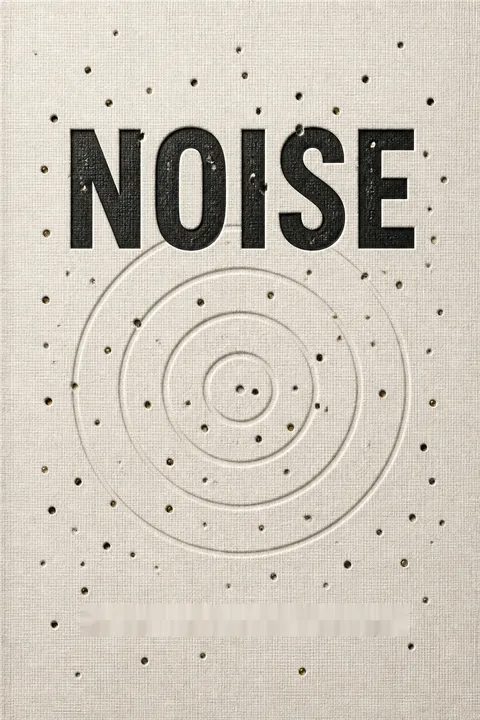

תובנות מרכזיות
1. רעש: השונות הסמויה בשיפוט האנושי
בכל מקום שבו מתקיים שיפוט, יש רעש – ולעיתים יותר ממה שנדמה לנו.
הגדרת רעש. רעש הוא השונות הבלתי רצויה בשיפוטים שצריכים להיות זהים. הוא מתרחש כאשר אנשי מקצוע שונים, המקבלים את אותה המידע, מגיעים למסקנות שונות. שונות זו לרוב בלתי נראית ומוערכת פחות ממה שמגיע לה, אך יש לה השלכות משמעותיות בתחומים רבים, ביניהם:
- רפואה: רופאים שמאבחנים באופן שונה את אותו מטופל
- משפט פלילי: שופטים שמטילים עונשים שונים לחלוטין על עבירות דומות
- עסקים: מעריכי סיכונים שקובעים פרמיות שונות באופן ניכר לאותו סיכון
השפעת הרעש. נוכחות הרעש מובילה לאי-צדק, לאי-עקביות ולטעויות יקרות בתהליכי קבלת ההחלטות. בניגוד להטיה, שגורמת לטעויות שיטתיות בכיוון מסוים, הרעש יוצר פיזור אקראי בשיפוטים. אקראיות זו עלולה להיות מזיקה לא פחות מהטיה, ולעיתים אף יותר, משום שהיא:
- פוגעת באמינות השיפוט המקצועי
- גורמת לטיפול לא שווה במקרים דומים
- עלולה להוביל להפסדים כספיים משמעותיים בעסקים
2. הטיה ורעש: שני מרכיבים נפרדים של טעות
הטיה ורעש – סטייה שיטתית ופיזור אקראי – הם שני מרכיבים שונים של הטעות.
הבנת הטעות. הטעות בשיפוט מורכבת משני מרכיבים: הטיה ורעש. שניהם תורמים לאי-דיוק, אך בדרכים שונות:
- הטיה: הטעות הממוצעת או הסטייה השיטתית מהיעד
- רעש: השונות או הפיזור של השיפוטים סביב הממוצע
משוואת הטעות. הקשר בין הטיה לרעש בקביעת הטעות הכוללת ניתן לביטוי מתמטי:
טעות כוללת = הטיה² + רעש²
משוואה זו מדגישה כי:
- הפחתת הטיה או רעש תשפר את הדיוק
- במקרים רבים, הרעש תורם יותר לטעות מהטיה
- יש לטפל בשני המרכיבים כדי להפחית את הטעות הכוללת
3. טבעו הנרחב של הרעש בתחומים שונים
רעש מערכת הוא בעיה חמורה: הוא עולה לנו מאות מיליוני שקלים.
התפשטות רחבה. הרעש אינו מוגבל למספר תחומים ספציפיים, אלא נפוץ במגוון רחב של מקצועות ותחומים. דוגמאות לכך:
- רפואה: שונות באבחנות, בהמלצות טיפול ובתחזיות
- משפט: חוסר עקביות בעונשים, בהחלטות שחרור בערבות ובאישורי מקלט
- עסקים: הבדלים בהחלטות גיוס, בהערכת ביצועים ובתחזיות פיננסיות
- ממשל: פערים ביישום מדיניות ובהחלטות רגולטוריות
עלויות נסתרות. העלויות הכספיות והחברתיות של הרעש מוערכות פחות ממה שמגיע להן ולעיתים מתעלמים מהן לחלוטין. עלויות אלו מתבטאות ב:
- חוסר יעילות בהקצאת משאבים
- טיפול לא הוגן בפרטים
- ירידה באמון הציבור במוסדות
- הזדמנויות מפוספסות והחלטות תת-אופטימליות
4. מדידה וביקורת רעש בארגונים
כדי להבין את הטעות בשיפוט, יש להבין גם את ההטיה וגם את הרעש.
ביקורת רעש. ביקורת רעש היא גישה שיטתית למדידת רמת הרעש בתוך ארגון או מערכת קבלת החלטות. התהליך כולל בדרך כלל:
- הצגת מקרים או תרחישים זהים למספר שופטים
- איסוף שיפוטיהם העצמאיים
- ניתוח השונות בין השיפוטים
סוגי רעש. ביקורת רעש יכולה לחשוף סוגים שונים של רעש:
- רעש רמת שיפוט: הבדלים עקביים ברמת השיפוט בין אנשים
- רעש דפוסי: הבדלים באופן שבו אנשים מגיבים לתכונות שונות של המקרה
- רעש הזדמנות: שונות בשיפוט של אותו אדם לגבי אותו מקרה לאורך זמן
יתרונות הביקורת. ביצוע ביקורת רעש יכול:
- להעלות מודעות להיקף הרעש בארגון
- לזהות אזורים או תהליכים עם רמות רעש גבוהות
- לספק בסיס להשוואת יעילות מאמצי הפחתת הרעש
5. הפסיכולוגיה שמאחורי הרעש: מדוע הוא מתרחש ונשאר
השיפוט הוא כמו זריקת עונשין: כמה שננסה לחזור עליו בדיוק, הוא לעולם לא יהיה זהה במדויק.
גורמים קוגניטיביים. מספר מנגנונים פסיכולוגיים תורמים להיווצרות ולשימור הרעש:
- קוהרנטיות מופרזת: נטייה ליצור רושם אחיד מדי
- הטיית אישור: חיפוש מידע התומך ברושם הראשוני
- הטיית זמינות: מתן משקל יתר למידע שקל לזכור
- עיגון: השפעה של מידע ראשוני לא רלוונטי
אשליית ההסכמה. אנשים נוטים להעריך ביתר את מידת ההסכמה של אחרים עם שיפוטיהם. אשליה זו נובעת מ:
- הקושי לדמיין נקודות מבט חלופיות
- הנטייה לחפש אישור לדעותיהם
- היעדר משוב שוטף על דיוק השיפוט
בורות אובייקטיבית. חוסר הוודאות הטבוע ברבים מהמצבים תורם לרעש. אנשים לעיתים מעריכים פחות מדי את רמת אי-הוודאות שלהם, מה שמוביל ל:
- ביטחון מופרז בתחזיות
- התעלמות מגורמים לא ידועים
- קושי להבחין בין מיומנות למזל בשיפוט
6. היגיינת החלטות: אסטרטגיות להפחתת רעש ושיפור השיפוטים
היגיינת החלטות תמנע טעויות מבלי לדעת מה הן.
עקרונות היגיינת ההחלטות. להפחתת רעש ולשיפור איכות השיפוט, ארגונים יכולים לאמץ מספר אסטרטגיות:
- להעדיף דיוק על פני הבעה אישית בשיפוטים
- לאמץ מבט חיצוני ולחשוב סטטיסטית
- לפרק שיפוטים מורכבים למשימות עצמאיות
- להתנגד לאינטואיציות מוקדמות
- לקבל שיפוטים עצמאיים לפני דיון קבוצתי
- להשתמש בשיפוטים יחסיים במקום אבסולוטיים ככל האפשר
טכניקות ספציפיות. ניתן ליישם היגיינת החלטות באמצעות שיטות שונות:
- הנחיות ורשימות בדיקה: מספקות גישה מובנית לקבלת החלטות
- פרוטוקול הערכות מתווכות: פירוק החלטות מורכבות להערכות נפרדות
- איגוד שיפוטים עצמאיים מרובים: ניצול חוכמת ההמונים
- שימוש מכוון באלגוריתמים: השלמת השיפוט האנושי בתובנות מבוססות נתונים
התמודדות עם התנגדות. יישום היגיינת החלטות נתקל לעיתים בהתנגדות בשל:
- אמונה ביתרון השיפוט האינטואיטיבי
- אי נוחות מהרגשת אובדן אוטונומיה
- הערכת חסר של היקף והשפעת הרעש
7. איזון בין כללים וסטנדרטים: החיפוש אחר הפחתת רעש מיטבית
כללים מפשטים את החיים ומפחיתים רעש. אך סטנדרטים מאפשרים התאמה לייחודיות המקרים.
כללים מול סטנדרטים. הבחירה בין כללים לסטנדרטים מייצגת פשרה יסודית בהפחתת רעש:
- כללים: הנחיות מדויקות ובלתי גמישות שמצמצמות שיקול דעת
- סטנדרטים: עקרונות כלליים שמאפשרים פרשנות מקרה-מקרה
שיקולים. בבחירה בין כללים לסטנדרטים, ארגונים צריכים לשקול:
- עלויות קבלת ההחלטות: כללים דורשים בדרך כלל פחות מאמץ ליישום
- עלויות הטעויות: סטנדרטים מאפשרים התאמה טובה יותר למצבים ייחודיים
- הצורך בעקביות: כללים מקדמים אחידות אך עלולים לפגוע בגמישות
- מורכבות התחום: סטנדרטים מתאימים יותר להקשרים משתנים ומורכבים
רעש מיטבי. המטרה אינה לבטל את כל הרעש, אלא למצוא את האיזון הנכון ש:
- מפחית שונות מזיקה בשיפוטים
- שומר על גמישות להתמודדות עם נסיבות ייחודיות
- מקיים את כבוד האדם ותחושת ההוגנות
- מאפשר התפתחות של ערכים ופרקטיקות לאורך זמן
סיכום ביקורות
רעש זוכה לביקורות מעורבות: יש המעריכים את התובנות שלו לגבי השונות בקבלת החלטות, בעוד אחרים מבקרים את אורכו ואת החזרתיות שבו. רבים רואים בערך המושג "רעש" בשיפוטים תרומה משמעותית, אך יש הטוענים כי הספר אינו מציע חידוש משמעותי לעומת עבודותיו הקודמות של כהנמן. הקוראים מברכים על היישומים המעשיים בתחומים כמו רפואה ומשפט, אך חלקם מוצאים את סגנון הכתיבה יבש ואקדמי מדי. הדגש שהספר שם על חשיבה סטטיסטית ו"היגיינת החלטות" זוכה להערכה, אם כי הדעות לגבי השפעתו הכוללת וקריאותו חלוקות.
אנשים גם קראו







שאלות נפוצות
What's Noise: A Flaw in Human Judgment about?
- Focus on Judgment Errors: The book explores the concept of noise, which is unwanted variability in judgments, and its impact on decision-making across fields like law, medicine, and business.
- Bias vs. Noise: It distinguishes between bias, a systematic error, and noise, which is random variability in judgments that should be identical.
- Real-World Examples: The authors provide numerous examples to illustrate how noise affects decision-making processes and emphasize the need for awareness and reduction of noise.
Why should I read Noise: A Flaw in Human Judgment?
- Improve Decision-Making: The book offers insights into how understanding noise can lead to better judgments in both personal and professional contexts.
- Evidence-Based Approach: It draws on extensive research and real-world case studies, making the content credible and applicable.
- Practical Applications: The book provides actionable advice and methods for reducing noise, making it a valuable resource for professionals across different fields.
What are the key takeaways of Noise: A Flaw in Human Judgment?
- Distinction Between Bias and Noise: Understanding the difference between systematic bias and random noise is crucial for improving judgment accuracy.
- Noise Audits: The authors introduce noise audits as a method for measuring variability in judgments within organizations.
- Importance of Algorithms: Simple algorithms often outperform human judgment due to their lack of noise, challenging the belief in human intuition's superiority.
How does Noise: A Flaw in Human Judgment differentiate between bias and noise?
- Bias Defined: Bias refers to systematic errors in judgment that consistently push decisions in one direction.
- Noise Explained: Noise is the random variability in judgments that should be the same, leading to inconsistent outcomes.
- Impact on Decision-Making: Addressing noise requires different strategies than addressing bias, making this distinction crucial for improving decision processes.
What is a noise audit, and how is it conducted in Noise: A Flaw in Human Judgment?
- Definition of Noise Audit: A noise audit is a systematic evaluation of the variability in judgments made by professionals within an organization.
- Methodology: It involves presenting the same cases to multiple judges and analyzing the differences in their judgments.
- Outcomes: The results can reveal significant discrepancies, prompting organizations to address noise and implement improvement strategies.
What is decision hygiene as described in Noise: A Flaw in Human Judgment?
- Preventive Approach: Decision hygiene refers to practices that aim to reduce noise in decision-making processes.
- Structured Processes: It involves structuring judgments into smaller, independent tasks and delaying holistic judgments until all components have been evaluated.
- Focus on Accuracy: The goal is to enhance the accuracy of judgments by minimizing variability caused by individual biases and cognitive errors.
How does noise affect decision-making in medicine according to Noise: A Flaw in Human Judgment?
- Variability in Diagnoses: Different doctors can arrive at varying diagnoses for the same patient, highlighting noise in medical judgments.
- Impact on Patient Care: High levels of noise can lead to misdiagnoses and inconsistent treatment recommendations.
- Case Studies: Examples from medical practice illustrate how noise manifests in areas like radiology and psychiatry.
How do algorithms compare to human judgment in predictive tasks in Noise: A Flaw in Human Judgment?
- Superiority of Algorithms: Algorithms, particularly simple models, often outperform human judgment due to their lack of noise.
- Examples of Success: The book provides examples where algorithms have successfully predicted outcomes in fields like finance and healthcare.
- Implications for Professionals: Professionals are encouraged to integrate algorithmic approaches to enhance accuracy and reduce noise.
What is the mediating assessments protocol mentioned in Noise: A Flaw in Human Judgment?
- Structured Evaluation Process: It is a structured approach to decision-making that breaks down complex judgments into independent assessments.
- Independent Assessments: Each assessment is evaluated separately to minimize biases and ensure objective criteria.
- Delayed Holistic Judgment: Final decisions are made only after all assessments, allowing for a more informed conclusion.
What strategies can be implemented to reduce noise in decision-making according to Noise: A Flaw in Human Judgment?
- Decision Hygiene: Practices like standardizing procedures, using checklists, and implementing noise audits are recommended.
- Training and Education: Training professionals on the impact of noise and bias can improve decision-making practices.
- Use of Algorithms: Integrating algorithms into decision-making processes can help reduce noise and enhance accuracy.
What are the different types of noise discussed in Noise: A Flaw in Human Judgment?
- Level Noise: Variability in the average severity of judgments made by different individuals.
- Pattern Noise: Differences in how individuals respond to specific cases, reflecting unique biases and perspectives.
- Occasion Noise: Variability in judgments made by the same individual at different times, influenced by mood and circumstances.
What are the best quotes from Noise: A Flaw in Human Judgment and what do they mean?
- “Wherever there is judgment, there is noise—and more of it than you think.”: Emphasizes that noise is a pervasive issue in decision-making.
- “The rule of law calls for a body of impersonal rules, applicable across the board.”: Advocates for standardized decision-making processes to reduce noise.
- “You are not the same person at all times.”: Highlights occasion noise, reminding readers of the variability in individual judgments.
על המחבר/ת
ספרים נוספים מאת דניאל כהנמן



הורדת PDF
הורדת EPUB
.epub digital book format is ideal for reading ebooks on phones, tablets, and e-readers.








































