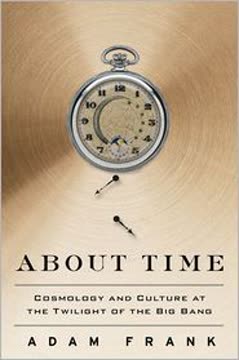
मुख्य बातें
1. समय स्थिर नहीं है: यह मानव संस्कृति और ब्रह्मांडीय समझ के साथ विकसित होता है
"मिथकों के माध्यम से, संसार को एक पूर्ण, समझने योग्य और महत्वपूर्ण ब्रह्मांड के रूप में जाना जा सकता है।"
समय एक सांस्कृतिक निर्माण है। समय कोई स्थिर या सार्वभौमिक अवधारणा नहीं है, बल्कि यह एक गतिशील अनुभव है जो मानव संस्कृति के विकास के साथ बदलता रहता है। प्रागैतिहासिक शिकारी-संग्रहकर्ताओं से लेकर आधुनिक डिजिटल समाजों तक, हमारा समय का अनुभव और समझ निरंतर विकसित होती रही है, जो तकनीकी, सामाजिक और बौद्धिक प्रगति को दर्शाती है।
समय की विविधता। विभिन्न संस्कृतियाँ और ऐतिहासिक काल समय को अलग-अलग तरीके से अनुभव करते हैं। उदाहरण के लिए:
- पाषाण युग की सभ्यताएँ समय को आकाशीय चक्रों के माध्यम से समझती थीं
- नवपाषाण किसान कृषि के चक्रों के अनुसार समय को व्यवस्थित करते थे
- औद्योगिक समाजों ने यांत्रिक घड़ियों के माध्यम से समय मापा
- डिजिटल युग में समय का अनुभव त्वरित वैश्विक संचार के रूप में होता है
ब्रह्मांडीय दृष्टिकोण। हमारा समय की समझ ब्रह्मांड की समझ से गहराई से जुड़ी है, जहाँ वैज्ञानिक खोजें लगातार हमारे समय और ब्रह्मांडीय विकास की धारणा को नया आकार देती हैं।
2. भौतिक संपर्क मानव के समय अनुभव को बदल देता है
"संस्कृति और उसकी आवश्यकताएँ बदलती हैं और ब्रह्मांड को संचालित करने वाली शक्तियाँ दूर और अधिक जटिल हो जाती हैं।"
प्रौद्योगिकी समय को नया रूप देती है। जब मनुष्य भौतिक वस्तुओं के साथ जुड़ते हैं, तो उनका समय का अनुभव मौलिक रूप से बदल जाता है। हर तकनीकी नवाचार समय को समझने, मापने और अनुभव करने के नए तरीके लाता है।
भौतिक परिवर्तन के उदाहरण:
- कृषि उपकरणों ने शिकारी-संग्रहकर्ता चक्रों से समय की धारणा बदली
- यांत्रिक घड़ियों ने सटीक और मानकीकृत समय मापन प्रस्तुत किया
- विद्युत उपकरणों ने घरेलू कार्यों के समय को संकुचित किया
- डिजिटल तकनीक ने त्वरित वैश्विक संचार संभव बनाया
सांस्कृतिक विकास की पुनरावृत्ति। भौतिक संपर्क एक प्रतिक्रिया चक्र बनाता है जहाँ तकनीकी नवाचार सांस्कृतिक प्रथाओं को बदलते हैं, जो आगे और तकनीकी विकास को प्रेरित करते हैं।
3. तकनीकी क्रांतियाँ हमारे समय के अनुभव को नया आकार देती हैं
"जैसे-जैसे मशीनें जटिल होती गईं, मानवता का समय अनुभव भी बदलता गया।"
तकनीकी तीव्रता। हर तकनीकी क्रांति मानव के समय के अनुभव को मौलिक रूप से बदल देती है, यांत्रिक घड़ियों से लेकर डिजिटल नेटवर्क तक। ये परिवर्तन हमारे समय के प्रवाह को संकुचित, विस्तारित और पुनर्गठित करते हैं।
तकनीकी समय के संकेतक:
- भाप इंजन ने औद्योगिक समय के लय बनाए
- टेलीग्राफ ने वैश्विक समकालीन संचार स्थापित किया
- रेडियो ने सांस्कृतिक अनुभवों को मानकीकृत किया
- इंटरनेट और मोबाइल तकनीक ने निरंतर कनेक्टिविटी प्रदान की
समय के अनुभव में क्वांटम छलांग। आधुनिक तकनीकों ने समय को नाटकीय रूप से संकुचित कर दिया है, जिससे लगभग तात्कालिक वैश्विक संचार और स्थान-समय के नए प्रकार के अंतःक्रियाएँ संभव हुई हैं।
4. ब्रह्मांड विज्ञान सांस्कृतिक और वैज्ञानिक दृष्टिकोणों को दर्शाता है
"संस्कृतियों को अपनी सृष्टि के व्यापक ढांचे में अपनी जगह समझने के लिए ब्रह्मांड विज्ञान की आवश्यकता होती है।"
वैज्ञानिक विश्वदृष्टि। ब्रह्मांडीय सिद्धांत केवल वस्तुनिष्ठ नहीं होते, बल्कि वे उस सांस्कृतिक, तकनीकी और बौद्धिक संदर्भ को प्रतिबिंबित करते हैं जिसमें वे उत्पन्न होते हैं। हर युग की वैज्ञानिक समझ उसके व्यापक विश्वदृष्टि का प्रतिबिंब होती है।
ब्रह्मांडीय प्रगति:
- पौराणिक व्याख्याएँ
- ग्रीक दार्शनिक मॉडल
- न्यूटनियन यांत्रिक ब्रह्मांड
- आइंस्टीन का सापेक्षतावादी स्थान-समय
- क्वांटम यांत्रिकी की समझ
- बहु-ब्रह्मांड सिद्धांत
अंतरविषयक अंतर्दृष्टि। ब्रह्मांड विज्ञान केवल वैज्ञानिक प्रयास नहीं है, बल्कि यह सांस्कृतिक कल्पना, तकनीकी क्षमता और दार्शनिक जिज्ञासा के बीच एक जटिल अंतःक्रिया है।
5. बिग बैंग ब्रह्मांडीय सिद्धांत का अंत नहीं है
"बिग बैंग लगभग मृत है, और हम अभी तक नहीं जानते कि इसे क्या बदलेगा।"
ब्रह्मांडीय मॉडल का विकास। बिग बैंग सिद्धांत ब्रह्मांड की उत्पत्ति की एक संक्रमणकालीन समझ है, न कि अंतिम व्याख्या। वैज्ञानिक प्रगति लगातार हमारे ब्रह्मांड की शुरुआत की समझ को चुनौती देती और परिष्कृत करती रहती है।
उभरते विकल्प:
- चक्रीय ब्रह्मांड मॉडल
- बहु-ब्रह्मांड सिद्धांत
- क्वांटम गुरुत्वाकर्षण की खोजें
- अनंत विस्तार के विचार
सैद्धांतिक विनम्रता। वैज्ञानिक समझ में निरंतर प्रश्न करना और नए प्रमाणों के सामने पुराने सिद्धांतों को त्यागने की तत्परता आवश्यक है।
6. क्वांटम यांत्रिकी समय की पारंपरिक समझ को चुनौती देती है
"प्रकृति, अपने मूल में, कणिकीय है।"
क्वांटम अनिश्चितता। क्वांटम यांत्रिकी समय को एक रैखिक, पूर्वानुमेय क्रम के रूप में देखने की पारंपरिक धारणा को मौलिक रूप से बाधित करती है। सूक्ष्म कणों के स्तर पर समय संभाव्य और अनिश्चित हो जाता है।
क्वांटम समय की विशेषताएँ:
- पृथक, अविरल नहीं
- संभाव्य अंतःक्रियाएँ
- क्वांटम उलझाव समय के कारण-प्रभाव को चुनौती देता है
- सूक्ष्म स्तर पर मौलिक यादृच्छिकता
दृष्टिकोण में बदलाव। क्वांटम यांत्रिकी समय को एक जटिल, गैर-सहज घटना के रूप में पुनः कल्पित करने की मांग करती है, जो मानव इंद्रियों से परे है।
7. ब्रह्मांड सरल रेखीय कथाओं से कहीं अधिक जटिल है
"ब्रह्मांड एक कहानी नहीं, बल्कि आपस में जुड़े संभावनाओं का संग्रह है।"
ब्रह्मांडीय जटिलता। ब्रह्मांड सरल, रेखीय व्याख्याओं को अस्वीकार करता है। उभरते सिद्धांत कई संभावित ब्रह्मांडीय संरचनाओं का सुझाव देते हैं, जो पारंपरिक कथात्मक ढाँचों को चुनौती देते हैं।
सैद्धांतिक विस्तार:
- बहु-ब्रह्मांड सिद्धांत
- क्वांटम गुरुत्वाकर्षण की खोजें
- चक्रीय ब्रह्मांड मॉडल
- आयामी जटिलता
बौद्धिक विनम्रता। वैज्ञानिक समझ को जटिलता और अनिश्चितता को स्वीकार करना चाहिए, बजाय सरल और अंतिम व्याख्याओं की खोज के।
8. मानव समय और ब्रह्मांडीय समय गहराई से जुड़े हुए हैं
"हमारी ब्रह्मांडीय धारणाएँ समय में डूबी हुई हैं और संस्कृति तथा अनुभव की दुनियाओं को आकार देती हैं।"
पारस्परिक प्रभाव। मानव का समय अनुभव और ब्रह्मांड की समझ लगातार एक-दूसरे को प्रभावित और पुनः आकार देते रहते हैं, जिससे सांस्कृतिक धारणा और वैज्ञानिक सिद्धांत के बीच एक गतिशील, पुनरावृत्त संबंध बनता है।
परस्पर जुड़ाव के तरीके:
- सांस्कृतिक मिथक वैज्ञानिक कल्पना को प्रभावित करते हैं
- तकनीकी विकास ब्रह्मांडीय सिद्धांतों को प्रेरित करते हैं
- वैज्ञानिक खोजें सांस्कृतिक समय की धारणा को बदलती हैं
समग्र दृष्टिकोण। समय को समझने के लिए वैज्ञानिक, सांस्कृतिक, दार्शनिक और तकनीकी अंतर्दृष्टियों का समन्वय आवश्यक है।
9. वैज्ञानिक सिद्धांत सांस्कृतिक और तकनीकी संदर्भों से उत्पन्न होते हैं
"वैज्ञानिक खोजें कभी भी अपने सांस्कृतिक समय से अलग नहीं होतीं।"
संदर्भगत विज्ञान। वैज्ञानिक सिद्धांत अकेले नहीं बनते, बल्कि वे तकनीकी क्षमताओं, सांस्कृतिक दृष्टिकोणों और सामूहिक कल्पना से गहराई से प्रभावित होते हैं।
सिद्धांत विकास के कारक:
- तकनीकी आधारभूत संरचना
- सांस्कृतिक विश्वदृष्टि
- आर्थिक परिस्थितियाँ
- दार्शनिक ढाँचे
- अंतरविषयक अंतःक्रियाएँ
नवाचार का पारिस्थितिकी तंत्र। वैज्ञानिक प्रगति के लिए भौतिक क्षमताओं, बौद्धिक जिज्ञासा और सामाजिक संरचनाओं के बीच जटिल अंतःक्रिया आवश्यक है।
10. समय का भविष्य एक खुला दार्शनिक और वैज्ञानिक प्रश्न है
"हमने हमेशा समय बनाया है, और बदले में, ब्रह्मांड में समय की हमारी समझ ने हमें बनाया है।"
लगातार खोज। समय की हमारी समझ एक निरंतर, गतिशील खोज, चुनौती और पुनः कल्पना की प्रक्रिया है।
भविष्य के खोज क्षेत्र:
- क्वांटम गुरुत्वाकर्षण अनुसंधान
- बहु-ब्रह्मांड सिद्धांत
- चेतना अध्ययन
- तकनीकी परिवर्तन
बौद्धिक साहसिक कार्य। समय को समझना मानव जिज्ञासा की एक अनवरत यात्रा है, जिसमें खुलेपन, रचनात्मकता और अंतरविषयक सहयोग की आवश्यकता होती है।
समीक्षा सारांश
अबाउट टाइम एक रोचक पुस्तक है जो इस बात की पड़ताल करती है कि मानवों की समय के प्रति धारणा सांस्कृतिक और वैज्ञानिक प्रगति के साथ कैसे विकसित हुई है। फ्रैंक ने ब्रह्मांड विज्ञान, इतिहास और दर्शनशास्त्र को एक साथ पिरोते हुए यह दिखाया है कि प्राचीन सभ्यताओं से लेकर आधुनिक भौतिकी तक हमारा समय के साथ रिश्ता कैसे बदलता गया। कुछ पाठकों को पुस्तक के कुछ भाग कठिन लगे, लेकिन अधिकांश ने फ्रैंक की आकर्षक कहानी कहने की शैली और जटिल विचारों को सरल बनाने की क्षमता की प्रशंसा की। यह पुस्तक समय मापन तकनीकों के विकास, आइंस्टीन के सिद्धांतों और नवीनतम ब्रह्मांडीय मॉडलों जैसे विषयों को समेटे हुए है। कुल मिलाकर, यह हमें सोचने पर मजबूर करती है कि समय की हमारी समझ ब्रह्मांड को देखने के हमारे नजरिए को कैसे आकार देती है।
अक्सर पूछे जाने वाले प्रश्न
What's About Time: Cosmology and Culture at the Twilight of the Big Bang about?
- Exploration of Time: The book explores the intertwined narratives of human and cosmic time, examining how our understanding of time has evolved alongside scientific discoveries.
- Cultural and Historical Context: It traces the history of time from prehistory to the modern era, highlighting how technological advancements have reshaped our experience of time.
- Cosmological Implications: Adam Frank discusses the decline of the Big Bang theory and the emergence of new theories, suggesting that our conception of time must evolve with scientific understanding.
Why should I read About Time: Cosmology and Culture at the Twilight of the Big Bang?
- Interdisciplinary Approach: The book combines science, history, and cultural studies, making complex ideas accessible and engaging for a broad audience.
- Thought-Provoking Ideas: Frank challenges readers to reconsider their assumptions about time, encouraging deeper reflection on personal and cosmic contexts.
- Cultural Relevance: It provides insights into how historical and scientific developments shape our modern, fast-paced, time-sensitive culture.
What are the key takeaways of About Time: Cosmology and Culture at the Twilight of the Big Bang?
- Time is Cultural: Our understanding of time is a cultural construct, influenced by how different societies have measured and experienced it throughout history.
- Interconnected Time: The book emphasizes the connection between cosmic and human time, showing how changes in cosmological understanding influence our perception of time.
- Future of Time: As scientific understanding evolves, so must our conception of time, potentially leading to a reimagining of cultural narratives surrounding it.
What are the best quotes from About Time: Cosmology and Culture at the Twilight of the Big Bang and what do they mean?
- “Time is the most used noun…”: This quote highlights the paradox of time's omnipresence and our limited understanding of its nature.
- “The Big Bang is dead…”: It reflects the current state of cosmology and the need for new theories, suggesting a shift in our understanding of time and existence.
- “Cultures need a cosmology…”: This underscores the importance of cosmological narratives in shaping cultural identity and societal structures.
How does About Time: Cosmology and Culture at the Twilight of the Big Bang connect human time to cosmic time?
- Historical Intertwining: Human time has evolved alongside our understanding of cosmic events, with cultural shifts influencing how we perceive and measure time.
- Technological Influence: Advancements in technology have redefined our experience of time, influencing both daily life and scientific theories about the universe.
- Cultural Reflections: Cosmological theories reflect cultural narratives about time, suggesting that our cultural identity is deeply tied to our perceptions of time.
How does About Time: Cosmology and Culture at the Twilight of the Big Bang explain Einstein's theory of relativity?
- Simultaneity and Perspective: The book discusses how Einstein's ideas about simultaneity show that events perceived as simultaneous can differ based on the observer's frame of reference.
- Relativity of Time: Time is not constant but affected by speed and gravity, leading to phenomena like time dilation.
- Cultural Context: Einstein's theories emerged from practical concerns of his time, linking scientific advancements to the cultural and technological landscape of the early 20th century.
What is the significance of the cosmic microwave background (CMB) in About Time: Cosmology and Culture at the Twilight of the Big Bang?
- Evidence of the Big Bang: The CMB is crucial evidence supporting the Big Bang theory, representing the afterglow of the universe's hot, dense state.
- Discovery Context: The accidental discovery of the CMB by Penzias and Wilson confirmed predictions made by earlier cosmologists.
- Implications for Cosmology: The CMB's uniformity and fluctuations provide insights into the early universe's conditions, reinforcing the Big Bang model.
How does About Time: Cosmology and Culture at the Twilight of the Big Bang address the concept of dark matter?
- Historical Discovery: The book discusses Fritz Zwicky's observations that led to the hypothesis of dark matter, essential for explaining galaxy behavior.
- Current Understanding: Dark matter is believed to make up a significant portion of the universe's mass, influencing galaxy formation and movement.
- Ongoing Research: Scientists face challenges in detecting dark matter and understanding its properties, highlighting its mysterious nature in cosmology.
What is the ekpyrotic universe model discussed in About Time: Cosmology and Culture at the Twilight of the Big Bang?
- Brane Collision Theory: The ekpyrotic model suggests our universe results from a collision between two three-dimensional "branes" in a higher-dimensional space.
- CMB Explanation: The model accounts for the CMB's features, suggesting ripples were created by quantum fluctuations during the brane collision.
- Cyclic Nature: It proposes a cyclic universe with repeated brane collisions, challenging the notion of a definitive beginning and end.
How does About Time: Cosmology and Culture at the Twilight of the Big Bang address the concept of time?
- Cultural Invention of Time: Time is a cultural construct shaped by historical and societal contexts, not a universal truth.
- Philosophical Exploration: The book delves into the philosophical implications of time, suggesting it may not be as linear or absolute as traditionally thought.
- Interconnectedness of Time and Existence: Time is deeply intertwined with our existence and understanding of the universe, influencing our lives and cosmic interactions.
What are the criticisms of the Big Bang theory mentioned in About Time: Cosmology and Culture at the Twilight of the Big Bang?
- Initial Conditions Problem: The Big Bang theory relies on specific initial conditions that seem unlikely or contrived.
- Dark Energy Dilemma: The discovery of dark energy challenges the Big Bang model, with alternative theories incorporating it more naturally.
- Lack of Comprehensive Explanations: The theory struggles to explain certain phenomena, with alternative models offering different frameworks.
How does About Time: Cosmology and Culture at the Twilight of the Big Bang connect cosmology with cultural narratives?
- Interplay of Science and Culture: Cosmological theories are influenced by cultural beliefs and narratives, highlighting the importance of cultural context.
- Myth and Cosmology: Ancient myths and modern cosmological theories share common themes, offering insights into humanity's evolving understanding of the universe.
- Cultural Reflections on Time: Different cultures have distinct perceptions of time, shaping their cosmological views and understanding of the cosmos.








































