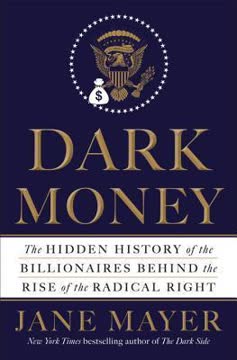
मुख्य बातें
1. कोच भाइयों ने अपने लिबर्टेरियन एजेंडा को आगे बढ़ाने के लिए एक शक्तिशाली राजनीतिक नेटवर्क बनाया
"अगर हम बहुत सारा पैसा देंगे, तो हम यह सुनिश्चित करेंगे कि वे उसे हमारे इरादे के अनुरूप खर्च करें। और अगर वे गलत रास्ता पकड़ लें और ऐसी बातें करने लगें जिनसे हम सहमत नहीं हैं, तो हम फंडिंग वापस ले लेंगे।"
शुरुआत और विकास। तेल की संपत्ति के वारिस चार्ल्स और डेविड कोच ने 1970 के दशक में अपना राजनीतिक नेटवर्क बनाना शुरू किया। लिबर्टेरियन आदर्शों से प्रेरित होकर, उन्होंने मुक्त बाजार अर्थव्यवस्था और सीमित सरकार को बढ़ावा देने के लिए थिंक टैंक्स, शैक्षणिक कार्यक्रमों और वकालत समूहों को वित्तपोषित किया। 2000 के बाद उनके प्रयास तेज हुए, जब उन्होंने गुप्त दाता सम्मेलनों की मेजबानी की और राजनीतिक कारणों में सैकड़ों मिलियन डॉलर लगाए।
मुख्य घटक:
- अमेरिकन्स फॉर प्रॉस्पेरिटी - जमीनी स्तर की वकालत संगठन
- कैटो इंस्टीट्यूट - लिबर्टेरियन थिंक टैंक
- मर्केटस सेंटर, जॉर्ज मेसन यूनिवर्सिटी - शैक्षणिक अनुसंधान केंद्र
- स्टेट पॉलिसी नेटवर्क - राज्य स्तरीय रूढ़िवादी थिंक टैंकों का गठबंधन
कोच भाइयों का नेटवर्क "कोचटोपस" के नाम से जाना गया, क्योंकि इसका प्रभाव राजनीति, मीडिया, शिक्षा और व्यवसाय में दूर-दूर तक फैला था। 2010 तक, यह रिपब्लिकन पार्टी के आकार और दायरे के बराबर था, जिससे कोच भाइयों को अमेरिकी राजनीति पर असाधारण प्रभाव डालने का मौका मिला, जबकि वे आम जनता के लिए ज्यादातर अज्ञात थे।
2. सिटिजन्स यूनाइटेड के बाद अमीर दाताओं से आने वाला डार्क मनी अमेरिकी राजनीति को बदल गया
"इसने अमीर लोगों को लगभग पूरी स्वतंत्रता दे दी कि वे अपने पसंदीदा उम्मीदवारों के समर्थन में जितना चाहें खर्च कर सकें।"
अभियान वित्त का नया युग। 2010 में सिटिजन्स यूनाइटेड सुप्रीम कोर्ट के फैसले ने चुनावों में कॉर्पोरेट और यूनियन खर्च पर लगी पाबंदियां हटा दीं, जिससे "डार्क मनी" का रास्ता खुल गया - ऐसे राजनीतिक खर्च जो गैर-लाभकारी संस्थाएं करती हैं और जिन्हें अपने दाताओं का खुलासा नहीं करना पड़ता। इससे अमीर व्यक्ति और कंपनियां चुनावों में अभूतपूर्व धनराशि गुप्त रूप से डाल सकीं।
मुख्य प्रभाव:
- सुपर PACs का उदय, जो असीमित धन जुटा और खर्च कर सकते हैं
- 501(c)(4) "सामाजिक कल्याण" समूहों का राजनीतिक वाहनों के रूप में प्रसार
- राजनीतिक पार्टियों से बाहर के समूहों और दाताओं को शक्ति का स्थानांतरण
- दाताओं द्वारा उम्मीदवारों को वैचारिक चरम सीमाओं की ओर धकेलने से ध्रुवीकरण में वृद्धि
डार्क मनी के इस प्रवाह ने अमेरिकी राजनीति को नया आकार दिया, जिससे कोच जैसे अमीर दाताओं को चुनावों और नीतियों पर कहीं अधिक प्रभाव मिला। 2012 तक, बाहरी खर्च $1 बिलियन से अधिक हो गया था, जिसका अधिकांश हिस्सा अज्ञात स्रोतों से था।
3. टी पार्टी आंदोलन का वित्तपोषण और संचालन मुख्यतः रूढ़िवादी अरबपतियों ने किया
"यह अमेरिकी राजनीति में कोई नई प्रवृत्ति नहीं थी। 'पैमाना असामान्य था, लेकिन इतिहास ने दिखाया है कि इसी तरह की प्रतिक्रियावादी ताकतों ने फ्रैंकलिन रूजवेल्ट के बाद लगभग हर डेमोक्रेटिक राष्ट्रपति पर हमला किया है।'"
आस्ट्रोटर्फ की उत्पत्ति। जबकि इसे एक जमीनी स्तर की विद्रोह के रूप में प्रस्तुत किया गया, टी पार्टी आंदोलन का अधिकांश संचालन और वित्तपोषण कोच जैसे रूढ़िवादी अरबपतियों ने किया। अमेरिकन्स फॉर प्रॉस्पेरिटी जैसे समूहों ने टी पार्टी रैलियों और उम्मीदवारों के लिए लॉजिस्टिक समर्थन, संदेश और फंडिंग प्रदान की। इससे अमीर दाताओं को लोकप्रिय असंतोष का उपयोग कर अपने कर कटौती और विनियमन में ढील देने के एजेंडे को आगे बढ़ाने का मौका मिला।
मुख्य घटक:
- फ्रीडमवर्क्स - कार्यकर्ताओं को प्रशिक्षण और संसाधन प्रदान करता था
- टी पार्टी पैट्रियट्स - राष्ट्रीय समन्वय समूह
- टी पार्टी एक्सप्रेस - बस यात्राओं और रैलियों का आयोजन करने वाला रूढ़िवादी PAC
- स्थानीय टी पार्टी समूह - अक्सर राष्ट्रीय संगठनों द्वारा समर्थित
इस आंदोलन का सरकार-विरोधी और कर-विरोधी संदेश कोच के लिबर्टेरियन विचारों के साथ गहराई से मेल खाता था। जनवादी क्रोध को चैनल करते हुए, रूढ़िवादी दाताओं ने रिपब्लिकन पार्टी को और दाहिने ध्रुव की ओर धकेला और ओबामा के एजेंडे को बाधित किया।
4. थिंक टैंक्स और वकालत समूह वैचारिक युद्ध के प्रमुख हथियार बन गए
"इन प्रयासों ने कैंपस के बाएं पंथ—विशेष रूप से, अमेरिका के कॉलेजों और विश्वविद्यालयों पर कट्टरपंथी कार्यकर्ताओं के नियंत्रण की समस्या—को चुनौती देने में महत्वपूर्ण भूमिका निभाई है।"
फिलान्थ्रॉपी का हथियार बनाना। कोच, स्केफ और ओलिन परिवार जैसे रूढ़िवादी दाताओं ने मुक्त बाजार विचारधारा को बढ़ावा देने के लिए थिंक टैंक्स, शैक्षणिक केंद्रों और वकालत समूहों में सैकड़ों मिलियन डॉलर लगाए। इससे एक बौद्धिक और राजनीतिक आधारशिला बनी, जो अकादमिक और नीति क्षेत्रों में उदार प्रभुत्व का मुकाबला कर सके।
मुख्य रणनीतियाँ:
- प्रतिष्ठित विश्वविद्यालयों में शैक्षणिक केंद्रों और प्रोफेसरशिप का वित्तपोषण
- मुख्यधारा के मीडिया के लिए रूढ़िवादी विकल्प बनाना
- युवा रूढ़िवादियों को इंटर्नशिप और फैलोशिप के माध्यम से प्रशिक्षित करना
- नीति पत्रों और ओप-एड्स की निरंतर धारा का उत्पादन
हेरिटेज फाउंडेशन, कैटो इंस्टीट्यूट और फेडरलिस्ट सोसाइटी जैसे संगठन नीति बहसों और न्यायिक नामांकनों को आकार देने में प्रभावशाली बने। इस "विचार उत्पादन लाइन" ने रूढ़िवादियों को मुद्दों को पुनः परिभाषित करने और स्वीकार्य नीति विकल्पों की ओवर्टन विंडो को दाहिने ओर स्थानांतरित करने की अनुमति दी।
5. जलवायु परिवर्तन अस्वीकार को जीवाश्म ईंधन हितों ने रणनीतिक रूप से बढ़ावा दिया
"हम बॉस्टन टी पार्टी के विचार को अहिंसक सामाजिक परिवर्तन के उदाहरण के रूप में अध्ययन करते हैं। हमने सीखा कि विचार बेचने के लिए जमीन पर पैर होना जरूरी है, उम्मीदवार नहीं।"
संदेह पैदा करना। जीवाश्म ईंधन कंपनियों और उनके सहयोगियों ने जलवायु विज्ञान पर संदेह फैलाने और वैश्विक तापमान वृद्धि पर कार्रवाई को रोकने के लिए एक संगठित अभियान चलाया। कोच और अन्य तेल हितों द्वारा वित्तपोषित थिंक टैंक्स और वकालत समूहों ने जलवायु परिवर्तन पर विरोधी शोध और टिप्पणी की निरंतर धारा जारी की।
मुख्य उपाय:
- संशयवादी वैज्ञानिकों को वित्तपोषित करना और उनके विचारों को बढ़ावा देना
- "कूलर हेड्स कोएलिशन" जैसे फ्रंट समूह बनाना
- पर्यावरणीय नियमों और अंतरराष्ट्रीय समझौतों के खिलाफ लॉबिंग करना
- मीडिया पर दबाव डालना कि वे जलवायु संशयवादियों को बराबर समय दें
यह प्रयास वैज्ञानिक सहमति के बावजूद जलवायु परिवर्तन पर सार्वजनिक राय को ध्रुवीकृत करने में सफल रहा। इससे जीवाश्म ईंधन कंपनियों को नियमों में देरी करने और कार्बन-गहन ऊर्जा स्रोतों से लाभ कमाने का मौका मिला।
6. आलोचकों को बदनाम करने और सार्वजनिक राय बनाने के लिए आक्रामक तरीकों का इस्तेमाल किया गया
"मिट्टी, मिट्टी, मिट्टी"—यही स्रोत ने बाद में बताया कि वे मेरी जिंदगी में खोज रहे थे। "अगर वे नहीं पा सके, तो वे बना देते।"
निर्दयी राजनीति। कोच और उनके सहयोगियों ने आलोचकों को बदनाम करने और सार्वजनिक राय को आकार देने के लिए आक्रामक रणनीतियाँ अपनाईं। इसमें निजी जासूसों की नियुक्ति, नकली जमीनी स्तर के समूह बनाना, और सोशल मीडिया का दुरुपयोग शामिल था। कोच के आलोचक अक्सर समन्वित बदनाम अभियान के निशाने पर पाए गए।
उदाहरण:
- माइकल मैन जैसे जलवायु वैज्ञानिकों पर हमले
- कोच की जांच करने वाले पत्रकारों को बदनाम करने के प्रयास
- पर्यावरणीय नियमों के विरोध में आस्ट्रोटर्फ समूहों का निर्माण
- राजनीतिक विरोधियों को निशाना बनाने के लिए विपक्षी अनुसंधान का उपयोग
ये निर्दयी तरीके सामान्य राजनीतिक मुकाबले से परे थे, और उन लोगों के लिए डर का माहौल बनाते थे जो शक्तिशाली दाताओं को चुनौती देते थे। यह दिखाता है कि कुछ अमीर सक्रियकर्मी सार्वजनिक विमर्श को नियंत्रित करने के लिए अपने संसाधनों का उपयोग करने को तैयार हैं।
7. कर नीति अमीर दाताओं के हितों को आगे बढ़ाने के लिए प्रमुख युद्धक्षेत्र बन गई
"जब ओलिगार्च सरकार के लीवर नियंत्रित करते हैं, तो वे लाभ पाते हैं। यह कर नीति के माध्यम से मुकदमा चलता है।"
कर संहिता का पुनर्लेखन। कोच जैसे अमीर दाताओं ने कर कटौती को शीर्ष प्राथमिकता बनाया, ऐसी नीतियों के लिए दबाव डाला जो अमीरों को असाधारण लाभ पहुंचाती थीं। इसमें उच्च आयकर दरों में कमी, पूंजीगत लाभ कर में कटौती, और संपत्ति कर (एस्टेट टैक्स) को समाप्त करना शामिल था। रूढ़िवादी थिंक टैंक्स ने लगातार शोध प्रस्तुत किया कि ये कटौती आर्थिक विकास को बढ़ाएंगी।
मुख्य पहलें:
- 2001 और 2003 के बुश युग के कर कटौती
- "मृत्यु कर" (एस्टेट टैक्स) को समाप्त करने का प्रयास
- कैरिड इंटरेस्ट छूट को बंद करने का विरोध
- फ्लैट टैक्स प्रस्तावों को बढ़ावा देना
कर कटौती पर ध्यान केंद्रित करने से अमीर दाताओं के हित रिपब्लिकन पार्टी की कर-विरोधी विचारधारा के साथ मेल खाते रहे। इससे आय असमानता बढ़ी और सरकारी राजस्व में गिरावट आई।
8. पॉल रयान का बजट योजना रूढ़िवादी दाताओं के प्रभाव का उदाहरण थी
"यह नीति विकसित करने के बारे में नहीं था, इसे बेचने के बारे में था।"
दाता-प्रेरित नीति। प्रतिनिधि पॉल रयान की 2011 की बजट योजना, "द पाथ टू प्रॉस्पेरिटी," ने कोच जैसे रूढ़िवादी दाताओं की नीति प्राथमिकताओं को प्रतिबिंबित किया। इसमें सामाजिक कार्यक्रमों में भारी कटौती, मेडिकेयर का आंशिक निजीकरण, और अमीरों के लिए बड़े कर कटौती शामिल थे। यह योजना रूढ़िवादी थिंक टैंक्स की सलाह से विकसित की गई और दाता-फंडेड पोलिंग और फोकस समूहों के माध्यम से परखी गई।
मुख्य तत्व:
- मेडिकेयर को वाउचर कार्यक्रम में बदलना
- मेडिकेड को राज्यों को ब्लॉक-ग्रांट देना
- शीर्ष कर दरों को 25% तक कम करना
- खाद्य स्टैम्प और अन्य गरीबी विरोधी कार्यक्रमों में भारी कटौती
राजनीतिक रूप से जोखिम भरे होने के बावजूद, रयान की योजना छोटे सरकार की विचारधारा के अनुरूप थी, जिसे कोच नेटवर्क ने बढ़ावा दिया। इसने दिखाया कि दाता प्रभाव कैसे रिपब्लिकन नीति एजेंडा को आकार दे सकता है, भले ही वह सार्वजनिक राय के विपरीत हो।
9. ऋण सीमा संकट ने कट्टर रिपब्लिकनों की बढ़ती शक्ति को उजागर किया
"हमने नेतृत्व किया। वे हमारी प्रतिक्रिया थे।"
ब्रिंकस्मैनशिप राजनीति। 2011 के ऋण सीमा संकट ने टी पार्टी समर्थित रिपब्लिकनों की बढ़ती ताकत को उजागर किया, जिन्हें रूढ़िवादी दाताओं का समर्थन प्राप्त था। आर्थिक तबाही के खतरे के बावजूद, वे देश को डिफ़ॉल्ट के कगार पर ले जाने को तैयार थे ताकि खर्च में कटौती और कर वृद्धि को रोका जा सके। यह GOP के भीतर व्यावहारिक व्यावसायिक हितों की तुलना में वैचारिक दाताओं के असाधारण प्रभाव को दर्शाता है।
मुख्य कारक:
- कांग्रेस में टी पार्टी कॉकस का उदय
- अमेरिकन्स फॉर प्रॉस्पेरिटी जैसे समूहों का दबाव
- रिपब्लिकन नेतृत्व के आंतरिक संघर्ष
- ओबामा प्रशासन की प्रारंभिक स्थिति की गलत समझ
यह संकट दिखाता है कि दाता समर्थित वैचारिक कट्टरता कैसे रिपब्लिकन राजनीति को नया आकार दे रही है। यह आने वाले वर्षों में और अधिक पार्टीगत गतिरोध और ब्रिंकस्मैनशिप का पूर्वाभास था, क्योंकि दाता प्राथमिकताएं अक्सर सार्वजनिक राय और पारंपरिक व्यावसायिक हितों से भिन्न होती हैं।
समीक्षा सारांश
डार्क मनी इस बात का पर्दाफाश करता है कि अमीर अरबपति, खासकर कोच भाइयों ने अपनी संपत्ति का इस्तेमाल अमेरिकी राजनीति को प्रभावित करने के लिए कैसे किया है। उन्होंने एक जाल बिछाया है जिसमें थिंक टैंक, शैक्षणिक कार्यक्रम और राजनीतिक संगठन शामिल हैं। पाठकों ने इस किताब को आँखें खोलने वाली, गहराई से शोधित और चिंताजनक पाया, क्योंकि यह डार्क मनी के लोकतंत्र पर पड़ने वाले प्रभाव की व्यापकता को उजागर करती है। कई लोगों ने मेयर की जांच-पड़ताल वाली पत्रकारिता की प्रशंसा की और महसूस किया कि यह किताब वर्तमान राजनीतिक रुझानों को समझाने में मददगार है। जबकि कुछ इसे निराशाजनक मानते हैं, अधिकांश इसे अमेरिकी राजनीति की शक्ति संरचनाओं को समझने के लिए अनिवार्य पढ़ाई मानते हैं।
लोग यह भी पढ़ते हैं
अक्सर पूछे जाने वाले प्रश्न
What's Dark Money about?
- Focus on Political Influence: Dark Money by Jane Mayer examines how billionaires, especially the Koch brothers, use their wealth to influence U.S. politics and public policy. It reveals the secretive networks and strategies they employ to promote libertarian ideals.
- Historical Context: The book spans several decades, detailing the rise of radical right-wing movements and the role of philanthropy in advancing their agendas. It highlights key events and figures that have transformed American political discourse.
- Impact on Democracy: Mayer argues that the concentration of wealth undermines democratic processes, as a few individuals can exert disproportionate influence over elections and policy decisions.
Why should I read Dark Money?
- Insight into Political Dynamics: The book provides a comprehensive understanding of how money shapes politics in the U.S., revealing the mechanisms through which wealthy donors manipulate the political landscape.
- Awareness of Philanthropic Strategies: It uncovers tactics used by billionaires to disguise political motives under philanthropy, crucial for recognizing their impact on public policy and governance.
- Engaging Storytelling: Mayer combines investigative journalism with compelling narratives, making complex political issues accessible and engaging through thorough research and vivid storytelling.
What are the key takeaways of Dark Money?
- Wealth and Power Dynamics: A small group of wealthy individuals can significantly alter the political landscape, often at the expense of the broader public interest.
- Secrecy in Political Donations: The book highlights the lack of transparency in political donations, particularly through nonprofits that obscure donor identities, allowing unchecked influence.
- Long-term Strategy: The Koch brothers and allies use a long-term strategy to shift public opinion and policy, funding think tanks, advocacy groups, and campaigns to reshape conservatism.
What are the best quotes from Dark Money and what do they mean?
- "Our movement must destroy the prevalent statist paradigm.": Reflects the Koch brothers' radical libertarian ideology, emphasizing their goal to dismantle government intervention in the economy.
- "The Kochs are on a whole different level.": Highlights the unprecedented scale of the Kochs' financial influence in politics, setting them apart in political philanthropy.
- "There is anonymity that we can protect.": Reveals efforts to conceal donor identities, pointing to accountability issues in political financing and implications for democracy.
Who are the Koch brothers, and what role do they play in Dark Money?
- Wealthy Industrialists: Charles and David Koch are billionaire industrialists who own Koch Industries, a major player in U.S. politics, promoting libertarian ideals.
- Political Activism: They fund a vast network of political organizations, think tanks, and advocacy groups to advance their agenda, focusing on reducing government regulation and taxes.
- Controversial Figures: Their significant financial contributions to political campaigns and policies that critics argue benefit the wealthy have sparked debate about money's role in politics.
What is the "Kochtopus" as described in Dark Money?
- Definition of Kochtopus: Refers to the extensive network of organizations funded by the Koch brothers to promote their libertarian agenda, symbolizing their multifaceted influence.
- Integration of Efforts: The Kochtopus integrates think tanks, advocacy groups, and grassroots organizations to create a cohesive strategy for political change.
- Long-term Vision: Represents a long-term vision for reshaping American politics, focusing on dismantling government regulations and promoting free-market principles.
What is the significance of the Citizens United decision in Dark Money?
- Legal Framework for Dark Money: The 2010 decision allowed unlimited corporate and union spending on political campaigns, changing campaign finance.
- Empowerment of Wealthy Donors: Enabled wealthy individuals and corporations to exert greater influence over elections and policy decisions without disclosing donors.
- Impact on Democracy: Mayer argues it undermines democratic principles by allowing a few wealthy donors to dominate political discourse, increasing polarization.
How do the Koch brothers use their wealth to influence education and academia?
- Funding Think Tanks and Programs: They invest in think tanks like the Mercatus Center to promote free-market ideas, shaping academic discourse and future policymakers.
- Creating a Network of Scholars: Through initiatives like the Institute for Humane Studies, they cultivate scholars who share their beliefs, ensuring representation in policy debates.
- Controversy Over Independence: Critics argue their financial support compromises academic independence, prioritizing research aligning with their interests, raising questions about scholarship integrity.
How does Dark Money address the issue of transparency in political donations?
- Lack of Accountability: Highlights challenges of transparency with dark money groups operating without disclosing funding sources, raising integrity concerns.
- Anonymity of Donors: Discusses organizations facilitating anonymous donations, allowing influence without scrutiny, leading to potential corruption and distrust.
- Calls for Reform: Mayer advocates for reforms to increase transparency in campaign financing, emphasizing the need for regulations requiring full disclosure to protect democracy.
What strategies do the Koch brothers employ to mobilize public support?
- Astroturf Campaigns: They create campaigns mimicking grassroots movements but funded by wealthy interests, creating the illusion of widespread support.
- Leveraging Media and Messaging: Utilize media outlets and commentators to disseminate messages, funding organizations producing favorable research and PR campaigns.
- Building Coalitions: Collaborate with other wealthy donors and organizations to amplify influence, pooling resources for a formidable political force.
How does Dark Money illustrate the relationship between philanthropy and politics?
- Philanthropic Funding: Discusses how the Kochs and others use philanthropy to advance political agendas, funding think tanks and advocacy groups to shape discourse.
- Strategic Investments: Highlights donations tied to specific political goals, allowing influence while maintaining a veneer of altruism.
- Impact on Democracy: Argues this relationship can undermine public interest, leading to policies favoring the wealthy, raising questions about money's role in democracy.
What are the implications of the findings in Dark Money for American democracy?
- Threat to Democratic Integrity: Suggests dark money poses a significant threat to democracy, as wealthy individuals exert disproportionate control, marginalizing ordinary citizens.
- Need for Reform: Calls for reforms addressing campaign finance and transparency issues, warning democracy may be undermined by wealthy elite interests.
- Awareness and Activism: Encourages readers to become aware of money's role in politics, advocating for changes promoting a more equitable political landscape.








































