मुख्य बातें
1. प्राचीन सभ्यताओं ने विश्व इतिहास की नींव रखी
इतिहास एक जुड़ा हुआ समग्र है और आप किसी एक देश का इतिहास भी तब तक समझ नहीं सकते जब तक आप दुनिया के अन्य हिस्सों में क्या हुआ, यह न जानें।
इतिहास की अंतर्संबद्धता। नेहरू इस बात पर जोर देते हैं कि विश्व इतिहास को समझने के लिए सभ्यताओं की अंतर्संबद्धता को पहचानना आवश्यक है। एक क्षेत्र का विकास अन्य क्षेत्रों को प्रभावित करता है और उनसे प्रभावित होता है, जिससे जटिल संबंधों का एक जाल बनता है।
प्राचीन सभ्यताएँ। पुस्तक में मिस्र, मेसोपोटामिया, भारत और चीन जैसी प्राचीन सभ्यताओं का महत्व बताया गया है, जो लगभग 5000 ईसा पूर्व उभरीं। इन समाजों ने कृषि, लेखन, कला और सामाजिक संरचनाओं का विकास किया, जिसने भविष्य की प्रगति के लिए आधार तैयार किया।
- मिस्र: पिरामिड, स्फिंक्स, उन्नत सामाजिक संरचना
- मेसोपोटामिया: सुमेर और अक्काद, उर का शहर
- भारत: सिंधु घाटी सभ्यता (मोहनजोदड़ो), द्रविड़
- चीन: कृषि, रेशम संस्कृति, लेखन
हमारी विरासत। आधुनिक समाज इन प्राचीन सभ्यताओं से ज्ञान, तकनीकों और सांस्कृतिक परंपराओं की विशाल विरासत प्राप्त करते हैं। इस विरासत को समझना वर्तमान की सराहना और भविष्य के निर्माण के लिए अत्यंत आवश्यक है।
2. साम्राज्य उभरते और गिरते हैं, लेकिन सांस्कृतिक विरासतें स्थायी रहती हैं
साम्राज्य आते हैं और जाते हैं, और सबसे बड़े और गर्वीले राजा और सम्राट केवल थोड़े समय के लिए विश्व मंच पर चलते हैं। लेकिन सभ्यताएँ टिकती हैं।
शक्ति की अस्थिरता। नेहरू बताते हैं कि साम्राज्य अपनी शक्ति और वैभव के बावजूद अस्थायी होते हैं। राजनीतिक सत्ता बदलती रहती है, शासक आते-जाते रहते हैं, लेकिन किसी सभ्यता के सांस्कृतिक और बौद्धिक योगदान स्थायी प्रभाव छोड़ते हैं।
सभ्यात्मक निरंतरता। जबकि साम्राज्य गिर सकते हैं, सभ्यताएँ अक्सर ऐसी विरासत छोड़ती हैं जो आने वाले समाजों को आकार देती हैं। ये विरासतें हो सकती हैं:
- कलात्मक और वास्तुशिल्प उपलब्धियाँ
- दार्शनिक और धार्मिक विचार
- वैज्ञानिक और तकनीकी प्रगति
- कानूनी और राजनीतिक प्रणालियाँ
स्थायी विरासतों के उदाहरण। पुस्तक प्राचीन ग्रीस के आधुनिक यूरोप पर स्थायी प्रभाव और भारतीय तथा चीनी सभ्यताओं की निरंतरता को राजनीतिक उथल-पुथल के बावजूद दर्शाती है।
3. धर्म और दर्शन समाजों और नैतिकता को आकार देते हैं
धर्मों के महान संस्थापक विश्व के सबसे महान और श्रेष्ठ पुरुषों में रहे हैं।
नैतिक मार्गदर्शन। नेहरू धार्मिक और दार्शनिक नेताओं के समाजों और नैतिक मूल्यों के निर्माण में गहरे प्रभाव को स्वीकार करते हैं। बुद्ध, कन्फ्यूशियस, यीशु और मुहम्मद जैसे व्यक्तियों ने नैतिक ढांचे प्रदान किए, जिन्होंने मानव व्यवहार को निर्देशित किया और सामाजिक सुधारों को प्रेरित किया।
धर्म की दोधारी तलवार। धर्म महान कार्यों को प्रेरित कर सकता है, लेकिन इसे हिंसा, असहिष्णुता और उत्पीड़न के लिए भी इस्तेमाल किया जा सकता है। पुस्तक धार्मिक संस्थापकों की मूल शिक्षाओं और उनके अनुयायियों द्वारा बाद में की गई व्याख्याओं और कार्यों के बीच अंतर करने का महत्व बताती है।
सत्य की खोज। नेहरू आलोचनात्मक सोच और स्थापित विश्वासों पर प्रश्न करने के महत्व पर जोर देते हैं। वे पाठकों को चर्चा, बहस और व्यक्तिगत अनुभव के माध्यम से सत्य की खोज करने के लिए प्रोत्साहित करते हैं, न कि अंधविश्वास को बिना सोचे-समझे स्वीकार करने के लिए।
4. साम्राज्यवाद संसाधनों का शोषण करता है और संघर्ष पैदा करता है
उन्होंने अपनी सूक्ष्म राजनीति में यह कला खोज निकाली है कि वे भूखे मरने वालों को मार डालें, जो धरती की खेती करके दूसरों को जीवन के साधन देते हैं।
शोषण और प्रभुत्व। संसाधनों और बाजारों की लालसा से प्रेरित साम्राज्यवाद कमजोर देशों का शोषण और प्रभुत्व स्थापित करता है। यह शोषण अक्सर आर्थिक नियंत्रण, राजनीतिक चालाकी और सैन्य हस्तक्षेप के रूप में होता है।
असमान संबंध। साम्राज्यवादी शक्तियाँ अपने उपनिवेशों के साथ असमान संबंध बनाती हैं, धन और संसाधनों को निकालती हैं और उपनिवेशों के विकास में बाधा डालती हैं। यह शोषण गरीबी, सामाजिक अशांति और राजनीतिक अस्थिरता को बढ़ावा देता है।
प्रतिरोध और राष्ट्रवाद। साम्राज्यवाद अनिवार्य रूप से उपनिवेशित देशों में प्रतिरोध और राष्ट्रवाद को जन्म देता है। लोग विदेशी प्रभुत्व को चुनौती देने और अपनी संप्रभुता वापस पाने के लिए उठ खड़े होते हैं, जो अक्सर लंबी संघर्षों और स्वतंत्रता की लड़ाइयों में बदल जाता है।
5. राष्ट्रवाद एकजुट करता है और विभाजित भी करता है
हमेशा याद रखें कि विभिन्न लोगों के बीच उतना बड़ा अंतर नहीं होता जितना हम सोचते हैं।
राष्ट्रवाद की द्वैत प्रकृति। नेहरू राष्ट्रवाद की द्वैत प्रकृति को पहचानते हैं, जो एक ओर लोगों को एकजुट करता है, वहीं दूसरी ओर राष्ट्रों के बीच वैमनस्य और संघर्ष भी पैदा कर सकता है।
साझा मानवता। पुस्तक सभी लोगों की साझा मानवता को पहचानने के महत्व पर जोर देती है, चाहे उनकी राष्ट्रीयता या सांस्कृतिक पृष्ठभूमि कुछ भी हो। संकीर्ण सोच और पूर्वाग्रह को दूर करना एक अधिक शांतिपूर्ण और सहयोगी विश्व के निर्माण के लिए आवश्यक है।
राष्ट्रवाद की सीमाएँ। राष्ट्रवाद मुक्ति और स्व-निर्णय के लिए शक्तिशाली बल हो सकता है, लेकिन यह बहिष्कार, असहिष्णुता और आक्रामकता भी ला सकता है। पुस्तक अंधराष्ट्रभक्ति और अपने राष्ट्र की महिमा के लिए दूसरों की कीमत पर गौरव करने के खतरों के प्रति सावधान करती है।
6. औद्योगिक क्रांति ने उत्पादन और समाज को बदल दिया
विज्ञान ने वास्तव में चमत्कार किए हैं, और विज्ञान के महान पुरुष सभी सम्मान के पात्र हैं। लेकिन जो घमंड करते हैं वे शायद ही कभी महान होते हैं।
तकनीकी प्रगति। औद्योगिक क्रांति ने अभूतपूर्व तकनीकी प्रगति लाई, जिसने उत्पादन, परिवहन और संचार के तरीकों को बदल दिया। इन प्रगति ने कुछ लोगों के लिए धन और जीवन स्तर में सुधार लाया, लेकिन नई असमानता और शोषण के रूप भी उत्पन्न किए।
सामाजिक और आर्थिक उथल-पुथल। कारखानों और बड़े पैमाने पर उत्पादन के उदय ने पारंपरिक सामाजिक संरचनाओं को बाधित किया और एक नई मजदूर वर्ग का निर्माण किया। इससे शहरीकरण, गरीबी और सामाजिक अशांति हुई, साथ ही समाजवाद और साम्यवाद जैसे नए विचारधाराओं का उदय हुआ।
मशीन युग। पुस्तक मनुष्यों और मशीनों के जटिल संबंधों की पड़ताल करती है, प्रगति की संभावनाओं और तकनीकी निर्धारणवाद के खतरों दोनों को उजागर करती है। यह तकनीक का उपयोग आम भलाई के लिए करने के महत्व पर जोर देती है, न कि इसे मौजूदा असमानताओं को बढ़ावा देने के लिए।
7. विज्ञान और तकनीक प्रगति और विनाश दोनों के चालक हैं
विज्ञान ने वास्तव में चमत्कार किए हैं, और विज्ञान के महान पुरुष सभी सम्मान के पात्र हैं। लेकिन जो घमंड करते हैं वे शायद ही कभी महान होते हैं।
ज्ञान का विकास। विज्ञान और तकनीक ने मानव ज्ञान और क्षमताओं का विस्तार किया, जिससे चिकित्सा, कृषि और अन्य क्षेत्रों में प्रगति हुई। ये प्रगति मानव जीवन को बेहतर बनाने और वैश्विक चुनौतियों का समाधान करने की क्षमता रखती हैं।
नैतिक विचार। पुस्तक विज्ञान और तकनीक को बिना आलोचना के अपनाने के खिलाफ चेतावनी देती है, और नैतिक विचारों के महत्व को रेखांकित करती है। वैज्ञानिक प्रगति का उपयोग अच्छे और बुरे दोनों के लिए किया जा सकता है, इसलिए यह सुनिश्चित करना आवश्यक है कि इन्हें जिम्मेदारी से और मानवता के लाभ के लिए लागू किया जाए।
विज्ञान का अदृश्य हाथ। विज्ञान अपनी खुद की कहानी अपने पत्थरों और चट्टानों में लिखता है, और जो चाहे उसे वहां पढ़ सकता है। यह एक तरह का आत्मकथात्मक इतिहास है— यानि अपनी ही कहानी।
8. क्रांतियाँ राजनीतिक और सामाजिक व्यवस्था को नया आकार देती हैं
इतिहास में हम राष्ट्रों के जीवन के महान कालखंड, महान पुरुषों और महिलाओं और उनके महान कार्यों के बारे में पढ़ते हैं, और कभी-कभी अपने सपनों और कल्पनाओं में हम खुद को उन समयों में कल्पना करते हैं, जैसे पुराने नायकों और नायिकाओं की तरह बहादुरी के कार्य करते हुए।
परिवर्तनकारी शक्ति। राजनीतिक, सामाजिक या आर्थिक क्रांतियाँ समाजों को नया आकार देने और इतिहास के प्रवाह को बदलने की शक्ति रखती हैं। इनमें अक्सर हिंसा, उथल-पुथल और मौजूदा सत्ता संरचनाओं का पतन शामिल होता है।
मूल कारण। क्रांतियाँ अचानक नहीं होतीं, बल्कि लंबे समय से चले आ रहे सामाजिक, आर्थिक और राजनीतिक तनावों का परिणाम होती हैं। क्रांतियों के मूल कारणों को समझना भविष्य के संघर्षों को रोकने और अधिक न्यायसंगत समाज बनाने के लिए आवश्यक है।
मानव लागत। क्रांतियाँ अक्सर बड़े पैमाने पर मानव पीड़ा लेकर आती हैं, जिसमें हिंसा, विस्थापन और जान-माल का नुकसान शामिल है। पुस्तक क्रांतियों की मानव लागत पर विचार करने और संभव हो तो शांतिपूर्ण और रचनात्मक परिवर्तन के लिए प्रयास करने पर जोर देती है।
9. विश्व आर्थिक संकटों और वैचारिक संघर्षों से जूझ रहा है
परिवार के लिए व्यक्ति बलिदान करता है, समुदाय के लिए परिवार, देश के लिए समुदाय, और आत्मा के लिए पूरा विश्व।
आर्थिक अस्थिरता। पुस्तक कृषि के प्रारंभिक दिनों से लेकर औद्योगिक युग तक आर्थिक संकटों के चक्रीय स्वभाव को उजागर करती है। ये संकट अक्सर सामाजिक अशांति, राजनीतिक अस्थिरता और युद्ध का कारण बनते हैं।
वैचारिक टकराव। 19वीं और 20वीं सदी में पूंजीवाद, समाजवाद, साम्यवाद और फासीवाद जैसी प्रतिस्पर्धी विचारधाराओं का उदय हुआ। ये विचारधाराएँ असमानता, शोषण और सामाजिक अन्याय की समस्याओं के लिए विभिन्न समाधान प्रस्तुत करती हैं।
समाधान की खोज। पुस्तक जटिल वैश्विक चुनौतियों का सामना करने में आलोचनात्मक सोच और खुली बातचीत के महत्व पर जोर देती है। यह पाठकों को ऐसे समाधान खोजने के लिए प्रोत्साहित करती है जो सहयोग, सामाजिक न्याय और मानवता के कल्याण को बढ़ावा दें।
10. पूर्व जाग रहा है: राष्ट्रवाद और साम्राज्यवाद के विरुद्ध प्रतिरोध
आज भारत में हम इतिहास रच रहे हैं, और आप और मैं भाग्यशाली हैं कि इसे अपनी आँखों के सामने होते देख रहे हैं और इस महान नाटक में कुछ हिस्सा ले रहे हैं।
राष्ट्रवाद का उदय। पुस्तक एशिया और अफ्रीका में राष्ट्रवाद के उदय को पश्चिमी साम्राज्यवाद के जवाब के रूप में दर्ज करती है। यह राष्ट्रवाद अक्सर प्रतिरोध आंदोलनों, स्वतंत्रता संग्रामों और सांस्कृतिक पहचान की पुनः प्राप्ति के प्रयासों के रूप में प्रकट हुआ।
स्व-निर्णय के लिए संघर्ष। पुस्तक उपनिवेशित लोगों द्वारा स्व-निर्णय के लिए लड़ाई में आने वाली चुनौतियों को उजागर करती है, जिनमें शामिल हैं:
- साम्राज्यवादी शक्तियों द्वारा सैन्य और आर्थिक प्रभुत्व
- आंतरिक विभाजन और संघर्ष
- उपनिवेशवाद की विरासत और उसके सामाजिक ढांचों पर प्रभाव
प्रतिरोध की स्थायी भावना। अनेक बाधाओं के बावजूद, पुस्तक पूर्व में स्वतंत्रता और आज़ादी के लिए लड़ने वालों के साहस, दृढ़ता और संकल्प का उत्सव मनाती है। यह उनके बलिदानों को याद रखने और एक अधिक न्यायसंगत और समान विश्व के लिए संघर्ष जारी रखने के महत्व पर जोर देती है।
समीक्षा सारांश
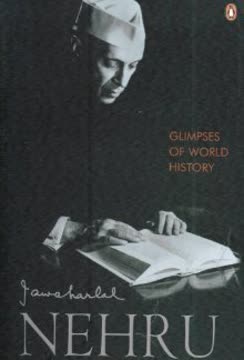
विश्व इतिहास की झलकियाँ अपनी रोचक और सहज समझ में आने वाली वैश्विक इतिहास की झलक के लिए अत्यंत प्रशंसित है। पाठक पंडित नेहरू के व्यापक ज्ञान, प्रवाहपूर्ण लेखन शैली और एक भारतीय नेता के अनूठे दृष्टिकोण की सराहना करते हैं। यह पुस्तक, जो उनकी पुत्री को लिखे गए पत्रों का संग्रह है, प्राचीन सभ्यताओं से लेकर बीसवीं सदी तक के इतिहास को समेटे हुए है। कुछ लोग इसमें समाजवादी विचारधारा और भारत पर विशेष ध्यान देने की बात करते हैं, लेकिन अधिकांश इसे विश्व इतिहास की एक अमूल्य परिचयात्मक कृति मानते हैं। विद्यार्थी और इतिहास प्रेमी इसे अत्यंत उपयोगी पाते हैं, क्योंकि यह इतिहास के प्रति रुचि जगाने और गहन अध्ययन के लिए प्रेरित करने में सक्षम है।
अक्सर पूछे जाने वाले प्रश्न
1. What is Glimpses of World History by Jawaharlal Nehru about?
- Panoramic world history: The book is a sweeping narrative of world history, written as a series of letters from Jawaharlal Nehru to his daughter, Indira, covering ancient to early 20th-century events across Asia, Europe, Africa, and beyond.
- Personal and educational tone: Nehru combines historical facts with personal reflections, aiming to educate and inspire, often addressing his daughter directly in an intimate, accessible style.
- Emphasis on interconnectedness: The narrative highlights how civilizations, empires, and cultures influenced each other through trade, conquest, and exchange, stressing the unity of world history.
- Focus on major themes: The book explores the rise and fall of empires, the impact of religions, revolutions, wars, and the evolution of social and political systems.
2. Why should I read Glimpses of World History by Jawaharlal Nehru?
- Unique perspective: Written by India’s first Prime Minister during his imprisonment, the book blends scholarship, political insight, and personal experience, offering a rare view of history from a non-Western leader.
- Broad and interconnected view: Nehru connects global events, helping readers see patterns and relationships rather than isolated incidents, which enriches understanding of current world affairs.
- Timeless relevance: The book addresses enduring issues like democracy, nationalism, social justice, and the struggle between authoritarianism and freedom, making its lessons pertinent today.
- Accessible and engaging: Nehru’s clear, reflective style makes complex historical processes understandable and engaging for both young and adult readers.
3. What are the key takeaways of Glimpses of World History by Jawaharlal Nehru?
- Progress and cooperation: Human history is marked by gradual progress, with cooperation and collective effort as central ideals, despite setbacks and conflicts.
- Tradition vs. change: Nehru warns against being imprisoned by outdated traditions, emphasizing the need for renewal and adaptation to move societies forward.
- Role of individuals and masses: While great leaders and thinkers shape history, Nehru also highlights the importance of social forces and the collective actions of ordinary people.
- Interconnected global history: Civilizations are deeply interconnected, and understanding history requires seeing the links between different regions and cultures.
4. How does Jawaharlal Nehru structure and present world history in Glimpses of World History?
- Letters to his daughter: The book is composed of 196 letters written to Indira Gandhi, blending storytelling with historical analysis and personal advice.
- Chronological and thematic: Nehru moves broadly chronologically but often pauses to explore themes like religion, empire, or social change in depth.
- Maps and illustrations: The inclusion of 50 maps helps readers visualize historical developments and the movement of peoples and ideas.
- Comparative approach: Nehru frequently compares different civilizations, highlighting similarities, differences, and mutual influences.
5. What are the main themes and lessons in Glimpses of World History by Jawaharlal Nehru?
- Unity of humanity: Nehru stresses the interconnectedness of all peoples and the importance of seeing history as a shared human story.
- Struggle for freedom and justice: The book repeatedly returns to the fight against oppression, whether by empires, feudal lords, or colonial powers.
- Impact of religion and ideology: Nehru explores how religions and ideologies have inspired both progress and conflict, shaping societies for better and worse.
- Necessity of critical thinking: He encourages questioning, discussion, and open-mindedness as essential for understanding history and making progress.
6. How does Jawaharlal Nehru describe the rise and fall of ancient civilizations in Glimpses of World History?
- Four great eastern civilizations: Nehru identifies Egyptian, Mesopotamian, Indian, and Chinese civilizations as foundational, each developing unique but interconnected cultures.
- Continuity and legacy: While empires like Egypt and Greece rose and fell, their cultural legacies endured, influencing later societies.
- Trade and migration: The movement of peoples, goods, and ideas—such as the Aryan migrations and the spread of Indian culture to Southeast Asia—shaped the ancient world.
- Civilizations vs. empires: Nehru distinguishes between the transient nature of empires and the enduring influence of civilizations.
7. What does Glimpses of World History by Jawaharlal Nehru say about the role of religion in shaping history?
- Religion as a force for change: Founders like Buddha, Jesus, Confucius, Zoroaster, and Mohammad profoundly transformed societies, often challenging existing orders.
- Source of conflict and tolerance: Religion has inspired both noble deeds and intolerance, leading to wars, persecution, and also periods of coexistence and reform.
- Religious synthesis in India: Nehru discusses how Buddhism and Hinduism influenced each other, and how reformers like Kabir and Guru Nanak promoted religious harmony.
- Contrast between ideals and realities: He notes the gap between religious teachings and historical actions, especially in the context of Christianity and Islam.
8. How does Jawaharlal Nehru portray the history and impact of imperialism in Glimpses of World History?
- Destructive economic impact: British and European imperialism devastated local industries, economies, and societies, especially in India, China, and Africa.
- Evolution of imperialism: Nehru traces the shift from direct political control to “invisible” economic domination, where foreign powers exploit resources without formal rule.
- Resistance and nationalism: Imperialism provoked nationalist movements and revolutions, as colonized peoples sought freedom and self-determination.
- Global interconnectedness: The effects of imperialism were global, linking the fates of colonies and imperial powers through trade, conflict, and migration.
9. What insights does Jawaharlal Nehru provide about major revolutions and social movements in Glimpses of World History?
- Revolutions as turning points: Nehru analyzes the Protestant Reformation, French Revolution, Russian Revolution, and others as pivotal moments that reshaped societies.
- Social and economic roots: He emphasizes that revolutions are driven by deep social and economic grievances, not just political ideas.
- Role of leadership and masses: While leaders like Lenin or Robespierre are important, mass participation and collective action are crucial for revolutionary change.
- Legacy and contradictions: Revolutions often produce both progress and new forms of oppression, with their ideals sometimes compromised by reality.
10. How does Jawaharlal Nehru analyze the rise of nationalism and the idea of a world state in Glimpses of World History?
- Modern phenomenon: Nationalism, as intense loyalty to the nation-state, is a relatively recent development, emerging after the decline of universal empires.
- Double-edged sword: Nehru sees nationalism as both a force for liberation and a source of conflict, capable of uniting people but also fostering division and aggression.
- Vision of world unity: He expresses hope for a future world republic or state that transcends national selfishness and promotes global justice and peace.
- Historical context: Nehru situates nationalism within the broader sweep of history, contrasting it with earlier ideas of universal empire and cosmopolitanism.
11. What are the key concepts and Nehru’s perspectives on capitalism, socialism, and fascism in Glimpses of World History?
- Capitalism’s dual impact: Nehru acknowledges capitalism’s role in driving technological progress but criticizes its exploitation, inequality, and role in imperialism.
- Socialism and planning: He discusses the rise of socialism, especially in the Soviet Union, as an alternative focused on economic equality and social welfare through planning.
- Fascism as reaction: Nehru analyzes fascism and Nazism as violent, anti-democratic responses to economic crisis and social unrest, threatening democracy and peace.
- Democracy’s challenges: He warns that parliamentary democracy is under threat from both capitalist contradictions and authoritarian movements, requiring vigilance and reform.
12. What are the best quotes from Glimpses of World History by Jawaharlal Nehru and what do they mean?
- On courage and honesty: “Never do anything in secret or anything that you would wish to hide. For the desire to hide anything means that you are afraid, and fear is a bad thing and unworthy of you.” — Nehru urges integrity and fearlessness in life and politics.
- On cooperation and sacrifice: “For the family sacrifice the individual, for the community the family, for the country the community, and for the Soul the whole world.” — This Sanskrit verse encapsulates Nehru’s ideal of selflessness and collective responsibility.
- On tyranny and law: “There is no crueller tyranny than that which is perpetuated under the shield of law and in the name of justice.” — Quoting Montesquieu, Nehru warns against the misuse of law for oppression.
- On history and truth: “The best way to find out what is right and what is not right... is not by giving a sermon, but by talking and discussing, and out of discussion sometimes a little bit of the truth comes out.” — He values dialogue and critical thinking over dogma.
- On change and progress: “The old order changeth yielding place to new, And God fulfils himself in many ways, Lest one good custom should corrupt