Summary Temporarily Unavailable
This summary is temporarily unavailable and is currently being updated. You can still explore the FAQs and other metadata below.
मुख्य बातें
1. मिररिंग से तुरंत जुड़ाव बनता है
मिररिंग कोई वैकल्पिक चाल नहीं, बल्कि सभी अच्छी बातचीत और सहानुभूति की नींव है।
अवचेतन संबंध। मिररिंग, चाहे वह मौखिक हो, गैर-मौखिक हो या भावनात्मक, एक जुड़ाव और समझ की भावना पैदा करता है। यह संचार का एक मूलभूत रूप है जो कहता है, "मैं तुम्हें देखता हूँ, मैं तुम्हें समझता हूँ, हम एक ही पन्ने पर हैं।" यह तकनीक स्वाभाविक रूप से किसी दूसरे व्यक्ति की बातचीत की शैली से मेल खाने की प्रवृत्ति को बढ़ावा देती है, जिससे विश्वास और जुड़ाव बनता है।
मौखिक और गैर-मौखिक मेल। मौखिक मिररिंग में दूसरे व्यक्ति की भाषा, स्वर और गति का समान उपयोग शामिल है। गैर-मौखिक मिररिंग में मुद्रा, हाव-भाव और चेहरे के भावों की नकल करना शामिल है। भावनात्मक मिररिंग दूसरे व्यक्ति की भावनात्मक स्थिति को दर्शाती है, जिससे सहानुभूति और मान्यता प्रकट होती है।
प्रामाणिकता आवश्यक है। मिररिंग करते समय बहुत स्पष्ट या चालाक बनने से बचें, क्योंकि इससे उल्टा प्रभाव पड़ सकता है। उद्देश्य प्राकृतिक संचार को बढ़ावा देना है, न कि सतही नकल करना। विवाद की स्थिति में, गुस्सा या अशिष्टता जैसे नकारात्मक व्यवहार की मिररिंग करने से बचें।
2. बातचीत संतुलित इनपुट पर फलती-फूलती है
तीन की नियम कहता है कि हमें तीन लगातार कथन बिना प्रश्न या स्पष्टीकरण के नहीं बोलने चाहिए।
कथन, प्रश्न और स्पष्टीकरण। बातचीत में कथन, प्रश्न और स्पष्टीकरण का संतुलन होना चाहिए। बातचीत में केवल अपने विचारों की बौछार न करें, बल्कि दूसरे व्यक्ति को भी बोलने का मौका दें। इससे बातचीत सहयोगात्मक और सम्मानजनक महसूस होती है।
सोच-समझकर पूछे गए प्रश्न। विचारशील प्रश्न पूछें ताकि बातचीत में दोनों पक्षों की भागीदारी हो, रुचि दिखे और सम्मान प्रकट हो। प्रश्न यह संकेत देते हैं कि बातचीत केवल आपकी बात कहने का मौका नहीं, बल्कि एक सामाजिक सहयोग है।
कथनों को नरम बनाएं। अपने विचारों को बिना दबाव डाले व्यक्त करने के लिए स्पष्टीकरण या "सॉफ्टनर" का उपयोग करें। जैसे, "मुझे पता है कि मैं सभी की बात नहीं कह रहा हूँ, लेकिन..." या "मेरी नजर में..." यह दर्शाता है कि दूसरों के भी अलग दृष्टिकोण हो सकते हैं।
3. छोटी बातचीत से बड़े संबंध बन सकते हैं
ARE विधि छोटी बातचीत के कठिन काम को आसान बनाकर आपको दिलचस्प विषयों तक ले जाती है।
एंकर, रिवील, एन्करेज (ARE)। ARE विधि छोटी बातचीत शुरू करने और बनाए रखने का एक संरचित तरीका है। पहले एक एंकर से शुरुआत करें, जो आपको दूसरे व्यक्ति से जोड़ता हो। फिर अपने बारे में कुछ ऐसा बताएं जो उस एंकर से जुड़ा हो। अंत में, दूसरे व्यक्ति को भी अपने बारे में कुछ साझा करने के लिए प्रोत्साहित करें।
FORM संक्षिप्ताक्षर। अपनी छोटी बातचीत के विषयों के लिए FORM का उपयोग करें: परिवार (Family), व्यवसाय (Occupation), मनोरंजन (Recreation), और प्रेरणा (Motivation)। ये विषय सामान्यतः सुरक्षित और चर्चा के लिए आसान होते हैं, जो जुड़ाव और साझा रुचि के अवसर प्रदान करते हैं।
सौम्य विदाई। यदि छोटी बातचीत काम नहीं कर रही है, तो "जरूरत" शब्द का उपयोग करते हुए एक बहाना बनाकर शालीनता से बातचीत समाप्त करें। उदाहरण के लिए, "बातचीत अच्छी रही, लेकिन मुझे अपने बच्चों को देखना है।" बातचीत से सकारात्मक बात दोहराकर विदाई को सहज बनाएं।
4. संक्षिप्तता से श्रोता जुड़े रहते हैं
एक अनकहा नियम है कि अपने विचार को व्यक्त करने के लिए लगभग 1 मिनट का समय लें, फिर बातचीत को फिर से बहने दें।
ट्रैफिक लाइट नियम। अपने उत्तरों को लगभग एक मिनट तक सीमित रखें ताकि श्रोता की रुचि बनी रहे। पहले 30 सेकंड में हरी बत्ती होती है और पूरी ध्यान मिलता है। अगले 30 सेकंड में पीली बत्ती जलती है और ध्यान कम हो सकता है। एक मिनट के बाद लाल बत्ती होती है और रुचि खोने का खतरा रहता है।
और सुनने की इच्छा छोड़ें। सब कुछ एक साथ साझा न करें। यदि कोई जिज्ञासु हो तो उसे प्रश्न पूछने दें। कभी-कभी लोग तब ज्यादा रुचि दिखाते हैं जब आप कुछ बातें अधूरी छोड़ देते हैं।
प्रस्तुति महत्वपूर्ण है। अपनी आवाज़ को रोचक बनाने के लिए स्वर में बदलाव करें। बोलने से पहले सोचें और यथासंभव संक्षिप्त रहें। "उम" और "लाइक" जैसे भराव शब्दों से बचें।
5. अहंकार का निलंबन गहरे संबंध बनाता है
अहंकार का निलंबन सरल है लेकिन आसान नहीं: जब हम जानबूझकर दूसरों की धारणाओं, इच्छाओं और जरूरतों को अपनी प्राथमिकता देते हैं।
दूसरों को प्राथमिकता दें। अहंकार का निलंबन मतलब है दूसरों की सोच, इच्छाओं और जरूरतों को अपने ऊपर रखना। इसका अर्थ है कि आप अस्थायी रूप से किसी और की दृष्टि में खुद को रख दें, भले ही इसका मतलब हो कि अपनी सही होने या नियंत्रण की इच्छा को पीछे छोड़ना।
बात साझा करने की इच्छा को रोकें। जब आप खुद को "घोषणा मोड" में पाएं, तो जानबूझकर अपनी कहानी छोड़ दें। इसके बजाय, किसी और की कहानी में डूब जाएं। बस सुनें।
निर्णयहीन मान्यता। सहमति या असहमति भूल जाएं। बस यह दिखाएं कि आप सामने वाले व्यक्ति में रुचि रखते हैं और उनकी दृष्टिकोण को सम्मानपूर्वक और जिज्ञासापूर्वक स्वीकार करते हैं।
6. vulnerability से मजबूत संबंध बनते हैं
जुड़ाव और vulnerability साथ-साथ चलते हैं।
हल्का, मध्यम और गहरा खुलासा। जुड़ाव धीरे-धीरे खुलासे के स्तर बढ़ाने से बनता है। हल्के खुलासे से शुरुआत करें, जैसे कोई छोटी सी बात या शर्मनाक कहानी। यदि यह अच्छा लगे, तो मध्यम खुलासा करें, जैसे राय, विश्वास और निजी अनुभव। गहरा खुलासा, जिसमें कमजोरियां, डर और संवेदनशीलताएं शामिल हों, केवल उन लोगों के लिए रखें जिनसे आप गहरा संबंध चाहते हैं।
सावधानी से चुनें। धीरे-धीरे बढ़ाएं। सीधे गहरे विषय में कूदना काम नहीं करता, और वर्षों से जानने वाले से भी कभी-कभी शुरुआत में हल्का खुलासा न करना ठीक नहीं। खुलासा लोगों को खास महसूस कराता है।
विवेक का उपयोग करें। किसी दोस्त के सामने अचानक बहुत सारी परेशान करने वाली या अनुचित बातें न डालें, खासकर जब वे इसकी उम्मीद न कर रहे हों। vulnerability का मतलब अपनी सबसे निजी समस्याएं बेपरवाही से सबके सामने लाना नहीं है।
7. आवाज़ की टोन धारणा बनाती है
आप जो शब्द कहते हैं वह महत्वपूर्ण है, लेकिन आप उन्हें कैसे कहते हैं वह और भी महत्वपूर्ण हो सकता है।
भावनात्मक संकेत। आपकी आवाज़ का स्वर एक भावनात्मक संकेत है जो आपके संदेश के तर्कसंगत हिस्से से पहले समझा जाता है। यह आपकी व्यक्तित्व, मानसिक स्थिति, इरादे और यहां तक कि स्वास्थ्य को प्रकट करता है।
पिच, वॉल्यूम और गति। अपनी आवाज़ की पिच में बदलाव करें ताकि एकरस न लगे। संदर्भ के अनुसार वॉल्यूम समायोजित करें और विभिन्न भावनाओं को व्यक्त करें। अपनी गति नियंत्रित करें ताकि आत्मविश्वास और बुद्धिमत्ता दिखे, बिना घबराहट या जल्दबाजी के।
उच्चारण महत्वपूर्ण है। प्रत्येक शब्द को स्पष्ट रूप से बोलें ताकि आपके और श्रोता के बीच कोई बाधा न बने। खराब उच्चारण को आलस्य, शिक्षा की कमी या ऊब से जोड़ा जा सकता है।
8. खुली लूप बातचीत को जारी रखती है
खुली लूप का उपयोग करना उतना ही आसान है जितना कि एक रोचक कहानी शुरू करना और फिर उसे अधूरा छोड़ देना।
अधूरी कहानियां। खुली लूप वह बातचीत की लाइन होती है जिसे आप जानबूझकर खुला छोड़ देते हैं ताकि बाद में वापस आ सकें। यह उतना ही सरल है जितना कि एक रोचक कहानी शुरू करना और उसे पूरा न करना।
बातचीत के बचाव बिंदु। खुली लूप बातचीत के बचाव बिंदु के रूप में काम करती है, जिससे आप बातचीत सूखने पर किसी पुराने विषय पर वापस आ सकते हैं। यह साझा इतिहास और जुड़ाव की भावना बनाती है।
सजगता और स्मृति। प्रभावी लूप बनाने के लिए आपको केवल केंद्रित सजगता और अच्छी स्मृति चाहिए। जब आप वापस आते हैं, तो आप essentially कह रहे होते हैं, "मैंने पहले ध्यान दिया था, और मुझे यह महत्वपूर्ण लगता है। चलो बात जारी रखें..."
9. सहानुभूति बातचीत की अंधी जगहों को दूर करती है
सहानुभूति हमें अपनी अंधी जगहों से बाहर झांकने और दूसरों की जांच करने की अनुमति देती है, जब हम सबसे अधिक खुद में उलझे होते हैं।
अवचेतन स्व-केंद्रितता। जो चीज हमें बातचीत में खराब बनाती है, वही हमें यह पहचानने में भी खराब बनाती है कि हम बातचीत में खराब हैं: अवचेतन स्व-केंद्रितता। इसे रोकने के लिए बहुत अधिक आत्म-जागरूकता, अनुशासन और अभ्यास की जरूरत होती है ताकि हम बातचीत को "किसी और की मौजूदगी में एकल संवाद" न समझें।
धारणाओं का निलंबन। यह न मानें कि आपकी कोई बातचीत की अंधी जगह नहीं है, कि दूसरे आपकी तरह सोचते, महसूस करते या विश्वास करते हैं, या कि वे बातचीत को आपकी तरह ही देखते हैं। बातचीत का पूरा मकसद किसी ऐसे व्यक्ति से मिलना है जो आप नहीं है, इसलिए यह न मानें कि आप पहले से जानते हैं कि वे कौन हैं और क्या सोचते हैं।
"डबल क्लिक" तकनीक। कल्पना करें कि वे जो भी कहते हैं वह नीला और रेखांकित है, पूरी तरह से अनजाना। उस पर "डबल क्लिक" करें, उनसे विस्तार से बताने को कहें, और गहराई में जाएं।
10. बातचीत को शालीनता से समाप्त करें
बातचीत शायद ही कभी तब खत्म होती है जब दोनों पक्ष चाहते हैं, और अक्सर तब भी नहीं जब एक पक्ष चाहता है; औसत अंतराल लगभग बातचीत की आधी अवधि होता है।
समय का महत्व। एक अच्छी बातचीत के लिए सबसे अच्छा काम यह जानना है कि इसे कब खत्म करना है। अधिकांश लोग बातचीत को छोटा रखना पसंद करते हैं।
सकारात्मक, बहाना, अलगाव। बातचीत खत्म करने का तरीका है शांत और आत्मविश्वासी रहना। सही पल का इंतजार करें, सकारात्मक शुरुआत करें, बहाना बनाएं, और दृढ़ता से अलग हो जाएं।
और सुनने की इच्छा छोड़ें। बातचीत को एक ऊँचे नोट पर खत्म करें ताकि आप दोनों अगली बार मिलने पर फिर से बात करने के लिए उत्सुक महसूस करें। कुछ बातें अधूरी छोड़ें, थोड़ा रहस्य बनाएं, और कौन जाने, शायद आप किसी को भी एक मौका दे रहे हों!
अंतिम अपडेट:
Report Issueसमीक्षा सारांश
How to Talk to Anyone पुस्तक को मिली-जुली प्रतिक्रियाएँ मिली हैं, जिसकी औसत रेटिंग 5 में से 3.60 है। कुछ पाठक इसे जानकारीपूर्ण और संवाद कौशल सुधारने के लिए उपयोगी सुझावों से भरपूर मानते हैं, जबकि अन्य इसे सामग्री की कमी और अधिकतर सूचियों जैसा बताते हैं। सकारात्मक समीक्षाएँ इस बात पर जोर देती हैं कि पुस्तक सक्रिय सुनवाई, सहानुभूति और गहरे संबंध बनाने पर केंद्रित है। आलोचक कहते हैं कि कई सलाह सामान्य समझ की होती हैं या बार-बार दोहराई गई हैं। कुल मिलाकर, पाठक व्यावहारिक सुझावों की सराहना करते हैं, लेकिन पुस्तक की गहराई और मौलिकता में उतार-चढ़ाव महसूस करते हैं।
लोग यह भी पढ़ते हैं










अक्सर पूछे जाने वाले प्रश्न
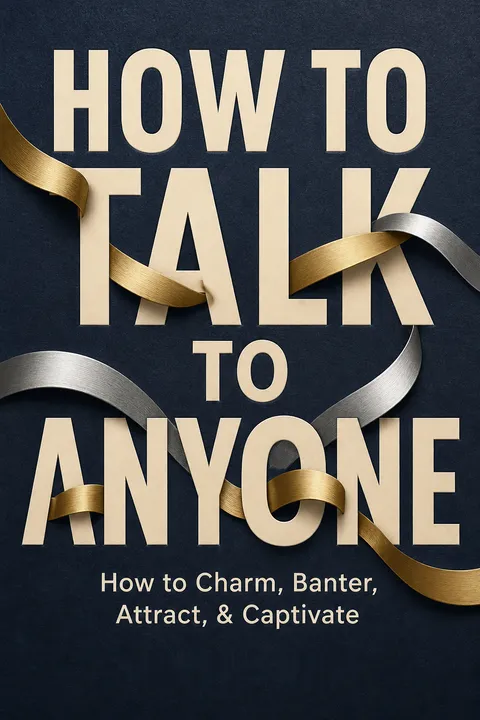
1. What is "How to Talk to Anyone" by Patrick King about?
- Practical Conversation Guide: The book is a practical guide offering 27 actionable strategies to improve your conversational skills, charm, and social intelligence.
- Focus on Connection: It emphasizes genuine connection, empathy, and playfulness over performance, competition, or impressing others.
- Applicable to All Situations: The advice is designed for use in professional, romantic, and casual settings, making it broadly applicable.
- Science-Backed Techniques: Patrick King incorporates psychological research and real-world examples to support his methods for becoming more charismatic and likeable.
2. Why should I read "How to Talk to Anyone" by Patrick King?
- Overcome Social Awkwardness: The book provides tools to avoid awkward silences, handle small talk, and navigate difficult conversations with confidence.
- Boost Charisma and Likability: You'll learn how to be more engaging, memorable, and appealing in any social situation.
- Develop Deeper Connections: The focus on empathy, vulnerability, and active listening helps foster more meaningful relationships.
- Actionable, Easy-to-Apply Tips: Each chapter offers clear, step-by-step methods you can start using immediately to improve your interactions.
3. What are the key takeaways from "How to Talk to Anyone" by Patrick King?
- Connection Over Performance: True charm comes from making others feel seen and valued, not from being witty or impressive.
- Active Listening is Crucial: Listening with intent, asking questions, and reflecting emotions are more important than talking.
- Vulnerability Builds Rapport: Gradual self-disclosure and sharing stories create trust and deeper bonds.
- Practical Conversation Tools: Techniques like mirroring, the ARE method, the rule of three, and the 1-minute rule help structure better conversations.
4. What is the "mirroring" technique in "How to Talk to Anyone" and how does it work?
- Definition: Mirroring involves subtly matching another person's verbal, nonverbal, or emotional cues to signal understanding and connection.
- Types of Mirroring: It can be verbal (repeating phrases), nonverbal (matching posture or gestures), or emotional (reflecting feelings).
- Builds Trust and Rapport: Scientific studies cited in the book show mirroring increases negotiation success and makes people feel understood.
- Natural and Subtle: Overdoing it can seem manipulative; mirroring should be natural and responsive to the other person's cues.
5. How does the "rule of three" improve conversations according to Patrick King?
- Balanced Dialogue: The rule states you should never make more than three declarative statements in a row without inserting a question or qualifier.
- Prevents Monologues: This keeps conversations from feeling like lectures and ensures both parties are engaged.
- Shows Respect and Interest: Asking questions or using softeners demonstrates you value the other person's perspective.
- Easy to Implement: Simply become aware of your speech patterns and consciously balance statements with inquiries.
6. What is the ARE method for small talk in "How to Talk to Anyone"?
- Acronym Explained: ARE stands for Anchor, Reveal, and Encourage.
- Step-by-Step: Start with an anchor (shared experience), reveal something about yourself, then encourage the other person to share.
- Moves Beyond Small Talk: This structure helps transition from surface-level conversation to more meaningful topics.
- Flexible and Natural: The method is adaptable and can be combined with the FORM topics (Family, Occupation, Recreation, Motivation) for variety.
7. How can I avoid being boring in conversations, according to Patrick King?
- Emphasize Fun and Playfulness: Boring people are often perceived as negative, self-centered, or overly serious; being open, lighthearted, and engaged is key.
- Share Passions and Stories: Talk about your interests and experiences with enthusiasm to appear more interesting.
- Avoid Stereotypical "Boring" Traits: Traits like being passive, uncreative, or reserved can be countered by showing curiosity and warmth.
- Self-Edit When Needed: If your hobbies or job are stereotypically dull, highlight other aspects of your personality to keep things lively.
8. What role does vulnerability and self-disclosure play in building rapport, as described in "How to Talk to Anyone"?
- Three Levels of Disclosure: Start with light (harmless secrets), move to medium (beliefs and opinions), and only share heavy (deep vulnerabilities) with trusted individuals.
- Builds Trust and Intimacy: Gradual self-disclosure signals trust and invites others to open up, deepening the relationship.
- Creates Connection Stories: Sharing personal anecdotes that reflect your values helps others relate to you.
- Be Selective and Appropriate: Oversharing too soon or with the wrong audience can backfire; calibrate based on the other person's response.
9. What are some advanced conversational techniques from "How to Talk to Anyone" by Patrick King?
- Open Loops: Start stories or topics without finishing them, creating curiosity and opportunities to revisit them later.
- Metaphors and Vivid Language: Use colorful analogies and imagery to make your points more memorable and engaging.
- "Yes, and" Mindset: Borrowed from improv, this technique keeps conversations flowing by affirming and building on what others say, rather than blocking with "but."
- Cold Reading: Make high-probability guesses and observations to show attentiveness and make others feel understood.
10. How does Patrick King suggest handling awkward silences and ending conversations gracefully?
- 1-Minute Traffic Light Rule: Limit your speaking turns to about one minute to avoid rambling and keep the exchange dynamic.
- Responsive and Quick: Fast response times help people feel more connected and keep the conversation lively.
- Graceful Exits: End conversations on a positive note, make a polite excuse, and disengage firmly but warmly.
- Most People Want Shorter Conversations: Research shows most conversations last longer than both parties desire, so it's better to end a bit early than too late.
11. What is "active listening" in "How to Talk to Anyone" and how can I practice it?
- More Than Hearing: Active listening involves comprehending, retaining, and responding to what the other person says, not just passively hearing.
- Nine Techniques: These include restating, reflecting, summarizing, labeling emotions, probing, and using silence effectively.
- Suppress Ego: Focus on the speaker's perspective rather than planning your own response or judging.
- Encourages Deeper Connection: Active listening makes others feel valued and understood, which is essential for building rapport.
12. What scientific research and psychological principles does Patrick King reference in "How to Talk to Anyone"?
- Mirroring and Negotiation: Studies show mirroring increases settlement rates and rapport in negotiations.
- Self-Disclosure and Closeness: Research by Arthur Aron demonstrates that sharing personal information fosters trust and intimacy.
- Similarity-Attraction Effect: People are drawn to those who share their values, interests, or even dislikes, as shown in studies by Newcomb and others.
- Conversation Dynamics: Research on response times, conversation endings, and the impact of vulnerability all inform the book's practical advice.
लेखक के बारे में
पैट्रिक किंग सैन फ्रांसिस्को, कैलिफोर्निया के एक सामाजिक संवाद विशेषज्ञ हैं। वे डेटिंग, संचार और सामाजिक कौशल कोचिंग में माहिर हैं। किंग एक #1 अमेज़न बेस्टसेलिंग लेखक हैं, जिनका मुख्य फोकस डेटिंग और रिश्तों पर है। उनका दृष्टिकोण भावनात्मक बुद्धिमत्ता और मानव मनोविज्ञान की समझ को मिलाकर लोगों को बाधाओं को पार करने और आत्मविश्वास बनाने में मदद करता है। किंग ने तीन साल तक लॉ की पढ़ाई की है, जिसे वे व्यावहारिक और सीधे-सादे सुझाव देने के लिए इस्तेमाल करते हैं। उनका काम Inc.com जैसे राष्ट्रीय प्रकाशनों में भी प्रकाशित हो चुका है, और वे अक्सर डेटिंग, प्रेम और रिश्तों पर लेख लिखते हैं।
अन्य किताबें — पैट्रिक किंग





PDF डाउनलोड करें
EPUB डाउनलोड करें
.epub digital book format is ideal for reading ebooks on phones, tablets, and e-readers.








































