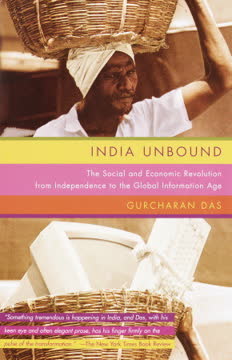
मुख्य बातें
1. भारत की आर्थिक क्रांति: समाजवादी ठहराव से बाजार-चालित विकास तक
"आर्थिक सुधार तब तक संभव नहीं थे जब तक कोई संकट न आता।"
स्वतंत्रता के बाद भारत की अर्थव्यवस्था केंद्रीकृत योजना, कड़े नियमों और आत्मनिर्भरता पर आधारित थी। इसके कारण:
- आर्थिक विकास धीमा (सालाना 3-4%)
- विदेशी निवेश सीमित
- सार्वजनिक क्षेत्र के उद्यमों की अक्षमता
- व्यापक भ्रष्टाचार और नौकरशाही जाल
1991 के आर्थिक संकट ने बड़े सुधारों को जन्म दिया:
- व्यापार और विदेशी निवेश नीतियों में उदारीकरण
- उद्योगों का विनियमन कम करना
- कुछ सार्वजनिक क्षेत्र के उद्यमों का निजीकरण
- सब्सिडी और मूल्य नियंत्रण में कटौती
इन सुधारों से:
- आर्थिक विकास की गति तेज हुई (सालाना 6-8%)
- विदेशी निवेश में वृद्धि हुई
- वैश्विक प्रतिस्पर्धी उद्योगों का उदय (जैसे आईटी, फार्मास्यूटिकल्स)
- मध्यम वर्ग का विस्तार और गरीबी में कमी
2. सुधार की जद्दोजहद: नौकरशाही और राजनीतिक विरोध को पार करना
"नरसिम्हा राव 1991 में जुरासिक पार्क से बाहर आए और गौतम बुद्ध के बाद भारत के सबसे बड़े क्रांतिकारी बने।"
सुधारों का रास्ता आसान नहीं था:
- लाइसेंसिंग प्रणाली के जरिए सत्ता रखने वाले नौकरशाह
- राजनीतिक संरचनाओं से लाभान्वित नेता
- नौकरी खोने के डर से सार्वजनिक क्षेत्र के संघ
- विदेशी प्रतिस्पर्धा से चिंतित कुछ घरेलू उद्योगपति
सुधारों के नायक थे:
- प्रधानमंत्री पी.वी. नरसिम्हा राव
- वित्त मंत्री मनमोहन सिंह
- वाणिज्य मंत्री पी. चिदंबरम
सुधार धीरे-धीरे लागू किए गए ताकि राजनीतिक दबाव को संभाला जा सके:
- शुरुआत में आर्थिक स्थिरीकरण और व्यापार उदारीकरण पर ध्यान
- उद्योग लाइसेंसिंग का क्रमिक उन्मूलन
- सार्वजनिक क्षेत्र के उद्यमों का चयनात्मक निजीकरण
- श्रम सुधार और आगे के उदारीकरण में चुनौतियाँ
3. नए मध्यम वर्ग का उदय: सामाजिक बदलाव और उपभोक्ता व्यवहार
"आधुनिक भारत की सबसे बड़ी पहचान है एक आत्मविश्वासी नए मध्यम वर्ग का उदय।"
आर्थिक सुधारों और विकास से:
- मध्यम वर्ग तेजी से बढ़ा (5% से 20-30% तक)
- शहरीकरण और सामाजिक गतिशीलता में वृद्धि
- वस्तुओं और सेवाओं के लिए उपभोक्ता बाजार का विस्तार
मूल्य और आकांक्षाओं में बदलाव:
- समाजवादी आदर्शों से पूंजीवादी महत्वाकांक्षाओं की ओर रुख
- उद्यमिता और व्यवसाय में सफलता पर अधिक ध्यान
- शिक्षा, स्वास्थ्य और जीवनशैली वस्तुओं पर बढ़ती खर्च
समाज और राजनीति पर प्रभाव:
- शहरी क्षेत्रों में पारंपरिक जाति बाधाओं का क्षरण
- नीति निर्माण में मध्यम वर्ग का बढ़ता प्रभाव
- पुराने और नए मध्यम वर्ग के मूल्यों के बीच तनाव
- क्षेत्रीय राजनीतिक दलों का उदय जो आकांक्षी मतदाताओं को लक्षित करते हैं
4. उद्यमिता का उदय: सुधारोत्तर भारत की सफलता की कहानियाँ
"कोई कारण नहीं कि कई टोल-फ्री कॉल सेंटर अमेरिका से भारत न आ सकें।"
आईटी और सॉफ्टवेयर क्षेत्र में उछाल:
- इन्फोसिस, विप्रो, टीसीएस जैसे वैश्विक आईटी दिग्गजों का उदय
- बेंगलुरु का भारत का सिलिकॉन वैली बनना
- आईटी-सक्षम सेवाओं और बिजनेस प्रोसेस आउटसोर्सिंग का विकास
नए युग के उद्यमी:
- नारायण मूर्ति (इन्फोसिस): विश्व स्तरीय सॉफ्टवेयर कंपनी का निर्माण
- सुभाष चंद्रा (जी टीवी): भारत में सैटेलाइट टेलीविजन के अग्रणी
- धीरुभाई अंबानी (रिलायंस): छोटे व्यापारी से उद्योगपति तक का सफर
उद्यमिता की सफलता के कारक:
- वैश्विक बाजारों और पूंजी तक पहुंच
- कुशल कार्यबल (इंजीनियर, प्रबंधक) की उपलब्धता
- निर्यात-उन्मुख उद्योगों के लिए सरकारी नीतियाँ
- घरेलू बाजार का विस्तार
5. वैश्वीकरण की चुनौतियाँ: प्रतिस्पर्धी विश्व अर्थव्यवस्था के अनुकूलन
"सच यह है कि ब्रिटेन की औपनिवेशिक समृद्धि भारत के शोषण पर आधारित नहीं थी।"
वैश्विक प्रतिस्पर्धा के सामने भारतीय व्यवसाय:
- विश्व स्तरीय गुणवत्ता और उत्पादकता की आवश्यकता
- नई तकनीकों और प्रबंधन पद्धतियों को अपनाने का दबाव
- बहुराष्ट्रीय कंपनियों से प्रतिस्पर्धा
वैश्विक मानकों के अनुकूलन:
- लागत प्रतिस्पर्धा और दक्षता पर ध्यान
- अनुसंधान और विकास में निवेश
- वैश्विक ब्रांड और वितरण नेटवर्क का निर्माण
- प्रशिक्षण और शिक्षा के माध्यम से कार्यबल के कौशल उन्नयन
वैश्विक अर्थव्यवस्था में अवसर:
- आईटी, फार्मास्यूटिकल्स और सेवाओं में भारत की ताकत का लाभ
- वैश्विक भारतीय प्रवासी समुदाय से पूंजी और विशेषज्ञता प्राप्ति
- "मेक इन इंडिया" पहल के तहत प्रमुख विनिर्माण केंद्र बनने की संभावना
6. लाइसेंस राज की विरासत: अक्षमताएँ और खोए हुए अवसर
"समस्या 1966 और 1967 में और भी गंभीर हो गई। दो लगातार सूखे और वास्तविक अकाल की आशंका थी।"
केंद्रीय योजना की अक्षमताएँ:
- अप्रभावी क्षेत्रों में संसाधनों का गलत आवंटन
- नवाचार और उद्यमिता का दमन
- एकाधिकार और रेंट-सीकिंग व्यवहार का निर्माण
- कृषि और ग्रामीण विकास की उपेक्षा
खोए हुए अवसर:
- भारत की जनसांख्यिकीय लाभांश का लाभ न उठाना
- नई तकनीकों और प्रबंधन पद्धतियों को धीमी गति से अपनाना
- वैश्विक व्यापार और मूल्य श्रृंखलाओं में सीमित भागीदारी
- शिक्षा, स्वास्थ्य और अवसंरचना में अपर्याप्त निवेश
दीर्घकालिक प्रभाव:
- सरकार और कुछ व्यवसायों में नौकरशाही मानसिकता
- घाटे में चलने वाले सार्वजनिक क्षेत्र के उद्यमों की उपस्थिति
- भूमि अधिग्रहण, श्रम कानूनों और अवसंरचना विकास में नियामक बाधाएँ
7. भारत का भविष्य: आर्थिक प्रगति और सामाजिक न्याय का संतुलन
"सुधार, मैं बाद में दिखाऊंगा, एक पीढ़ी के भीतर भारत की अधिकांश आबादी को मध्यम वर्ग में बदल देंगे।"
समावेशी विकास की चुनौतियाँ:
- आय असमानता और क्षेत्रीय अंतर को कम करना
- गुणवत्तापूर्ण शिक्षा और स्वास्थ्य सेवा तक पहुंच सुधारना
- युवाओं के लिए रोजगार सृजन
- पर्यावरणीय चिंताओं और सतत विकास का समाधान
नीति प्राथमिकताएँ:
- आर्थिक सुधारों को जारी रखना (जैसे श्रम कानून, भूमि अधिग्रहण)
- भौतिक और डिजिटल अवसंरचना में निवेश
- कौशल विकास और उद्यमिता को प्रोत्साहन
- सामाजिक सुरक्षा जाल और कल्याण कार्यक्रमों को मजबूत करना
संभावित परिणाम:
- 2025-2030 तक भारत का $5 ट्रिलियन अर्थव्यवस्था बनना
- 2040-2050 तक अधिकांश आबादी का मध्यम वर्ग में प्रवेश
- वैश्विक आर्थिक और भू-राजनीतिक शक्ति के रूप में उभरना
- सामाजिक और सांस्कृतिक क्षेत्रों में परंपरा और आधुनिकता का संतुलन
समीक्षा सारांश
इंडिया अनबाउंड को भारत की आज़ादी के बाद की आर्थिक इतिहास को सरल और सहज भाषा में प्रस्तुत करने के लिए सराहा गया है। पाठक दास के व्यक्तिगत अनुभवों और नीतिगत असफलताओं, नौकरशाही चुनौतियों तथा आर्थिक सुधारों पर उनकी गहरी समझ की प्रशंसा करते हैं। यह पुस्तक समाजवाद की संतुलित आलोचना और मुक्त बाजार पूंजीवाद के पक्ष में तर्क प्रस्तुत करने के लिए भी जानी जाती है। कुछ समीक्षक इसे दोहरावपूर्ण और पक्षपाती मानते हैं, लेकिन कुल मिलाकर इसे सूचनाप्रद और रोचक पाते हैं। कई लोग इसे भारत की आर्थिक यात्रा को समझने के लिए अनिवार्य पढ़ाई बताते हैं, हालांकि कुछ का मानना है कि हाल के विकासों की ताजा जानकारी शामिल करने से यह और भी बेहतर हो सकती थी।
लोग यह भी पढ़ते हैं








अक्सर पूछे जाने वाले प्रश्न
What's India Unbound about?
- Economic Journey: India Unbound by Gurcharan Das explores India's transformation from poverty to prosperity, focusing on the economic reforms post-1991.
- Historical Context: It provides a historical overview of India's economic policies, contrasting Nehru's socialist model with the successes of liberalization.
- Personal Narrative: Das intertwines his personal experiences with broader economic themes, making the narrative engaging and relatable.
Why should I read India Unbound?
- Insightful Analysis: The book offers a critical analysis of India's economic policies and their implications for development.
- Inspirational Stories: Through personal anecdotes, Das inspires readers with examples of resilience and innovation.
- Understanding Modern India: It provides valuable insights into the complexities of India's socio-economic landscape.
What are the key takeaways of India Unbound?
- Economic Liberalization: The significance of the 1991 reforms in driving growth and reducing poverty is emphasized.
- Critique of Socialism: Das critiques Nehru's socialist policies for stifling entrepreneurship and innovation.
- Role of the Middle Class: The emergence of a vibrant middle class is seen as a transformative force in Indian society.
What are the best quotes from India Unbound and what do they mean?
- “The ascent of a country...”: Highlights India's transformative journey from poverty to prosperity.
- “We have good reasons...”: Expresses optimism about India's future and improved living standards.
- “The worst indictment...”: Critiques the effectiveness of socialist policies in alleviating poverty.
How does Gurcharan Das view Nehru's policies in India Unbound?
- Critical Perspective: Das argues that Nehru's policies led to economic stagnation and inefficiency.
- Statism vs. Socialism: He distinguishes between Nehru's intentions and the reality of statism that emerged.
- Legacy of Disillusionment: Reflects on the disillusionment felt by many Indians who initially supported Nehru's vision.
What role does the middle class play in India Unbound?
- Emerging Economic Force: The middle class is portrayed as a crucial driver of economic growth and social change.
- Cultural Shift: Signifies a cultural shift in attitudes towards wealth and success.
- Hope for the Future: Das expresses optimism that the expanding middle class will contribute to a more equitable distribution of wealth.
How does India Unbound address the issue of poverty?
- Poverty as a Central Theme: The book addresses poverty as a significant issue that has persisted despite independence.
- Impact of Economic Policies: Critiques past economic policies for failing to alleviate poverty effectively.
- Path to Alleviation: Suggests that economic liberalization and investment in human capital are essential for reducing poverty.
What does Gurcharan Das mean by "silent revolution" in India Unbound?
- Gradual Change: Refers to the gradual and often unnoticed changes occurring in Indian society and economy.
- Empowerment of Lower Castes: Notes the rise of lower castes in political and economic spheres as a crucial aspect.
- Economic Growth: Sustained economic growth is another facet of the silent revolution.
How does India Unbound critique the concept of "License Raj"?
- Bureaucratic Control: Critiques the "License Raj" as a system of excessive bureaucratic control.
- Corruption and Inefficiency: Highlights how the licensing system led to widespread corruption and inefficiency.
- Need for Reform: Advocates for dismantling the License Raj to unleash India's potential.
What lessons can be learned from India Unbound regarding economic development?
- Importance of Liberalization: Emphasizes the need for economic liberalization to drive growth and development.
- Role of Education: Highlights the importance of investing in education and human capital.
- Entrepreneurship as Key: Underscores the significance of entrepreneurship in driving economic growth.
How does India Unbound address the issue of education?
- Critical for Development: Education is fundamental for India's economic growth and social mobility.
- Current Challenges: Highlights the shortcomings of the Indian education system, including high dropout rates.
- Role of Private Education: Points out the rise of private educational institutions as a response to government failures.
What is the significance of the 1991 economic reforms discussed in India Unbound?
- Turning Point: The 1991 reforms marked the shift from a closed, socialist economy to a more open, market-oriented one.
- Global Integration: Facilitated India's integration into the global economy, allowing for increased foreign investment.
- Empowerment of Entrepreneurs: Empowered entrepreneurs and fostered a culture of innovation.








































