मुख्य बातें
1. हिंदू धर्म की पहचान संकट: एक ऐसा धर्म जिसकी कोई स्पष्ट परिभाषा नहीं
अब वही सवाल एक हिंदू से पूछिए, तो निःसंदेह वह पूरी तरह उलझन में पड़ जाएगा और उसे समझ नहीं आएगा कि क्या कहे।
कोई एकल सिद्धांत या ईश्वर नहीं। अन्य धर्मों के विपरीत जिनके स्पष्ट संस्थापक और सिद्धांत होते हैं, हिंदू धर्म में कोई एकीकृत विश्वास प्रणाली नहीं है। यह एकेश्वरवाद, बहुदेववाद और सर्वेश्वरवाद को समेटे हुए है, जिसमें विभिन्न देवता और प्रथाएँ शामिल हैं। इसलिए एक हिंदू के लिए अपने धर्म को परिभाषित करना कठिन होता है, जबकि एक पारसी, ईसाई या मुस्लिम आसानी से अपने धार्मिक आधार को पहचान सकते हैं।
विविध प्रथाएँ और रीति-रिवाज। हिंदू धर्म अनेक विश्वासों, सिद्धांतों और रीति-रिवाजों का जटिल मिश्रण है। इसमें शामिल हैं:
- एकेश्वरवादी, बहुदेववादी और सर्वेश्वरवादी
- शिव, विष्णु जैसे प्रमुख देवताओं के साथ-साथ देवी-देवताओं और आत्माओं की पूजा
- रक्तपात वाले बलिदान से लेकर कड़े अहिंसा के नियम तक की प्रथाएँ
- प्रार्थनाओं से लेकर उत्सवों तक की विस्तृत रस्में
जाति और पहचान। जाति व्यवस्था को अक्सर हिंदू धर्म की पहचान माना जाता है, लेकिन यह एक हिंदू को परिभाषित करने के लिए पर्याप्त नहीं है। कई मुसलमान और ईसाई भी जाति प्रथाओं का पालन करते हैं, फिर भी उन्हें हिंदू नहीं माना जाता। इस बात का प्रश्न कि हिंदू कौन है, कई लोगों के लिए उलझन और शर्मिंदगी का विषय बना हुआ है।
2. वेद: एक विरोधाभासी और संदिग्ध आधार
ब्राह्मण खुलेआम क्यों नहीं कहते? यह घुमावदार बात क्यों?
विविध और विरोधाभासी उत्पत्ति। वेद, जिन्हें हिंदू धर्म के सबसे पवित्र ग्रंथ माना जाता है, उनकी उत्पत्ति की कोई स्पष्ट कथा नहीं है। विभिन्न ग्रंथ उनकी रचना को निम्नलिखित से जोड़ते हैं:
- पुरुष की रहस्यमय यज्ञ
- स्वयं समय
- एक प्राणी जिसका नाम स्कम्भ है
- देवता अग्नि, वायु और सूर्य
- प्रजापति और जल
- ब्रह्मा की सांस
- मन-समुद्र
- प्रजापति की दाढ़ी
- वाच (वाणी)
मानव रचना। दिव्य उत्पत्ति के दावों के बावजूद, वेद साहित्य के अनुक्रमणिका अनुक्रमानि ऋषियों को स्तोत्रों का लेखक बताती है। ऋग्वेद में भी ऐसे पद हैं जहाँ ऋषि स्वयं को रचयिता बताते हैं, जो वेदों के अपौरुषेय (मनुष्य निर्मित नहीं) होने के दावे को कमजोर करते हैं।
नैतिक और आध्यात्मिक मूल्य की कमी। वेद भौतिक लाभ, शत्रुओं पर विजय और अनुष्ठानों के विवरण से भरे हैं, न कि गहरे नैतिक या आध्यात्मिक शिक्षाओं से। इनमें शामिल हैं:
- अश्लील पद
- धन और शक्ति के लिए प्रार्थनाएँ
- रोगों और काले जादू के लिए तंत्र-मंत्र
- नैतिकता या उच्च नैतिक जीवन के उदाहरणों की न्यूनता
3. ब्राह्मणों की बदलती निष्ठाएँ: वेद से स्मृतियों, पुराणों और तंत्रों तक
ब्राह्मणों ने स्मृतियों को श्रुति के बराबर क्यों स्थापित करने के लिए इतनी हताश कोशिश क्यों की? उनका उद्देश्य क्या था? उनकी मंशा क्या थी?
वेदों को अचूक प्राधिकरण मानना। प्रारंभ में ब्राह्मणों ने वेदों को अचूक और अनिवादित घोषित किया, और अपने पवित्र ग्रंथों को श्रुति (वेद और ब्राह्मण) और अनुष्रुति में विभाजित किया। हालांकि, यह स्थिति हमेशा नहीं रही, जैसा कि धर्म सूत्रों से पता चलता है, जो अन्य प्राधिकरण स्रोतों को भी मानते थे।
स्मृतियों का वर्चस्व। समय के साथ ब्राह्मणों ने स्मृतियों (कानून ग्रंथों) को वेदों से ऊपर स्थान दिया, और अक्सर वेदीय आदेशों को स्मृति प्रथाओं से अधिलेखित किया। इसे इस प्रकार न्यायसंगत ठहराया गया:
- खोई हुई श्रुति का सिद्धांत, जिसमें कहा गया कि स्मृतियाँ खोए हुए वेदों पर आधारित हैं
- स्मृतियों को ब्राह्मण के दो नेत्र माना जाना
- स्मृतियों का सम्मान न करने पर शाप का डर
पुराण और तंत्र का वेदों से ऊपर उठना। पुराण, जिन्हें पहले अपवित्र माना जाता था, बाद में वेदों से ऊपर स्थान दिया गया, और उन्हें अनादि और ध्वनि के समान माना गया। तंत्र, जो भक्ति और महिला देवताओं पर जोर देते हैं, अंततः वेद, स्मृति और पुराण से श्रेष्ठ घोषित किए गए।
4. उपनिषदों की विद्रोह और अधीनता: एक दार्शनिक संघर्ष
बादरायण ने उपनिषदों के विरोधी वेदों की अचूकता के प्रश्न पर जैमिनी को क्यों मान लिया? उन्होंने उपनिषदों द्वारा प्रतिपादित सत्य, सम्पूर्ण सत्य और केवल सत्य के लिए क्यों नहीं खड़ा हुआ?
वेदों के प्रति उपनिषदों की चुनौती। उपनिषद, जिन्हें वेदांत भी कहा जाता है, मूलतः वेदों के विरोध में खड़े थे, अनुष्ठानों और बलिदानों को अस्वीकार करते थे। उन्होंने आत्म-ज्ञान और ब्रह्म की प्राप्ति को मोक्ष का मार्ग बताया।
वेद और उपनिषदों के बीच विरोध:
- मुंडक उपनिषद श्रेष्ठ और अधम ज्ञान में भेद करता है, वेदों को अधम श्रेणी में रखता है।
- छांदोग्य उपनिषद वेदों को केवल नाम मात्र कहता है।
- ब्रहदारण्यक उपनिषद कहता है कि गहरी निद्रा की अवस्था में वेद वेद नहीं रहते।
बदरायण का समझौता। उपनिषदों के वेदीय अनुष्ठानों के विरोध के बावजूद, ब्रह्म सूत्रों के लेखक बादरायण ने दोनों को मिलाने का प्रयास किया:
- वेदांत शब्द का प्रयोग कर उपनिषदों को वेद साहित्य का हिस्सा बताया
- उपनिषदों और वेदों को परस्पर पूरक माना, विरोधी नहीं
- वेदों की अचूकता स्वीकार की, भले ही वे उपनिषदों से विरोधाभासी थे
इस समझौते ने उपनिषदों को वेदों के अधीन कर दिया, जो उपनिषदों के मूल संदेश का अपमान था।
5. हिंदू देवताओं का संघर्ष: विरोधी देवताओं का समूह
ब्राह्मणों ने हिंदू देवताओं को एक-दूसरे से लड़वाने का कारण क्या था?
त्रिमूर्ति का आंतरिक संघर्ष। त्रिमूर्ति सिद्धांत, जिसमें ब्रह्मा, विष्णु और शिव को सृजनकर्ता, पालक और संहारक के रूप में समान माना जाता है, पुराणों द्वारा खंडित होता है। ये ग्रंथ देवताओं को प्रतिद्वंद्वी बताते हैं, जो सर्वोच्चता के लिए लगातार संघर्ष करते हैं।
ब्रह्मा का पतन। ब्रह्मा, जो प्रारंभ में सर्वोच्च सृष्टिकर्ता माने जाते थे, बाद में विष्णु और शिव के अनुयायियों द्वारा अपमानित और पदच्युत कर दिए गए। उन पर आरोप लगे:
- स्वयं को प्रथम जन्मा बताने का झूठा दावा
- अपनी पुत्री के साथ व्यभिचार
- विष्णु और शिव के सामने अपनी स्थिति खोना
शिव और विष्णु की प्रतिद्वंद्विता। पुराण शिव और विष्णु के अनुयायियों के बीच प्रचार-प्रसार और विरोध-प्रचार से भरे हैं, जहाँ दोनों पक्ष अपने देवता की श्रेष्ठता सिद्ध करने की कोशिश करते हैं। यह प्रतिद्वंद्विता गंगा की उत्पत्ति, समुद्र मंथन, अक्रूरासुर और भस्मासुर की कथाओं में स्पष्ट है।
बहुदेववाद का स्वाभाविक विकास। विभिन्न समुदायों के मिलन से बहुदेववाद स्वाभाविक रूप से उभरा, लेकिन हिंदू धर्म में देवताओं के बीच निरंतर संघर्ष और अपमान एक अनूठा और उलझन भरा तथ्य है।
6. हिंदू देवताओं का उत्थान और पतन: पूजा और परित्याग का चक्र
तब ब्राह्मणों ने उन्हें पवित्रता और अचूकता से सजाने के लिए इतनी मेहनत क्यों की?
परिवर्तित देवमंडल। हिंदू देवमंडल समय के साथ काफी बदल चुका है। वेद के देवता जैसे अग्नि, इंद्र, सोम और वरुण कभी सर्वोच्च थे, लेकिन बाद में कृष्ण, राम, शिव और विष्णु जैसे नए देवताओं ने उनकी जगह ले ली।
देवताओं का उत्थान और पतन:
- अग्नि, इंद्र, सोम और वरुण को ऊँचा स्थान मिला और फिर त्याग दिया गया।
- एक समय अग्नि, इंद्र और सूर्य प्रमुख देवता थे।
- वासुदेव (कृष्ण) और ब्रह्मा के उपासना समूह उभरे।
- विष्णु, शिव और राम के उपासना समूह बाद में प्रमुख हुए।
त्याग के कारण अस्पष्ट। पुराने देवताओं को त्यागने के कारण अक्सर स्पष्ट नहीं हैं, और ब्राह्मण कोई स्पष्टीकरण नहीं देते। अग्नि, इंद्र, सूर्य और ब्रह्मा के गायब होने का रहस्य बना हुआ है।
नए देवताओं की विरोधी वेदीय उत्पत्ति। कुछ नए देवता, जैसे शिव और कृष्ण, मूलतः विरोधी वेदीय थे, जिन्होंने वेदों और वेदीय अनुष्ठानों की सत्ता को चुनौती दी। यह सवाल उठता है कि ब्राह्मणों ने इन्हें क्यों अपनाया।
7. देवी-देवताओं का उदय: देवताओं का पदच्युत और महिला देवताओं का उत्थान
तब ब्राह्मणों ने उन्हें पवित्रता और अचूकता से सजाने के लिए इतनी मेहनत क्यों की?
वेदीय देवियाँ पत्नियों के रूप में। वेद काल में देवियाँ मुख्यतः देवताओं की पत्नियाँ थीं, जिनका कोई स्वतंत्र दर्जा या शक्ति नहीं थी। वे किसी वीरता के लिए जानी नहीं जाती थीं।
पुराणिक देवियाँ योद्धा। पुराणों की देवियाँ, जैसे दुर्गा, काली और पार्वती, शक्तिशाली योद्धा के रूप में चित्रित हैं, जो युद्ध करती हैं और वीरतापूर्ण कार्य करती हैं। उनकी पूजा उनके अपने गुणों पर आधारित है, न कि केवल पुरुष देवताओं से जुड़ाव पर।
शक्ति और महिला शक्ति। पुराणों ने शक्ति की अवधारणा प्रस्तुत की, जो देवताओं की पत्नियों में निहित स्त्री ऊर्जा है। इस सिद्धांत ने देवियों की स्थिति को ऊँचा उठाया और शक्ति पूजा का उदय हुआ।
पुरुष देवताओं का अपमान। देवियों के उदय ने पुरुष देवताओं को कमजोर और अपनी पत्नियों पर निर्भर दिखाया। इस शक्ति संतुलन के बदलाव ने ब्राह्मणों के देवी पूजा को बढ़ावा देने के उद्देश्य पर सवाल खड़े किए।
8. अहिंसा का विरोधाभास: गौ-हत्या से गौ-पूजा तक
यदि यह साबित करने के लिए पर्याप्त नहीं है कि वेदों में कोई नैतिक या आध्यात्मिक मूल्य नहीं है, तो और प्रमाण भी जोड़े जा सकते हैं।
प्राचीन आर्य मांसाहारी। प्राचीन आर्य शाकाहारी नहीं थे। वे जुए, शराब, असंयमित यौन संबंध और मांसाहार, जिसमें गोमांस भी शामिल था, के लिए जाने जाते थे।
मधुपर्क और मांस। मधुपर्क, जो आतिथ्य का एक अनुष्ठान है, मूलतः मांस को आवश्यक घटक मानता था। वेद स्वयं कहते हैं कि मधुपर्क बिना मांस के नहीं होना चाहिए।
शाकाहार और अहिंसा की ओर बदलाव। समय के साथ हिंदुओं ने शाकाहार और अहिंसा को अपने धर्म के मूल सिद्धांतों के रूप में अपनाया। यह उनके पूर्वजों की प्रथाओं से एक महत्वपूर्ण बदलाव था।
परिवर्तन की पहेली। सवाल यह है कि कब और क्यों ब्राह्मण, जो कभी गौ-हत्या करते थे, गौ-पूजक बन गए? इस नाटकीय बदलाव के पीछे क्या कारण था?
9. तांत्रिक उलटफेर: हिंसा और अनुष्ठानिक अतिशयोक्ति की वापसी
ब्राह्मणों ने इतनी हताश कोशिश क्यों की? वे इससे क्या हासिल करना चाहते थे? क्या यह इसलिए था क्योंकि वेदों को चतुर्वर्ण का प्रवक्ता बनाया गया था और ब्राह्मणों को सभी का स्वामी?
तांत्रिक पूजा और पाँच मकार। तंत्र, जो बाद के धार्मिक ग्रंथ हैं, ने पहले निंदित प्रथाओं को पुनः प्रस्तुत किया, जिनमें शामिल हैं:
- मद्यपान (शराब पीना)
- मांसाहार
- मत्स्याहार (मछली खाना)
- मुद्रा (भुना हुआ अनाज)
- मैथुन (यौन संबंध)
ब्राह्मणों की तांत्रिक पूजा में भूमिका। तंत्रों ने वेदों को अस्वीकार किया, फिर भी ब्राह्मणों ने तांत्रिक पूजा को अपनाया और बढ़ावा दिया, भले ही ये प्रथाएँ अनैतिक और पापपूर्ण मानी जाती थीं।
काली पुराण और पशु बलिदान। काली पुराण, एक तांत्रिक ग्रंथ, देवी काली को प्रसन्न करने के लिए पशु और मानव बलिदान की वकालत करता है। यह अहिंसा के सिद्धांत का पूर्ण उलट है।
उलटफेर की पहेली। ब्राह्मणों ने अहिंसा को बढ़ावा देने के बाद हिंसा और अनुष्ठानिक अतिशयोक्ति की ओर क्यों लौटे? उन्हें ऐसी प्रथाओं को अपनाने के लिए क्या प्रेरित करता था जो उनके पूर्व शिक्षाओं के विपरीत थीं?
10. मिश्रित जातियों का रहस्य: मनु के अविश्वसनीय और विरोधाभासी स्पष्टीकरण
क्या यह हर हिंदू के लिए प्रश्न नहीं कि अपने धर्म के मामले में उसकी स्थिति इतनी शर्मनाक और उलझन भरी क्यों है?
मनु की जाति वर्गीकरण। मनु ने जातियों को वर्गीकृत किया:
- आर्य जातियाँ (ब्राह्मण, क्षत्रिय, वैश्य, शूद्र)
- गैर-आर्य जातियाँ (जैसे दस्यु)
- व्रात्य जातियाँ (जो चतुर्वर्ण के खिलाफ विद्रोह कर गए)
- पतित जातियाँ (क्षत्रिय जो शूद्र बन गए)
- संकर जातियाँ (मिश्रित जातियाँ)
असंगत और अपूर्ण सूची। मनु की मिश्रित जातियों की सूची संपूर्ण नहीं है और अक्सर विरोधाभासी है। वे:
- सभी संभव आर्य और मिश्रित जाति संयोजनों को शामिल नहीं करते
- कई मिश्रित जातियों की उत्पत्ति स्पष्ट नहीं करते
- मिश्रित विवाहों से जन्मे बच्चों की वर्ण व्यवस्था के लिए सुसंगत व्याख्या नहीं देते
ऐतिहासिक असत्यताएँ। कई समुदाय जिन्हें मनु "बस्तर्ड" कहते हैं, वास्तव में स्वतंत्र जनजातियाँ थीं जिनकी अपनी इतिहास और संस्कृति थी। इनमें शामिल हैं:
- अभिर
- अम्बष्ट
- आंध्र
- मगध
- निशाद
- वैदेहक
ब्राह्मणों की हताश कोशिश। मनु और अन्य स्मृतिकारों ने मिश्रित जातियों की जटिल और अक्सर विरोधाभासी व्यवस्था क्यों बनाई? उनका उद्देश्य पूरे समुदायों को बदनाम और अपवित्र करना क्या था?
11. पितृत्व से मातृत्व तक: वंश और सामाजिक नियंत्रण में बदलाव
क्या यह समय नहीं कि वह स्वयं से पूछे कि इस धार्मिक अराजकता के कारण क्या हैं?
हिंदू पारिवारिक कानून में विसंगतियाँ। हिंदू पारिवारिक कानून विसंगतियों से भरा है, जिनमें शामिल हैं:
- चौदह पीढ़ियों तक पुरुष पूर्वजों की वंशावली
- विवाह के रूप जो प्रलोभन और बलात्कार के पर्याय हैं
- बारह प्रकार के पुत्रों को मान्यता, जिनमें से कई का पिता से कोई रक्त संबंध नहीं
पितृसावर्ण्य से मातृसावर्ण्य तक बदलाव। मनु ने बच्चे के वर्ण निर्धारण का नियम पितृसावर्ण्य (पिता का वर्ण) से मातृसावर्ण्य (माँ का वर्ण) में बदल दिया। यह एक क्रांतिकारी बदलाव था जिसने:
- क्षेत्र-क्षेत्रजा नियम का खंडन किया, जो पति को बच्चे का स्वामी मानता था
- पितृपोषण की अवधारणा को कमजोर किया, जो पिता को परिवार पर अधिकार देता था
- निचले वर्णों को उच्च वर्णों में विवाह के माध्यम से स्थानांतरित होने की अनुमति दी
मनु के उद्देश्य। मनु ने पितृत्व से मातृत्व की ओर यह बदलाव क्यों किया? पारंपरिक पितृसत्तात्मक व्यवस्था को कमजोर करके वे क्या हासिल करना चाहते थे?
12. अनंत कलियुग: सामाजिक नियंत्रण और ब्राह्मणीय सत्ता का उपकरण
क्या यह हर हिंदू के लिए प्रश्न नहीं कि अपने धर्म के मामले में उसकी स्थिति इतनी शर्मनाक और उलझन भरी क्यों है?
कलियुग को अशुभ युग मानना। कलियुग की अवधारणा, जो वर्तमान युग है, हिंदुओं में नैतिक पतन और अशुभता का प्रतीक मानी जाती है। यह विश्वास मनोवैज्ञानिक प्रभाव डालता है, जिससे निराशा और समर्पण की भावना उत्पन्न होती है।
कलियुग के आरंभ की विरोधाभासी तिथियाँ। कलियुग के आरंभ के लिए दो अलग-अलग तिथियाँ हैं:
- ऐतरेय ब्राह्मण के अनुसार 3101 ईसा पूर्व
- पुराणों के अनुसार 1177 ईसा पूर्व
कलियुग के अंत के लिए खगोलीय प्रमाण। खगोलशास्त्री गर्गाचार्य ने कहा कि कलियुग का अंत भारत में यूनानियों के विनाश के साथ होगा, जो लगभग 165 ईसा पूर्व हुआ।
ब्राह्मणों द्वारा समय का हेरफेर। खगोलीय प्रमाणों के बावजूद, ब्राह्मणों ने कलियुग को बढ़ा दिया:
- प्रत्येक युग में संध्या और संध्यांष काल जोड़कर
- मानव वर्षों की बजाय दैवीय वर्षों को माप की इकाई बनाकर
अनंत कलियुग का उद्देश्य। ब्राह्मणों ने कलियुग को अनंत क्यों बनाया? क्या यह सामाजिक नियंत्रण का एक उपकरण था, जिससे जनता को निराशा और अधीनता की स्थिति में रखा जा सके?
लोग यह भी पढ़ते हैं

अक्सर पूछे जाने वाले प्रश्न
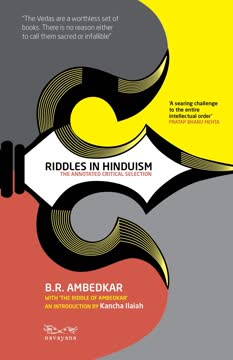
What's Riddles in Hinduism about?
- Exploration of Hindu Beliefs: The book delves into the complexities and contradictions within Hinduism, focusing on the origins and interpretations of the Vedas, Upanishads, and various deities.
- Critical Analysis by Ambedkar: B.R. Ambedkar critically examines the historical and social contexts of Hindu religious texts, questioning their infallibility and the authority attributed to them by Brahmins.
- Riddles as a Framework: The text is structured around a series of "riddles" that highlight the paradoxes and inconsistencies in Hindu beliefs, such as the nature of God, the caste system, and the evolution of religious practices.
Why should I read Riddles in Hinduism?
- Understanding Hinduism's Complexity: This book provides a nuanced understanding of Hinduism, challenging traditional views and encouraging readers to think critically about religious doctrines.
- Ambedkar's Perspective: As a prominent social reformer and the architect of the Indian Constitution, Ambedkar's insights into the caste system and religion are invaluable for anyone interested in social justice and reform.
- Philosophical Depth: The book challenges readers to engage with complex philosophical questions about morality, religion, and society, making it a thought-provoking read for anyone interested in these topics.
What are the key takeaways of Riddles in Hinduism?
- Questioning Authority: Ambedkar emphasizes the need to question the authority of the Vedas and the Brahmins who interpret them, suggesting that their claims of infallibility are unfounded.
- Critique of Caste System: Ambedkar argues that the caste system is a significant source of social injustice and inequality in Hindu society, emphasizing the need for reform.
- Religious Practices and Morality: The book discusses how certain religious practices can perpetuate social hierarchies, calling for a re-evaluation of these practices in light of moral principles.
What are the best quotes from Riddles in Hinduism and what do they mean?
- "Is it not time that he should ask himself what are the causes that has brought about this Religious chaos?": This quote reflects Ambedkar's call for introspection among Hindus regarding the contradictions in their beliefs and practices.
- "The Vedas are infallible. Any argument based on the Vedas is final and conclusive.": Here, Ambedkar critiques the unquestioned authority of the Vedas, suggesting that such beliefs hinder genuine understanding and progress.
- "Religion no doubt started its career by asking many questions.": This quote emphasizes the fundamental role of inquiry in religion, suggesting that questioning is essential for understanding and reforming religious practices.
How does Ambedkar view the caste system in Riddles in Hinduism?
- Caste as a Religious Construct: Ambedkar argues that the caste system is deeply embedded in Hindu religious texts, which have been used to justify social hierarchies and discrimination.
- Need for Reform: He emphasizes the necessity of reforming Hinduism to eliminate caste-based discrimination, advocating for a more egalitarian society.
- Moral Implications: Ambedkar critiques the moral justifications for caste-based discrimination, arguing that they are incompatible with principles of equality and justice.
What is the significance of the Upanishads in Riddles in Hinduism?
- Philosophical Shift: Ambedkar highlights the Upanishads as a departure from Vedic ritualism, focusing instead on metaphysical concepts and the nature of the self.
- Conflict with Vedas: He discusses how the Upanishads often contradict the Vedic texts, leading to a philosophical rift within Hinduism.
- Role in Hindu Thought: The Upanishads are presented as crucial to understanding the evolution of Hindu philosophy, particularly in relation to concepts of Brahman and Atman.
How does Ambedkar address the concept of God in Riddles in Hinduism?
- Multiplicity of Gods: Ambedkar examines the numerous deities in Hinduism, questioning the coherence of a polytheistic system and the implications for worship and devotion.
- Gods in Conflict: He discusses the rivalries among Hindu gods, illustrating how these conflicts reflect deeper social and religious tensions within Hinduism.
- Role of Goddesses: The book also explores the rise of goddess worship, questioning the historical and theological reasons behind the elevation of female deities.
What are the main riddles discussed in Riddles in Hinduism?
- Riddle of Identity: Ambedkar questions the identity of Hindus, asking why they struggle to define their religion compared to followers of other faiths.
- Riddle of the Vedas: The book examines the origins of the Vedas, questioning the claims of their eternal and divine nature, and presenting various contradictory explanations found in Hindu texts.
- Riddle of Ahimsa: Ambedkar discusses the evolution of the concept of Ahimsa (non-violence) in Hinduism, contrasting it with the historical practices of animal sacrifice and meat-eating.
How does Riddles in Hinduism relate to contemporary issues in India?
- Social Justice: Ambedkar's critique of the caste system remains relevant today as India continues to grapple with issues of caste-based discrimination and social inequality.
- Religious Reform: The book advocates for a re-examination of Hindu beliefs and practices, encouraging a move towards a more inclusive and egalitarian interpretation of religion.
- Cultural Identity: Ambedkar's exploration of Hindu identity challenges contemporary Hindus to reflect on their beliefs and the historical context of their religion, fostering a deeper understanding of their cultural heritage.
What is the role of Brahmins in Riddles in Hinduism?
- Guardians of Tradition: Ambedkar critiques the Brahmins for their role in preserving and propagating the caste system and the infallibility of the Vedas, which he argues are detrimental to social progress.
- Manipulation of Texts: He discusses how Brahmins have historically manipulated religious texts to maintain their authority and justify social hierarchies.
- Need for Accountability: The book calls for Brahmins to be held accountable for their interpretations of Hindu texts and their impact on society, advocating for a more equitable approach to religion.
What is the significance of the term "Kali Varjya" in Riddles in Hinduism?
- Suspension of Sin: Kali Varjya refers to practices that are deemed acceptable in the Kali Yuga, which are otherwise considered sinful in other ages.
- Cultural Context: The term reflects the Brahmanic attempt to adapt religious practices to changing social conditions without outright condemnation.
- Critique of Brahmanical Authority: Ambedkar uses Kali Varjya to critique the authority of Brahmins in defining morality and sin, suggesting that their interpretations serve to maintain social hierarchies.
How does Ambedkar's background influence his views in Riddles in Hinduism?
- Personal Experience: As a member of the Dalit community, Ambedkar's experiences with caste discrimination profoundly shape his critique of Hinduism.
- Advocate for Social Justice: His background as a lawyer and social reformer drives his commitment to advocating for the rights of marginalized communities.
- Philosophical Depth: Ambedkar's education in law and philosophy allows him to engage with complex ideas critically, making his arguments compelling and relevant.