मुख्य बातें
1. भारत के भूले-बिसरे नायक: वे अनसुने योद्धा जिन्होंने विदेशी आक्रमणों का डटकर मुकाबला किया
"हजारों ऐसे योद्धाओं की तरह जो हमारे इतिहास के पन्नों में जगह नहीं पा सके, वह भी अनसुनी रह गई।"
अद्भुत साहस की अनकही कहानियाँ। भारत के इतिहास में ऐसे अनेक वीरों की गाथाएँ भरी पड़ी हैं जिन्होंने विदेशी आक्रमणकारियों के विरुद्ध अदम्य साहस और बलिदान का परिचय दिया। रामप्यारी गुर्जर, जिन्होंने तैमूर की सेना के खिलाफ 40,000 महिलाओं का नेतृत्व किया, से लेकर कन्होजी आंग्रे, जो कभी न हारे मराठा नौसेना के सेनापति थे, ये नायक अपने देश की रक्षा में असाधारण वीरता दिखाते हैं।
क्षेत्रीय विविधता में प्रतिरोध। यह पुस्तक भारत के विभिन्न हिस्सों में हुए प्रतिरोध आंदोलनों को उजागर करती है:
- पूर्वोत्तर: मेघालय में ब्रिटिशों के खिलाफ तिरोत सिंह की गुरिल्ला रणनीतियाँ
- दक्षिण: तमिलनाडु में वीरपंडिय कट्टाबोम्मन का साहसिक विरोध
- पश्चिम: गढ़वाल की रानी कर्णावती की प्रबल रक्षा
- उत्तर: पंजाब में मुगलों के खिलाफ बंदा सिंह बहादुर की जीतें
आक्रमणकारियों पर प्रभाव। ये योद्धा अक्सर तकनीकी रूप से श्रेष्ठ सेनाओं को भी करारी हार देते थे:
- केलाड़ी की रानी चेनम्मा ने मुगलों को शांति समझौते के लिए मजबूर किया
- असम के पृथु ने 1206 में बख्तियार खिलजी की सेना को परास्त किया
- हेमचंद्र विक्रमादित्य ने अकबर की सेनाओं को हराकर दिल्ली के अंतिम हिंदू शासक के रूप में कुछ समय तक शासन किया
2. महिला योद्धा: भारत के स्वतंत्रता संग्राम में प्रबल नारी सेनानी
"वह देवी काली की तरह लड़ी।"
रुढ़ियों को तोड़ती महिलाएँ। आम धारणा के विपरीत, भारतीय इतिहास में कई ऐसी महिलाएँ हैं जिन्होंने अपने देश और लोगों की रक्षा के लिए हथियार उठाए। ये महिला योद्धा न केवल अद्भुत साहस दिखाती थीं, बल्कि अक्सर सेनाओं का नेतृत्व भी करती थीं और सीधे युद्ध में भाग लेती थीं।
प्रमुख महिला स्वतंत्रता सेनानी:
- झांसी की रानी लक्ष्मीबाई: अपने छोटे पुत्र को पीठ पर बांधकर ब्रिटिशों के खिलाफ लड़ाई लड़ी
- कुइली: भारत की पहली मानव बम बनीं ब्रिटिशों के खिलाफ
- रानी वेलु नचियार: महिलाओं की सेना का प्रशिक्षण देकर ब्रिटिशों के विरुद्ध नेतृत्व किया
- उदा देवी: 1857 के विद्रोह में 32 ब्रिटिश सैनिकों को निशाना बनाने वाली कुशल स्नाइपर
- झलकारीबाई: रानी लक्ष्मीबाई की प्रतिरूप, जिन्होंने रानी को बचाने के लिए अपने प्राण न्योछावर कर दिए
दीर्घकालिक प्रभाव। इन महिलाओं ने न केवल सैन्य जीतों में योगदान दिया, बल्कि आने वाली पीढ़ियों के स्वतंत्रता सेनानियों को भी प्रेरित किया। उनकी कहानियाँ पारंपरिक लिंग भूमिकाओं को चुनौती देती हैं और भारत के विदेशी शासन के खिलाफ समावेशी प्रतिरोध की झलक दिखाती हैं।
3. गुरिल्ला युद्ध: भारतीय स्वतंत्रता सेनानियों की रणनीतिक प्रतिभा
"गुरिल्ला युद्ध में हथियारों का उपयोग करते हुए कम संख्या में योद्धाओं द्वारा घात, अचानक हमले, तोड़फोड़, छापे आदि शामिल थे।"
असामान्य युद्ध के अनुकूलन। तकनीकी रूप से श्रेष्ठ दुश्मनों का सामना करते हुए, भारतीय योद्धाओं ने गुरिल्ला युद्ध की रणनीतियों को अपनाया ताकि वे मुकाबले को संतुलित कर सकें। इस तरीके से वे आक्रमणकारियों को भारी नुकसान पहुंचाते हुए अपने नुकसान को न्यूनतम रखते थे।
प्रमुख गुरिल्ला रणनीतियाँ:
- कठिन इलाकों में घात लगाना
- दुश्मन शिविरों पर अचानक हमले और शीघ्र वापसी
- आपूर्ति मार्गों में तोड़फोड़
- स्थानीय भूगोल का ज्ञान लेकर दुश्मनों को चकमा देना
- आश्चर्यजनक हमले और त्वरित पलायन
सफल गुरिल्ला योद्धा:
- मेघालय में तिरोत सिंह ने ब्रिटिशों के खिलाफ
- मेवाड़ में राणा प्रताप ने मुगलों के विरुद्ध
- शिवाजी की मराठा सेनाएँ विभिन्न दुश्मनों के खिलाफ
- अरुणाचल प्रदेश के मातमूर जमोह और आदि योद्धा
ये रणनीतियाँ न केवल सैन्य जीत में सहायक रहीं, बल्कि दुश्मन सेनाओं का मनोबल तोड़ने और प्रतिरोध आंदोलनों को लंबा खींचने में भी मददगार साबित हुईं, जिससे आक्रमणकारियों के लिए कब्जा करना और नियंत्रण बनाए रखना कठिन हो गया।
4. धार्मिक सहिष्णुता: पराजित दुश्मनों के प्रति हिंदू शासकों की करुणा
"धर्म के नियमों का पालन करते हुए, मेवाड़ के राणा ने तुगलक सुल्तान को नहीं मारा।"
युद्ध में धर्मिक सिद्धांत। हिंदू शासक अक्सर युद्ध में एक आचार संहिता का पालन करते थे, जिसमें पराजित दुश्मनों के प्रति दया दिखाना और उनके धार्मिक विश्वासों का सम्मान करना शामिल था। यह कई आक्रमणकारियों की कठोर रणनीतियों से बिलकुल अलग था।
हिंदू सहिष्णुता के उदाहरण:
- पृथ्वीराज चौहान द्वारा मुहम्मद गोरी को बार-बार माफ़ करना
- मेवाड़ के हमीर सिंह द्वारा मुहम्मद बिन तुगलक को फिरौती पर रिहा करना
- असम के राजा पृथु द्वारा पराजित मुस्लिम सैनिकों को अपने राज्य में बसने की अनुमति देना
सहिष्णुता के परिणाम। ये कार्य हिंदू शासकों के नैतिक मानकों को दर्शाते हैं, लेकिन कभी-कभी रणनीतिक नुकसान भी पहुंचाते थे। माफ किए गए दुश्मन अक्सर फिर से हमला करने लौट आते थे, जिससे दया दिखाने का फायदा उठाते थे। यह नैतिक युद्ध और प्रभावी रक्षा के बीच संतुलन पर सवाल उठाता है।
5. विश्वासघात की भूमिका: कैसे आंतरिक धोखाधड़ी ने विदेशी विजय को आसान बनाया
"यह एक तथ्य है कि मुगल और ब्रिटिश शासन के दौरान कई भारतीय स्वयं गद्दार थे। यदि ये गद्दार न होते तो न तो मुगल शासन होता और न ही ब्रिटिश।"
भीतर का दुश्मन। भारत के इतिहास में आंतरिक विश्वासघात ने विदेशी विजय को संभव बनाने में अहम भूमिका निभाई। गद्दारों ने महत्वपूर्ण सूचनाएँ दीं, रक्षा व्यवस्था को कमजोर किया और प्रतिरोध प्रयासों को बाधित किया, अक्सर व्यक्तिगत लाभ या सत्ता के लिए।
प्रमुख विश्वासघात के उदाहरण:
- तिरोत सिंह के पकड़े जाने में सूचना का लीक होना
- झांसी किले में गद्दारी से ब्रिटिशों को प्रवेश मिलना
- नरसिंहगढ़ के मंत्रियों द्वारा ब्रिटिशों को जानकारी देना
- बंदा सिंह बहादुर के पकड़े जाने में गुप्त सूचना देना
दीर्घकालिक प्रभाव। इन विश्वासघातों ने न केवल तत्काल सैन्य हारों को जन्म दिया, बल्कि भारत के राजनीतिक परिदृश्य पर भी स्थायी प्रभाव डाला। उन्होंने विदेशी शासन की स्थापना और मजबूती में मदद की, जिससे बाद के प्रतिरोध और भी कठिन हो गए।
6. बलिदानी वीरता: वे भारतीय जिन्होंने हार मानने से पहले मृत्यु को चुना
"मृत्यु गद्दारी से अधिक स्वागत योग्य है।"
परम बलिदान। कई भारतीय योद्धाओं ने हार या गिरफ्तारी के सामने अपने प्राण न्योछावर कर दिए, बजाय इसके कि वे दुश्मन के सामने झुकें। यह उनकी अटूट प्रतिबद्धता को दर्शाता है और दूसरों को प्रतिरोध जारी रखने के लिए प्रेरित करता है।
प्रमुख बलिदानी वीरता के उदाहरण:
- गढ़वाल की रानी कर्णावती: मुगलों के हाथ लगने से पहले आत्महत्या कर ली
- खुदीराम बोस: 18 वर्ष की आयु में स्वतंत्रता संग्राम में भूमिका के लिए फांसी स्वीकार की
- भगत सिंह, राजगुरु और सुखदेव: माफी मांगने के बजाय फांसी को चुना
- मातमूर जमोह: इस्लाम धर्म स्वीकार करने से इनकार कर फांसी पाए
आने वाली पीढ़ियों के लिए प्रेरणा। ये सर्वोच्च बलिदान प्रतिरोध के शक्तिशाली प्रतीक बने, जिन्होंने भविष्य के स्वतंत्रता सेनानियों को प्रेरित किया और भारी चुनौतियों के बावजूद स्वतंत्रता की भावना को जीवित रखा।
7. प्रतिरोध की विरासत: कैसे स्थानीय विद्रोहों ने भारत के स्वतंत्रता संग्राम को आकार दिया
"देश के कोने-कोने से हजारों भगत सिंह, राजगुरु और सुखदेव उभरे।"
लगातार संघर्ष। भारत की स्वतंत्रता की लड़ाई केवल कुछ बड़े घटनाक्रमों तक सीमित नहीं थी, बल्कि सदियों तक चले निरंतर प्रतिरोध की प्रक्रिया थी। स्थानीय विद्रोहों और व्यक्तिगत विरोध के कार्यों ने बड़े स्वतंत्रता आंदोलन की नींव रखी।
स्थानीय विद्रोहों का मुख्य योगदान:
- विभिन्न क्षेत्रों में प्रतिरोध की भावना को जीवित रखना
- गुरिल्ला युद्ध की रणनीतियों का विकास और सुधार
- देशभर में स्वतंत्रता सेनानियों का नेटवर्क बनाना
- विदेशी शासकों की अजेयता की धारणा को कमजोर करना
स्थानीय से राष्ट्रीय तक। कई स्थानीय प्रतिरोध आंदोलन अंततः बड़े, संगठित प्रयासों में बदल गए। भगत सिंह जैसे नेता, जो पूर्व के विद्रोहियों से प्रेरित थे, ने क्षेत्रीय संघर्षों को राष्ट्रीय स्वतंत्रता आंदोलन में परिवर्तित किया। इस प्रतिरोध की विरासत ने अंततः ब्रिटिशों को भारत छोड़ने के लिए मजबूर किया।
समीक्षा सारांश
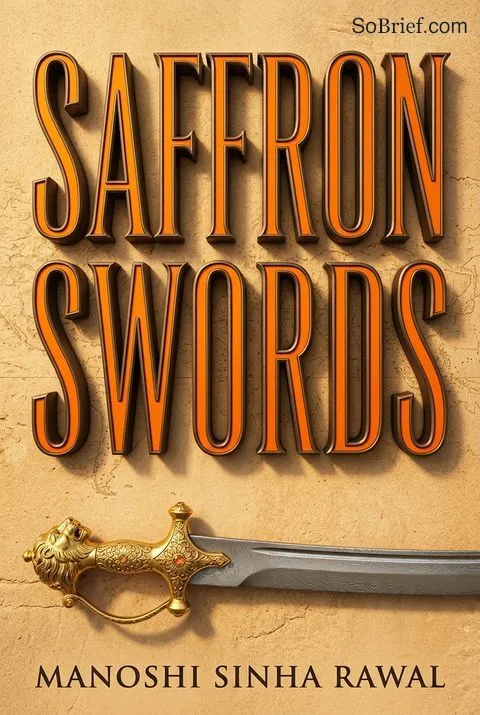
सैफरन स्वॉर्ड्स की प्रशंसा इस बात के लिए की जाती है कि यह भारत में विदेशी आक्रमणकारियों का विरोध करने वाले अनसुने नायकों को उजागर करता है। पाठक इस पुस्तक की उस विशेषता की सराहना करते हैं जिसमें भूले-बिसरे व्यक्तित्वों, खासकर महिला योद्धाओं, पर ध्यान केंद्रित किया गया है। कई लोग मानते हैं कि यह किताब भारतीय इतिहास की शिक्षा में मौजूद खामियों को भरने का काम करती है। लेखन शैली को सरल और आकर्षक बताया गया है, जिससे यह युवा पाठकों के लिए भी सुलभ हो जाती है। हालांकि, कुछ समीक्षक पुस्तक की संपादन गुणवत्ता और अकादमिक कठोरता की कमी पर सवाल उठाते हैं। कुल मिलाकर, समीक्षकों की राय में यह पुस्तक भारत के अतीत को समझने में एक महत्वपूर्ण योगदान है, हालांकि इसके ऐतिहासिक सटीकता और प्रस्तुति को लेकर मतभेद भी पाए जाते हैं।
लोग यह भी पढ़ते हैं






अक्सर पूछे जाने वाले प्रश्न
What's Saffron Swords about?
- Focus on Unsung Heroes: Saffron Swords by Manoshi Sinha Rawal highlights the stories of 52 unsung warriors from Indian history who fought against invaders and colonial powers.
- Historical Context: The book spans over 1300 years of Indian history, showcasing the valor and sacrifices of these warriors from various regions of India.
- Cultural Significance: It aims to inspire pride and patriotism among readers, especially the youth, by bringing to light the forgotten tales of bravery that shaped India's resistance against foreign rule.
Why should I read Saffron Swords?
- Inspiring Narratives: The book presents compelling stories of courage and resilience that can motivate readers to appreciate their heritage and the sacrifices made for freedom.
- Educational Value: It fills the gaps in traditional history textbooks, providing a more comprehensive understanding of India's past and the diverse figures who contributed to its freedom.
- Cultural Awareness: Reading this book can enhance awareness of India's rich history and the importance of remembering and honoring its heroes.
What are the key takeaways of Saffron Swords?
- Valour of Warriors: The book emphasizes the bravery of lesser-known figures like Uda Devi, who "killed 32 British soldiers in Sikandar Bagh in 1857," showcasing their significant contributions to India's freedom struggle.
- Diverse Perspectives: It includes stories from various regions and communities, illustrating the collective resistance against oppression, such as the tale of Rampyari Gurjar, who led 40,000 women against Taimur.
- Historical Lessons: The narratives serve as reminders of the importance of remembering one's history and the heroes who fought for the nation's dignity and freedom.
What are the best quotes from Saffron Swords and what do they mean?
- "A nation that forgets its heroes will itself soon be forgotten.": This quote underscores the importance of remembering and honoring those who sacrificed for the nation, emphasizing that collective memory is vital for national identity.
- "You can kill our human bodies but not our souls made of iron.": Spoken by Kanaklata Barua, this quote reflects the indomitable spirit of freedom fighters who prioritized their cause over their lives, symbolizing resilience against oppression.
- "Death is more welcome than treason.": Paona Brajabashi's declaration highlights the valor and loyalty of warriors who preferred martyrdom over betraying their homeland, reinforcing the theme of sacrifice in the book.
Who are some of the notable warriors featured in Saffron Swords?
- Uda Devi: Known as the first sniper of India, she fought valiantly during the 1857 uprising, showcasing her bravery by killing multiple British soldiers before her own martyrdom.
- Rampyari Gurjar: A young leader who commanded 40,000 women warriors against Taimur, her story exemplifies the strength and courage of women in India's freedom struggle.
- Kartar Singh Sarabha: A prominent member of the Ghadar Party, he was a young revolutionary who was executed at the age of 19, symbolizing the youthful spirit of the independence movement.
How does Saffron Swords challenge traditional narratives of Indian history?
- Highlighting Marginalized Voices: The book brings attention to the stories of warriors often overlooked in mainstream history, challenging the narrative that primarily focuses on a few well-known figures.
- Revising Historical Context: By presenting a broader spectrum of resistance against invaders and colonial powers, it encourages readers to rethink the complexities of India's past.
- Promoting Inclusivity: The inclusion of diverse regional and cultural perspectives fosters a more inclusive understanding of India's history, emphasizing that freedom was a collective effort.
What methods does the author use to present the stories in Saffron Swords?
- Narrative Style: Manoshi Sinha Rawal employs a storytelling approach that combines historical facts with engaging narratives, making the tales accessible and relatable to readers.
- Research-Based: The book is grounded in extensive research, drawing from historical texts, folklore, and oral traditions to provide a well-rounded portrayal of each warrior's life and contributions.
- Emotional Appeal: By focusing on personal stories and sacrifices, the author evokes emotional responses, allowing readers to connect deeply with the characters and their struggles.
How does Saffron Swords inspire contemporary readers?
- Role Models for Youth: The stories of bravery and sacrifice serve as powerful role models for today's youth, encouraging them to take pride in their heritage and contribute positively to society.
- Patriotism and Identity: The book fosters a sense of patriotism by reminding readers of the struggles faced by their ancestors, reinforcing the idea that freedom is a collective responsibility.
- Call to Action: By highlighting the importance of remembering history, the book inspires readers to engage with their cultural roots and advocate for social justice and equality.
What impact did the warriors featured in Saffron Swords have on India's freedom struggle?
- Catalysts for Change: The actions of these warriors often sparked larger movements, inspiring others to join the fight against colonial rule and contributing to the eventual independence of India.
- Legacy of Resistance: Their stories serve as a legacy of resistance, reminding future generations of the sacrifices made for freedom and the ongoing struggle for justice and equality.
- Cultural Heritage: The book emphasizes that these warriors are integral to India's cultural heritage, and their stories should be preserved and celebrated as part of the nation's identity.
How does the author address the theme of gender in Saffron Swords?
- Empowerment of Women: The book highlights the significant roles played by women warriors, such as Uda Devi and Rampyari Gurjar, showcasing their contributions to the freedom struggle and challenging gender stereotypes.
- Recognition of Female Valor: By including stories of female fighters, the author emphasizes that bravery and leadership are not confined to gender, promoting a more inclusive narrative of history.
- Inspiration for Future Generations: The portrayal of women as active participants in the fight for freedom serves as an inspiration for contemporary readers, encouraging gender equality and empowerment.
What is the significance of the title Saffron Swords?
- Symbol of Valor: The term "saffron" is often associated with courage and sacrifice in Indian culture, while "swords" symbolize the warriors' readiness to fight for their beliefs and freedom.
- Cultural Identity: The title reflects the rich cultural heritage of India, where the color saffron is also linked to Hinduism and nationalism, reinforcing the connection between identity and resistance.
- Call to Remember: By using this title, the author calls upon readers to remember and honor the sacrifices of these warriors, ensuring that their stories are not forgotten in the annals of history.
PDF डाउनलोड करें
EPUB डाउनलोड करें
.epub digital book format is ideal for reading ebooks on phones, tablets, and e-readers.








































