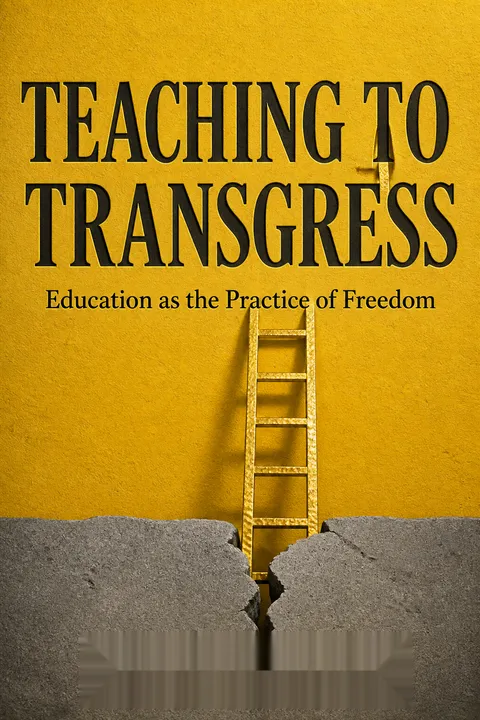

मुख्य बातें
1. शिक्षा को मुक्ति के रूप में: संलग्न शिक्षाशास्त्र की परिवर्तनकारी शक्ति
शिक्षा को स्वतंत्रता के अभ्यास के रूप में देखना छात्रों में स्वस्थ आत्म-सम्मान को पुष्ट करता है क्योंकि यह उनकी जागरूकता और सचेत जीवन जीने की क्षमता को बढ़ावा देता है।
संलग्न शिक्षाशास्त्र एक ऐसा शिक्षण दृष्टिकोण है जो छात्रों के समग्र विकास पर जोर देता है। यह पारंपरिक "बैंकिंग" शिक्षा मॉडल से परे जाता है, जहाँ शिक्षक केवल छात्रों के दिमाग में जानकारी जमा करते हैं। इसके बजाय, यह:
- सक्रिय भागीदारी और आलोचनात्मक सोच को प्रोत्साहित करता है
- छात्रों को विविध अनुभवों और दृष्टिकोणों के साथ संपूर्ण प्राणी के रूप में मान्यता देता है
- छात्रों को अपनी शिक्षा के लिए जिम्मेदारी लेने के लिए सशक्त बनाता है
यह दृष्टिकोण एक ऐसा शिक्षण वातावरण बनाता है जहाँ:
- छात्र मूल्यवान और सम्मानित महसूस करते हैं
- आलोचनात्मक चेतना विकसित होती है
- व्यक्तिगत विकास और सामाजिक परिवर्तन को बढ़ावा मिलता है
संलग्न शिक्षाशास्त्र को अपनाकर, शिक्षक अपने छात्रों में स्वतंत्रता और सशक्तिकरण की भावना को बढ़ावा दे सकते हैं, जिससे वे अपनी शिक्षा और समाज में सक्रिय एजेंट बन सकें।
2. कक्षा में जाति और लिंग का सामना करना: पूर्वाग्रहों को चुनौती देना और समावेशिता को बढ़ावा देना
एक सांस्कृतिक विविधता वाले अकादमी को बनाने के लिए हमें पूरी तरह से प्रतिबद्ध होना चाहिए। सामाजिक परिवर्तन के अन्य आंदोलनों से सीखते हुए, नागरिक अधिकारों और नारीवादी मुक्ति प्रयासों से, हमें अपनी संघर्ष की दीर्घकालिक प्रकृति को स्वीकार करना चाहिए और धैर्य और सतर्कता बनाए रखने के लिए तैयार रहना चाहिए।
शैक्षणिक सेटिंग्स में पूर्वाग्रहों का समाधान समावेशी शिक्षण वातावरण बनाने के लिए महत्वपूर्ण है। इसमें शामिल है:
- शिक्षकों के रूप में अपने पूर्वाग्रहों को पहचानना और चुनौती देना
- पाठ्यक्रम में विविध दृष्टिकोणों और अनुभवों को शामिल करना
- जाति और लिंग के बारे में खुले और ईमानदार चर्चाओं को प्रोत्साहित करना
समावेशिता को बढ़ावा देने के लिए रणनीतियाँ:
- विविध शिक्षण सामग्री और उदाहरणों का उपयोग करें
- संवेदनशील विषयों पर संवाद के लिए सुरक्षित स्थान बनाएं
- छात्रों को अपने अनुभवों और दृष्टिकोणों को साझा करने के अवसर प्रदान करें
जाति और लिंग के मुद्दों का सामना करके, शिक्षक प्रणालीगत असमानताओं को समाप्त करने में मदद कर सकते हैं और सभी छात्रों के लिए एक अधिक समान शिक्षण वातावरण बना सकते हैं।
3. सीखने में आलोचनात्मक सोच और संवाद का महत्व
जब हम, शिक्षकों के रूप में, अपनी शिक्षाशास्त्र को बहुसांस्कृतिक दुनिया की पहचान से मौलिक रूप से बदलने की अनुमति देते हैं, तो हम छात्रों को वह शिक्षा दे सकते हैं जिसकी वे इच्छा करते हैं और जिसके वे हकदार हैं। हम ऐसे तरीकों से पढ़ा सकते हैं जो चेतना को बदलते हैं, एक मुक्त अभिव्यक्ति का माहौल बनाते हैं जो वास्तव में एक मुक्ति देने वाली उदार कला शिक्षा का सार है।
आलोचनात्मक सोच और संवाद को बढ़ावा देना गहन सीखने और व्यक्तिगत विकास के लिए आवश्यक है। इसमें शामिल है:
- छात्रों को धारणाओं पर सवाल उठाने और मौजूदा ज्ञान को चुनौती देने के लिए प्रोत्साहित करना
- सार्थक चर्चाओं और बहसों के लिए अवसर बनाना
- छात्रों को जानकारी का आलोचनात्मक विश्लेषण और मूल्यांकन करना सिखाना
मुख्य रणनीतियाँ:
- सोचने को उत्तेजित करने के लिए खुली-ended प्रश्नों का उपयोग करें
- समस्या समाधान और निर्णय लेने की गतिविधियों को शामिल करें
- सहयोगी सीखने और समूह चर्चाओं को बढ़ावा दें
आलोचनात्मक सोच और संवाद पर जोर देकर, शिक्षक छात्रों को जटिल मुद्दों को समझने और सूचित, संलग्न नागरिक बनने के लिए आवश्यक कौशल विकसित करने में मदद कर सकते हैं।
4. शैक्षणिक स्थानों में विविधता और बहुसंस्कृतिवाद को अपनाना
हमें अकादमी और संस्कृति में सभी को अपने मन को नवीनीकरण करने के लिए कहा गया है यदि हम शैक्षणिक संस्थानों—और समाज—को बदलना चाहते हैं ताकि जिस तरह से हम जीते हैं, पढ़ाते हैं और काम करते हैं, वह सांस्कृतिक विविधता में हमारी खुशी, न्याय के प्रति हमारी जुनून और स्वतंत्रता के प्रति हमारे प्रेम को दर्शा सके।
शिक्षा में विविधता का जश्न मनाना केवल विभिन्न संस्कृतियों को स्वीकार करने से अधिक है। इसके लिए आवश्यक है:
- पाठ्यक्रम में विविध दृष्टिकोणों और अनुभवों को एकीकृत करना
- एक समावेशी कक्षा वातावरण बनाना जो सभी आवाजों को महत्व देता है
- प्रमुख कथाओं को चुनौती देना और वैकल्पिक दृष्टिकोणों को बढ़ावा देना
बहुसंस्कृतिवाद को अपनाने के लिए रणनीतियाँ:
- विविध साहित्य और शिक्षण सामग्री को शामिल करें
- छात्रों को अपने सांस्कृतिक अनुभव साझा करने के लिए प्रोत्साहित करें
- समाज में शक्ति और विशेषाधिकार के मुद्दों को संबोधित करें
विविधता और बहुसंस्कृतिवाद को अपनाकर, शिक्षक एक समृद्ध, अधिक समावेशी शिक्षण वातावरण बना सकते हैं जो छात्रों को एक बढ़ते वैश्वीकरण वाले विश्व में सफलता के लिए तैयार करता है।
5. भाषा को सशक्तिकरण और प्रतिरोध के उपकरण के रूप में देखना
जब मुझे ऐसे शब्द कहने की आवश्यकता होती है जो केवल प्रमुख वास्तविकता को दर्शाते या संबोधित नहीं करते, तो मैं काले बोलने की शैली का उपयोग करता हूँ। वहाँ, उस स्थान पर, हम अंग्रेजी को ऐसा करने के लिए मजबूर करते हैं जैसा हम चाहते हैं। हम दमनकारी की भाषा को लेते हैं और उसे अपने खिलाफ मोड़ देते हैं। हम अपने शब्दों को एक प्रतिकारी भाषण बनाते हैं, भाषा में खुद को मुक्त करते हैं।
भाषा का सशक्तिकरण शिक्षा का एक महत्वपूर्ण पहलू है, विशेष रूप से हाशिए पर पड़े समूहों के लिए। इसमें शामिल है:
- पहचान और संस्कृति को आकार देने में भाषा की शक्ति को पहचानना
- छात्रों को अपनी आवाज़ों और बोलियों का उपयोग करने के लिए प्रोत्साहित करना
- छात्रों को भाषा का आलोचनात्मक विश्लेषण करना और इसके शक्ति संरचनाओं में भूमिका को समझाना सिखाना
भाषा के सशक्तिकरण के मुख्य पहलू:
- विविध भाषाई प्रथाओं और बोलियों को मान्यता देना
- छात्रों को प्रभावी रूप से कोड-स्विचिंग सिखाना
- भाषा के उपयोग के ऐतिहासिक और सांस्कृतिक संदर्भों का अन्वेषण करना
भाषा को सशक्तिकरण और प्रतिरोध के उपकरण के रूप में जोर देकर, शिक्षक छात्रों को एक मजबूत पहचान विकसित करने और विभिन्न भाषाई संदर्भों में नेविगेट करने की क्षमता प्रदान कर सकते हैं।
6. शैक्षणिक सेटिंग्स में वर्ग भिन्नताओं का समाधान करना
मन और शरीर के विभाजन को ठीक करने के लिए, हम हाशिए पर पड़े और उत्पीड़ित लोग भाषा में अपने अनुभवों और खुद को पुनः प्राप्त करने का प्रयास करते हैं। हम अंतरंगता के लिए एक स्थान बनाने की कोशिश करते हैं।
शिक्षा में वर्ग मुद्दों का सामना करना एक सच्चे समावेशी शिक्षण वातावरण बनाने के लिए आवश्यक है। इसमें शामिल है:
- शैक्षणिक प्रथाओं में वर्ग पूर्वाग्रहों को पहचानना और संबोधित करना
- वंचित पृष्ठभूमियों के छात्रों के लिए समर्थन प्रणाली बनाना
- यह चुनौती देना कि सभी छात्रों के पास संसाधनों तक समान पहुंच है
वर्ग भिन्नताओं को संबोधित करने के लिए रणनीतियाँ:
- पहले पीढ़ी के कॉलेज छात्रों के लिए संसाधन और समर्थन प्रदान करें
- पाठ्यक्रम में वर्ग और आर्थिक असमानता के बारे में चर्चाएँ शामिल करें
- विविध पृष्ठभूमियों के छात्रों का समर्थन करने के लिए मेंटॉरशिप कार्यक्रम बनाएं
वर्ग भिन्नताओं को खुले और ईमानदार तरीके से संबोधित करके, शिक्षक एक अधिक समान शिक्षण वातावरण बनाने में मदद कर सकते हैं और शिक्षा के माध्यम से सामाजिक गतिशीलता को बढ़ावा दे सकते हैं।
7. शिक्षण और सीखने में जुनून और भावना की भूमिका को पहचानना
प्रोफेसर छात्रों को अनुभव, दृष्टिकोण, व्यवहार या शैली की विविधताओं को अपनाने के लिए सशक्त नहीं कर सकते यदि हमारी प्रशिक्षण ने हमें असमर्थ बना दिया है, हमें केवल एक मध्यवर्गीय मूल्यों पर आधारित एकल इंटरैक्शन के तरीके से निपटने के लिए सामाजिककरण किया है।
भावना को अपनाना शिक्षा में पारंपरिक निष्क्रिय, वस्तुनिष्ठ अकादमिक धारणा को चुनौती देता है। यह दृष्टिकोण:
- सीखने में भावनात्मक जुड़ाव के महत्व को पहचानता है
- शिक्षकों को कक्षा में अपने पूरे व्यक्तित्व को लाने के लिए प्रोत्साहित करता है
- छात्रों के भावनात्मक अनुभवों को सीखने की प्रक्रिया का हिस्सा मान्यता देता है
शिक्षण में भावना और जुनून को शामिल करने के तरीके:
- विषय से संबंधित व्यक्तिगत कहानियाँ और अनुभव साझा करें
- छात्रों को सामग्री के साथ भावनात्मक रूप से जुड़ने के अवसर प्रदान करें
- इस पर विचार करने के लिए प्रोत्साहित करें कि विषय छात्रों के जीवन से कैसे संबंधित है
शिक्षण और सीखने में जुनून और भावना की भूमिका को पहचानकर, शिक्षक अपने छात्रों के लिए अधिक आकर्षक, अर्थपूर्ण और परिवर्तनकारी शैक्षणिक अनुभव बना सकते हैं।
समीक्षा सारांश
शिक्षा को चुनौती देना को शिक्षाशास्त्र पर एक परिवर्तनकारी काम के रूप में व्यापक प्रशंसा मिली है। पाठक हुक्स की बुद्धिमान और उत्साही लेखनी की सराहना करते हैं, जो व्यक्तिगत जुड़ाव और आत्म-जागरूकता के माध्यम से शिक्षण को ऊंचा उठाने पर केंद्रित है। कई लोगों को इस पुस्तक का ध्यान इंटरसेक्शनैलिटी, आलोचनात्मक सोच और छात्र सशक्तिकरण पर प्रेरणादायक लगा। कुछ आलोचकों ने महसूस किया कि कुछ अध्याय बहुत अधिक सैद्धांतिक या जार्गनयुक्त थे। कुल मिलाकर, समीक्षक हुक्स की सराहना करते हैं कि उन्होंने पारंपरिक शैक्षिक मानकों को चुनौती दी और शिक्षा को एक मुक्तिदायक, परिवर्तनकारी अभ्यास के रूप में देखने का दृष्टिकोण प्रस्तुत किया। यह पुस्तक विशेष रूप से उन शिक्षकों के लिए प्रासंगिक मानी जाती है जो अधिक समावेशी और आकर्षक शिक्षण वातावरण बनाने की कोशिश कर रहे हैं।
लोग यह भी पढ़ते हैं







अक्सर पूछे जाने वाले प्रश्न
What's Teaching to Transgress about?
- Education as Freedom: Teaching to Transgress by bell hooks emphasizes education as a practice of freedom, advocating for a transformative approach that empowers both students and teachers.
- Critical Pedagogy: The book draws on critical pedagogy, particularly Paulo Freire's work, to argue that education should encourage critical thinking and social change.
- Intersectionality: hooks explores how race, gender, and class intersect, influencing educational experiences and highlighting the need for inclusive teaching practices.
Why should I read Teaching to Transgress?
- Empowerment through Education: The book offers insights into how education can be a tool for liberation, essential for educators, students, and social justice advocates.
- Personal Reflection: hooks shares personal experiences within the educational system, encouraging readers to reflect on their own educational journeys.
- Practical Strategies: It includes strategies for creating inclusive and engaging classroom environments, valuable for educators seeking change.
What are the key takeaways of Teaching to Transgress?
- Engaged Pedagogy: hooks advocates for pedagogy that respects and cares for students' emotional and spiritual growth.
- Multicultural Education: The book stresses the need for education that values diverse experiences, moving beyond a one-size-fits-all approach.
- Critical Thinking: Fostering critical thinking skills is central, encouraging students to question societal norms and engage in transformative practices.
What are the best quotes from Teaching to Transgress and what do they mean?
- “Education as the practice of freedom”: This encapsulates the book's thesis that education should empower individuals to think critically and act against oppression.
- “To begin always anew”: Reflects the idea that learning is a continuous process of growth and transformation.
- “The classroom remains the most radical space of possibility in the academy”: Highlights the classroom's potential as a site of social change and liberation.
What is engaged pedagogy according to bell hooks?
- Holistic Approach: Engaged pedagogy addresses students' emotional and spiritual needs, not just intellectual development.
- Mutual Growth: Teaching should be reciprocal, where both students and teachers learn from each other, fostering community.
- Critical Consciousness: The goal is to cultivate critical consciousness, enabling students to challenge oppressive societal structures.
How does bell hooks define critical pedagogy?
- Liberatory Education: Critical pedagogy seeks to liberate individuals from oppressive systems through reflection and action.
- Empowerment through Knowledge: Education should empower individuals to question and transform their realities.
- Collective Responsibility: It involves educators and students engaging in dialogue and action promoting social justice.
How does bell hooks address race and gender in Teaching to Transgress?
- Intersectionality: hooks discusses how race and gender intersect in education, often overlooked in traditional feminist discourse.
- Racism in Feminism: She critiques white feminism for not addressing race complexities, urging genuine solidarity with women of color.
- Empathy and Understanding: Calls for confronting racism and privilege to foster honest dialogue and solidarity.
What role does personal narrative play in Teaching to Transgress?
- Authenticity in Teaching: Personal narratives make hooks' arguments relatable and authentic, enhancing the learning experience.
- Connection to Theory: Intertwining stories with theory shows how lived experiences inform educational practices.
- Encouraging Vulnerability: Encourages educators to share stories, fostering a classroom environment of openness and connection.
How does Teaching to Transgress redefine the role of the teacher?
- Teacher as Facilitator: Redefines the teacher's role from authoritative to a facilitator of learning, emphasizing collaboration.
- Emotional Investment: Teachers should be emotionally invested in students' learning, creating spaces where obedience isn't the goal.
- Challenging Norms: Encourages challenging conventional norms, advocating for a more inclusive and dynamic educational approach.
What challenges does bell hooks identify in the educational system?
- Silencing of Voices: Many students, especially marginalized ones, feel silenced, stifling critical engagement.
- Bourgeois Values: Critiques the dominance of bourgeois values, creating barriers to open dialogue and authentic learning.
- Resistance to Change: Highlights resistance within institutions to embrace progressive pedagogical practices.
How can educators implement the ideas from Teaching to Transgress in their classrooms?
- Create Inclusive Spaces: Strive for environments where all students feel valued and empowered to share perspectives.
- Encourage Critical Dialogue: Promote open dialogue and critical thinking for deeper engagement with material and peers.
- Reflect on Personal Biases: Teachers should reflect on biases and privileges, working towards equitable teaching practices.
How does bell hooks view the relationship between theory and practice in education?
- Theory as a Tool for Liberation: Theory should inform practice, providing a framework for addressing social injustices.
- Integration of Experience: Emphasizes integrating personal experiences into theoretical discussions for relevance.
- Continuous Reflection: Advocates for ongoing reflection on theory and practice, assessing methods and impacts on students.
लेखक के बारे में
अन्य किताबें — बेल हुक्स







PDF डाउनलोड करें
EPUB डाउनलोड करें
.epub digital book format is ideal for reading ebooks on phones, tablets, and e-readers.








































