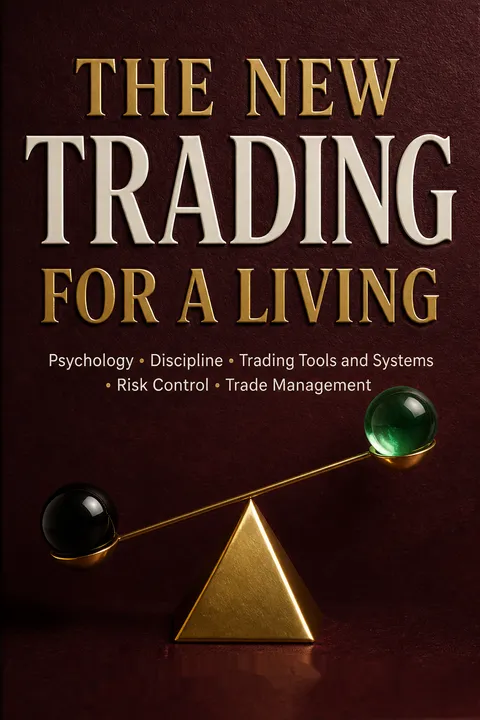

मुख्य बातें
1. ट्रेडिंग में सफलता के लिए अपनी मनोविज्ञान पर नियंत्रण रखें
"मनोविज्ञान महत्वपूर्ण है। जब मैं 'ट्रेडिंग फॉर अ लिविंग' लिख रहा था, तब मैं सक्रिय रूप से मनोरोग चिकित्सा का अभ्यास कर रहा था, इसलिए इसकी मनोवैज्ञानिक भाग समय की कसौटी पर खरा उतरा और मैंने इस नए संस्करण में इसे बहुत कम बदला है।"
भावनात्मक नियंत्रण अत्यंत आवश्यक है। ट्रेडिंग में सफलता आपके भावनाओं को संभालने और आवेगपूर्ण निर्णयों से बचने पर निर्भर करती है। आम मनोवैज्ञानिक गलतफहमियों को पहचानें, जैसे:
- भय और लालच जो तर्कहीन व्यवहार को जन्म देते हैं
- जीत की लय के बाद अत्यधिक आत्मविश्वास
- हार के समय इनकार और जिद
ट्रेडिंग मनोविज्ञान सुधारने के लिए:
- एक लिखित ट्रेडिंग योजना बनाएं और उसका पालन करें
- अपने निर्णयों को ट्रैक और विश्लेषण करने के लिए ट्रेडिंग जर्नल रखें
- माइंडफुलनेस और तनाव प्रबंधन तकनीकों का अभ्यास करें
- अन्य ट्रेडर्स या मेंटर से सहायता लें
2. बाजार की गतिशीलता और भीड़ के व्यवहार को समझें
"बाजार ऐसे पंप की तरह हैं जो अनजान बहुमत की जेब से पैसा चूसकर समझदार अल्पसंख्यक के वॉलेट में डालते हैं।"
बाजार सामूहिक मनोविज्ञान का प्रतिबिंब होते हैं। कीमतें बाजार के प्रतिभागियों की सामूहिक भावनाओं और निर्णयों से संचालित होती हैं। भीड़ के व्यवहार को समझना आपको बढ़त दे सकता है:
- प्रवृत्तियाँ भीड़ की भावनाओं से प्रेरित होती हैं
- अत्यधिक भावना अक्सर बाजार के उलटफेर से पहले होती है
- विरोधी सोच लाभकारी अवसर प्रदान कर सकती है
महत्वपूर्ण अवधारणाएँ:
- समर्थन और प्रतिरोध स्तर
- प्रवृत्ति की पहचान और उसका पालन
- बाजार चक्र और मौसमी प्रभाव
- मूल्य आंदोलनों की पुष्टि में वॉल्यूम की भूमिका
3. तकनीकी विश्लेषण उपकरणों का प्रभावी उपयोग करें
"कंप्यूटरीकृत तकनीकी विश्लेषण पारंपरिक चार्टिंग से अधिक वस्तुनिष्ठ है। आप यह बहस कर सकते हैं कि समर्थन या प्रतिरोध मौजूद है या नहीं—लेकिन किसी संकेतक की दिशा पर बहस नहीं हो सकती।"
संकेतकों का संयोजन उपयोग करें। कोई एक संकेतक पूर्ण नहीं होता, इसलिए सिग्नल की पुष्टि और गलत संकेतों को कम करने के लिए कई उपकरणों को मिलाएं। लोकप्रिय तकनीकी विश्लेषण उपकरण हैं:
- मूविंग एवरेजेज
- MACD (मूविंग एवरेज कन्वर्जेंस डाइवर्जेंस)
- RSI (रिलेटिव स्ट्रेंथ इंडेक्स)
- स्टोकास्टिक ऑस्सीलेटर
तकनीकी विश्लेषण के लिए सर्वोत्तम अभ्यास:
- व्यापक दृष्टिकोण के लिए कई टाइमफ्रेम पर ध्यान दें
- संकेतकों और मूल्य के बीच संगम/विभाजन देखें
- ऐतिहासिक डेटा पर संकेतकों को अधिक अनुकूलित न करें
- अपनी विश्लेषण तकनीकों की नियमित समीक्षा और समायोजन करें
4. जोखिम प्रबंधन रणनीतियाँ अपनाएं
"टू पर्सेंट रूल आपको किसी एकल ट्रेड में अपने खाते की कुल पूंजी का 2% से अधिक जोखिम लेने से रोकता है।"
पूंजी की सुरक्षा करें ताकि आप खेल में बने रहें। दीर्घकालिक ट्रेडिंग सफलता के लिए प्रभावी जोखिम प्रबंधन आवश्यक है। प्रमुख जोखिम प्रबंधन सिद्धांत हैं:
- 2% नियम: प्रत्येक ट्रेड में खाते की पूंजी का 2% तक जोखिम लें
- 6% नियम: यदि मासिक नुकसान 6% तक पहुंच जाए तो ट्रेडिंग बंद करें
- खाते के आकार और जोखिम सहिष्णुता के आधार पर पोजीशन साइजिंग
- कई ट्रेडों और परिसंपत्ति वर्गों में विविधीकरण
जोखिम प्रबंधन तकनीकें:
- स्टॉप-लॉस ऑर्डर का नियमित उपयोग करें
- पोजीशन में धीरे-धीरे प्रवेश और निकास करें
- बाजार की अस्थिरता के अनुसार पोजीशन साइज समायोजित करें
- अपने पोर्टफोलियो की नियमित समीक्षा और पुनर्संतुलन करें
5. एक मजबूत ट्रेडिंग सिस्टम विकसित करें
"एक सिस्टम नियमों का सेट होता है जो ट्रेड खोजने, उसमें प्रवेश करने और बाहर निकलने के लिए होता है। हर गंभीर ट्रेडर के पास एक या अधिक सिस्टम होते हैं।"
लगातार परिणाम के लिए स्थिरता आवश्यक है। एक स्पष्ट रूप से परिभाषित ट्रेडिंग सिस्टम निर्णय लेने से भावनाओं को हटाता है और लगातार परिणाम प्रदान करता है। एक अच्छे ट्रेडिंग सिस्टम के तत्व:
- स्पष्ट प्रवेश और निकास नियम
- जोखिम प्रबंधन दिशानिर्देश
- पोजीशन साइजिंग मानदंड
- प्रदर्शन ट्रैकिंग और विश्लेषण
अपने सिस्टम को विकसित करने के चरण:
- अपनी ट्रेडिंग शैली और लक्ष्य निर्धारित करें
- ऐतिहासिक डेटा पर अपनी रणनीति का बैकटेस्ट करें
- वास्तविक प्रदर्शन की पुष्टि के लिए पेपर ट्रेडिंग करें
- अपने सिस्टम को निरंतर परिष्कृत और अनुकूलित करें
6. सही ट्रेडिंग वाहन चुनें
"आप जो भी समूह चुनें, सुनिश्चित करें कि आपका ट्रेडिंग वाहन दो आवश्यक मानदंडों को पूरा करता है: तरलता और अस्थिरता।"
अपनी रणनीति के अनुसार वाहन चुनें। विभिन्न ट्रेडिंग वाहन विभिन्न लाभ और जोखिम प्रदान करते हैं। निम्न बातों पर विचार करें:
- स्टॉक्स: कंपनियों में स्वामित्व, विविध विकल्प
- ETFs: विविध एक्सपोजर, कम लागत
- फ्यूचर्स: उच्च लीवरेज, 24 घंटे बाजार
- ऑप्शंस: सीमित जोखिम, जटिल रणनीतियाँ
- फॉरेक्स: उच्च तरलता, 24 घंटे ट्रेडिंग
मुख्य विचार:
- तरलता: पोजीशन में आसानी से प्रवेश और निकास की क्षमता
- अस्थिरता: लाभ के अवसरों के लिए आवश्यक मूल्य आंदोलन
- लेनदेन लागत: कमीशन, स्प्रेड और शुल्क
- आपके अनुभव और उपकरण के साथ सहजता
7. लाभ लक्ष्य और स्टॉप-लॉस आदेश समझदारी से सेट करें
"अपने प्रत्येक नियोजित ट्रेड के लिए प्रवेश स्तर, लाभ लक्ष्य और स्टॉप लिखें ताकि आप अपने जोखिम और पुरस्कार की तुलना कर सकें। आपका संभावित पुरस्कार आपके जोखिम से कम से कम दोगुना होना चाहिए।"
अपने ट्रेड पहले से योजना बनाएं। स्पष्ट लाभ लक्ष्य और स्टॉप-लॉस स्तर सेट करने से जोखिम और भावनाओं को नियंत्रित करने में मदद मिलती है। ध्यान दें:
- लक्ष्य और स्टॉप के लिए समर्थन और प्रतिरोध स्तर
- जोखिम-इनाम अनुपात (कम से कम 2:1 का लक्ष्य रखें)
- लाभ की सुरक्षा के लिए ट्रेलिंग स्टॉप्स
- सीमित बाजारों के लिए समय आधारित निकास
सर्वोत्तम अभ्यास:
- तार्किक निकास बिंदु पहचानने के लिए तकनीकी विश्लेषण का उपयोग करें
- स्पष्ट स्तरों पर स्टॉप न लगाएं
- जब ट्रेड आपके पक्ष में हो तो आंशिक लाभ लेने को तैयार रहें
- अपनी निकास रणनीतियों की नियमित समीक्षा और समायोजन करें
8. निरंतर शिक्षा लें और अनुकूलित होते रहें
"आप स्वतंत्र हो सकते हैं। आप दुनिया में कहीं भी रह सकते हैं और काम कर सकते हैं। आप दिनचर्या से स्वतंत्र हो सकते हैं और किसी को जवाब देने की जरूरत नहीं। यही एक सफल ट्रेडर का जीवन है।"
कभी सीखना बंद न करें। बाजार लगातार बदल रहे हैं, और सफल ट्रेडर्स को अनुकूलित होना होता है। निरंतर शिक्षा और सुधार के लिए प्रतिबद्ध रहें:
- बाजार के इतिहास और पैटर्न का अध्ययन करें
- आर्थिक और भू-राजनीतिक घटनाओं से अपडेट रहें
- अपने ट्रेडों से सावधानीपूर्वक विश्लेषण के माध्यम से सीखें
- नई रणनीतियाँ और तकनीकों का अन्वेषण करें
शिक्षा जारी रखने के तरीके:
- ट्रेडिंग किताबें और वित्तीय प्रकाशन पढ़ें
- ट्रेडिंग सेमिनार और वेबिनार में भाग लें
- ट्रेडिंग समुदायों और मंचों से जुड़ें
- अपनी ट्रेडिंग प्रदर्शन की नियमित समीक्षा और विश्लेषण करें
समीक्षा सारांश
The New Trading for a Living को सभी स्तरों के ट्रेडर्स के लिए एक अनिवार्य संसाधन के रूप में अत्यंत सराहा गया है। पाठक एल्डर के ट्रेडिंग मनोविज्ञान, जोखिम प्रबंधन और तकनीकी विश्लेषण पर गहन दृष्टिकोण की प्रशंसा करते हैं। यह पुस्तक व्यावहारिक रणनीतियाँ और उपकरण प्रदान करती है, जिसमें अनुशासन और रिकॉर्ड-कीपिंग के महत्व पर विशेष ध्यान दिया गया है। हालांकि कुछ पाठकों को कुछ हिस्से दोहराव वाले लग सकते हैं, फिर भी कई इसे एक व्यापक मार्गदर्शिका मानते हैं जो शुरुआती और अनुभवी दोनों ट्रेडर्स के लिए मूल्यवान ज्ञान प्रस्तुत करती है। पुस्तक की स्पष्ट व्याख्याएँ और वास्तविक जीवन के उदाहरण जटिल अवधारणाओं को सरल बनाते हैं, जिससे इसे पाठकों की ओर से मजबूत सिफारिशें प्राप्त हुई हैं।
लोग यह भी पढ़ते हैं









अक्सर पूछे जाने वाले प्रश्न
What's The New Trading for a Living about?
- Comprehensive Trading Guide: The book serves as a detailed resource for traders, covering essential topics such as psychology, discipline, trading tools, risk control, and trade management.
- Focus on Psychology: It emphasizes the psychological aspects of trading, explaining how emotions like fear and greed can impact decision-making and trading performance.
- Practical Strategies: Dr. Alexander Elder provides practical strategies and systems, including the Triple Screen Trading System, to help traders make informed decisions.
Why should I read The New Trading for a Living?
- Expert Insights: Written by Dr. Alexander Elder, a seasoned trader and psychiatrist, the book combines psychological insights with trading strategies, making it unique and valuable.
- Structured Learning: The book is structured to guide readers from basic concepts to advanced trading techniques, making it suitable for both beginners and experienced traders.
- Real-World Applications: It includes practical advice and real-world examples, helping readers apply the concepts to their trading practices effectively.
What are the key takeaways of The New Trading for a Living?
- Risk Management is Crucial: The book emphasizes the importance of risk management, introducing the 2% Rule to limit losses and the 6% Rule to manage monthly drawdowns.
- Psychological Discipline: It highlights the need for psychological discipline in trading, encouraging traders to manage their emotions and stick to their trading plans.
- Multiple Timeframe Analysis: Elder advocates for using multiple timeframes in analysis, particularly through the Triple Screen Trading System, to make more informed trading decisions.
What are the best quotes from The New Trading for a Living and what do they mean?
- "Emotional trading is lethal.": This quote underscores the dangers of allowing emotions to dictate trading decisions. It serves as a reminder to maintain discipline and objectivity.
- "You can succeed in trading only if you handle it as a serious intellectual pursuit.": This emphasizes the need for a thoughtful and analytical approach to trading, rather than treating it as a game of chance.
- "A trader must support his broker and the machinery of exchanges before he collects a dime.": This highlights the inherent costs of trading, such as commissions and slippage, which can erode profits if not managed properly.
How does The New Trading for a Living address trading psychology?
- Understanding Emotions: The book delves into the psychological aspects of trading, explaining how emotions like fear and greed can lead to poor decision-making.
- Discipline and Control: It stresses the importance of discipline in trading, encouraging traders to stick to their plans and avoid impulsive decisions based on emotions.
- Self-Assessment Tools: Elder provides self-assessment tools, such as a psychological self-test, to help traders evaluate their readiness and emotional state before trading.
What is the Triple Screen Trading System in The New Trading for a Living?
- Three Screens for Trading: The Triple Screen Trading System involves analyzing three different timeframes: a long-term chart for trend direction, an intermediate chart for timing, and a short-term chart for entry points.
- Combining Indicators: It combines trend-following indicators on long-term charts with counter-trend oscillators on intermediate charts, allowing traders to filter out false signals.
- Strategic Decision Making: By starting with the long-term trend, traders can make strategic decisions that align with the overall market direction, increasing the likelihood of successful trades.
What are the 2% and 6% Rules in The New Trading for a Living?
- 2% Rule: This rule limits the maximum risk on any single trade to 2% of the trader's account equity, helping to prevent significant losses.
- 6% Rule: This rule prohibits opening new trades if the total losses for the month, combined with the risks of open trades, reach 6% of the account equity, encouraging traders to step back during losing streaks.
- Risk Management Framework: Together, these rules create a framework for effective risk management, ensuring traders protect their capital and maintain long-term viability in the markets.
How does Dr. Elder suggest managing risk in trading?
- Two Percent Rule: Dr. Elder introduces the "Two Percent Rule," which states that a trader should never risk more than 2% of their total account on a single trade. This helps protect capital and allows for long-term survival in the market.
- Setting Stops: The book discusses the importance of placing protective stops to limit potential losses. Traders should determine their stop-loss levels before entering a trade to avoid emotional decision-making.
- Emotional Awareness: Understanding the psychological aspects of risk management is crucial. Dr. Elder emphasizes that emotions can cloud judgment, leading to poor risk management decisions.
What is the Impulse System described in The New Trading for a Living?
- Market Movement Analysis: The Impulse System uses two indicators—an exponential moving average (EMA) for inertia and the MACD-Histogram for power—to assess market movements.
- Color-Coded Signals: It colors price bars based on the relationship between these indicators: green for bullish, red for bearish, and blue for neutral, guiding traders on when to enter or exit trades.
- Censorship Approach: Rather than providing direct buy/sell signals, the Impulse System acts as a censorship tool, prohibiting trades that go against the prevailing market trend.
What are kangaroo tails, and how are they used in trading as per The New Trading for a Living?
- Definition of Kangaroo Tails: Kangaroo tails are a specific chart pattern characterized by a tall bar flanked by two smaller bars, indicating a potential reversal. They signal that the market has rejected a certain price level.
- Trading Signals: An upward-pointing kangaroo tail suggests a failed bullish attempt, signaling a potential sell opportunity. Conversely, a downward-pointing kangaroo tail indicates a failed bearish attempt, suggesting a potential buy opportunity.
- Importance of Context: Dr. Elder emphasizes that kangaroo tails should be analyzed within the context of the overall market trend. They are more reliable when they occur at significant support or resistance levels.
How can I improve my trading discipline as suggested in The New Trading for a Living?
- Set Clear Rules: Establishing clear trading rules and sticking to them is essential for maintaining discipline and avoiding impulsive decisions.
- Keep a Trading Journal: Documenting trades, including the rationale behind each decision, helps traders reflect on their performance and learn from mistakes.
- Regular Self-Assessment: Conducting regular self-assessments, such as the psychological self-test mentioned in the book, can help traders gauge their readiness and emotional state before trading.
What is the significance of record-keeping in trading as discussed in The New Trading for a Living?
- Learning from Mistakes: Keeping detailed records of trades allows traders to analyze their performance, identify patterns, and learn from both successes and failures.
- Enhancing Discipline: A well-maintained trading journal promotes discipline by encouraging traders to follow their plans and reflect on their decisions.
- Tracking Progress: Regularly reviewing trade records helps traders track their progress over time, providing insights into their trading strategies and areas for improvement.
लेखक के बारे में



PDF डाउनलोड करें
EPUB डाउनलोड करें
.epub digital book format is ideal for reading ebooks on phones, tablets, and e-readers.








































