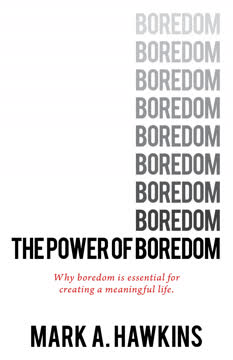
मुख्य बातें
1. उबाऊपन: एक गलत समझा गया भाव
उबाऊपन सबसे महत्वपूर्ण मानवीय भावना है।
उबाऊपन की परिभाषा। अक्सर उबाऊपन को एक ऐसा भाव माना जाता है जिसमें कोई जोश या उत्साह नहीं होता, जो अन्य भावनाओं की तीव्रता से अलग होता है। यह तब उत्पन्न होता है जब हमारे आस-पास या हमारे भीतर कोई रोचक उत्तेजना नहीं होती। उबाऊपन एक स्पेक्ट्रम पर मौजूद होता है, जिसमें हल्का-फुल्का असंतोष से लेकर गहरे अस्तित्वगत निरर्थकता तक शामिल है।
उबाऊपन के प्रकार:
- परिस्थिति आधारित उबाऊपन: जब हम किसी नीरस गतिविधि में थोड़ा असमर्थ महसूस करते हैं
- अस्तित्वगत उबाऊपन: जीवन में गहरे अर्थहीनता का अनुभव
उबाऊपन को एक स्थान के रूप में देखना। उबाऊपन को खालीपन के रूप में देखने के बजाय, इसे एक ऐसी जगह के रूप में समझा जा सकता है जहाँ असीम संभावनाएँ छिपी होती हैं। यह स्थान आत्म-चिंतन, रचनात्मकता और अस्तित्व की प्रकृति को समझने का अवसर प्रदान करता है। जब हम उबाऊपन को अपनाते हैं, तो हम जीवन और अपने स्थान के बारे में गहरे अनुभवों के लिए खुद को खोलते हैं।
2. उबाऊपन से बचने का अंधेरा पक्ष
बीसवीं सदी के कैम्ब्रिज प्रशिक्षित दार्शनिक बर्ट्रेंड रसेल ने कहा है कि दुनिया में बहुत से बुराई हमारे उबाऊपन से भागने के कारण हुई है, लेकिन उबाऊपन स्वयं बुरा नहीं है।
आम बचाव के तरीके:
- अत्यधिक व्यस्तता में खुद को डुबो देना
- तकनीक, नशे या गतिविधियों की लत लगाना
- जोखिम भरे व्यवहार करना
- ड्रामा या विवाद पैदा करना
- किसी कारण के प्रति अत्यधिक समर्पण (क्रूसेडिज्म)
सामाजिक प्रभाव। हमारी संस्कृति में उबाऊपन से बचने की प्रवृत्ति ने निरंतर उत्तेजना और ध्यान भटकाने की आवश्यकता पैदा कर दी है। यह न केवल व्यक्तिगत कल्याण को प्रभावित करता है, बल्कि बड़े सामाजिक मुद्दों में भी योगदान कर सकता है। उबाऊपन का डर लोगों को विनाशकारी व्यवहारों में लिप्त कर सकता है या हानिकारक विचारधाराओं का समर्थन करा सकता है।
व्यक्तिगत परिणाम। उबाऊपन से बचना अक्सर आत्म-चिंतन और व्यक्तिगत विकास की कमी को जन्म देता है। इससे जीवन एक सतही अस्तित्व बन जाता है जहाँ व्यक्ति कभी अपने विश्वासों, मूल्यों या जीवन के उद्देश्य की गहराई से जांच नहीं करता। यह बचाव अंततः खालीपन और असंतोष की भावना को जन्म देता है, भले ही व्यक्ति लगातार सक्रिय क्यों न हो।
3. उबाऊपन को ध्यान के रूप में अपनाना
उबाऊपन ध्यान के लिए एक शक्तिशाली माध्यम है और संतोषजनक जीवन बनाने की शुरुआत के लिए आदर्श स्थान है।
ध्यान से समानताएँ:
- आत्म-चिंतन के लिए जगह बनाता है
- अस्तित्व की प्रकृति को समझने में मदद करता है
- ध्यान भटकाने वाली चीजों और सामाजिक conditioning को हटाता है
माइंडफुलनेस से आगे। जहाँ माइंडफुलनेस वर्तमान क्षण की जागरूकता बढ़ाने का प्रयास करती है, उबाऊपन एक कदम आगे जाकर पूरी तरह से किसी भी व्यस्तता को हटाता है। यह गैर-व्यस्तता आत्म और अस्तित्व की गहरी खोज की अनुमति देती है।
शून्यता का अनुभव। उबाऊपन हमें उस खालीपन और शून्यता का अनुभव करने का अनूठा अवसर देता है जिससे सभी चीजें उत्पन्न होती हैं। इससे वास्तविकता की प्रकृति और अपने स्थान के बारे में गहरे अनुभव हो सकते हैं। जब हम सचमुच उबाऊपन को स्वीकार करते हैं, तो हम जीवन की समझ को बदलने वाले परिवर्तनकारी अनुभवों के द्वार खोलते हैं।
4. आत्म-खोज के लिए उबाऊपन से जुड़ना
हाइडगर कहते हैं कि हमारे अनुभव किए गए मूड हमारे शरीर में बंद नहीं होते, बल्कि वे हमारे आस-पास की दुनिया की धारणा को प्रभावित करते हैं।
अवचेतन विश्वासों का खुलासा। उबाऊपन एक ऐसा माध्यम है जिससे हम अपने गहरे विश्वासों और विश्व दृष्टिकोण की जांच कर सकते हैं। जब हम उबाऊ होते हैं, तो हमारे जीवन के कुछ पहलुओं की निरर्थकता स्पष्ट हो जाती है, जिससे हम अपने मूल्यों को सवाल कर सकते हैं और उन्हें पुनः परिभाषित कर सकते हैं।
संदेशों का विश्लेषण:
- उबाऊपन के दौरान उत्पन्न भावनाओं की पहचान करें
- उन भावनाओं को जन्म देने वाले अवचेतन विश्वासों पर सवाल उठाएं
- उन विश्वासों को प्रभावित करने वाले सामाजिक आदर्शों की जांच करें
- सीमित दृष्टिकोणों को चुनौती दें और पुनः रूपरेखा बनाएं
उबाऊपन सहनशीलता का निर्माण। जैसे हम शारीरिक असुविधा के लिए सहनशीलता बढ़ाते हैं, वैसे ही हम धीरे-धीरे उबाऊपन के साथ बैठने की क्षमता बढ़ा सकते हैं। इसके लिए हमें जानबूझकर अपने जीवन में उबाऊपन के लिए जगह बनानी होगी और तुरंत ध्यान भटकाने वाली चीजों से इसे भरने की इच्छा का विरोध करना होगा।
5. दैनिक जीवन और अर्थ में उबाऊपन की भूमिका
उबाऊपन हमें रुकने, सोचने और जीवन की बड़ी तस्वीर को फिर से देखने का समय और स्थान देता है।
जीवन के तीन तरीके:
- रचनात्मक मोड (काम, घरेलू कार्य, अध्ययन)
- उपभोग मोड (खाना, मनोरंजन)
- उबाऊपन मोड (चिंतन, शून्यता)
सुख और अर्थ को बढ़ाना। अपने जीवन में उबाऊपन के क्षण शामिल करके, हम रचनात्मक और उपभोगात्मक गतिविधियों का आनंद बढ़ा सकते हैं। उबाऊपन एक रीसेट की तरह काम करता है, जिससे हम कार्यों और सुखों को नई सराहना के साथ देख पाते हैं।
दार्शनिक और आध्यात्मिक अभ्यास। उबाऊपन अस्तित्वगत प्रश्नों पर विचार करने और प्रकृति की लय से जुड़ने का अवसर प्रदान करता है। यह हमारे अहंकार की सीमाओं को घोल सकता है, जिससे ब्रह्मांड के साथ एकता की अनुभूति होती है। नियमित रूप से उबाऊपन का अनुभव एक गहरे और आध्यात्मिक रूप से संतोषजनक जीवन में योगदान कर सकता है।
6. उबाऊपन की रचनात्मक शक्ति
निरंतर व्यस्तता में रचनात्मकता मुरझा जाती है, लेकिन उबाऊपन रचनात्मक क्रिया की जननी है।
उबाऊपन को रचनात्मक स्थान के रूप में देखना:
- अवचेतन विचारों को सतह पर आने देता है
- विचारों को मिलाने और विकसित करने के लिए समय प्रदान करता है
- मन के "असाधारण बचाव मोड" को सक्रिय करता है जिससे नए विचार उत्पन्न होते हैं
रचनात्मक अंतर्दृष्टि से जुड़ना:
- मन को प्रासंगिक जानकारी से भरें
- बिना संरचना वाले उबाऊपन के क्षणों की अनुमति दें
- अप्रत्याशित संबंधों और विचारों के लिए खुले रहें
सार्वभौमिक रचनात्मकता। सभी मनुष्यों में जन्मजात रचनात्मक क्षमता होती है। उबाऊपन को अपनाकर हम इस क्षमता को जगाते हैं, चाहे हमारा पेशा या कला में कौशल कुछ भी हो। रचनात्मकता केवल पारंपरिक कला तक सीमित नहीं है; यह समस्या समाधान, नवाचार और आत्म-निर्माण में भी प्रकट हो सकती है।
7. उबाऊपन को नैतिक अभ्यास के रूप में अपनाना
नैतिक होने के लिए, हमें यह सीखना होगा कि हम उबाऊपन पर कैसे प्रतिक्रिया करते हैं।
जागरूकता और स्वतंत्रता। उबाऊपन पर अपनी प्रतिक्रियाओं को समझना नैतिक व्यवहार के लिए आवश्यक है। इस जागरूकता के बिना, हम अवचेतन भय और सामाजिक conditioning के प्रभाव में आ सकते हैं, जो हमारी सच्ची स्वतंत्रता और नैतिक निर्णय लेने की क्षमता को सीमित करता है।
नैतिक प्रभाव:
- व्यक्तिगत विकास और प्रामाणिकता
- विनाशकारी व्यवहारों में कमी
- दूसरों के प्रति सहानुभूति और समझ में वृद्धि
- अधिक सोच-समझकर निर्णय लेना
उबाऊपन को विकसित करना। जानबूझकर अपने जीवन में उबाऊपन के लिए जगह बनाना एक नैतिक अभ्यास माना जा सकता है। यह हमें अपने मूल्यों की जांच करने, सामाजिक मानदंडों पर सवाल उठाने और अपने जीवन और दुनिया के साथ अपने संबंधों के बारे में अधिक सचेत निर्णय लेने की अनुमति देता है।
समीक्षा सारांश
बोरियत की शक्ति को अधिकांश समीक्षकों ने सकारात्मक प्रतिक्रिया दी है। पाठकों ने इस पुस्तक की बोरियत को रचनात्मकता, आत्म-विश्लेषण और जीवन के अर्थ की ओर ले जाने वाली एक नई दृष्टि के रूप में सराहा है। कई पाठकों ने इसे गहन और विचारोत्तेजक बताया, साथ ही इसके दार्शनिक पहलुओं और व्यावहारिक सुझावों की भी प्रशंसा की। लेखक द्वारा विभिन्न विचारकों के उद्धरणों का प्रयोग भी कई पाठकों को पसंद आया। कुछ आलोचनाओं में पुस्तक में संदर्भ-सूची का अभाव और बौद्ध तथा दार्शनिक दृष्टिकोणों पर अनपेक्षित ध्यान शामिल है। कुल मिलाकर, पाठकों ने इसे आज के व्यस्त और विचलित करने वाले युग में एक महत्वपूर्ण और सोचने पर मजबूर करने वाली रचना माना है।
लोग यह भी पढ़ते हैं


 इमर्सिव
अक्सर पूछे जाने वाले प्रश्न
1. What is "The Power of Boredom" by Mark A. Hawkins about?
- Central Thesis: The book argues that boredom is not a negative state to be avoided, but an essential and powerful emotion that can lead to a more meaningful, creative, and fulfilling life.
- Modern Context: Hawkins explores how our current culture of constant distraction and busyness has eroded our tolerance for boredom, making us less satisfied and more disconnected from ourselves.
- Practical Guide: The book provides philosophical insights, psychological research, and practical advice on how to embrace boredom and use it as a tool for self-examination, creativity, and personal growth.
- Structure: It is divided into two main parts: understanding boredom (its nature, why we avoid it, and its destructive avoidance) and harnessing its power (as meditation, for creativity, and as an ethical practice).
2. Why should I read "The Power of Boredom" by Mark A. Hawkins?
- Reframe Boredom: The book challenges the negative stigma around boredom and shows how embracing it can transform your life.
- Combat Distraction: It addresses the modern epidemic of distraction and offers a path to deeper satisfaction and meaning.
- Personal Growth: Hawkins provides actionable strategies to use boredom for self-discovery, breaking limiting beliefs, and fostering creativity.
- Ethical and Social Impact: The book discusses how our relationship with boredom affects not just personal well-being, but also our ethical behavior and relationships with others.
3. What are the key takeaways from "The Power of Boredom"?
- Boredom is Essential: Boredom is a necessary emotional state that creates space for meaning, creativity, and self-examination.
- Avoidance is Harmful: Constantly avoiding boredom leads to destructive behaviors, addiction, and a lack of fulfillment.
- Embrace the Discomfort: By allowing ourselves to experience boredom, we can uncover limiting beliefs and societal pressures that shape our lives unconsciously.
- Boredom as a Tool: Boredom can be harnessed as a form of meditation, a catalyst for creativity, and a foundation for ethical living.
4. How does Mark A. Hawkins define boredom in "The Power of Boredom"?
- Unemotional Emotion: Boredom is described as an "unemotional emotion," lacking the intensity of feelings like anger or joy, but deeply significant.
- Spectrum of Boredom: Hawkins distinguishes between situational boredom (mild, activity-based), existential boredom (profound, meaning-based), and their "full" and "empty" forms.
- Space of Potential: Boredom is conceptualized as a space of pure potential, similar to an empty room that can become anything.
- Meaning and Space: The absence of engagement in boredom creates the necessary space for new meaning and self-understanding to emerge.
5. Why do people avoid boredom, according to "The Power of Boredom"?
- Cultural Taboo: Society teaches us that boredom is negative, equating it with laziness, lack of productivity, or even moral failing.
- Fear of the Self: Boredom exposes us to uncomfortable truths about ourselves, our unmet societal expectations, and limiting beliefs.
- Survival Instincts: Our evolutionary drive for survival and improvement makes stillness and lack of engagement feel intolerable.
- Existential Anxiety: Boredom reveals the inherent meaninglessness and absurdity of life, which can be frightening to confront.
6. What are the destructive reactions to boredom described in "The Power of Boredom"?
- Filling and Killing Time: Engaging in trivial or mindless activities (TV, social media, shopping) to avoid discomfort.
- Addiction and Compulsions: Overindulgence in substances, work, exercise, or even travel as socially acceptable ways to escape boredom.
- Excessive Busyness: Using constant activity as a distraction, often justified as productivity or ambition.
- Risky Behaviors and Drama: Seeking excitement through risky actions or creating interpersonal drama to avoid the void of boredom.
7. How does "The Power of Boredom" connect boredom to meditation and mindfulness?
- Natural Meditation: Boredom is likened to a powerful, natural form of meditation that strips away distractions and reveals the true nature of existence.
- Beyond Mindfulness: While mindfulness is intentional and slightly engaging, boredom is a deeper state of pure nothingness and lack of meaning.
- Window into Existence: Boredom provides a unique opportunity to experience the emptiness and arbitrariness of meaning, leading to profound self-insight.
- Embracing Discomfort: Allowing boredom, rather than escaping it, is essential for genuine self-examination and transformation.
8. What practical advice does Mark A. Hawkins give for embracing boredom in daily life?
- Create Space for Boredom: Intentionally schedule times (e.g., before bed, during waiting periods) to do nothing and allow boredom to arise.
- Reduce Distractions: Limit the use of devices and avoid filling every spare moment with activity.
- Build Tolerance Gradually: Start with short periods of boredom and increase as your comfort grows, being gentle with yourself.
- Reflect on Feelings: Use boredom as a time to notice and deconstruct the thoughts and emotions that surface, leading to greater self-awareness.
9. How does "The Power of Boredom" link boredom to creativity?
- Mother of Creativity: Boredom is essential for creativity, providing the empty space needed for new ideas to emerge.
- Incubation Period: Creative breakthroughs often occur when the mind is not actively engaged, allowing unconscious processes to work.
- Destruction and Creation: Boredom breaks down old meaning systems, making room for innovative thinking and self-creation.
- Universal Creativity: Everyone has creative potential, and embracing boredom is key to unlocking it in any area of life.
10. What ethical and social implications of boredom are discussed in "The Power of Boredom"?
- Moral Imperative: Being aware of our reactions to boredom is a moral obligation, as avoidance can lead to unethical behaviors and objectification of others.
- Empathy and Connection: Embracing boredom helps us see the arbitrariness of our beliefs, reducing dogmatism and increasing empathy for others.
- Freedom and Responsibility: Awareness of boredom frees us from unconscious drives, allowing for more ethical and intentional choices.
- Social Harmony: Recognizing our shared existential predicament through boredom can foster understanding and reduce conflict.
11. What are the most important concepts and methods in "The Power of Boredom" by Mark A. Hawkins?
- Boredom as Space: Viewing boredom as a space of pure potential, necessary for meaning and creativity.
- Deconstructing Beliefs: Using boredom to uncover and challenge limiting societal and personal beliefs.
- Tuning In: Actively noticing and reflecting on the messages and emotions that arise during boredom.
- Boredom as Ethical Practice: Understanding how our relationship with boredom shapes our behavior toward ourselves and others.
12. What are the best quotes from "The Power of Boredom" and what do they mean?
- “Boredom is the most powerful human emotion.” – Emphasizes the transformative potential of boredom when embraced rather than avoided.
- “Boredom is a special space in time that provides us with a bird’s eye view of life.” – Suggests that boredom allows for self-reflection and perspective.
- “Boredom dissolves your identity and selfhood so that you can build it up again yourself.” – Highlights the role of boredom in personal reinvention and growth.
- “In an age of distraction, nothing can feel more luxurious than paying attention.” (Pico Iyer, quoted) – Underscores the value of presence and awareness in a distracted world.
- “Embrace boredom and the absurdity that comes with it. Feel them right down to your bones. This is when you are the most human.” – Encourages readers to accept the discomfort of boredom as a path to authenticity and meaning.








































