मुख्य बातें
1. पश्चिमी इतिहास में महिलाओं की आवाज़ें दबाई गईं
तभी युवा टेलीमैकस हस्तक्षेप करता है: 'माँ,' वह कहता है, 'अपने कक्ष में वापस जाओ, और अपना काम संभालो, जैसे कि बुनाई और सूत कातना... बोलना पुरुषों का काम होगा, सभी पुरुषों का, और सबसे ज़्यादा मेरा; क्योंकि इस घर में मेरी ही सत्ता है।'
दबाव शुरू होता है बहुत पहले। ओडिसी, पश्चिमी साहित्य की सबसे पुरानी कृतियों में से एक, एक युवा पुरुष को अपनी माँ की आवाज़ दबाते हुए दिखाती है, जो आज तक जारी एक पैटर्न की शुरुआत है। यह दृश्य दर्शाता है कि महिलाओं की चुप्पी की धारणा हमारी सांस्कृतिक विरासत में कितनी गहराई से जमी हुई है।
साहित्य के माध्यम से निरंतरता। शास्त्रीय साहित्य में महिलाओं को बार-बार चुप कराया जाता है या इस तरह बदला जाता है कि उनकी बोलने की क्षमता छीन ली जाती है। उदाहरण के तौर पर:
- आयो को गाय में बदल दिया गया, जो केवल म्याऊं कर सकती थी
- इको को श्राप दिया गया कि वह केवल दूसरों के शब्दों को दोहरा सके
- फिलोमेला की जीभ काट दी गई जब उसका बलात्कार हुआ
सीमित अपवाद। शास्त्रीय साहित्य में महिलाओं को सार्वजनिक रूप से बोलने की अनुमति केवल कुछ विशेष परिस्थितियों में दी जाती थी:
- पीड़ित या शहीद के रूप में, अक्सर मृत्यु से पहले
- अपने घर, बच्चों या अन्य महिलाओं की रक्षा के लिए
- केवल महिलाओं के हितों के प्रवक्ता के रूप में
2. प्राचीन ग्रीक मिथक महिलाओं को सत्ता से बाहर रखने को मजबूत करते हैं
यदि कभी आपको इस बात पर संदेह हो कि महिलाओं को सत्ता से बाहर रखना कितना सांस्कृतिक रूप से गहरा जड़ा हुआ है, या यह कि शास्त्रीय तरीके आज भी इसे बनाए रखने में कितने प्रभावी हैं – तो मैं आपको ट्रंप और क्लिंटन, पर्सियस और मेडूसा का उदाहरण देता हूँ, और अपना तर्क समाप्त करता हूँ।
मिथक सांस्कृतिक रूपरेखा के रूप में। ग्रीक पौराणिक कथाएँ ऐसी शक्तिशाली कहानियाँ प्रदान करती हैं जो महिलाओं को सत्ता से बाहर रखने को सही ठहराती और मजबूत करती हैं। ये कथाएँ आज भी हमारे लिंग भूमिकाओं और सत्ता के संबंधों की समझ को आकार देती हैं।
प्रमुख पौराणिक उदाहरण:
- क्लाइटेमनेस्ट्रा: सत्ता में होने पर उसे पुरुषत्व और विनाशकारी के रूप में दिखाया गया
- अमेज़न: सभ्यता के लिए खतरा मानी गईं, जिन्हें पराजित करना आवश्यक था
- मेडूसा: उसका सिर काटना पुरुष प्रभुत्व की हिंसक पुनर्स्थापना का प्रतीक है
- एथेना: महिला देवता होते हुए भी पुरुष गुणों का प्रतिनिधित्व करती हैं और ज़ीउस के सिर से जन्मी हैं
आधुनिक प्रतिध्वनियाँ। ये प्राचीन मिथक आज भी समकालीन विमर्श को प्रभावित करते हैं:
- महिला राजनेताओं की तुलना मेडूसा से की जाती है (जैसे हिलेरी क्लिंटन, एंजेला मर्केल)
- राजनीतिक कार्टून और वस्तुओं में शास्त्रीय छवियों का उपयोग
- सत्ता में महिलाओं के प्रति सांस्कृतिक असहजता बनी हुई है
3. सांस्कृतिक रूढ़ियाँ सार्वजनिक भाषण में पुरुष प्रभुत्व को बनाए रखती हैं
आज भी जब श्रोता किसी महिला की आवाज़ सुनते हैं, तो वे उसमें अधिकार की आवाज़ नहीं सुनते; या कहें कि उन्होंने उसमें अधिकार सुनना नहीं सीखा है; वे उसमें 'मुथोस' नहीं सुनते।
भाषण के प्रति लिंग आधारित धारणाएँ। हमारी संस्कृति में पुरुष आवाज़ों और अधिकार के बीच गहरे जुड़े संबंध हैं, जिससे महिलाओं के लिए सार्वजनिक भाषण में गंभीरता से लिए जाना कठिन हो जाता है।
पक्षपात के रूप:
- महिलाओं की आवाज़ों को "तेज," "चिड़चिड़ी," या "शिकायत करने वाली" कहा जाता है
- भाषण की सामग्री से अधिक शारीरिक रूप की जांच की जाती है
- पेशेवर माहौल में बार-बार टोकना और "मैनस्प्लेनिंग"
- बोलने वाली महिलाओं को ऑनलाइन असमान रूप से दुर्व्यवहार का सामना करना पड़ता है
ऐतिहासिक संदर्भ। ये पूर्वाग्रह शास्त्रीय वक्तृत्व से जुड़े हैं, जहाँ सार्वजनिक भाषण को केवल पुरुषों का क्षेत्र माना जाता था। आदर्श वक्ता को "vir bonus dicendi peritus" कहा जाता था – एक अच्छा पुरुष, जो बोलने में निपुण हो।
4. आधुनिक राजनीति में शास्त्रीय नारीद्वेष की झलक
मैं स्वयं भी लिसिस्ट्राटा को 'गर्ल पावर' के रूप में प्रस्तुत किए जाने पर कड़ाई से आपत्ति करता रहा हूँ – हालांकि शायद अब हमें इसे ठीक उसी तरह प्रस्तुत करना चाहिए।
स्थायी पैटर्न। महिलाओं के अधिकारों में प्रगति के बावजूद, आधुनिक राजनीति में कई पहलू प्राचीन पूर्वाग्रहों को दर्शाते हैं जो सत्ता में महिलाओं के खिलाफ हैं।
जारी पक्षपात के उदाहरण:
- महिला राजनेताओं की गलतियों पर अधिक कठोर आलोचना (जैसे डायने एबॉट बनाम बॉरिस जॉनसन)
- महिलाओं के मुद्दों को मुख्य राजनीतिक चिंताओं से अलग या गौण माना जाना
- महिला नेताओं के रूप और निजी जीवन पर असमान ध्यान
- राजनीति में महिलाओं पर हमला करने के लिए शास्त्रीय छवियों का उपयोग (जैसे मेडूसा के चित्रण)
पुनर्व्याख्या की आवश्यकता। इन पूर्वाग्रहों को चुनौती देने के लिए हमें शास्त्रीय कथाओं की सक्रिय पुनर्व्याख्या करनी होगी, ताकि महिलाओं को सीमित करने के बजाय सशक्त बनाया जा सके।
5. महिलाओं को शामिल करने के लिए सत्ता की पुनःपरिभाषा आवश्यक है
यदि महिलाओं को सत्ता की संरचनाओं में पूरी तरह से शामिल नहीं माना जाता, तो निश्चित ही हमें महिलाओं को नहीं, बल्कि सत्ता की परिभाषा को पुनः परिभाषित करना चाहिए।
परंपरागत धारणाओं को चुनौती। हमारी सत्ता की वर्तमान समझ पुरुषवादी आदर्शों और सार्वजनिक प्रतिष्ठा से गहराई से जुड़ी है। महिलाओं को वास्तव में शामिल करने के लिए हमें सत्ता के अर्थ और उसके काम करने के तरीके पर पुनर्विचार करना होगा।
सत्ता की संभावित नई परिभाषाएँ:
- बदलाव लाने और प्रभाव डालने की क्षमता
- व्यक्तिगत प्रभुत्व के बजाय सहयोगात्मक प्रभाव
- गंभीरता से लिए जाने और सुने जाने का अधिकार
- सत्ता को एक गुण या क्रिया के रूप में देखना, न कि केवल एक वस्तु के रूप में
व्यापक प्रभाव। सत्ता की पुनःपरिभाषा से हो सकता है:
- नेतृत्व के अधिक विविध शैलियों को महत्व मिले
- सामूहिक कार्रवाई और जमीनी स्तर की आंदोलनों पर ज़ोर बढ़े
- प्रभाव और सफलता के विभिन्न रूपों को स्वीकार्यता मिले
6. व्यक्तिगत रणनीतियाँ महिलाओं को पुरुष-प्रधान क्षेत्रों में मदद कर सकती हैं
मार्गरेट थैचर ने अपने हैंडबैग के साथ ऐसा किया, जिससे अंततः सबसे पारंपरिक महिला सहायक उपकरण राजनीतिक शक्ति का एक क्रिया रूप बन गया: 'टू हैंडबैग'।
रणनीतिक दृष्टिकोण। कुछ महिलाओं ने पारंपरिक महिला लक्षणों या प्रतीकों का रणनीतिक रूप से उपयोग या उलटफेर करके सफलता पाई है।
व्यक्तिगत रणनीतियों के उदाहरण:
- मार्गरेट थैचर का हैंडबैग सत्ता का प्रतीक बनना
- पारंपरिक "महिला" सहायक उपकरणों का उपयोग संदेश देने के लिए (जैसे "ब्लू टाइट्स" ब्लूस्टॉकिंग के लिए)
- थेरेसा मे के जूते, जो पुरुष मानकों के अनुरूप न होने का संकेत देते हैं
- "बॉयज़ क्लब" से बाहर होने का फायदा उठाकर स्वतंत्र क्षेत्र बनाना
सीमाएँ। ये व्यक्तिगत रणनीतियाँ प्रभावी हो सकती हैं, लेकिन वे मौलिक प्रणालीगत समस्याओं को संबोधित नहीं करतीं और कुछ रूढ़ियों को मजबूत भी कर सकती हैं।
7. महिलाओं को सशक्त बनाने के लिए प्रणालीगत बदलाव आवश्यक है
हमें सत्ता क्या है, इसका उद्देश्य क्या है, और इसे कैसे मापा जाता है, इस पर अधिक चिंतनशील होना होगा। दूसरे शब्दों में, यदि महिलाओं को सत्ता की संरचनाओं में पूरी तरह से शामिल नहीं माना जाता, तो निश्चित ही हमें महिलाओं को नहीं, बल्कि सत्ता की परिभाषा को पुनः परिभाषित करना चाहिए।
व्यक्तिगत सफलता से परे। जबकि कुछ महिलाओं ने सत्ता के पद हासिल किए हैं, सच्चा समानता सामाजिक संरचनाओं और सांस्कृतिक कथाओं में मौलिक बदलाव की मांग करती है।
प्रणालीगत बदलाव के क्षेत्र:
- महिलाओं और सत्ता के बारे में गहरे जड़े सांस्कृतिक कथाओं को चुनौती देना
- नेतृत्व की परिभाषा को पारंपरिक पुरुषवादी गुणों से परे ले जाना
- भर्ती, पदोन्नति और सार्वजनिक धारणा में अवचेतन पूर्वाग्रहों को संबोधित करना
- संस्थागत संरचनाओं को अधिक समावेशी और सहयोगात्मक बनाना
दीर्घकालिक दृष्टि। सच्चा बदलाव होगा:
- हमारी सांस्कृतिक विरासत की निरंतर आलोचनात्मक समीक्षा
- नई कथाओं की सक्रिय पुनर्व्याख्या और सृजन
- सामाजिक मानदंडों और अपेक्षाओं को पुनः आकार देने के लिए सामूहिक प्रयास
- गहरे जड़े पूर्वाग्रहों के सामने धैर्य और दृढ़ता
समीक्षा सारांश
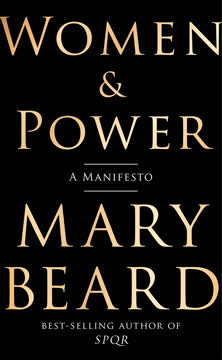
महिलाएं और सत्ता अपनी गहन विश्लेषण के लिए प्रशंसित है, जिसमें महिलाओं को ऐतिहासिक रूप से सत्ता से वंचित किए जाने का कारण बताया गया है। इस पुस्तक में नारीद्वेष की जड़ें प्राचीन ग्रीस और रोम तक खोजी गई हैं। पाठक बीयर्ड के विद्वतापूर्ण दृष्टिकोण और आकर्षक लेखन शैली की सराहना करते हैं। कई लोग इसे विचारोत्तेजक और प्रासंगिक पाते हैं, हालांकि कुछ पाठक अधिक ठोस समाधान की कामना करते हैं। पुस्तक की संक्षिप्तता इसकी ताकत और कमजोरी दोनों है; यह एक संक्षिप्त परिचय प्रदान करती है, लेकिन कुछ पाठकों को गहराई की कमी महसूस होती है। कुल मिलाकर, इसे नारीवादी विमर्श में एक महत्वपूर्ण योगदान माना जाता है, जो सत्ता और अधिकार के पारंपरिक विचारों को चुनौती देता है।
लोग यह भी पढ़ते हैं
अक्सर पूछे जाने वाले प्रश्न
What's "Women & Power: A Manifesto" about?
- Exploration of Women's Voices: The book examines the historical and cultural mechanisms that have silenced women in public and political spheres.
- Historical Context: Mary Beard uses examples from ancient Greek and Roman cultures to illustrate how these practices have deep roots in Western society.
- Contemporary Relevance: It connects these historical practices to modern-day issues, showing how women are still marginalized in public discourse.
- Call for Change: The book is a manifesto urging a reevaluation of power structures to include women's voices more equitably.
Why should I read "Women & Power: A Manifesto"?
- Insightful Analysis: The book provides a deep dive into the historical silencing of women, offering a perspective that is both scholarly and accessible.
- Cultural Reflection: It encourages readers to reflect on how ancient practices influence current societal norms and gender dynamics.
- Empowerment: Mary Beard's work is a call to action for both women and men to challenge and change the status quo.
- Relevance: The issues discussed are pertinent to ongoing conversations about gender equality and women's rights.
What are the key takeaways of "Women & Power: A Manifesto"?
- Historical Silencing: Women have been systematically excluded from public discourse for thousands of years, a practice rooted in ancient cultures.
- Cultural Inheritance: Modern Western societies have inherited these exclusionary practices, which continue to affect women's roles in power.
- Redefining Power: Beard argues for a redefinition of power that includes women's voices and perspectives, moving beyond traditional male-dominated structures.
- Actionable Change: The book suggests that real progress requires a fundamental shift in how society perceives authority and leadership.
How does Mary Beard use historical examples in "Women & Power: A Manifesto"?
- Greek and Roman Contexts: Beard draws on examples from ancient Greek and Roman literature and history to illustrate the long-standing silencing of women.
- Telemachus and Penelope: She discusses the story from Homer's "Odyssey" where Telemachus tells his mother Penelope to be silent, highlighting early examples of gendered speech.
- Classical Myths: Myths like those of Medusa and the Amazons are used to show how female power has been portrayed as dangerous and needing control.
- Cultural Continuity: These examples are linked to modern practices, showing how ancient ideologies persist today.
What does Mary Beard mean by "the public voice of women"?
- Exclusion from Public Discourse: The term refers to the historical and ongoing exclusion of women from public speaking and decision-making roles.
- Cultural Norms: Beard discusses how societal norms have traditionally dictated that authoritative speech is a male domain.
- Impact on Modern Society: The book explores how these norms continue to affect women's participation in politics and public life today.
- Need for Change: Beard advocates for a cultural shift that recognizes and values women's contributions to public discourse.
How does "Women & Power: A Manifesto" address modern issues of gender and power?
- Contemporary Examples: The book draws parallels between ancient practices and modern instances of gender discrimination and silencing.
- Online Harassment: Beard discusses the abuse women face online as a modern form of silencing, akin to historical practices.
- Political Representation: The book examines the underrepresentation of women in politics and the barriers they face.
- Cultural Shifts: Beard calls for a reevaluation of what constitutes power and authority, advocating for more inclusive definitions.
What are some of the best quotes from "Women & Power: A Manifesto" and what do they mean?
- "Women in the West have a lot to celebrate; let’s not forget." This quote acknowledges progress while emphasizing that much work remains.
- "When it comes to silencing women, Western culture has had thousands of years of practice." It highlights the deep-rooted nature of gender inequality.
- "We need to think more fundamentally about the rules of our rhetorical operations." Beard calls for a reevaluation of how society perceives authority and speech.
- "If women are not perceived to be fully within the structures of power, surely it is power that we need to redefine rather than women?" This challenges the reader to rethink traditional power dynamics.
How does Mary Beard propose we redefine power in "Women & Power: A Manifesto"?
- Beyond Traditional Structures: Beard suggests moving away from male-coded definitions of power that focus on individual prestige and authority.
- Collaborative Power: She advocates for a model of power that emphasizes collaboration and collective action.
- Inclusive Authority: The book calls for recognizing diverse voices and experiences as legitimate sources of authority.
- Cultural Change: Beard argues that redefining power requires a cultural shift in how society values different forms of leadership and influence.
What role do classical myths play in "Women & Power: A Manifesto"?
- Illustrative Examples: Myths like those of Medusa and the Amazons are used to show how female power has been historically portrayed as dangerous.
- Cultural Narratives: These myths serve as cultural narratives that have justified the exclusion of women from power.
- Modern Parallels: Beard draws parallels between these ancient stories and modern depictions of women in power, showing their lasting impact.
- Reclaiming Narratives: The book also discusses efforts to reclaim these myths for feminist purposes, though it notes the challenges in doing so.
How does "Women & Power: A Manifesto" address the concept of "mansplaining"?
- Cultural Phenomenon: Beard discusses "mansplaining" as a modern manifestation of historical practices that undermine women's authority.
- Impact on Women: It highlights how such behaviors contribute to the silencing and marginalization of women in public and professional settings.
- Need for Awareness: The book calls for greater awareness of these dynamics and encourages both men and women to challenge them.
- Cultural Change: Addressing "mansplaining" is part of the broader cultural shift needed to redefine power and authority inclusively.
What is the significance of the "Miss Triggs" cartoon in "Women & Power: A Manifesto"?
- Illustration of Gender Bias: The cartoon is used to illustrate how women's contributions are often overlooked or dismissed in professional settings.
- Cultural Commentary: It serves as a commentary on the persistent gender biases that exist in workplaces and other public spheres.
- Call to Action: Beard uses the cartoon to highlight the need for cultural change in how women's voices are perceived and valued.
- Broader Implications: The "Miss Triggs" scenario is emblematic of the broader issues of gender inequality that the book addresses.
How does Mary Beard suggest we address the challenges women face in public discourse?
- Cultural Awareness: Beard emphasizes the need for greater awareness of the historical and cultural factors that contribute to women's silencing.
- Redefining Authority: She advocates for redefining what constitutes authority and power to be more inclusive of women's voices.
- Challenging Norms: The book encourages challenging societal norms and practices that marginalize women in public and professional settings.
- Collective Action: Beard calls for collective efforts to create a more equitable environment where women's contributions are recognized and valued.