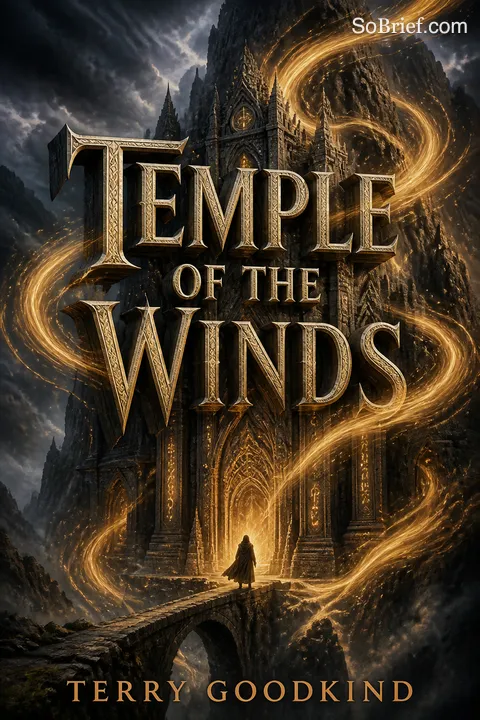
Trama
L’arrivo dell’assassino scatena tensione
L’arrivo di Marlin, un assassino inviato dall’Imperatore Jagang, getta il Palazzo dei Confessori nel tumulto. Kahlan Amnell, la Madre Confessore, e Cara, una Mord-Sith, sono in massima allerta. Marlin non è un semplice sicario, ma una pedina in un piano più ampio orchestrato da Jagang, capace di invadere le menti come camminatore dei sogni. Il palazzo è nel caos mentre cercano di scoprire la vera minaccia, preparando il terreno per una battaglia contro forze invisibili.
Il dilemma e l’inganno della Confessore
Kahlan fatica ad accettare l’arrivo di Nadine, una donna del passato di Richard, che sostiene di essere destinata a sposarlo. Inviata da Shota, una strega, la presenza di Nadine aumenta l’ansia di Kahlan. Kahlan invita Nadine a restare, sperando di scoprire le vere intenzioni di Shota. Nel frattempo, Kahlan lotta con le proprie insicurezze e la paura che la profezia possa dividerla da Richard, mentre desideri personali si scontrano con il dovere.
L’ombra della profezia si allunga
Richard torna trovando il palazzo in subbuglio e apprende di una profezia incisa da Jagang tramite Marlin. La profezia parla di una luna rossa e di una tempesta di fuoco che metteranno alla prova la determinazione di Richard e minacceranno chi ama. Richard è deciso a sfidare la profezia, ma le sue parole oscure pesano su di lui e su Kahlan. La coppia deve affrontare il cammino insidioso della profezia mantenendo saldo il loro amore e sacrificio.
L’ombra della peste cala su Aydindril
Richard e Kahlan si trovano di fronte a una situazione disperata: una peste, forse scatenata da Jagang, si diffonde ad Aydindril. La malattia, nota come la morte nera, miete vittime rapidamente, iniziando dai bambini. Richard, gravato dalla profezia e dalla minaccia al suo popolo, fatica a trovare una soluzione. Drefan, fratellastro di Richard e guaritore, offre le sue conoscenze, ma le origini e la cura della peste restano elusive. La città è in tensione e Richard deve agire in fretta per evitare il panico e la diffusione della malattia.
La missione segreta di Kahlan verso Shota
Spinta dalla disperazione e dal bisogno di proteggere Richard, Kahlan decide di cercare Shota, la strega, per avere risposte sulla peste. Crede che Shota possa detenere la chiave per comprendere la profezia e fermare la malattia. Kahlan pianifica il viaggio in segreto, consapevole che Richard non le permetterebbe mai di partire da sola. Lascia una lettera a Richard, spiegando la sua decisione e chiedendo comprensione. Il suo amore per Richard e per il suo popolo alimenta la determinazione ad affrontare i pericoli che la attendono.
La rivelazione e l’offerta dello Sliph
Kahlan scopre lo sliph, un essere misterioso capace di viaggiare, sveglio e consapevole. Lo sliph rivela che altri hanno viaggiato attraverso di lei, suggerendo il coinvolgimento degli agenti di Jagang. Kahlan apprende che lo sliph può condurla da Shota, offrendo una possibile strada verso le risposte che cerca. La rivelazione delle capacità dello sliph e la possibilità di raggiungere Shota riaccendono la speranza di Kahlan. Si prepara a intraprendere un viaggio che potrebbe cambiare le sorti della loro lotta contro la peste.
Un gioco mortale di inganni
Tristan Bashkar, ambasciatore dei Jarian, si rivela essere l’assassino che mira a Kahlan. Richard orchestra un piano per smascherare Tristan, che confessa di aver tentato di uccidere Kahlan per guadagnare il favore dell’Ordine Imperiale. Nonostante l’assenza di un atto compiuto, Richard ordina l’esecuzione di Tristan per il suo intento omicida. L’esecuzione serve da monito per chiunque voglia nuocere a Kahlan, ma pesa profondamente su Richard, che si confronta con le implicazioni morali della sua decisione. L’episodio sottolinea il pericolo e l’inganno che li circondano.
Le oscure intenzioni di Drefan svelate
Con l’aumentare delle tensioni, emergono le oscure intenzioni di Drefan. La sua maschera di guaritore e alleato crolla, rivelando un uomo mosso da ambizione e desiderio di potere. Le azioni di Drefan minacciano di disfare le fragili alleanze costruite da Richard e Kahlan, e il suo tradimento colpisce profondamente. La rivelazione della sua vera natura costringe Richard e Kahlan a confrontarsi con la realtà della loro situazione e i pericoli che si nascondono tra le loro stesse fila. Il tradimento di Drefan segna una svolta, spingendo Richard e Kahlan sull’orlo del baratro mentre lottano per proteggere il loro mondo.
La corsa disperata di Kahlan contro il tempo
Con la vita di Richard appesa a un filo, Kahlan intraprende una ricerca disperata per trovare il libro che contiene la chiave per fermare la peste. Il suo viaggio è pieno di pericoli e incertezze, mentre combatte contro il tempo e le forze che cercano di ostacolarla. La determinazione e l’amore di Kahlan per Richard la spingono avanti, anche quando le probabilità sembrano insormontabili. La sua corsa contro il tempo è una testimonianza della sua forza e resilienza, mentre lotta per salvare l’uomo che ama e il mondo che entrambi custodiscono.
Lo scontro finale e la redenzione
Lo scontro finale con Drefan e le forze delle tenebre è una battaglia di proporzioni epiche. Richard e Kahlan devono attingere a tutta la loro forza e coraggio per superare le sfide che li attendono. Alla fine, sono l’amore e il sacrificio a rivelarsi le armi ultime contro l’oscurità. La battaglia non è solo una lotta per la sopravvivenza, ma anche un viaggio di redenzione, mentre Richard e Kahlan trovano un modo per guarire le ferite del passato e tracciare un nuovo cammino. La loro vittoria è una testimonianza del potere dell’amore e della forza duratura dello spirito umano.
Personaggi
Kahlan Amnell
Kahlan è la Madre Confessore, una figura potente incaricata di mantenere la giustizia. Il suo amore per Richard è incrollabile, ma la profezia e l’arrivo di Nadine mettono alla prova la sua determinazione. Lotta con la paura del tradimento e il peso delle sue responsabilità. Il percorso di Kahlan è un equilibrio tra desideri personali e dovere, mentre naviga nella complessa rete di relazioni e minacce che la circondano.
Richard Rahl
Richard è il Cercatore della Verità e il Maestro di D’Hara. È impegnato a proteggere chi ama e a sfidare la profezia che minaccia il suo futuro. Il suo passato e il ruolo di leader pesano su di lui, ma il suo amore per Kahlan gli dà forza. È un uomo d’azione, deciso a sposare Kahlan e assicurare il loro futuro, nonostante le difficoltà.
Cara
Cara è una Mord-Sith, guerriera addestrata a servire e proteggere Richard. La sua lealtà è incrollabile, ma il suo passato da Mord-Sith la perseguita. Lotta con il peso dei suoi errori e la paura di deludere Richard. Il suo percorso è di redenzione e fedeltà, mentre cerca di dimostrare il suo valore e proteggere chi serve.
Nadine
Nadine è una donna del passato di Richard, inviata da Shota per destabilizzare la sua relazione con Kahlan. La sua presenza è fonte di tensione, rappresentando sia una minaccia sia un’opportunità per scoprire le vere intenzioni di Shota. Il suo percorso è di scoperta di sé e redenzione, mentre naviga tra relazioni complesse e desideri personali.
Drefan Rahl
Drefan è il fratellastro di Richard, un guaritore con un passato complesso. Il suo arrivo è sia un sollievo sia motivo di sospetto. Le sue abilità sono preziose, ma i suoi veri motivi restano oscuri. Il suo percorso è di redenzione e fiducia, mentre cerca di guadagnarsi un posto nel mondo di Richard.
Imperatore Jagang
Jagang è un nemico potente, capace di invadere le menti e manipolare gli altri per i suoi scopi. La sua presenza è una minaccia costante, mentre cerca di distruggere Richard e chi ama. Il suo percorso è di potere e controllo, usando la profezia e la manipolazione per raggiungere i suoi obiettivi.
Shota
Shota è una strega con un’agenda propria, spesso in contrasto con Richard e Kahlan. Le sue azioni sono guidate dalla profezia e dal desiderio di plasmare il futuro. Il suo percorso è di manipolazione e lungimiranza, mentre cerca di influenzare gli eventi e proteggere chi ritiene degno.
Marlin
Marlin è un assassino inviato da Jagang per uccidere Richard. La sua presenza scatena il caos, rivelandolo come una pedina in un piano più grande. Il suo percorso è di manipolazione e controllo, usato da Jagang per avanzare i suoi scopi.
Zedd
Zedd è il nonno di Richard e un potente mago. Pur assente, la sua influenza si avverte in tutta la storia. Il suo percorso è di saggezza e guida, con i suoi insegnamenti che continuano a plasmare le azioni e le decisioni di Richard.
Gli Andoliani
Gli Andoliani sono esseri misteriosi noti per la loro natura imprevedibile. Il loro arrivo al palazzo porta un messaggio cruciale dal Tempio dei Venti, aggiungendo un nuovo livello di complessità agli eventi in corso. Il coinvolgimento degli Andoliani costringe Richard e Kahlan a navigare con cautela e fiducia in questo delicato equilibrio.
Strumenti narrativi
Profezia
La profezia incisa da Jagang è un elemento centrale della trama, creando tensione e incertezza per Richard e Kahlan. La sua natura duplice, un bivio vincolante, suggerisce che qualunque scelta faccia Richard, dovrà affrontare conseguenze gravi. Le parole della profezia pesano sui personaggi, influenzando azioni e decisioni mentre cercano di sfidarne le predizioni.
Camminare nei sogni
La capacità di Jagang di invadere le menti come camminatore dei sogni è un dispositivo narrativo significativo, che gli permette di manipolare gli altri e avanzare i suoi scopi. Questa abilità crea un senso di vulnerabilità e pericolo per i personaggi, costretti a fronteggiare la minaccia di invasioni mentali e controllo.
Il Tempio dei Venti
Il Tempio dei Venti è un elemento chiave della trama, custode della magia necessaria per fermare la peste. La sua esistenza sia nel mondo dei vivi che in quello dei morti crea un alone di mistero e pericolo, mentre Richard e Kahlan cercano un modo per entrarvi. Il legame del tempio con la profezia e gli spiriti lo rende un elemento cruciale negli eventi in corso, offrendo una possibile via di salvezza.
Sliph
La capacità dello sliph di trasportare persone su grandi distanze offre una possibile via verso risposte e soluzioni. La sua presenza introduce nuove possibilità e sfide, mentre Richard e Kahlan considerano di usare lo sliph per raggiungere il Tempio dei Venti. La natura enigmatica dello sliph e il suo legame con la magia antica la rendono una figura chiave negli eventi, portando speranza e opportunità di fronte alla peste.
Amore e sacrificio
I temi di amore e sacrificio sono intrecciati nella narrazione, influenzando le motivazioni e le azioni dei personaggi. L’amore tra Richard e Kahlan è messo alla prova dalla profezia e dalle minacce esterne, mentre la loro disponibilità a sacrificarsi per il bene comune sottolinea il potere dell’amore e il costo del dovere. Questi temi guidano i percorsi dei personaggi e plasmano l’esito della storia, evidenziando la tensione tra desideri personali e bisogni del mondo.
Analisi
"Temple of the Winds" di Terry Goodkind è una narrazione complessa che esplora l’interazione tra amore, profezia e sacrificio. La storia si addentra nelle lotte psicologiche ed emotive dei personaggi mentre affrontano un mondo pieno di pericoli e incertezze. La profezia funge da forza vincolante, creando tensione e spingendo la narrazione avanti. I percorsi dei personaggi sono segnati dalla loro disponibilità a sacrificarsi per il bene superiore, sottolineando il potere dell’amore e il prezzo del dovere. L’esplorazione di temi come fiducia, tradimento e redenzione offre una riflessione profonda sulla condizione umana e sulla forza duratura dello spirito umano. Attraverso una trama intricata e personaggi riccamente sviluppati, "Temple of the Winds" invita i lettori a considerare le complessità del destino e le scelte che definiscono le nostre vite.
Altri hanno letto anche
FAQ
Synopsis & Basic Details
What is Temple of the Winds about?
- Plague Threatens the World: Emperor Jagang, a powerful dream walker, unleashes a magical plague across the New World, causing widespread death and suffering, particularly among children.
- Quest for Ancient Magic: To stop the plague, Richard Rahl, the Seeker of Truth and a war wizard, must find the legendary Temple of the Winds, a repository of dangerous magic hidden in the underworld for three thousand years.
- Sacrifice and Prophecy: Richard and Kahlan Amnell, the Mother Confessor, face devastating personal sacrifices dictated by prophecy and the Temple itself, testing their love and challenging their understanding of duty and fate.
Why should I read Temple of the Winds?
- Deepens Core Relationships: The novel intensely explores the bond between Richard and Kahlan, pushing their love and commitment to the absolute breaking point through external threats and impossible choices.
- Expands World Lore: It introduces significant elements of the world's history, including the ancient war, the creation of the Temple of the Winds, the nature of prophecy, and the origins of magic and magical beings like the sliph and Confessors.
- Explores Complex Moral Dilemmas: The story forces characters to confront agonizing decisions between personal happiness and the greater good, duty and desire, and the nature of forgiveness and betrayal, offering profound thematic depth.
What is the background of Temple of the Winds?
- Post-Darken Rahl Conflict: The story follows the defeat of Darken Rahl and Richard's reluctant assumption of leadership over D'Hara and the newly united Midlands, setting the stage for the larger conflict with the Imperial Order from the Old World.
- Ancient War Echoes: It delves into the history of the Great War three thousand years prior, revealing how powerful wizards created magical weapons and entities, and ultimately sealed away dangerous magic in the Temple of the Winds to prevent its misuse.
- Imperial Order Threat: The primary external conflict is the looming invasion by Emperor Jagang's Imperial Order, which seeks to conquer the New World and eradicate magic, using dream walking and captured magic users as tools of war.
What are the most memorable quotes in Temple of the Winds?
- "Confessors don't have love, Kahlan. They have duty.": This stark statement, echoed by Kahlan's mother's spirit, encapsulates the central conflict between Kahlan's personal desires and her inherent nature and responsibilities as a Confessor, a theme that drives much of her internal struggle.
- "On the red moon will come the firestorm... Lightning will find him on that path, for the one in white, his true beloved, will betray him in her blood.": This chilling prophecy, inscribed by Jagang, foreshadows the devastating events to come, directly linking the plague ('firestorm') to Richard's fate and a perceived betrayal by Kahlan, creating immense narrative tension.
- "I am the weapon.": Richard's declaration to Drefan, made when facing him without the Sword of Truth, signifies his understanding that his true power lies not in the tool he wields, but in his own will, conviction, and inherent nature as the Seeker and a war wizard.
What writing style, narrative choices, and literary techniques does Terry Goodkind use?
- Third-Person Limited Perspective: The narrative primarily follows Richard and Kahlan, often shifting between their viewpoints, allowing readers access to their internal thoughts, fears, and motivations, intensifying the emotional impact of their struggles.
- Detailed Exposition and Philosophical Exploration: Goodkind employs extensive dialogue and internal monologue to explore the philosophical underpinnings of his world, discussing concepts like duty, freedom, morality, and the nature of good and evil, often through character debates and reflections.
- Building Suspense through Mystery and Foreshadowing: The author uses cryptic prophecies, enigmatic characters (Shota, the sliph, Drefan, the Andolians), and unfolding mysteries (the plague's origin, the Temple's nature) to build suspense, often dropping subtle clues and foreshadowing future events that gain significance later in the narrative.
Hidden Details & Subtle Connections
What are some minor details that add significant meaning?
- Cara's Fear of Rats: Cara's seemingly throwaway comment about fearing rats (Chapter 3) is a subtle callback to her horrific Mord-Sith training, where she was confined with rats, revealing a deep, hidden trauma beneath her tough exterior and foreshadowing the specific torture Drefan later inflicts upon her.
- Nadine's "Accidental" Actions: Nadine's repeated insistence that her actions (like letting Richard catch her with Michael, or her journey to Aydindril) were accidental or simply following instructions (Chapter 7) subtly hints at external manipulation, later confirmed to be Shota's influence, and underscores Nadine's lack of true agency in the larger plot.
- The Temple Team's Symbols: The symbols Richard finds on his war wizard outfit and later recognizes on the Temple of the Winds entrance (Chapter 46) are not just decorative; they represent specific concepts of war wizardry like 'cut' and 'all-inclusive vision,' subtly revealing the nature of his inherent power and the ancient knowledge he is destined to reclaim.
What are some subtle foreshadowing and callbacks?
- Shota's "Spirits Have Mercy": Shota's whispered prayer, "May the spirits have mercy on his soul" (Chapter 7), initially seems like a general concern for Richard, but later, after the plague's devastation is revealed and the prophecy is understood, it becomes a chilling foreshadowing of the immense sacrifice Richard will be forced to make, hinting at the involvement of both good and evil spirits.
- Richard's Healing Touch: Richard's ability to heal Cara and Kahlan after Drefan's attacks (Chapter 67), despite having lost his knowledge of the winds, is a callback to his inherent healing ability, a lesser-known aspect of his gift hinted at earlier (Chapter 50), subtly suggesting that not all knowledge of his power was taken, or that his love provides a different kind of power.
- The Nangtong's Magic Nullification: Zedd's explanation of the Nangtong's ability to nullify other magic (Chapter 45) foreshadows the nature of the Temple of the Winds' magic, which also operates on principles of balance and counteraction, subtly preparing the reader for the idea that magic can be countered or suppressed by other forms of magic or inherent abilities.
What are some unexpected character connections?
- Richard and Drefan's Shared Trauma: Beyond being half-brothers, Richard and Drefan share the trauma of being Darken Rahl's unwanted, ungifted offspring (from Darken Rahl's perspective). Drefan's story of his mother's fate and his own fear (Chapter 17) mirrors Richard's discovery of his true parentage and the dangers he faced, creating an unexpected point of empathy between them before Drefan's true nature is revealed.
- Kahlan and Cara's "Sisterhood": The development of a bond between Kahlan and Cara, culminating in their calling each other "sister of the Agiel" (Chapter 2), is unexpected given their initial adversarial dynamic and Cara's past as a torturer. This connection, forged through shared loyalty to Richard and mutual understanding of sacrifice, highlights the theme of finding humanity and connection in unexpected places.
- The Sliph's Human Past: The revelation that the sliph was once a human woman, a "whore" who was transformed by wizards to prevent her from revealing their secrets (Chapter 52), is a shocking and unexpected connection between a magical entity and human tragedy, adding a layer of pathos to the sliph's character and highlighting the dark side of ancient magic.
Who are the most significant supporting characters?
- Cara: As Richard's fiercely loyal Mord-Sith bodyguard, Cara provides not only physical protection but also emotional depth through her backstory and developing bond with Kahlan. Her unique perspective on duty, pain, and loyalty offers crucial insights into the D'Haran culture and the impact of Richard's leadership.
- Drefan Rahl: Richard's newly discovered half-brother, Drefan, initially appears as a benevolent healer, offering hope against the plague. His complex past and eventual reveal as a manipulative, psychopathic killer driven by a twisted sense of entitlement make him a pivotal antagonist and a dark reflection of Richard's own potential Rahl nature.
- Nadine Brighton: A woman from Richard's past, Nadine is initially presented as a romantic rival manipulated by Shota. Her presence forces Kahlan to confront her insecurities, and Nadine's later role as a healer during the plague and her tragic fate underscore the widespread impact of the magical conflict on ordinary lives.
- Shota: The enigmatic witch woman, Shota, acts as a complex force whose motivations are often unclear. Her prophecies and interventions, though seemingly disruptive, are revealed to be attempts to guide events based on her foresight, making her a crucial source of information and a catalyst for key plot developments.
Psychological, Emotional, & Relational Analysis
What are some unspoken motivations of the characters?
- Richard's Need for Family: Beyond his duty as Lord Rahl, Richard's eagerness to embrace Drefan as a brother (Chapter 17) stems from his deep-seated longing for family connection, having lost his adoptive father, mother, and half-brother Michael. This unspoken need makes him vulnerable to Drefan's deception.
- Kahlan's Desire for "Normalcy": Despite her power and position, Kahlan's longing for a simple life with Richard, symbolized by her dream of their wedding and domestic intimacy (Chapter 6), is a powerful unspoken motivation. This desire makes the sacrifices demanded by prophecy and duty all the more agonizing.
- Cara's Quest for Redemption: Cara's unwavering loyalty and seemingly reckless bravery are subtly motivated by a deep need to atone for her past as a Mord-Sith and the horrors she inflicted (Chapter 8). Serving Richard, who freed her, is her path to finding worth and meaning beyond her brutal training.
What psychological complexities do the characters exhibit?
- Richard's Burden of Leadership and Power: Richard grapples with the immense psychological weight of his responsibilities as Lord Rahl and war wizard, often feeling overwhelmed and inadequate (Chapter 33). His struggle to reconcile his past as a simple woods guide with his current role, and his fear of his own power, reveal deep internal conflict.
- Kahlan's Internal Conflict of Duty vs. Desire: Kahlan's primary psychological complexity lies in the constant battle between her duty as Mother Confessor and her personal desires, particularly her love for Richard. Her training instilled a rigid sense of self-denial, making her struggle to embrace happiness and love a central aspect of her character arc.
- Drefan's Psychopathy and Twisted Morality: Drefan exhibits clear signs of psychopathy, including a lack of empathy, manipulative behavior, and a disturbing enjoyment of inflicting pain (Chapter 66). His twisted justification of his actions as "justice" or "mercy" reveals a profoundly disturbed psychological state, rooted in his traumatic past and resentment.
What are the major emotional turning points?
- Richard's Rage at the Plague's Victims: Witnessing the suffering and death of innocent children from the plague (Chapter 29) is a major emotional turning point for Richard, fueling his determination to stop it at any cost and driving his later actions, including his willingness to make the ultimate sacrifice.
- Kahlan's Acceptance of Shota's Prophecy: Kahlan's conversation with Shota (Chapter 41), where she is forced to confront the witch woman's vision of her and Richard marrying others, is a devastating emotional turning point. Accepting this perceived fate, despite her love for Richard, marks a moment of profound sacrifice and resignation.
- Richard and Kahlan's Final Embrace Before Sacrifice: The moment Richard and Kahlan agree to the Temple's wedding requirements and share a final embrace (Chapter 55) is an emotionally charged turning point, signifying their acceptance of a fate that will tear them apart but potentially save countless lives, highlighting the depth of their love and commitment to duty.
How do relationship dynamics evolve?
- Richard and Kahlan's Love Tested: Their relationship evolves from a passionate, hopeful bond towards a tragic, sacrificial one. External forces and prophecies constantly challenge their ability to be together, forcing them to prioritize duty and the greater good over their personal happiness, ultimately leading to a heartbreaking separation.
- Kahlan and Cara's Growing Trust: The dynamic between Kahlan and Cara transforms from cautious alliance to genuine friendship and mutual respect. Cara's backstory and vulnerability soften her image, while Kahlan's compassion and trust earn Cara's fierce loyalty, culminating in Cara's pivotal act of defiance to bring Kahlan and Richard together one last time.
- Richard and Drefan's Brotherly Facade: The relationship between Richard and Drefan is initially presented as a hopeful new family connection for Richard. However, it quickly devolves into suspicion and ultimately deadly conflict as Drefan's true, psychopathic nature is revealed, shattering Richard's hope for a brotherly bond.
Symbolism & Imagery
What are some recurring objects/items?
- The Agiel: The Agiel, the Mord-Sith's weapon and symbol of their identity, recurs throughout the story. It symbolizes pain, control, and the brutal past of the Mord-Sith, but also becomes a symbol of loyalty and protection under Richard. Kahlan wearing Denna's Agiel signifies her connection to Richard's past suffering and her role as a protector.
- The Black Book: The black book stolen from the Temple of the Winds symbolizes dangerous, uncontrolled magic and the devastating consequences of its misuse. Its dark, light-absorbing cover reflects its sinister nature, and its destruction is key to ending the plague.
- The Amulet: Richard's amulet from the First Wizard's enclave, with its ruby and symbols, symbolizes his identity as a war wizard and the ancient knowledge and power he inherits. It represents the "primary edict" of a war wizard – "cut" – highlighting the lethal aspect of his destiny.
What is the symbolism of the red moon?
- Warning of Violation: The red moon is explicitly stated to be a warning from the Temple of the Winds (Chapter 31). It symbolizes a breach, a violation of the ancient magic contained within the Temple, signaling that something dangerous has been released into the world.
- Ignition of Prophecy: The red moon is the trigger for the bound fork prophecy Jagang invokes (Chapter 31). It symbolizes the activation of a predetermined, inescapable fate, marking the beginning of the events that will lead to immense suffering and sacrifice.
- Omen of Cataclysm: The unnatural color of the moon serves as a powerful omen of impending disaster and widespread death (Chapter 19). It symbolizes the disruption of the natural order and the arrival of a devastating force, the plague, that threatens to consume the world.
What is the symbolism of the plague's tokens?
- Mark of Inevitable Death: The tokens, dark spots appearing on the skin, particularly the legs, symbolize a specific, irreversible form of the plague that is always fatal (Chapter 30). Their appearance signifies that death is certain and imminent, regardless of the victim's apparent health.
- Sign of the Worst Outbreaks: The presence of tokens is linked to the most widespread and deadly historical plagues (Chapter 30). They symbolize the most virulent form of the disease, indicating a catastrophic level of infection and mortality.
- Visible Touch of the Keeper: Some people believe the tokens are a visible sign of the Keeper of the Underworld's fatal touch (Chapter 30). This symbolizes the plague as a supernatural judgment or curse, beyond the realm of natural illness and conventional healing.
What is the symbolism of the Temple of the Winds itself?
- Repository of Dangerous Magic: The Temple symbolizes ancient, powerful magic that was deemed too dangerous for the world of life and was thus sealed away. It represents the potential for both immense power and catastrophic destruction inherent in magic.
- Bridge Between Worlds: The Temple exists simultaneously in the world of life and the world of the dead (Chapter 43). It symbolizes a connection between these realms, a pathway that can be traversed under specific, often difficult, conditions, highlighting the interconnectedness of existence.
- Sentient Entity: The Temple is portrayed as having a form of perception or will, capable of sending messages and setting requirements (Chapter 43). It symbolizes magic not merely as a force to be wielded, but as an entity with its own nature and responses, adding a layer of mystery and respect to its power.
Interpretation & Debate
Which parts of the story remain ambiguous or open-ended?
- The Full Nature of the Temple's Sentience: While the Temple sends messages and sets requirements, the extent of its consciousness or will remains ambiguous. It's unclear if it acts with intent or is simply following predetermined magical protocols set by its creators, leaving its true nature open to interpretation.
- The Exact Mechanism of the Plague's Spread: Despite Drefan's theories and the link to the magical book, the precise way the plague spreads remains somewhat mysterious. The varying accounts and unpredictable nature of who gets sick and who doesn't leave room for debate on whether it's purely a magical effect, a natural disease amplified by magic, or something else entirely.
- The Ultimate Fate of Nathan Rahl: Nathan's departure after signaling General Reibisch and his final words ("If Richard lives...") leave his future uncertain. His claim to be the new Lord Rahl and his complex motivations remain open-ended, suggesting his story and potential future interactions are far from over.
What are some debatable, controversial scenes or moments in Temple of the Winds?
- Cara's Torture of Marlin: Cara's brutal torture of Marlin (Chapter 2), including breaking his ribs and using the Agiel, is highly controversial. While justified by her duty and Marlin's threat, the graphic depiction and Cara's seemingly detached enjoyment raise questions about the morality of torture, even against an enemy, and the lasting impact of her Mord-Sith training.
- The Wedding Requirements and Consummation: The spirits' demand for Richard and Kahlan to marry others and consummate those marriages (Chapter 55-58) is arguably the most controversial plot point. The forced intimacy, particularly Kahlan's experience with Drefan, is deeply disturbing and raises debates about consent, sacrifice, and whether the "greater good" can justify such personal violation.
- Richard's Execution of Tristan Bashkar: Richard's decision to execute Tristan for intent rather than deed (Chapter 51), and his use of Tristan's head as a message, is debatable. While Tristan was a threat and potentially involved in the murders, executing him without a Confessor's confirmation of his guilt in the murders challenges Richard's role as the Seeker of Truth and his commitment to justice.
Temple of the Winds Ending Explained: How It Ends & What It Means
- Sacrifice and Separation: The Temple of the Winds ending explained reveals that Richard and Kahlan agree to the Temple's requirements: Richard marries Nadine, and Kahlan marries Drefan. This sacrifice is the price of entry into the Temple of the Winds to stop the plague. However, Cara, defying orders, switches the partners, leading to Kahlan consummating her marriage with Richard, and Nadine with Drefan.
- Plague Halted, But at a Cost: Richard enters the Temple of the Winds, gains knowledge of his power, and stops the plague by absor
La spada della verità Serie
Scarica PDF
Scarica EPUB
.epub digital book format is ideal for reading ebooks on phones, tablets, and e-readers.








































