重要ポイント
1. 生きがい:人生の目的を見つける日本の概念
「生きがい」とは、人生の喜びや意味を表す日本語である。言葉は「生き(生きる)」と「がい(価値・理由)」から成り立っている。
生きがいの本質。 生きがいは多面的な概念であり、自分の存在理由や価値の源泉、そして生き続ける動機を含む。日常の小さな喜びから大きな人生の目標まで幅広く適用され、境遇や成果に関わらず誰にでも開かれている。西洋の成功観とは異なり、生きがいは職業的な達成や社会的評価に依存しない。
文化的意義。 日本文化において生きがいは深く根付いており、しばしば当然のものとして受け入れられている。これは、生活のあらゆる側面でバランスや心の在り方、意味の追求を重視する全体的な生き方を反映している。この目的意識の文化的強調が、日本の高い平均寿命や全体的な幸福感に寄与している。
生きがいの効果。 研究によれば、強い生きがい感は以下と関連している。
- 死亡率の低下
- 心血管疾患のリスク減少
- 精神衛生の改善
- 逆境に対する回復力の向上
- 全体的な生活満足度の増加
2. 生きがいの五つの柱:豊かな人生のための枠組み
本書では「生きがいの五つの柱」と呼ぶものを紹介する。柱は次の通りである。柱1:小さく始める、柱2:自分を解放する、柱3:調和と持続可能性、柱4:小さなことの喜び、柱5:今ここにいること。
相互に関連する原則。 生きがいの五つの柱は、意味ある人生を理解し育むための包括的な枠組みを提供する。これらの柱は互いに排他的でも階層的でもなく、むしろ相互に支え合い強化し合う側面である。
全体的なアプローチ。 五つの柱すべてを受け入れることで、個人は以下を実現できる。
- よりバランスの取れた充実した生活様式の構築
- 人生の経験に対する気づきと感謝の深化
- 困難に直面した際の回復力と適応力の向上
- 自己、他者、環境とのつながりの感覚の育成
実践的応用。 五つの柱は、以下のような生活の様々な側面に応用可能である。
- 仕事やキャリアの選択
- 人間関係
- 趣味や余暇活動
- 自己改善や個人的成長
- 地域社会への関与や社会的責任
3. 小さく始める:人生の細部を味わう力
生きがいは小さなことの領域に宿る。朝の空気、一杯のコーヒー、陽の光、タコの身を揉むこと、アメリカ大統領の称賛も同じ価値を持つ。
日常の些細なことを受け入れる。 小さく始めるとは、日々の生活の一見取るに足らない側面に感謝の心を育むことである。この心の転換により、壮大な成果や外部からの承認を求め続けるのではなく、日常の経験の中に喜びと意味を見出せるようになる。
細部への注意。 日本文化は職人技と精密さを重んじることで知られている。例としては、
- 小野二郎のような寿司職人による緻密な準備
- 茶道の繊細な儀式
- 盆栽の丹念な栽培
積み重ねの効果。 小さな改善と継続的な努力に注目することで、個人は以下を達成できる。
- 選んだ分野での熟練
- 持続可能な習慣やルーティンの構築
- 日々の生活における目的意識と満足感の創出
- 小さな進歩を積み重ねることで大きな長期的成果を得る
4. 自分を解放する:フローと創造性を受け入れる
フロー状態にあるとき、生活のためにお金を稼ぐために働くのではない。少なくともそれが最優先ではない。働くこと自体が大きな喜びをもたらす。報酬はおまけである。
フローの状態。 自分を解放するとは、エゴや自己意識を手放し、活動に完全に没頭することである。心理学者ミハイ・チクセントミハイが述べるフローは以下の特徴を持つ。
- 目の前の課題に完全に没頭する
- 自己意識や時間感覚の喪失
- 内発的動機づけと過程自体の楽しみ
創造的表現。 多くの日本の芸術家や職人はこの原則を仕事への献身を通じて体現している。
- 宮崎駿のアニメーション傑作への不断の取り組み
- 寿司職人や他の料理人による生涯にわたる完璧の追求
- 書道や陶芸など伝統芸術における細部への徹底した注意
フローの効果。 フロー状態を育むことで得られるものは、
- 創造性や問題解決能力の向上
- 仕事満足度や全体的幸福感の増加
- パフォーマンスや生産性の改善
- 仕事や趣味における深い目的意識と充足感
5. 調和と持続可能性:個と集団のニーズのバランス
日本は持続可能性の国である。持続可能性は自然との関係だけでなく、社会的文脈における個々の活動のあり方にも当てはまる。
文化的強調。 日本社会は調和(和)と持続可能性を重視している。例としては、
- 神道の「八百万の神」の概念が相互連関性を強調
- 伊勢神宮の定期的な建て替えにより伝統技術と知識を保存
- 明治神宮の森のような都市緑地の計画的維持管理
個人の責任。 生きがいにおける調和と持続可能性は、
- 自分の行動が他者や環境に与える影響を考慮すること
- 個人的欲求と社会的ニーズのバランスを取ること
- 長期的視野と世代を超えた責任感を育むこと
バランスの効果。 調和と持続可能性を受け入れることで、個人や社会は以下を実現できる。
- より強靭で適応力のあるコミュニティの創造
- 所属感や社会的結束の促進
- 文化的伝統や自然資源の将来世代への継承
- 個人の充足感と社会全体の利益の両立
6. 小さなことの喜び:日常の瞬間に楽しみを見出す
清少納言は人生を大げさな言葉で表現しない。彼女はただ日常で出会う小さなことに注意を払い、「今ここ」にいることの重要性を本能的に理解していた。
気づきを育む。 小さなことの喜びとは、日常生活の微細な楽しみに対する感受性を高めることである。具体的には、
- 新鮮なコーヒーの香りを味わう
- 季節の移ろいの美しさを愛でる
- 小さな親切や他者とのつながりの瞬間に喜びを見出す
文化的表現。 日本文化にはこの原則を体現する多くの例がある。
- 花見における儚い美の鑑賞
- 日本料理における盛り付けの繊細さ
- 盆栽や枯山水における小規模な風景の創造
心理的効果。 人生の小さな喜びに焦点を当てることで、
- 全体的な生活満足度と幸福感の向上
- ストレスや不安の軽減
- 困難に対する回復力の強化
- より前向きな人生観と健康感の増進
7. 今ここにいること:マインドフルネスと現在意識
一期一会とは、人や物事、出来事との出会いの儚さを味わうことである。儚いからこそ、その出会いを真剣に受け止めなければならない。
マインドフルネスの実践。 今ここにいることは、マインドフルネス瞑想に似た現在の瞬間への意識を育むことである。具体的には、
- 呼吸や身体感覚に集中する
- 気を散らさず活動に没頭する
- 思考や感情を評価せずに観察する
文化的表現。 この原則を体現する日本の伝統には、
- 茶道における完全な集中と細部への注意
- 禅の瞑想実践
- 茶会や社交の場での「一期一会」の概念
現在意識の効果。 現在の瞬間への意識を育むことで、
- 過去や未来への不安や反芻の軽減
- 集中力や注意力の向上
- 人生経験への感謝の深化
- 感情の調整力と回復力の強化
8. 生きがいによる回復力:逆境を乗り越え力を見出す
日本人はどこから生き続けるエネルギーを得ているのか。社会規範や倫理に回復力の源泉やインスピレーションを見出す人もいる。教育や経済的安定、家族や友情も重要な役割を果たす。
文化的回復力。 日本は自然災害や社会的困難の歴史を通じて回復力の文化を育んできた。例としては、
- 地震や津波、戦争後の都市の迅速な再建
- 困難に耐える「我慢」の精神
- 厳しい状況下でも意味や目的を見出す能力
力の源泉。 生きがいは回復力に寄与し、
- 続けるための目的意識と動機を提供する
- 小さく達成可能な目標に集中させる
- 適応力と継続的改善の心構えを促す
個人の回復力構築。 生きがいを通じて回復力を育むには、
- 家族や友人の強固な支援ネットワークを築く
- 意味ある活動や趣味に取り組む
- マインドフルネスや現在意識を実践する
- 成長志向を持ち、挑戦を学びの機会と捉える
9. 仕事を超えた生きがい:趣味や情熱に目的を見出す
日本は趣味人の国であり、本業とは無関係の活動に熱中する人が多い。趣味を大いに楽しむことは、小さなことの喜びの誇張された一例とも言える。
多様な意味の源泉。 生きがいは職業生活を超えて広がり、
- 趣味や個人的関心
- ボランティアや地域活動
- 創造的な追求や自己表現
- 人間関係や家族の役割
文化的事例。 日本社会には仕事以外で目的を見出す多くの例がある。
- 「脱サラ」と呼ばれる企業勤めを辞めて情熱を追求する現象
- コミケ(コミックマーケット)など趣味中心のイベントの人気
- 伝統工芸や芸術を余暇活動として熱心に取り組むこと
多様な生きがいの効果。 複数の意味の源泉を育むことで、
- 全体的な生活満足度と幸福感の向上
- 職業的挫折に対する回復力の増加
- よりバランスの取れた充実した生活様式
- 個人的成長や自己発見の機会の拡大
10. 生きがいの民主性:あらゆるレベルで意味を見つける
生きがいは普遍的なものであり、それを見出す目を持つすべての人に与えられるべきものである。
誰にでも開かれている。 西洋の成功や目的の概念とは異なり、生きがいは以下に関わらず誰にでも手に入る。
- 社会的地位や職業的達成
- 経済的状況
- 年齢や身体的能力
- 教育背景
民主的な生きがいの例。 この包括性は様々な文脈で示されている。
- 相撲の階級に関わらず目的や満足を見出す力士たち
- コミケに参加するアマチュア漫画家の喜びと献身
- 店主や主婦など日常の役割に意味を見出す人々
包括的な意味の効果。 生きがいの民主性は、
- 社会的結束の強化と疎外感の軽減
- 社会の様々な層での生活満足度の向上
- 個人と社会の持続可能でバランスの取れた幸福感の促進
- どんな状況でも目的と動機を見つける力の育成に寄与する
レビューまとめ
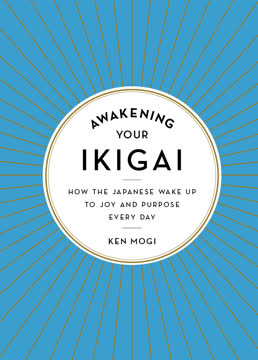
『Awakening Your Ikigai』は、日本の「生きがい」という概念を、五つの柱――小さく始めること、自分を解放すること、調和と持続可能性、ささやかな喜び、そして今を生きること――を通じて探求している。本書は日本文化への洞察を提供する点で読者から評価されている一方で、文章の構成やスタイルに物足りなさを感じる声もある。内容が繰り返しに感じられ、実践的な助言に欠けるとの指摘もあるが、文化的な事例を楽しみ、考えさせられるという意見も少なくない。総じて評価は賛否両論であり、啓発的だと感じる読者もいれば、深みや明快さに欠けるとして失望する読者もいる。
他の人が読んだ本



よくある質問
What's "Awakening Your Ikigai" about?
- Exploration of Ikigai: The book delves into the Japanese concept of ikigai, which translates to "a reason for being" or "a reason to get up in the morning."
- Five Pillars of Ikigai: It introduces the Five Pillars of ikigai: starting small, releasing yourself, harmony and sustainability, the joy of small things, and being in the here and now.
- Cultural Insights: Through various stories and examples, the book provides insights into how ikigai is naturally integrated into Japanese culture and daily life.
- Practical Guidance: It offers practical advice on how readers can find and cultivate their own ikigai to lead a more fulfilling and joyful life.
Why should I read "Awakening Your Ikigai"?
- Cultural Understanding: Gain a deeper understanding of Japanese culture and its approach to finding meaning and joy in life.
- Personal Growth: The book provides tools and insights for personal development and finding one's purpose.
- Practical Application: It offers actionable steps to incorporate the principles of ikigai into everyday life, enhancing well-being and satisfaction.
- Inspirational Stories: Through real-life examples, the book inspires readers to appreciate the small joys and find balance in their lives.
What are the key takeaways of "Awakening Your Ikigai"?
- Five Pillars Framework: The Five Pillars of ikigai provide a framework for living a meaningful life: starting small, releasing yourself, harmony and sustainability, the joy of small things, and being in the here and now.
- Ikigai's Universality: Ikigai is a universal concept that can be applied by anyone, regardless of cultural background, to find purpose and happiness.
- Balance and Simplicity: Emphasizes the importance of balance, simplicity, and mindfulness in achieving a fulfilling life.
- Resilience and Adaptability: Highlights the role of ikigai in building resilience and adaptability in the face of life's challenges.
What is Ikigai according to Ken Mogi?
- Definition: Ikigai is a Japanese term that means "a reason for being" or "a reason to get up in the morning."
- Components: It involves finding joy and meaning in life through small everyday things as well as larger goals and achievements.
- Democratic Concept: Ikigai is accessible to everyone, regardless of professional success, and celebrates the diversity of life.
- Cultural Context: In Japan, ikigai is a common concept that people use casually in daily life, often without realizing its deeper significance.
How can I find my own Ikigai?
- Start Small: Begin by identifying and appreciating the small things that bring you joy and satisfaction.
- Release Yourself: Let go of societal expectations and focus on what truly matters to you personally.
- Seek Harmony: Strive for balance and sustainability in your actions and relationships with others.
- Be Present: Practice mindfulness and enjoy the present moment, finding joy in the here and now.
What are the Five Pillars of Ikigai?
- Starting Small: Focus on small, manageable steps to achieve larger goals and find joy in the process.
- Releasing Yourself: Let go of ego and societal pressures to discover your true passions and desires.
- Harmony and Sustainability: Live in harmony with others and the environment, ensuring long-term well-being.
- The Joy of Small Things: Appreciate and find happiness in the simple pleasures of everyday life.
- Being in the Here and Now: Practice mindfulness and fully engage with the present moment.
How does Ken Mogi illustrate Ikigai through Japanese culture?
- Cultural Practices: Mogi uses examples like the tea ceremony, sumo wrestling, and traditional crafts to illustrate ikigai in Japanese culture.
- Real-Life Stories: The book shares stories of individuals like sushi chef Jiro Ono, who embody ikigai through their dedication and passion.
- Historical Context: It explores historical and cultural influences, such as Buddhism and Shinto, that shape the Japanese understanding of ikigai.
- Daily Life: Mogi highlights how ikigai is naturally integrated into the daily lives of Japanese people through small rituals and practices.
What role does resilience play in Ikigai?
- Building Resilience: Ikigai helps individuals build resilience by providing a sense of purpose and motivation to overcome challenges.
- Cultural Resilience: The book discusses how the Japanese have historically demonstrated resilience in the face of natural disasters and adversity.
- Adaptability: Ikigai encourages adaptability and finding joy in changing circumstances, contributing to mental and emotional strength.
- Personal Growth: Through resilience, individuals can grow and find deeper meaning in their experiences, enhancing their ikigai.
How does "Awakening Your Ikigai" relate to happiness?
- Happiness and Ikigai: The book suggests that finding and nurturing your ikigai leads to a more fulfilling and happy life.
- Beyond Material Success: It emphasizes that happiness is not solely dependent on material success or societal achievements.
- Inner Contentment: Ikigai fosters inner contentment by encouraging individuals to focus on what truly brings them joy and satisfaction.
- Mindful Living: By practicing mindfulness and appreciating the present moment, ikigai contributes to overall happiness and well-being.
What are some practical steps to incorporate Ikigai into daily life?
- Identify Joys: Reflect on the small things that bring you joy and incorporate them into your daily routine.
- Set Intentions: Start each day with a clear intention or purpose, focusing on what you want to achieve or experience.
- Practice Mindfulness: Engage in mindfulness practices, such as meditation or deep breathing, to stay present and centered.
- Cultivate Relationships: Build harmonious relationships with others, fostering a supportive and sustainable community.
What are the best quotes from "Awakening Your Ikigai" and what do they mean?
- "Ikigai resides in the realm of small things." This quote emphasizes the importance of finding joy and meaning in everyday moments and simple pleasures.
- "You can have ikigai, a value to live by, without necessarily having to prove yourself." It highlights that ikigai is accessible to everyone, regardless of external achievements or recognition.
- "The joy of little things seems particularly pertinent in this context." This quote underscores the significance of appreciating small joys as a foundation for a fulfilling life.
- "Ikigai gives your life a purpose while giving you the grit to carry on." It illustrates how ikigai provides motivation and resilience in the face of life's challenges.
How does Ken Mogi's background influence "Awakening Your Ikigai"?
- Neuroscientific Perspective: As a neuroscientist, Mogi brings a scientific understanding of the brain and behavior to the concept of ikigai.
- Cultural Insight: Being Japanese, Mogi offers authentic insights into how ikigai is naturally integrated into Japanese culture and daily life.
- Broad Experience: With a background in writing and broadcasting, Mogi effectively communicates complex ideas in an accessible and engaging manner.
- Personal Passion: Mogi's passion for sharing the concept of ikigai is evident throughout the book, inspiring readers to explore and embrace it in their own lives.