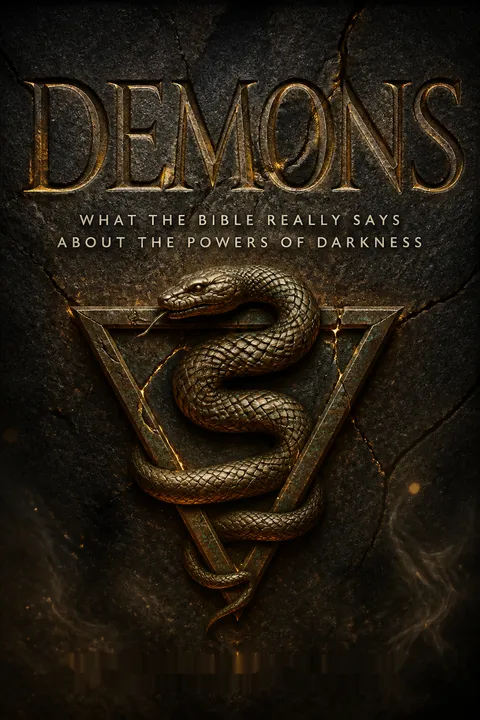

重要ポイント
1. 聖書の悪霊学を理解するには英語訳を超えた視点が必要である
聖書時代以降に生まれた伝統を古代の文脈に置き換え、古代語の用語を英語訳の語彙に混同することは、神とその子らに敵対する超自然的な力の不完全で時に誤解を招く像を生み出す。
翻訳の限界。 英語の聖書訳は、超自然的な悪を表す語彙が限られており、主に「デーモン(悪霊)」という単語を用いるため、原語であるヘブライ語やギリシア語に見られる多様性や微妙なニュアンスが隠されてしまう。これにより、読者は悪霊を一枚岩の存在と誤解しやすいが、原典にはそのような単純化は存在しない。
ヘブライ語の多様性。 旧約聖書には、現代的な意味での「悪霊」を指す単一の一般的な語は存在しない。代わりに、以下のような多様な用語が用いられている。
- 死者の領域に関わるもの(レファイム、死の擬人化)
- 地理的支配を示すもの(シェディム、諸侯)
- 偶像崇拝や聖なる地を汚す超自然的存在(アザゼル、遠吠えする生き物、リリス)
七十人訳聖書の役割。 ヘブライ聖書の古代ギリシア語訳である七十人訳(LXX)は、様々なヘブライ語の超自然的存在を訳す際に、単一のギリシア語 daimonion を用いることが多かった。daimonion は本来「神的存在」(善悪両面)を意味するが、LXXや新約聖書の著者たちによる採用により、旧約聖書に見られる異なる悪霊のカテゴリーが混同される結果となった。
2. 悪霊は根本的に死、冥界、そして聖なる地を離れた場所と結びついている
旧約聖書の闇の力に関する神学は、邪悪な霊的存在を死、死者の領域、そして全地の善き神が人類のために創造した世界の調和・秩序・幸福に対する絶え間ない攻撃と結びつけている。
闇と死。 聖書において闇は、否定的で恐怖を伴う人間の経験の比喩であり、生命と光の源である神と対比される。超自然的な反乱は死や災厄、病をもたらし、聖なる空間の代わりに闇が世界を覆った。
死者の領域。 冥界(シェオル、穴)やその住人(レファイム、擬人化された死)に関連する用語は、神の臨在から追放された超自然的存在と結びつく。この領域は、肉体を離れた死者の行き先として恐ろしく邪悪なものとみなされ、神との生命から切り離された霊たちが住む場所とされた。
聖なる地を離れた場所。 特に荒野のように神の臨在から遠ざかった場所は不浄とされ、悪霊と結びつけられた。この宇宙的地理は、以下のようなものと関連付けられる。
- アザゼルの山羊の儀式の行き先
- 超自然的生物(遠吠えする生き物、野獣、リリス)の棲み処
- 神の裁きにより荒廃した場所(バビロンなど)
3. 旧約聖書は三つの異なる神的反乱を描いている
多くの一般的なキリスト教伝統とは異なり、神的反乱は一度だけではなく三度あり、そのうち最初の二つがサタン、堕落した人間性、悪霊の起源に関する古代の信仰を形作った。
単一の堕落を超えて。 一般的なキリスト教伝統は、創造以前にサタンが率いた一度の反乱に注目しがちだが、旧約聖書を詳細に読むと、神の意志と秩序に反抗した超自然的存在の反乱が三度あったことが明らかになる。
三つの反乱:
- 第一の反乱: エデンの園での蛇の個人的反乱(創世記3章)、人類の堕落と死の導入をもたらした。
- 第二の反乱: 洪水前の「神の子ら」の集団的反乱(創世記6:1-4)、堕落の拡大と悪霊の起源をもたらした。
- 第三の反乱: バベルで諸国に割り当てられた「神の子ら」の堕落(申命記32:8-9、詩篇82篇)、諸国の混乱とイスラエルへの敵対を引き起こした。
異なる存在。 これらの反乱は同一の存在によるものではない。後のユダヤ思想や新約聖書はこれらの反逆者をサタンの権威下に結びつけるが、旧約聖書はそれぞれ異なる集団として描き、その行動が人類と宇宙秩序に異なる影響を及ぼしたと示している。
4. 最初の神的反逆者はエデンの蛇であり、神の臨在から追放された
新約聖書がエデンでイヴを誘惑した超自然的存在(サタン)と同意するならば、蛇は単なる動物以上の存在であることは明白である。
超自然的な誘惑者。 創世記3章の蛇は単なる動物ではなく、新約聖書では悪魔/サタンと同一視される超自然的存在である。古代の読者は、蛇が話す能力とエデンが神の神殿・神の評議会の場であることからこれを理解した。
正体と罪。 後の聖書箇所(イザヤ14:12-15、エゼキエル28:11-19)は、神の評議会の高位メンバー(ケルブ、輝く者)であった反逆者の古代物語を引用し、その罪は傲慢と「至高者のようになろう」とする自立の欲望であった。
追放と結果。 この反乱により反逆者は神の評議会から追放され、地上・冥界に落とされた。彼の欺きは人類の堕落、不死の喪失、死の導入をもたらし、反逆者は死者の領域と結びつけられた。
5. 第二の神的反乱は「神の子ら」に関わり、悪霊の起源となった
悪霊の起源は特に「見張り人」の事件(創世記6:1-4)に結びついている。
洪水前の越境。 創世記6:1-4は「神の子ら」が「人の娘たち」と交わり、ネフィリム(巨人)を生んだと記す。この出来事は単なる人間の結婚と解釈されることもあるが、元のメソポタミア文脈では神的存在の越境と理解される。
メソポタミアの背景。 この物語は、禁断の知識を人類に教え、混血の子を生んだ神的存在アプカルの伝承に基づく。アッカド語で「見張り人」と呼ばれ、第二神殿期ユダヤ文学の「見張り人」伝承と対応する。
巨人と悪霊。 ネフィリムは巨人で「名高い人々」とされた。第二神殿期ユダヤ思想(エノク書、ユビリース書など)では、これら巨人の死後の霊が悪霊となり、人類を苦しめるとされた。これが後の文献における悪霊と病気・憑依の関連を説明する。
6. 第三の神的反乱はバベルで諸国に割り当てられた神々に関わる
申命記32:8-9は、バベルでの人類への裁きが彼らを分散させただけでなく、ヤハウェの天の評議会の「神の子ら」に諸国を割り当てたことを示している。
バベルの裁き。 バベルの塔の事件(創世記11章)は、地を満たす命令に背いた人類への神の裁きであり、言語の混乱と人々の散在をもたらした。
諸国の割り当て。 申命記32:8-9は、至高者なる神が散らされた諸国を自らの部分としてイスラエルを残しつつ、天の評議会の「神の子ら」に割り当てたことを明かす。これら諸国の神々はしばしば太陽・月・星などの天体と結びつけられ、諸国民に崇拝された。
堕落と混乱。 これらの神々は当初神に任命されたが、詩篇82篇に見るように不正な裁きを行い、民に混乱をもたらし、ヤハウェに敵対しイスラエルを偶像崇拝に導こうとした。こうしてイスラエル以外の諸国は敵対的な超自然的権力の支配下に置かれた。
7. 第二神殿期ユダヤ教はサタンを最高支配者とする階層的悪霊学を発展させた
第二神殿期の悪霊学は、三つの反乱を概念的に統合し、堕落した「神の子ら」(罪のために囚われている)、巨人の悪霊(そのうちの十分の一が人類を苦しめることを許されている)、そしてバベルの裁きで諸国に割り当てられた下位の神々をサタンが統率する構図を描いた。
反逆者の結合。 第二神殿期のユダヤ人著述家は、旧約聖書の三つの神的反乱の異なる反逆者たちを、しばしば単一の指導者サタンの下に統合して描いた。この階層構造は旧約聖書には明示されていないが、反逆者たちが神に敵対し死と冥界に結びつく共通点から論理的に導かれた。
指導者の名称。 悪の勢力の指導者は様々な名と称号で呼ばれた。
- サタン(ヘブライ語で「敵対者」)
- マステマ(「敵意」)
- ベリアル/ベリアル(「悪」)
- アザゼル(贖罪日の儀式に関連)
統一された敵対。 サタン率いるこの闇の勢力は、
- 人類の堕落の拡大(禁断の知識を通じて)
- 人類への苦難(悪霊による病気)
- イスラエルへの敵対と諸国の支配
を担う存在とされた。
8. 新約聖書は初期ユダヤ教の悪霊観を踏まえている
新約聖書におけるサタンの像は、第二神殿期ユダヤ教と多くの共通点を持ち、サタンまたは悪魔が他の悪霊の長であると描かれている。
共通の語彙と概念。 新約聖書は「サタン」「悪魔(diabolos)」「ベルゼブル」「悪者」などの語をしばしば同義的に用い、第二神殿期ユダヤ文学や七十人訳聖書の用語と概念を反映している。
サタンの支配。 サタンは王国と支配権を持つ者として描かれる。
- 「悪霊の君」(マタイ12:24)
- 「この世の支配者」(ヨハネ12:31)
- 「この世の神」(コリント第二4:4)
- 「空中の権力の君」(エペソ2:2)
第二神殿期思想との連続性。 サタンが悪霊の長であり、諸国を支配する者として描かれる点は、第二神殿期ユダヤ教の階層的悪霊学と密接に一致し、原初の反逆者と諸国の神々を結びつけている。
9. イエスの公生涯は闇の王国に直接対決し、その崩壊を始めた
この王国の開始は「この世の支配者」と死の呪いの下にある現存の王国の終わりの始まりを意味した。
王国間の対立。 イエスの公生涯は神の王国の開始として描かれ、サタンの王国と直接対立し敵対するものであった。この対立は公生涯の初めから明白である。
荒野での誘惑。 マタイ4章の荒野での悪魔による誘惑は重要な例である。サタンはイエスに「この世のすべての国々の権威」を与えると申し出たが、これはバベルで諸国に割り当てられた下位の神々の支配権を前提としている。イエスの勝利はこれら諸国に対する正当な支配権の主張を示す。
悪霊追放のしるし。 イエスの悪霊に対する力、特に悪霊を追い出す行為は、神の王国の到来とサタンの王国の敗北を示すしるしとして提示されている(ルカ11:18-20)。これらの行為はイエスの闇の勢力に対する権威を示す。
10. キリストの死、復活、昇天は諸国の支配者たちの正当性を失わせた
彼は支配者たちと権威者たちを無力化し、彼らに公然の恥を与え、勝利を収めた。
キリストの業による勝利。 新約聖書は、闇の勢力、特に諸国の神々(「支配者」「権威者」「首長」)の敗北をイエス・キリストの完成された業に結びつけている。
正当性の剥奪。 これら超自然的支配者たちはまだ破壊されてはいないが、キリストの復活と昇天によってその管轄権は無効化され「武装解除」された(コロサイ2:8-15、エペソ1:20-21、ペテロ第一3:22)。つまり、彼らの諸国に対する支配は神の目にはもはや正当ではない。
諸国の回復。 この勝利は大宣教命令と世界伝道の基盤である。福音の使命は、かつて神から離れ敵対的権力の支配下にあった諸国をキリストを通じて神の家族に回復することである。
11. 悪霊は死んだ巨人の霊として描かれている
肉体から離れた霊は悪霊であり、人間から生まれ、聖なる見張り人からその起源を持つ。
見張り人の子孫からの起源。 新約聖書は第二神殿期ユダヤ教の伝統(特にエノク書)と一致して、悪霊を「神の子ら」(堕落した見張り人)と人間の女性の交わりから生まれた巨人ネフィリムの死後の霊として描く。
「汚れた霊」。 福音書で用いられる「汚れた霊」という語は、この起源を反映し、巨人の神性と人間性の混合という不自然な存在と、死体から出現するため儀式的に不浄とされたことを示す。
悪霊と苦難。 この起源物語は、悪霊と病気・憑依の関連を理解する枠組みを提供する。悪霊は破壊的な巨人の霊として人類を苦しめ続けるが、その力は神の許可とキリストの権威に服している。
12. サタンと悪霊に関する多くの一般的信念は聖書的根拠を欠く
聖書全体を通じて、(a)原初の反逆者が創世記3章の出来事以前に罪を犯した、または(b)天使の三分の一が人類の堕落前またはその時に堕落したという記述は一切存在しない。
神話と聖書。 サタンや悪霊に関する多くの広く信じられている説は、聖書の解釈ではなく、伝統、推測、異教的影響に由来する。
よくある誤解:
- 創造前の反乱: サタンと天使の三分の一が人類創造前に堕落したという考えは聖書にない。黙示録12章はこの戦いをキリストの初臨の文脈で描く。
- 悪魔の姿: 悪魔に角や尾があるイメージは、パン神など異教の神々や後のユダヤ・キリスト教の民間伝承に由来し、聖書の記述ではない。
- カインの父親: カインが文字通りサタンの子であるという説は、創世記4章やヨハネ第一3章の「悪者の子」という霊的指向を示す表現の誤解に基づく。
- キリスト教徒の憑依: 新約聖書は信者の「所有」を意味する「憑依」という言葉を用いないが、罪や偽りの教え、苦難を通じてサタンや悪霊に影響される可能性は警告している。
以上、詳細な要点を記したことをここに確認する。
他の人が読んだ本

よくある質問
1. What’s Demons: What the Bible Really Says About the Powers of Darkness by Michael S. Heiser about?
- Comprehensive biblical study: The book investigates what the Bible and Second Temple Jewish literature actually say about demons, Satan, and the powers of darkness, focusing on original Hebrew and Greek texts.
- Ancient context focus: Heiser situates biblical demonology within its ancient Near Eastern and Second Temple Jewish contexts, challenging later church traditions and popular misconceptions.
- Four-part structure: The book covers biblical vocabulary, the three divine rebellions, New Testament perspectives, and modern misunderstandings about supernatural evil.
2. Why should I read Demons by Michael S. Heiser?
- Corrects common misconceptions: Heiser addresses and debunks widespread but unbiblical ideas about demons, Satan, and spiritual warfare, restoring the Bible’s original worldview.
- Bridges ancient and modern theology: The book connects Old Testament, Second Temple Jewish, and New Testament teachings, enriching readers’ understanding of spiritual conflict.
- Equips for discernment: Readers gain tools for spiritual discernment and a more grounded, less sensationalized approach to spiritual warfare and evil spirits.
3. What are the key takeaways from Demons by Michael S. Heiser?
- Three divine rebellions: The book highlights the Edenic serpent, the Watchers’ rebellion in Genesis 6, and the divine allotment at Babel as foundational to biblical demonology.
- Demons’ true origins: Demons are primarily the disembodied spirits of the Nephilim, not simply fallen angels, a view rooted in Second Temple Jewish literature.
- Cosmic geography: The Bible presents a worldview where nations are under the dominion of corrupt spiritual powers, with Israel as God’s special inheritance.
- Jesus’ victory: The New Testament portrays Jesus’ ministry, death, and resurrection as the decisive defeat of the powers of darkness and reclaiming of the nations.
4. What are the best quotes from Demons by Michael S. Heiser and what do they mean?
- “If it’s weird, it’s important.” Heiser’s motto encourages readers to pay attention to strange or overlooked biblical passages, as they often hold key theological insights.
- “The Bible was written for us, but not to us.” This quote emphasizes the need to read Scripture in its original context to understand its true meaning.
- “Demons are not simply fallen angels.” Heiser challenges a common assumption, urging readers to distinguish between different types of supernatural beings in biblical thought.
- “Spiritual warfare is discipleship.” The book reframes spiritual warfare as faithful living and obedience to Christ, rather than dramatic power encounters with demons.
5. How does Michael S. Heiser define and categorize demons and evil spiritual beings in Demons?
- No single Hebrew term: The Hebrew Bible lacks a direct equivalent for “demon,” instead using terms like ʾelōhîm (divine beings), rûḥôt (spirits), rĕpāʾîm (shades), šēdîm (territorial spirits), and śāʿı̂r (goat demons).
- Contextual categories: These terms are grouped by their association with death, territorial dominion, or idolatry, reflecting a complex spiritual worldview.
- Demons as Nephilim spirits: In Second Temple Judaism, demons are primarily the disembodied spirits of the Nephilim, distinct from fallen angels or Watchers.
6. What are the “three divine rebellions” in the Bible according to Demons by Michael S. Heiser?
- First rebellion – Edenic serpent: The original rebel, a divine council member, sought to be “like the Most High,” leading to humanity’s fall and estrangement from God.
- Second rebellion – Watchers in Genesis 6: Divine beings (sons of God) cohabited with human women, producing Nephilim and corrupting humanity, resulting in their judgment.
- Third rebellion – Babel and territorial spirits: At Babel, God allotted the nations to lesser divine beings who became corrupt rulers, sowing chaos and opposing Yahweh.
7. How does Demons by Michael S. Heiser explain the origin and nature of demons?
- Disembodied Nephilim spirits: Demons originate from the spirits of the Nephilim, the offspring of the Watchers and human women, as developed in Second Temple Jewish literature.
- Unclean and impure: Their mixed heavenly and earthly origin makes them “unclean spirits,” analogous to impurity laws in Leviticus.
- Role in affliction: Demons are linked to disease, violence, and spiritual oppression, operating under divine permission but destined for judgment.
8. What is the significance of the Deuteronomy 32 worldview in Demons by Michael S. Heiser?
- Divine allotment of nations: Deuteronomy 32:8–9 describes God assigning the nations to lesser divine beings (“sons of God”), who later become corrupt.
- Cosmic geography: This worldview frames spiritual conflict as a territorial struggle between God’s people and rebellious spiritual powers ruling the nations.
- New Testament continuity: Paul and other writers reflect this worldview, teaching that Christ’s resurrection nullifies the authority of these territorial spirits.
9. How does Michael S. Heiser describe Satan’s identity, development, and role in Demons?
- Adversary, not a name: In the Old Testament, śāṭān means “adversary” or “accuser,” not a personal name, and refers to a divine prosecutor rather than a cosmic rebel.
- Second Temple development: Later Jewish texts develop Satan as a leader of evil spirits, associating him with figures like Azazel and Mastema.
- New Testament identification: The New Testament equates the serpent of Eden with Satan, portraying him as the deceiver, ruler of demons, and ultimate enemy of God.
10. How does the Septuagint (LXX) translation influence the understanding of demons and spiritual powers in Demons by Michael S. Heiser?
- Greek vocabulary shifts: The LXX translates various Hebrew terms for divine beings and spirits into a smaller set of Greek words, such as theos (gods), angelos (angels), and daimonion (demons).
- Preservation and conflation: While sometimes preserving the plurality of divine beings, the LXX also conflates categories, influencing later Jewish and Christian demonology.
- Impact on New Testament: The LXX’s translation choices shape the New Testament’s vocabulary and concepts regarding demons and spiritual powers.
11. What does Demons by Michael S. Heiser say about Jesus, exorcism, and spiritual warfare?
- Jesus’ authority over demons: Jesus’ exorcisms demonstrate his unique authority over evil spirits, inaugurating the kingdom of God and signaling the defeat of Satan’s realm.
- Exorcism as kingdom sign: Casting out demons is closely linked to healing and the proclamation of God’s reign, distinguishing Jesus from contemporary exorcists.
- Spiritual warfare as discipleship: Heiser emphasizes that true spiritual warfare is about faithful discipleship, standing firm in truth and righteousness, rather than dramatic confrontations with demons.
12. What common myths and misconceptions about demons and Satan does Michael S. Heiser address in Demons?
- Demons as fallen angels: Heiser clarifies that demons are not simply fallen angels but are the spirits of the Nephilim, correcting a widespread misunderstanding.
- Satan and “one-third of angels”: The idea that Satan led a third of the angels in rebellion before humanity is a later tradition, not found in Scripture.
- Christian demon possession: Heiser cautions against the idea that Christians can be “possessed” by demons, explaining that while believers can be influenced or oppressed, true possession is not biblically supported.

PDFをダウンロード
EPUBをダウンロード
.epub digital book format is ideal for reading ebooks on phones, tablets, and e-readers.








































