重要ポイント
1. 問題ではなく人格が激しい対立を生む
対立の程度やコストは問題の内容や金額の多寡によるものではなく、人格が対立を駆動する。
表面的な問題を超えて。 紛争はしばしば金銭や財産、法的権利の問題に見えるが、その根底にあるのは関係者の人格であることが多い。似たような離婚状況の二つの家族が、片方は円満に解決し、もう片方は長年にわたる高額な訴訟に巻き込まれることがある。その違いは問題そのものではなく、関わる個人の人格にある。
- スミス家は調停を通じて迅速かつ低コストで離婚を解決した。
- グリーン家は同様の資産を持ちながら、一方の高対立的な人格のために何年も裁判を続け、多額の弁護士費用を費やした。
内的苦悩。 高対立的な人々(HCP)は外的な出来事ではなく、内的な苦悩に駆られている。彼らの反応は状況に対して過剰であり、自分の問題を他者のせいにしがちである。この責任転嫁のパターンはHCPの核心的特徴であり、繰り返される対立と紛争解決の困難さを生む。
自己破壊的行動。 HCPはしばしば自己破壊的な行動をとり、法的費用で資産を失ったり、最終的に自分を傷つける対立をエスカレートさせる。これは合理的な判断ではなく、内的な感情的危機に基づく行動である。対立の根本原因が問題ではなく人格であることを理解することが、効果的な対処の第一歩である。
2. 責任転嫁は高対立的な人々の核心パターン
人格障害の患者は、他者や課題に直面する困難を自分の行動や関与とは無関係な外部の問題とみなす傾向がある。
責任転嫁のゲーム。 HCPは生涯にわたり、自分の問題を他者のせいにする持続的なパターンを持つ。自分の行動の責任を否定し、外部の力の被害者として自己を位置づける。この責任転嫁のパターンは人格に深く根ざし、次々と紛争を引き起こす。
- 自己の行動を振り返ることができず、自分の問題への関与を認めない。
- 常に誰か他の責任者を探し続ける。
認知の歪み。 この責任転嫁は認知の歪みによって助長される。認知の歪みとは、満足のいく成人関係を築き、現代社会で成功することを妨げる思考の欠陥である。具体的には以下のようなものがある。
- 白黒思考
- 感情的推論
- ポジティブを過小評価しネガティブを過大評価
- 過度の一般化
- 個人化
- 投影
感情的事実。 HCPは事実に基づいて感情を形成するのではなく、自分の感情に合う「感情的事実」を作り出すことが多い。これらは誇張された事実、文脈を無視した実際の事実、または最悪の恐怖に基づく存在しない事実である。彼らはこれらの感情的事実を用いて他者を責任転嫁に巻き込もうとする。
3. 境界性人格:愛憎のジェットコースター
境界性人格は精神保健専門家にとって最も扱いにくい患者の一つとして知られているが、多くは治療に真剣に取り組み、時間をかけて大きな進歩を遂げる。
見捨てられ不安。 境界性人格(BP)は強烈な見捨てられ不安を特徴とし、それが行動の原動力となる。彼らは関係にしがみつき、脅威を感じると相手を突き放す。このため愛憎のジェットコースターのような極端な感情の起伏と予測不能な行動が生じる。
- 人を理想化し、次に価値を貶める。
- 見捨てられを避けるために操作的かつ支配的になる。
衝動性と不安定さ。 BPは衝動的で自傷行為を行い、不安定な自己感覚を持つ。無謀な浪費や薬物乱用、自傷行為に及ぶこともある。感情はしばしば誇張され、状況に不釣り合いである。
- 親密な関係の維持や終結に困難を抱える。
- 幼少期の虐待やトラウマの歴史があることが多い。
BPの対応。 BPと関わるには安定的で一貫した対応が必要である。彼らの感情的なドラマに巻き込まれず、明確な境界を設定することが重要だ。困難な面もあるが、多くのBPは治療によって大きな改善が見込める。
4. ナルシシスト:優越感の大いなる幻想
ナルシシストは自分を治療者よりも優れていると考え、治療者を患者としてではなく自分の優越性を証明する味方と期待する。
誇大な自己像。 ナルシシスト(NP)は自己重要感が過剰で、称賛を求める。自分は特別で唯一無二だと信じ、優越的に扱われることを期待する。他者を軽蔑し、共感性に欠ける。
- 成功、権力、卓越の空想に没頭する。
- 特権意識が強く、特別扱いを求める。
搾取的で傲慢。 NPは他者を利用して自己の目的を達成しようとする。嫉妬深く、他者も自分を嫉妬していると信じる。傲慢で高慢な態度を示す。
- 親密な関係が苦手で、浅い関係が多い。
- 高リスクを好み、他者を軽蔑するため法的紛争に巻き込まれやすい。
NPの対応。 NPにはBPとは異なる対応が求められる。誇大感を強化しないようにし、明確な境界を設けることが重要だ。自分に問題があるとは認めないため、治療抵抗が強い。
5. 反社会的人格:社会の詐欺師
反社会的人格は他者を身体的に支配し傷つけることで他者を軽視する。
規則無視。 反社会的人格(ASP)は社会の規則を極端に無視し、共感性に欠ける。操作的で欺瞞的、自己利益のために他者を傷つけることを厭わない。しばしば「詐欺師」や「サイコパス」と呼ばれる。
- 犯罪歴があり、良心の呵責がない。
- 衝動的で無責任。
捕食的行動。 ASPの暴力は計画的で目的的、感情を欠くことが多い。家庭内暴力や児童虐待などを行うこともある。巧みに他者を操り、嘘や欺瞞の歴史がある。
- 魅力的で説得力があるが、それは操作の手段。
- 窃盗から殺人まで様々な犯罪で法的紛争に巻き込まれる。
ASPの対応。 ASPとの関わりは非常に困難である。治療抵抗が強く、自分の行動への洞察が乏しい。慎重に対応し、明確な境界を設けることが必要だ。
6. 演技性人格:ドラマの王・女王
演技性人格は感情の激しさとドラマ性で知られる。
注目欲求行動。 演技性人格(HP)は過剰な感情表現と注目を求める行動が特徴だ。注目の中心でない状況を不快に感じ、劇的で演劇的な行動で自分に注目を集めようとする。
- しばしば誘惑的で魅惑的。
- 感情は急激に変わり浅い。
表面的な関係。 HPは親密さに困難を抱え、浅い関係が多い。流行や他者の影響を受けやすい。注目を得るために出来事を誇張したり捏造したりすることもある。
- 感情が激しく注目を求めるため法的紛争に関与しやすい。
- 不安定な人間関係や職歴があることが多い。
HPの対応。 HPには冷静で一貫した対応が求められる。感情的なドラマに巻き込まれず、明確な境界を設定することが重要だ。注目や承認を求める傾向があるため、他のHCPより治療に対して開かれている場合もある。
7. 偏執性人格:世界は陰謀だらけ
偏執性人格は他者と近接すると多くの問題を抱える。
不信と疑念。 偏執性人格(PP)は他者に対する根深い不信と疑念を特徴とする。他者の動機を悪意あるものと解釈し、自分を陥れようとしていると信じる。常に警戒し、怒りや反撃が早いこともある。
- 他者に打ち明けることを嫌い、恨みを抱きやすい。
- 配偶者やパートナーの浮気を繰り返し疑うことがある。
誤解。 PPは無害な言動や出来事に隠れた侮辱や脅威を読み取り、存在しない陰謀を見出すことが多い。孤立しやすく、親密な関係を築くのが困難。
- 他者を疑うため法的紛争に巻き込まれやすい。
- 職場での対立や訴訟の歴史があることも多い。
PPの対応。 PPには冷静で脅威を与えない対応が必要だ。明確かつ直接的なコミュニケーションを心がけ、敵意や欺瞞と誤解される行動を避ける。精神保健専門家への不信感が強く、治療抵抗がある。
8. 否定的擁護者が火に油を注ぐ
高対立的な人格は、他者を説得して認知の歪みを共有させ、対人戦に協力させなければ大きくは進まない。
対立の助長者。 否定的擁護者とは、家族や友人、専門家などで、無意識のうちにHCPの認知の歪みや否定的行動を支持してしまう人々を指す。彼らは他者の誤った行動に注目し、HCPの責任回避を助ける。
- 善意であっても事態を悪化させることが多い。
- HCPの感情に巻き込まれ、過剰に攻撃的になることもある。
感情の増幅。 否定的擁護者はHCPの感情を増幅し、HCPの歪んだ現実認識に合う感情的事実を生み出す。彼らはより操作的、魅惑的、涙もろくなり、他者を味方につけようとする。
- 長期間にわたり疲弊した家族が多い。
- HCPの魅力や感情の激しさに騙されやすい専門家もいる。
悪循環の断絶。 高対立的な紛争を減らすには、否定的擁護者の役割を特定し対処することが不可欠だ。彼らがHCPを助長する仕組みを理解し、火に油を注がせない戦略を立てる。
9. 絆:HCP管理の基盤
一貫性が高いほど、HCPは安心感を持つ。
不安への対応。 HCPは深い不安感から常に安心と承認を求める。拒絶、批判、見捨てられに非常に敏感である。したがって、良好な絆を築くことが効果的な管理に不可欠だ。
- しばしば破綻や困難な人間関係の歴史がある。
- 他者を信頼することが難しい場合が多い。
積極的傾聴。 絆構築の第一歩は、彼らの懸念を遮らず判断せずに注意深く聴くことだ。共感と感情の認識を示しつつ、苦情の内容に同意しないようにする。
- 「それは本当に大変ですね」「そのお気持ちはよくわかります」などの表現を使う。
- 防御的になったり議論したりしない。
一貫性と予測可能性。 連絡や感情的支援のレベルを一定に保つ。ある日は過剰に反応し、別の日は距離を置くことは避ける。これによりHCPは安心し、行動のエスカレートを防げる。
- 自分の対応可能時間や連絡方法を明確にする。
- 明確な境界を設定し、それを守る。
適度な距離感。 注意深く支援する一方で、HCPに過度に近づかないことも重要だ。専門的な距離を保ち、感情的なドラマに巻き込まれないようにする。これにより操作されることや怒りの標的になることを防げる。
10. 構造化:混乱を抑え課題に集中させる
高対立的な人格は手放し、喪失を癒し、前進するための自己整理が苦手である。
外部からのコントロール。 HCPは感情の調整や行動の制御が困難である。生活管理や紛争解決のために外部からの構造が必要だ。この構造には明確な境界、期待、課題が含まれるべきである。
- 計画や問題解決が苦手なことが多い。
- 感情に圧倒されやすい。
境界設定。 自分の役割、対応可能範囲、扱う問題の種類について明確な境界を設ける。ルールを曲げたり例外を作ったりしないことが将来の問題防止につながる。
- 自分の責任範囲とそうでない範囲をはっきりさせる。
- 個人的な生活に深入りせず、彼らの責任を負わない。
課題への集中。 感情ではなく、達成すべき具体的な課題に焦点を当てる。これによりHCPは自己管理感を持ち、圧倒されにくくなる。
- 書類収集、調査、メモ作成などの課題を割り当てる。
- 大きな課題は小さく分割し、管理しやすくする。
感情の管理。 彼らの感情を認めつつ
レビューまとめ
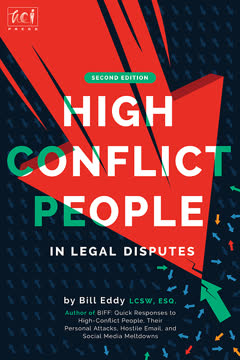
本書『法的紛争における高対立者』は、特に法律専門家にとって有益かつ実践的な内容として評価されている。人格障害に関する洞察や、法的場面で困難な人物を管理するための戦略が示されている。読者はエディのわかりやすい文体と現実的な応用例を高く評価しており、多くは法的文脈を超えても役立つ概念であると感じている。一方で、くだけた口調や専門的診断の不確かさを指摘する声もあるが、大多数は本書の関連性と高対立者への対応力を称賛している。総じて、困難な対人関係の理解と対処に役立つ貴重な資料とみなされている。
他の人が読んだ本



よくある質問
1. What is High Conflict People in Legal Disputes by Bill Eddy about?
- Focus on high-conflict personalities: The book examines how five specific personality disorders—Borderline, Narcissistic, Antisocial, Histrionic, and Paranoid—drive legal disputes more than the actual legal or financial issues.
- Legal and mental health integration: Bill Eddy, both an attorney and clinical social worker, combines real legal case examples with psychological insights to explain the impact of these personalities in court and mediation.
- Practical management strategies: The book provides actionable steps and skills for professionals to manage and resolve disputes involving high-conflict people, aiming to reduce emotional distress and legal costs.
2. Why should I read High Conflict People in Legal Disputes by Bill Eddy?
- Insight into personality-driven conflict: The book reveals that many legal disputes are rooted in enduring personality patterns, not just the issues at hand, helping readers avoid misinterpretation and escalation.
- Applicable to various professionals: It is valuable for attorneys, mediators, judges, therapists, and even non-professionals, offering accessible knowledge about personality disorders typically reserved for mental health fields.
- Improved dispute resolution: By recognizing high-conflict personalities and applying specific strategies, readers can manage difficult parties more effectively, leading to more efficient and less costly resolutions.
3. What are the key takeaways from High Conflict People in Legal Disputes by Bill Eddy?
- Personality over problems: High-conflict legal disputes are often driven by personality disorders rather than the legal or financial issues themselves.
- Four-step method: The book outlines a practical four-step approach—Bonding, Structure, Reality Testing, and Consequences—for managing high-conflict individuals.
- Role of negative advocates: Understanding how family, friends, and professionals can unintentionally escalate conflicts by supporting distorted thinking is crucial.
- Unified professional approach: Collaboration among legal and mental health professionals is essential for consistent and effective management of high-conflict parties.
4. What are the five high-conflict personality disorders discussed in High Conflict People in Legal Disputes by Bill Eddy?
- Borderline Personality Disorder (BPD): Marked by fear of abandonment, emotional instability, impulsivity, and intense, shifting relationships.
- Narcissistic Personality Disorder (NPD): Characterized by grandiosity, need for admiration, lack of empathy, and difficulty accepting criticism.
- Antisocial Personality Disorder (ASPD): Involves deceitfulness, impulsivity, aggression, lack of remorse, and a drive to dominate or harm others.
- Histrionic Personality Disorder (HPD): Features exaggerated emotions, attention-seeking, and dramatic or manipulative interactions.
- Paranoid Personality Disorder (PPD): Defined by pervasive distrust, suspicion, and belief in hidden motives or conspiracies.
5. How do high-conflict personalities drive legal disputes according to Bill Eddy?
- Enduring blame patterns: High-conflict people consistently blame others for their problems and deny personal responsibility, fueling ongoing disputes.
- Cognitive distortions: They interpret events through distorted thinking, creating “emotional facts” that escalate conflicts.
- Recruitment of negative advocates: High-conflict individuals seek allies who support their narrative, using emotional persuasion to influence courts and mediators.
- Manipulation of legal processes: Their behaviors can prolong and complicate legal proceedings, increasing costs and emotional distress for all involved.
6. What are cognitive distortions in high-conflict personalities, as explained in High Conflict People in Legal Disputes?
- Definition and impact: Cognitive distortions are faulty, negative thinking patterns that dominate high-conflict personalities’ perceptions, leading to misinterpretation of reality.
- Common types: These include all-or-nothing thinking, emotional reasoning, overgeneralization, personalization, minimization, exaggeration, projection, and sometimes unconscious lying.
- Challenge for resolution: Such distortions prevent self-reflection and behavior change, making disputes harder to resolve unless professionals recognize and address these errors.
- Management strategies: Advocates should maintain skepticism, seek corroborating evidence, and gently challenge distortions to encourage more realistic thinking.
7. What is the four-step method for managing high-conflict personalities in legal disputes, according to Bill Eddy?
- Bonding: Establish a consistent, arm’s-length relationship that validates the person but not their distorted complaints, using empathetic listening without getting emotionally hooked.
- Structure: Set clear boundaries, roles, and expectations; focus on tasks; and manage negative advocates to provide external regulation for high-conflict individuals.
- Reality Testing: Maintain healthy skepticism, recognize cognitive distortions, gather evidence, and educate parties about legal realities to challenge false narratives.
- Consequences: Implement logical, connected consequences such as court sanctions, mandated counseling, or detailed orders to motivate behavior change and ensure compliance.
8. What are "Negative Advocates" in High Conflict People in Legal Disputes by Bill Eddy, and how do they affect legal disputes?
- Definition and role: Negative advocates are family, friends, or professionals who, often unintentionally, support and amplify the distorted thinking and behaviors of high-conflict people.
- Escalation of conflict: By validating the high-conflict person’s perspective, negative advocates escalate disputes, prolong legal battles, and shield the individual from natural consequences.
- Management advice: The book recommends maintaining boundaries, corroborating information, and guiding negative advocates toward more constructive roles to facilitate resolution.
9. How does High Conflict People in Legal Disputes by Bill Eddy describe and advise handling Borderline Personality Disorder (BPD) in legal disputes?
- Fear of abandonment: BPD individuals are preoccupied with avoiding real or imagined abandonment, leading to controlling, clinging, and manipulative behaviors.
- Emotional instability: They experience rapid mood swings, idealize then devalue others, and may engage in impulsive or self-sabotaging actions, including legal battles.
- Professional strategies: Advocates should be modest, matter-of-fact, listen respectfully, provide moderate reassurance, set realistic boundaries, and avoid overreacting to intense emotions.
10. What are the key characteristics of Histrionic Personality Disorder (HPD) in legal disputes, as described by Bill Eddy?
- Attention-seeking and drama: HPD individuals display excessive emotionality and attention-seeking, often using theatricality and provocative behavior to remain the center of attention.
- Superficial relationships: Their relationships and emotions are shallow and rapidly shifting, sometimes involving fabrication or exaggeration to maintain focus.
- Legal implications: HPDs may use litigation as a stage for their drama, making unsupported allegations and misleading professionals; managing them requires skepticism, focus on facts, and strong boundaries.
11. How does High Conflict People in Legal Disputes by Bill Eddy define and differentiate Paranoid Personality Disorder (PPD) from other disorders, and what are the legal implications?
- Core features: PPD is marked by pervasive distrust and suspicion, interpreting others’ motives as malevolent without sufficient basis.
- Distinction from psychosis: Unlike schizophrenia, PPD individuals are generally in touch with reality but have a distorted interpretation of events, lacking hallucinations or disorganized speech.
- Legal challenges: Courts often do not consider PPD a mental illness affecting competency, and treatment is difficult due to mistrust; managing PPD requires calm, clear communication and respect for boundaries.
12. How should professionals present a case involving a high-conflict personality in court, based on Bill Eddy’s advice?
- Avoid diagnostic labels: Unless there is a formal diagnosis, do not label the opposing party with a personality disorder, as this can undermine credibility.
- Show behavior patterns: Present specific, enduring patterns of concerning behavior with clear headings and examples, focusing on facts rather than conclusions.
- Explain implications: Clarify why these patterns necessitate strong court orders or consequences, emphasizing the likelihood of ongoing behavior and the need for protection.
- Use expert witnesses cautiously: Experts can be helpful if a formal diagnosis exists, but detailed behavioral evidence is often more effective in court.