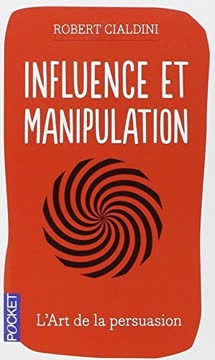
重要ポイント
1. 心の近道:私たちの自動的な働き方
物事はできるだけ簡単にすべきだが、それ以上に単純化してはならない。
自動的な反応。 本章は、私たちが特定の刺激に対してほとんど「機械的」に反応する生得的な傾向を明らかにする。母親の七面鳥がひな鳥の「チップチップ」という声に反応するように、この反応はしばしば効果的であり、複雑な世界を生き抜くための重要な心の近道である。エレン・ランガーの実験では、「なぜなら」という言葉だけで、論理的な理由がなくとも要求がほぼ自動的に受け入れられることが示され、こうしたトリガーの強力さを物語っている。
「高価=高品質」というヒューリスティック。 例えば、売れ残っていたターコイズの宝石が元の価格の倍で売れた事例がある。品質に自信が持てない顧客は価格を信頼できる指標として用い、「高価=高品質」というステレオタイプの強さを証明した。この対比の原理により、ある物が直前に提示された別の物と比べてより魅力的または高価に見え、私たちの認識に無意識のうちに影響を与える。
近道の必要性。 情報や選択肢が溢れる環境において、こうした自動的な「クリック」は努力なく行動するための不可欠なツールである。操作されやすい面もあるが、一般的には効果的で認知的負荷を軽減する。文明は考えずに実行できる行為を増やすことで進歩し、こうした自動性は日常生活でますます重要になっている。
2. 返報性の法則:社会的負債の力
私たちが人間であるのは、祖先が相互の義務のネットワークの中で技能や食料を共有することを学んだからだ。
返す義務。 この普遍的な原理は、受けた恩恵に対して返礼することを促す。贈り物や招待、サービスなど、受け取ることは負債、すなわち義務感を生む。デニス・リーガン教授の研究では、コカ・コーラを一杯もらっただけで宝くじの購入量が倍増し、この法則の強さが、依頼者への好意を超えることさえあると示された。
強制された負債と不公平な交換。 返報性の法則は、空港でハレ・クリシュナの花を無断で渡すような、求められていない利益を提供することで悪用されることがある。一度「贈り物」を受け取ると、被害者は不公平な交換(コカ・コーラ一杯に対して複数の宝くじ)であっても返礼しなければならないと感じる。負債感や社会的非難への恐れが、不釣り合いな譲歩を受け入れさせ、しばしば自分に不利益をもたらす。
相互譲歩。 強力な変形技法の一つに「拒否-撤回」(または「ドア・イン・ザ・フェイス」)がある。最初に過剰な要求を提示して拒否させ、その後に本来の控えめな要求を出すことで、依頼者が譲歩した印象を与え、こちらも譲歩するよう促す。宝くじの後にチョコレートを売る若いスカウトの例は、この手法の効果を示し、対比の原理と組み合わせて第二の提案をより魅力的にしている。
3. コミットメントと一貫性:一貫してありたい欲求
最初に抵抗する方が、後から抵抗するよりも容易である。
行動と信念の整合。 一度立場を取ったり態度を決めたりすると、その初期決定と矛盾しないように行動する内的・外的圧力を強く感じる。競馬の賭け手が賭けた後に自信を深めたり、婚約を破棄したサラがティムにより執着したりする例は、この自己説得の典型である。私たちの心は過去の選択を正当化しようとする。
公的かつ書面によるコミットメントの力。 コミットメントは、能動的で公的かつ一定の努力を伴うほど強力になる。中国の捕虜収容所では、書面による声明(コピーでも)を用いて捕虜を協力者に変えた。書く行為は物的証拠と社会的圧力を生み出す。アムウェイのような企業はこの「書面の魔法」を利用し、販売者や顧客のコミットメントを強化し、契約解除を減らしている。
餌の罠。 ロウボール戦術は、有利な条件で最初のコミットメントを得てからその条件を取り下げる手法である。顧客は既にコミットしているため、新たな理由を見つけて決定を正当化し続ける。自動車販売員が高値を受け入れさせるのに使い、初期の利点が消えても内的正当化が残り、一貫性の欲求に縛られてしまう。
4. 社会的証明:真実は他者にあり
みんなが同じことを考えているとき、誰も本当に考えてはいない。
他者の行動を指針とする。 不確実な状況では、他人がある行動をとっているのを見ると、それが適切だと判断しやすい。だからテレビの笑い声の録音や、バーテンダーがチップを先に置く行為が効果的である。この原理は便利な近道だが、偽造や誤誘導された社会的証明に対して脆弱であり、私たちはしばしば自動的に反応してしまう。
集団的無知と傍観者効果。 曖昧な緊急事態では、多数の目撃者がいることでかえって助けが減ることがある。誰もが他者の反応を見て状況を判断し、皆が無関心であるのを見て「問題ない」と結論づける。キャサリン・ジェノヴェーゼ事件では38人の目撃者が行動しなかった悲劇的な例であり、都市の匿名性と責任の希薄化がこれを悪化させている。
類似性とヴェルテル効果。 私たちは自分に似た人の行動により強く影響される。広告は「普通の人」を使い製品を売る。メディアで報じられた自殺が模倣自殺や事故を増やすヴェルテル効果は、社会的証明の力を示し、特に被害者が影響を受ける個人に似ている場合に顕著である。
5. 好意:友情と親近感の魅力
弁護士の仕事は、基本的にクライアントを陪審員に好かれるようにすることである。
好意を持つ人の影響力。 私たちは知っていて好意を持つ人の要求に応じやすい。タッパーウェアの集まりはこの力を利用し、友人が販売することで友情の温かさを商取引に転嫁する。シャクリーのような企業は推薦の「連鎖」を使い、販売者が共通の友人の名前を持ち込むことで断りにくくし、親しい人を失望させたくないという欲求を利用する。
好意の要因。 他者への好意を高める要素は複数ある:
- 外見の魅力: 魅力的な人は才能や誠実さ、知性が高いと見なされ(ハロー効果)、司法を含む様々な場面で優遇される。
- 類似性: 意見や服装、出身など似ている人を好む。販売者は共通点を装うことでこれを利用する。
- 褒め言葉: 明らかなお世辞でも、贈る側への好意を増す。ジョー・ジラードが顧客に「あなたは友人です」と書いたカードを送る習慣が示す。
- 協力: パズル学習や警察の「悪役/善役」戦術のように、共通の目標に向かって協力することで友情が育まれ、偏見が減る。
連想の原理。 私たちは物事の良し悪しを周囲の環境に結びつける傾向がある。広告主は製品を有名人や魅力的なイメージ(美しいモデル、スポーツイベント)に結びつける。政治家は成功に連なることで栄光を自分に取り込み、失敗は避ける。たとえ責任がなくとも、他者の成功を自分のものにしようとする。
6. 権威:専門家への盲目的服従
この実験の主な成果は、成人個人が権威者に対して示すほとんど無制限の従順さである。
正当な権威への服従。 私たちは幼少期から権威者に従うよう条件付けられており、それは社会秩序の維持に役立つ。ミルグラムの実験は、普通の人々が良心に反しても権威の命令で苦痛を与える準備があることを示した。被験者の3分の2が致死的な電気ショックを模擬的に与え、「ほとんど無制限の従順さ」を証明した。
権威の象徴。 権威の影響は強力で、その象徴だけでも自動的な服従を引き起こすことが多い。
- 肩書き: 「博士」「教授」といった肩書きは、たとえ専門外でも人物の大きさや信頼性を高める。
- 服装: 警察官や医師の制服、あるいは高級スーツは権威のオーラを与え、ビックマンの実験で示されたように服装が従順を促す。
- アクセサリー: 高級車や宝飾品も高い地位の象徴となり、道路上や社会的交流での態度に影響を与える。
自動的服従の危険。 この機械的な服従は有用な場合も多いが、誤りを招くこともある。例えば、誤った処方箋で耳薬を肛門に投与した看護師の事例がある。説得の専門家は、権威者を演じる俳優(例:サンカのロバート・ヤング)を使ったり、無私の専門家を装ったりして、この傾向を利用する。
7. 希少性:限られたものへの欲求
愛するためには、愛する対象を失うかもしれないことを理解しなければならない。
排他性の価値。 希少で限定された機会はより魅力的に映る。機会を失う恐怖は、同等の利益を得る期待よりも強力な意思決定の動機となる。モルモン教の寺院が一時的にアクセス可能になったことで急に魅力が増した例がこれを示す。収集家は欠陥があっても希少な品をその独自性と入手困難さゆえに高く評価する。
心理的リアクタンス。 自由な選択が制限・脅かされると、手に入らないものをより強く欲する。この「リアクタンス」は2歳児の反抗期や、親の反対が愛を強める「ロミオとジュリエット効果」など、思春期にも現れる。リン酸塩入り洗剤や書籍の禁止は、品質が変わらなくとも対象への欲求と好意的評価を高める。
希少性の最適条件。 希少性は、突然の(最近の自由の喪失)場合や社会的需要(競争)によってより強まる。ジェームズ・C・デイヴィスによれば、革命は改善期の後に自由の後退が起きたときに起こる。販売者は競争(例:複数の購入希望者がいる車)を利用し、論理を超えた感情的な競争心で購買熱を生み出す。
8. 影響から身を守る:認識と反撃
軽率な一貫性は小さな心の悪魔である。
メカニズムの自覚。 最初の防御線は、私たちがこれらの自動的な「近道」に影響されやすいことを認識することである。返報性、一貫性、社会的証明、好意、権威、希少性の原理がどのように私たちに働きかけているかを理解すれば、自動操縦を解除できる。すべての影響を拒否するのではなく、誠実な提案と操作的なものを区別し、自分の偏見を自覚することが重要だ。
警告サインの識別。 各原理には特有の警告信号がある。一貫性なら「無理強いされる胃のむかつき」、社会的証明なら「明らかな偽造」(録音笑い声や偽の行列)、好意なら「過度に早いまたは予期せぬ好意」、権威なら「本当に有能か誠実かの疑問」、希少性なら「感情的な動揺」と「所有欲か実用性かの自己問答」である。
戦略的反撃。 偽造や歪曲された信号を使う搾取者に対しては、積極的な態度が推奨される。製品のボイコット、抗議文の送付、操作の公表などが含まれる。目的は、複雑な現代社会を生き抜くために不可欠な心の近道の健全性を守り、これらのルールを汚す者に代償を払わせ、原理の効果を最大限に保つことである。
レビューまとめ
『影響力の武器』は、一般的に高い評価を受けており、平均評価は5点満点中4.04点である。読者は本書を情報豊富で目から鱗が落ちる内容と捉え、説得技術を理解するうえで不可欠な一冊と評価している。多くの具体例や研究が紹介されている点が好評である一方、繰り返しが多い、あるいはやや冗長と感じる読者もいる。本書はマーケティング、社会心理学、人間行動に関する洞察に優れていると称賛されている。専門家だけでなく一般読者にも推奨されており、日常生活における操作的な手法を見抜き、対抗する助けになる可能性が指摘されている。
他の人が読んだ本





よくある質問
1. What is [Influence et manipulation] by Robert Cialdini about?
- Explores persuasion psychology: The book investigates the psychological principles that lead people to say "yes" to requests, focusing on how these principles are used in everyday life and by professionals.
- Six core influence principles: Cialdini identifies six fundamental "weapons of influence": consistency, reciprocity, social proof, authority, liking, and scarcity.
- Research-based insights: The author combines laboratory experiments with real-world fieldwork, infiltrating sales and marketing environments to observe persuasion tactics in action.
- Automatic compliance mechanisms: The book explains how these principles often trigger automatic, subconscious responses, leading to unreflective consent.
2. Why should I read [Influence et manipulation] by Robert Cialdini?
- Understand manipulation tactics: The book reveals how easily our decisions can be influenced by psychological triggers, often without our awareness.
- Defend against exploitation: By learning these principles, readers can recognize and resist manipulative tactics used by marketers, salespeople, and others.
- Practical, real-world examples: Cialdini provides vivid case studies and experiments, making the concepts easy to grasp and apply.
- Improve ethical influence: The book also offers guidance on how to use these principles ethically to enhance communication, leadership, and persuasion skills.
3. What are the key takeaways from [Influence et manipulation] by Robert Cialdini?
- Six weapons of influence: The main takeaways are the six principles—consistency, reciprocity, social proof, authority, liking, and scarcity—that drive human compliance.
- Automaticity of consent: People often respond to these triggers without conscious thought, making them vulnerable to manipulation.
- Defense strategies: Awareness and critical thinking are essential to resist unwanted influence.
- Ethical application: Understanding these principles allows for both self-protection and ethical use in personal and professional contexts.
4. What are the "armes de l’influence" (weapons of influence) in [Influence et manipulation] by Robert Cialdini?
- Definition: These are fundamental psychological triggers that prompt automatic compliance to requests.
- The six principles: Consistency, reciprocity, social proof, authority, liking, and scarcity each represent a distinct mechanism of influence.
- Exploited by professionals: Marketers, salespeople, and others use these principles to increase their persuasive power.
- Automatic consent: Each weapon can provoke unthinking agreement, making it crucial to recognize when they are being used.
5. How does the principle of consistency (cohérence) work in [Influence et manipulation] by Robert Cialdini?
- Desire for internal harmony: People have a strong need to appear and be consistent with their commitments and previous actions.
- Commitment triggers consistency: Public or written commitments, even small ones, increase the likelihood of future compliance with related requests.
- Risks of blind consistency: Automatic consistency can lead to poor decisions, as individuals justify choices even when evidence suggests otherwise.
- Exploited in persuasion: Professionals use small initial commitments to pave the way for larger requests.
6. What is the rule of reciprocity in [Influence et manipulation] by Robert Cialdini and how is it exploited?
- Universal social rule: Reciprocity compels people to repay favors or gifts, even if unsolicited, fostering cooperation but also vulnerability.
- Exploitation tactics: Marketers and solicitors give small gifts or favors to create a sense of obligation, then request something larger in return.
- Rejection-then-retreat technique: A large initial request is refused, followed by a smaller one, which feels like a concession and is more likely to be accepted.
- Powerful across cultures: The reciprocity rule is deeply ingrained and difficult to resist.
7. How does the principle of social proof (preuve sociale) in [Influence et manipulation] by Robert Cialdini affect behavior?
- Looking to others: People determine appropriate behavior by observing what others do, especially in uncertain situations.
- Conformity effects: Social proof can lead to powerful conformity, such as increased suicides or accidents after media coverage (the Werther effect).
- Exploited in marketing: Fake testimonials, laugh tracks, and staged popularity are used to manipulate perceptions and drive behavior.
- Stronger with similarity and uncertainty: Social proof is most influential when the observed group is similar to us or when the situation is ambiguous.
8. What is the "Werther effect" as explained in [Influence et manipulation] by Robert Cialdini?
- Origin and definition: Named after Goethe’s novel, the Werther effect describes how publicized suicides can trigger imitative suicides.
- Modern evidence: Studies show suicide rates and fatal accidents rise after widely reported suicides, especially with greater publicity.
- Imitation beyond suicide: Some individuals mimic suicides through fatal accidents, influenced by social proof and media coverage.
- Broader implications: The effect demonstrates the powerful, sometimes dangerous, impact of social proof on human behavior.
9. What role does the principle of liking (sympathy) play in persuasion according to [Influence et manipulation] by Robert Cialdini?
- Liking increases compliance: People are more likely to agree to requests from those they like, including friends, attractive individuals, or those who are similar.
- Sales and social influence: Tupperware parties and successful salespeople leverage personal relationships and likability to drive sales.
- Factors enhancing liking: Physical attractiveness, similarity, compliments, and cooperation all boost likability and persuasive power.
- Professional exploitation: Marketers and persuaders intentionally build rapport to increase compliance.
10. What does [Influence et manipulation] by Robert Cialdini say about the power of authority in persuasion?
- Automatic obedience: People tend to comply with authority figures, sometimes even against their better judgment, as shown in Milgram’s experiments.
- Symbols of authority: Titles, uniforms, and luxury items serve as cues that trigger obedience, regardless of actual expertise.
- Risks of blind obedience: Automatic compliance can lead to errors and abuses, especially when authority is faked or misused.
- Critical evaluation needed: The book urges readers to question the legitimacy and motives of authority figures.
11. What is the principle of scarcity (rareté) in [Influence et manipulation] by Robert Cialdini and why does it influence decisions?
- Value of rarity: Scarce or limited items are perceived as more valuable, triggering a fear of missing out.
- Psychological reactance: When access is restricted, people are motivated to regain that freedom, increasing desire for the item.
- Common tactics: Limited-time offers, sold-out products, and forbidden information are used to create urgency and drive decisions.
- Emotional manipulation: Scarcity often leads to rushed, less rational choices.
12. How can readers defend themselves against the weapons of influence described in [Influence et manipulation] by Robert Cialdini?
- Awareness is key: Recognizing the six principles and their tactics is the first step in resisting manipulation.
- Monitor emotional responses: Feelings of urgency, obligation, or excessive liking should serve as warning signals to pause and reflect.
- Separate person from request: Focus on the merits of the offer, not the likability or authority of the persuader.
- Reframe situations: Mentally reclassify manipulative tactics (like unsolicited gifts) as sales strategies, reducing their persuasive power.








































