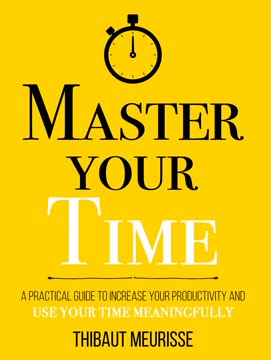
重要ポイント
1. 時間は最も貴重で、再生不可能な資産である
一秒は二度と訪れない。
時間の代替不可能性。 時間は他のどんな資源とも異なり、作り出すことも、貯めることも、取り戻すこともできない。費やした一秒は永遠に失われるため、私たちが持つ最も貴重な資産である。この認識があれば、時間を漫然と使うのではなく、意図的に投資する視点へと変わるはずだ。
希少性の意識。 時間が有限であることを理解することで、希少性のマインドセットが生まれ、使い方をより慎重に選ぶようになる。この意識は、自分の価値観や目標に合った活動を優先し、無意味なことに時間を浪費しない助けとなる。
- 労働力や資本を増やせばほとんどのものは増やせるが、時間だけは増やせない。
- 生産性の低い活動に費やした一秒は永遠に失われる。
意識的な選択。 何かに時間を割くたびに、他のすべてに「ノー」と言っていることになる。だからこそ、時間の使い方を意識的に選び、自分の最も深い価値観や願望に沿った行動を取ることが重要だ。
2. 生産性とは単なる時間管理ではなく、意味のあることをすること
好きなことや意味を感じることをし、大切な人と過ごすこと。
意味ある生産性。 真の生産性は時間を効率的に管理するだけでなく、意味があり楽しい活動に取り組み、大切な人間関係を育むことにある。この全体的なアプローチにより、時間は充実し、かつ影響力のあるものとなる。
- 意味のないことに一日の大半を費やしていては、時間の達人にはなれない。
- 意味は誰かや何かに対するコミットメント感から生まれる。
意味の三本柱:
- 魂を養う活動に取り組むこと。
- 意味のある人間関係を持つこと。
- 仕事に意味を見出すこと。
単なる効率性を超えて。 生産性とは終わりのないタスクリストをこなすことではなく、自分の価値観に沿った行動をし、意味深く価値ある人生を創ることだ。これには単なる効率性から、より深い目的意識への意識転換が必要である。
3. 集中力は究極の生産性の乗数である
あなたが持つ最高の生産性ツール。
集中力はスーパーパワー。 集中力とは、すべてのエネルギーを一つの特定のタスクに注ぎ込み、他を排除する能力だ。この強烈な集中によりフロー状態に入り、超生産的になり、時間が消えたかのように感じられる。
- 極度の集中はIQを20ポイント以上上げるようなものだ。
- 強烈な集中はエネルギーの漏れを最小化し、一つのことの達成に向けてエネルギーを集中させる。
エネルギー効率。 集中力は限られたエネルギーを効果的に使うことを可能にし、気を散らすものにエネルギーが分散するのを防ぐ。集中力を守ることで、より短時間でより多くの成果を上げられる。
- マルチタスクは機能せず、気晴らしは生産性を殺す。
- 生産性を高める最も効果的な方法の一つは、正しいタスクを見極め、それに毎日少なくとも45分間集中し、気晴らしや中断を排除することだ。
ディープワーク。 深い集中力を養うことは、どの分野でも熟達を達成するために不可欠だ。これには意図的な練習、気晴らしの排除、集中を支える環境づくりが必要である。
4. 先延ばしは明確さと気づきの問題である
行動が動機を生むことが多い。
怠惰を超えて。 先延ばしは単なる怠惰ではなく、多くの場合、明確さの欠如、気づきの不足、集中力の低さ、恐怖、緊急性の欠如、非効率なルーティン、不必要な摩擦、精神的過負荷に起因する。先延ばしの根本原因を理解することが克服の鍵だ。
- 明確さが欠けているとは、なぜそのタスクが重要か、何をすべきか、どう取り組むべきかが不明確な状態を指す。
- 先延ばしは、心の障壁や内なる抵抗が作業を妨げていることを示す。
動機の神話。 動機は行動の前提条件ではなく、むしろ行動が動機を生むことが多い。気が進まなくてもタスクを始めることで勢いがつき、先延ばしを克服できる。
- やりたい気持ちがなくても、実際にやることは可能だ。
- 気が進まない時に行動することを「規律」と呼ぶことが多い。
現在への集中。 先延ばしは現在を無視し、責任を未来の自分に転嫁する行為である。今行動することで現在を尊重し、より良い未来を創造できる。
5. 時間の認識が使い方を形作る
現在こそが唯一の現実である。
現在の気づき。 現在こそが私たちの唯一の現実であり、過去や未来は心の中の構築物に過ぎない。現在に集中することで、時間を最大限に活用し、より充実した人生を創造できる。
- 過去に戻ったり未来を想像したりするのは、すべて現在の心の中で行われる。
- 「今」こそが魔法が起こる場所だ。
過去は教訓。 過去は罰ではなく、教訓や洞察の源として捉えるべきだ。経験から学ぶことで現在を強化し、より良い未来を築ける。
- 過去はあなたの未来を予測しない、許さない限りは。
- 自分がうまくやったことに目を向けよう。
未来は指針。 未来は計画やビジョンのための指針であり、不安の源ではない。目標を視覚化し計画を立てることで、現在の行動が望む結果をもたらす。
- 目標をイメージし、それにワクワクしよう。
- 未来の出来事を過大評価しないように。
6. 時間は使うだけでなく、投資せよ
多くの人は時間を使うだけで、効果的に投資できていない。
時間の投資。 時間を投資するとは、エネルギーを使って思い出、スキル、知識、成果物など価値あるものを生み出すことだ。この方法は長期的な利益と深い充実感をもたらす。
- 時間を投資すれば、持てるエネルギーをすべて活用し、価値あるものに変換できる。
- 毎日賢く時間を投資することで、より良い未来を築ける。
時間の消費。 一方、時間を消費するとは、長期的価値のほとんどない活動、例えば過剰なテレビ視聴や無意味なSNS閲覧に時間を費やすことだ。これによりエネルギーが浪費され、機会を逃す。
- 時間を消費すると、長期的な利益をもたらさないことにエネルギーを浪費する。
- そのような非生産的な活動に従事することで、エネルギーが「漏れて」しまう。
収穫逓減の法則。 収穫逓減の法則を理解することは効果的な時間管理に不可欠だ。ある点を超えると、何かを増やしても価値は増えない。
- ある点を超えると、何かを増やしても人生に何も加えない。
- 毎日持つエネルギーをより良い人生設計に投資するか、永遠に失うかはあなた次第だ。
7. 長期的思考と継続性が鍵である
ポジティブな変化をもたらすのは、隔日ではなく毎日の行動である。
長期的ビジョン。 長期的に考える能力は成功の強力な予測因子だ。未来の自分がどこにいたいかに焦点を当てることで、現在の意思決定が向上する。
- 「長期的視点」は人生の財務的・個人的成功の最重要要因だった。
- 未来の目標に定期的に意識を向ける人は、現在より良い決断を下す。
継続の力。 毎日の小さな行動の積み重ねは、時間とともに強力な複利効果を生み出す。この方法は指数関数的な成果と目標への大きな前進をもたらす。
- 時間の単位は、日課の一部である時の方が、単独で取るよりはるかに価値が高い。
- ポジティブな変化をもたらすのは隔日の行動ではなく、毎日の行動である。
過程を楽しむ。 長期的思考者は、目標に向けた日々の進歩から喜びを得る。この姿勢は旅路をより楽しくし、目的地到達の可能性を高める。
- 旅が楽しいと、目的地の重要性は薄れる。
- 内面から興奮を生み出し、長期的思考者は小さな日々の勝利を大いに楽しむ。
8. 緊急性を生み出し、時間を最大化せよ
今日こそが人生で最も重要な日である。
時間は有限の資源。 緊急性を持つことは時間の価値を最大化するために不可欠だ。時間が限られているかのように行動すれば、賢く使う可能性が高まる。
- 時間は人生の本質である。
- 無限に時間があると思うと、意味ある活動に投資せず浪費してしまう危険がある。
90日単位の思考。 90日単位で考えることは、大きな目標を分割し緊急性を生む効果的な方法だ。この方法により目標が具体的になり、即時の行動を促す。
- 90日あれば重要なプロジェクトを完了し、長期目標に大きく前進できる。
- 90日目標ならゴールがほぼ見える。
頻繁な締め切り。 頻繁な締め切りを設けることも緊急性を生み、進捗を追跡する手段だ。目標を小さなマイルストーンに分けることで、モチベーションを維持し先延ばしを防げる。
- 適切なマイルストーンがなければ、最後の瞬間に慌てて取り組むことになる。
- 目標を複数のマイルストーンに分けることで、緊急性を生み出し、進捗も効果的に管理できる。
9. 「ノー」の力と戦略的な排除
忙しさは思考の怠惰である。
忙しさの神話。 「時間がない」という言葉は、多くの場合、自分の選択に責任を持ちたくない言い訳である。被害者意識を持ち、困難な変化を避けるための言葉だ。
- 忙しいのは、本当に大切なことを定義できていない代償である。
- 「時間がない」と言う時、実際には「今は重要でないので時間を作らない選択をしている」と言っている。
戦略的排除。 時間を最大限に活用するには、目標に合わない活動に「ノー」と言う術を学ぶ必要がある。これには優先順位の明確化と気晴らしの排除が求められる。
- 誰も銃を突きつけて、何をすべきか強制しているわけではない。
- あなた自身がSNSを見たりテレビを見たり、今の仕事に留まることを選んでいる。
時間の監査。 時間の使い方を記録することは、自己認識を高める強力な方法だ。この気づきにより、変化すべき領域を特定し、時間を取り戻せる。
- 自己認識は大きな変化の前提条件である。
- 時間の使い方を意識すればするほど、コントロールを取り戻し、より意味ある活動に向けて再配分できる。
10. 時間を売るのではなく、活用せよ
眠っている間にお金を稼ぐ方法を見つけなければ、死ぬまで働くことになる。
時間とお金の関係。 時間はお金よりもはるかに希少だ。鍵はお金を使って時間を節約することであり、その逆ではない。時間とお金の交換から、時間を活用してより大きな影響を生む思考への転換が必要だ。
- 時間は賢く使わなければならない。そのためには賢い思考を学び、より良い決断を下すことが最善の方法だ。
- お金の力は、エネルギーと時間を蓄え、将来に使える点にある。
時間の活用。 時間を売るのではなく、資産を作ったり、成果に応じて報酬を得たり、他人の時間を活用したりして時間を活用することに注力しよう。これにより収入を増やしつつ、時間の自由を得られる。
- 時間を売るか、活用するか(または両方の組み合わせ)を選べる。
- 複数回報酬を生む資産を作ったり、プロジェクト単位で報酬を得たり、他人の時間を使うことで時間を活用できる。
活用のためのツール。 他人の時間、お金、知識、影響力、技術を活用して、より短時間でより多くの成果を上げよう。これにより努力を倍増させ、より大きな影響を生み出せる。
- 周囲のリソースを活用し、効果的に時間を使うことを目指すべきだ。
- タスクを外注したり、友人に助言を求めたり、資金を調達したり、教育コンテンツを消費し、利用可能な技術を最大限活用しよう。
11. 集中できる環境をデザインせよ
環境は生産性に直接影響を与える。
環境はツールである。 環境は生産性に直接影響を及ぼす。集中を支える環境を設計することで、気晴らしを最小限に抑え、成果を最大化できる。
- 生産的な行動が取りやすければ取りやすいほど、それを行う可能性は高まるし、その逆もまた然り。
- 最適化された環境は生産性を高めるが、設
レビューまとめ
『Master Your Time』は圧倒的に高い評価を受けている。読者からは、実践的なアドバイス、わかりやすい構成、そして時間管理を改善するための具体的なステップが称賛されている。著者の率直なアプローチに共感し、やる気を引き出されるという声も多い。特に、先延ばしの克服、目標設定、重要なタスクへの集中を重視している点が評価されている。実際に日常生活に取り入れ、良い効果を実感したというレビューも見られる。一部には内容のさらなる深掘りを望む意見もあるが、多くの読者にとって時間の使い方を最適化するための貴重な資源となっている。
他の人が読んだ本


よくある質問
What's "Master Your Time" about?
- Practical Guide: "Master Your Time" by Thibaut Meurisse is a practical guide designed to help readers increase their productivity and use their time more meaningfully.
- Focus on Productivity: The book emphasizes understanding productivity beyond just time management, exploring how to make effective use of time in both personal and professional life.
- Comprehensive Framework: It provides a comprehensive framework for updating one's perception of time, developing focus, and overcoming procrastination.
- Personal Development: The book is part of the Mastery Series, which aims to help individuals realize their full potential and achieve their goals.
Why should I read "Master Your Time"?
- Time Management Skills: It offers valuable insights into managing time effectively, which is crucial in today's fast-paced world.
- Overcome Procrastination: The book provides strategies to overcome procrastination, a common barrier to productivity.
- Meaningful Life: It guides readers on how to use their time in a way that aligns with their values and aspirations, leading to a more fulfilling life.
- Practical Exercises: The book includes practical exercises and action steps to help readers implement the concepts discussed.
What are the key takeaways of "Master Your Time"?
- Value of Time: Understanding that time is a scarce resource and should be treated as one's most valuable asset.
- Focus and Energy: Productivity is more about managing focus and energy than just managing time.
- Long-term Thinking: Emphasizing the importance of long-term thinking and the compound effect of consistent daily actions.
- Meaningful Use of Time: Encouraging readers to use their time in ways that are meaningful, enjoyable, and aligned with their goals.
How does Thibaut Meurisse define productivity in "Master Your Time"?
- Beyond Time Management: Productivity is not just about managing time but involves managing activities and the intensity with which they are approached.
- Meaningful Activities: It includes doing things that are meaningful and enjoyable while being around people who matter.
- Energy and Focus: Productivity is about using energy effectively and maintaining focus on important tasks.
- Alignment with Goals: Ensuring that daily activities align with long-term goals and values.
What strategies does "Master Your Time" offer to overcome procrastination?
- Clarity and Awareness: The book emphasizes the importance of clarity regarding tasks and awareness of mental roadblocks.
- Motivation Myths: It debunks the myth that motivation is necessary to start tasks, advocating for action as a precursor to motivation.
- Routine and Environment: Establishing effective routines and optimizing the environment to reduce friction and distractions.
- Urgency and Deadlines: Creating a sense of urgency through deadlines and accountability systems to combat procrastination.
How does "Master Your Time" suggest updating one's perception of time?
- Past and Future Use: Encourages using the past for learning and the future for planning, rather than dwelling on regrets or worries.
- Investment Mindset: Viewing time as an investment rather than something to be spent, focusing on activities that yield long-term benefits.
- Compound Effect: Understanding the power of small, consistent actions over time and their exponential impact.
- Urgency Creation: Implementing strategies to create urgency, such as setting shorter-term goals and frequent deadlines.
What are the five levels of productivity according to "Master Your Time"?
- Level 1 - Focus: Eliminating distractions and improving focus is the foundational level.
- Level 2 - Energy: Increasing energy levels to enhance productivity and enjoyment of activities.
- Level 3 - Vision: Clarifying long-term vision to ensure daily tasks align with goals.
- Level 4 - Planning: Effective planning to optimize systems and reduce distractions.
- Level 5 - Relationships: Building meaningful relationships to enhance overall productivity and well-being.
What are the seven criteria for using time meaningfully in "Master Your Time"?
- Meaningful: Activities should align with personal values and goals.
- Enjoyable: Tasks should be enjoyable and bring satisfaction.
- Challenging: Engaging in activities that push one beyond their comfort zone.
- Memorable: Creating lasting memories through meaningful experiences.
- Self-worth Enhancing: Activities should enhance self-worth and personal growth.
- Effective: Tasks should be effective in achieving goals.
- Health Enhancing: Activities should contribute to physical and mental well-being.
How does "Master Your Time" propose to increase one's time?
- Borrowing Time: Encourages asking for help and leveraging other people's time and skills.
- Smart Thinking: Shortening learning curves and adopting a mastery mindset to make better decisions.
- Skill Improvement: Enhancing current skills and acquiring new ones to boost productivity.
- Technology Leverage: Using technology to automate tasks and increase efficiency.
What does "Master Your Time" say about disconnecting time from money?
- Time vs. Money: Emphasizes using money to save time rather than using time to save money.
- Leverage: Encourages leveraging time by creating assets, using other people's time, and employing technology.
- Passive Income: Suggests creating passive income streams to free up time for more meaningful activities.
- Opportunity Cost: Understanding the opportunity cost of spending money and how it relates to time.
What are the best quotes from "Master Your Time" and what do they mean?
- "Time is ruthless." - Highlights the irreversible nature of time and the importance of using it wisely.
- "Time is also a blessing." - Emphasizes the gift of time and the opportunity to use it meaningfully.
- "Busyness is laziness in thinking." - Critiques the culture of busyness and stresses the need for strategic thinking.
- "Do the work and you can have anything you desire in your life." - Encourages consistent action towards goals as a path to success.
How does "Master Your Time" suggest developing extraordinary focus?
- Daily Routines: Establishing consistent routines to condition the mind for focused work.
- Eliminating Distractions: Identifying and removing distractions to maintain concentration.
- Flow State: Encouraging activities that lead to a flow state, where focus and productivity are maximized.
- Fixed-Schedule Productivity: Adopting a fixed schedule to create a scarcity mindset and enhance focus.
著者について
同じ著者の他の本: ティボー・ムーリス