
重要ポイント
1. キャッシュフロー・クアドラント:自分の経済状況を理解する
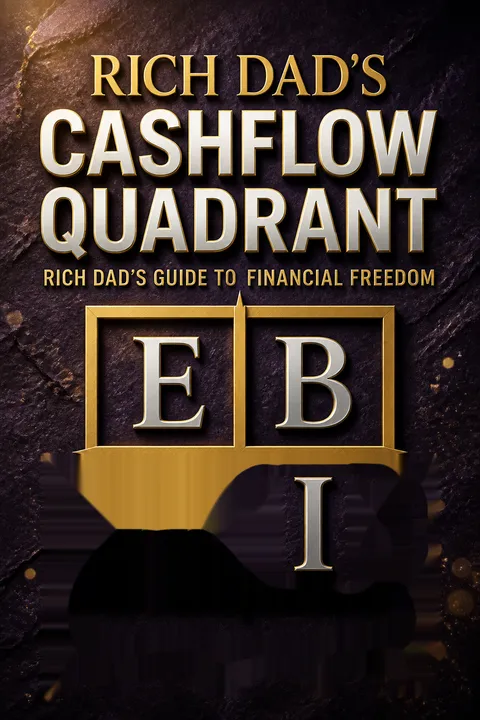
キャッシュフロー・クアドラントとは、収入やお金が生み出されるさまざまな方法を示すものである。
4つのクアドラントは以下の通りだ。
- E(従業員):他人のために働く
- S(自営業者):自分の仕事を持つ
- B(ビジネスオーナー):システムを所有する
- I(投資家):お金に働かせる
それぞれのクアドラントは異なるスキルや考え方、お金に対するアプローチを必要とする。自分がどのクアドラントにいるのか、そしてどこに向かいたいのかを理解することが、経済的成功の鍵となる。
2. 従業員からビジネスオーナーおよび投資家へシフトする
税金を減らすために大きな家を買い、借金を増やして税控除を受けるという考え方は、従来の常識である。
しかし、この伝統的なアドバイスは、しばしば経済的な苦境を招く。代わりに、
- ビジネス(Bクアドラント)を築くことに注力し、
- 収入を生み出す資産(Iクアドラント)に投資し、
- 仕事の安定よりもキャッシュフローを優先し、
- 富を生み出すシステムの構築を学ぶべきである。
この変化は、安定を求める考え方から経済的自由を追求するマインドセットへの転換を意味する。
3. 金融知能とリテラシーを高める
金融知能とは、どれだけ多く稼ぐかではなく、どれだけ多く残し、そのお金をどれだけ効率的に働かせ、何世代にもわたって維持できるかである。
金融知能の重要な要素は以下の通りだ。
- 財務諸表の理解
- 資産と負債の違いの認識
- キャッシュフローの効果的な管理
- 借金の活用方法の習得
金融知能を高めるには、継続的な学習と実践、そしてお金に関する固定観念への挑戦が不可欠である。
4. 富への感情的障壁を克服する
成功は必ずしも良い教師ではない。失敗からこそ自分自身について最も多く学べるため、失敗を恐れてはならない。
感情的な障壁としては、
- 失敗への恐怖
- 安全志向
- 即時満足の欲求
- 完璧主義
これらを克服するためには、
- 失敗を学びの機会として受け入れ、
- 長期的な視点を持ち、
- 遅延満足を実践し、
- 計算されたリスクを取ることが重要である。
5. 資産を築き、キャッシュフローを管理する
利益は「売るとき」ではなく「買うとき」に生まれる。
資産構築に注力するための戦略は、
- 資産を創出または取得する機会を見極め、
- キャッシュフローを生み出す投資を優先し、
- 市場のサイクルとタイミングを理解し、
- 利益を再投資して資産基盤を拡大することだ。
効果的なキャッシュフロー管理には、
- まず自分に支払い、
- 支出を最小限に抑え、
- 借金を戦略的に活用し、
- 財務戦略を継続的に監視・調整することが含まれる。
6. 良い借金と悪い借金を区別する
良い借金とは他人が返済してくれる借金であり、悪い借金とは自分の汗と血で返済する借金である。
借金を賢く活用するためには、
- 良い借金は収入を生み出す資産(例:賃貸物件)を資金調達し、
- 悪い借金は負債や消費品(例:クレジットカードの借金)を賄うものであることを理解する。
効果的な借金活用の戦略としては、
- プラスのキャッシュフローを生む資産に投資し、
- 税制上の優遇措置を活用し、
- 常に金融戦略を学び続け、
- 借金の長期的な影響を考慮することが求められる。
7. 金融問題を解決して機会を創出する
大きな富を迅速に得たいなら、大きな金融問題に取り組むべきである。
問題を見つけて解決することが富の創造につながる。
- 市場の非効率を見極め、
- 複雑な金融問題に対する解決策を提供し、
- 不良資産や経営難の企業を立て直すことが含まれる。
問題解決能力を高めるには、
- 小さなことから始めて経験を積み、
- 他の問題解決者とネットワークを築き、
- 多様な業界や市場について学び続け、
- 計算されたリスクを取る意欲を持つことが重要だ。
8. 投資家になる前にビジネスを築く
「B」として成功するには、自分のキャッシュフローの流れをコントロールできなければならない。
ビジネスオーナーとしての優先事項は、
- 収入を生み出すシステムを開発し、
- 人を率い管理する能力を身につけ、
- 商品やサービスを通じて価値を創造し、
- ブランドと市場での存在感を築くことだ。
ビジネスを築いてから投資家になる利点は、
- 投資のためのキャッシュフローを生み出し、
- 実践的な財務・経営経験を積み、
- 人脈やリソースのネットワークを構築し、
- 税制上の優遇や資産保護の戦略を活用できる点にある。
9. 自分の金融教育をコントロールする
数字が読めなければ、他人の意見に頼らざるを得ない。
金融知識に投資するためには、
- 金融関連の書籍や新聞を読み、
- セミナーやワークショップに参加し、
- 金融教育ゲーム(例:キャッシュフロー)を活用し、
- 実績のあるメンターを探すことが重要だ。
継続的な学習のためには、
- 毎週一定の時間を金融教育に充て、
- 新たな知識を実際の状況に応用し、
- 金融リテラシーに特化した勉強会に参加または主催し、
- 自分の固定観念に挑戦し、多様な視点を求めることが求められる。
10. リスクを受け入れ、無謀なリスクは避ける
無知は最大のリスクである。
リスクを理解し管理するためには、
- 計算されたリスクと無謀な行動を区別し、
- 損失を最小限に抑える戦略を立て、
- 市場動向や機会について学び続け、
- 多様なアドバイザーやパートナーのネットワークを築くことが重要だ。
賢いリスクテイクの戦略としては、
- 小さく始めて経験を積みながら拡大し、
- 常に出口戦略を持ち、
- リスク許容度を定期的に見直し調整し、
- 成功と失敗の両方から学ぶ姿勢を持つことが挙げられる。
11. 自分の投資家タイプと経済的な近道を選ぶ
キャッシュフローの方向性こそがすべてである。
自分の投資家タイプを見極めることが重要だ。
- タイプA:問題解決を求める人
- タイプB:専門家の助言を求める人
- タイプC:経済的責任を避ける人
経済的な近道を見つけるための戦略は、
- 特定の金融問題解決における専門性を高め、
- 信頼できるアドバイザーやパートナーのネットワークを築き、
- 自分の強みを活かし弱みは委任し、
- 学びと成長の機会を常に追求することである。
レビューまとめ
『キャッシュフロー・クアドラント』は賛否両論の評価を受けている。本書は金融教育やマインドセットの変革に関する洞察が高く評価され、多くの読者にとって目から鱗であり、人生を変える可能性を秘めているとされた。清崎氏による収入源の種類や経済的自由への道筋の説明は好評を博した。一方で、内容が繰り返しに感じられる点や実践的な助言の不足、複雑な金融概念の単純化が批判されることもあった。また、清崎氏の形式的な教育に対する論争的な見解や自己宣伝的な側面も指摘されている。総じて、本書の核となるアイデアには価値が認められるものの、その表現方法や実用性については意見が分かれている。
他の人が読んだ本







よくある質問
What's Rich Dad's Cashflow Quadrant about?
- Financial Freedom Focus: The book explores achieving financial freedom by understanding different income sources through the CASHFLOW Quadrant.
- Quadrant Categories: It categorizes individuals into four types: Employee (E), Self-employed (S), Business owner (B), and Investor (I).
- Mindset Differences: The left side (E and S) focuses on job security, while the right side (B and I) emphasizes wealth creation and financial independence.
- Path to Change: Kiyosaki encourages moving from the left to the right side of the Quadrant for financial freedom.
Why should I read Rich Dad's Cashflow Quadrant?
- Transformative Insights: The book challenges conventional beliefs about job security and wealth, offering new perspectives on money.
- Practical Guidance: It provides actionable steps and strategies for achieving financial independence.
- Relatable Examples: Kiyosaki shares personal anecdotes and lessons from his "rich dad," making the concepts easy to understand and apply.
What are the key takeaways of Rich Dad's Cashflow Quadrant?
- Quadrant Understanding: Recognizing where you currently stand in the Quadrant helps identify your path to financial freedom.
- Financial Education Importance: Kiyosaki stresses the need for financial education to navigate money management and investing complexities.
- Mindset Shift: A significant takeaway is shifting from seeking job security to pursuing financial freedom through entrepreneurship and investing.
What is the CASHFLOW Quadrant in Rich Dad's Cashflow Quadrant?
- Four Income Sources: The Quadrant categorizes income sources as Employee (E), Self-employed (S), Business owner (B), and Investor (I).
- Left vs. Right Side: The left side (E and S) is about job security, while the right side (B and I) focuses on wealth through business and investments.
- Path to Financial Freedom: Understanding the Quadrant helps individuals identify their current financial situation and steps to improve it.
How does Rich Dad's Cashflow Quadrant define an asset and a liability?
- Asset Definition: An asset is something that puts money into your pocket, like rental properties or dividend-paying stocks.
- Liability Definition: A liability takes money out of your pocket, such as debts and expenses that do not generate income.
- Understanding Importance: Kiyosaki emphasizes understanding these definitions to make informed financial decisions, as many mistakenly consider liabilities as assets.
How can I transition from the E or S quadrant to the B or I quadrant according to Rich Dad's Cashflow Quadrant?
- Education and Learning: Financial education is crucial for making informed decisions and understanding the market.
- Start Small: Begin with small steps towards entrepreneurship or investing to gain experience and confidence.
- Seek Mentorship: A mentor who has successfully transitioned can provide valuable guidance and support.
What are the three kinds of business systems mentioned in Rich Dad's Cashflow Quadrant?
- Traditional C-type Corporations: These require developing your own system and significant effort to run effectively.
- Franchises: Operating under an established system reduces the risk of starting a new business from scratch.
- Network Marketing: Joining an existing system offers a low-cost entry point and potential for passive income.
What is financial intelligence according to Rich Dad's Cashflow Quadrant?
- Money Management Understanding: It involves managing money effectively, including making, keeping, and growing it over time.
- Distinguishing Facts from Opinions: Recognizing the difference is crucial for sound investment decisions.
- Long-Term Perspective: Financial intelligence includes understanding risks and rewards associated with different strategies.
What are the seven levels of investors discussed in Rich Dad's Cashflow Quadrant?
- Level 0: Nothing to Invest: Living paycheck to paycheck with no money to invest.
- Level 1: Borrowers: Relying on borrowing, leading to a cycle of debt.
- Level 2: Savers: Using low-risk, low-return vehicles, missing better opportunities.
- Level 3-6: Ranging from "Smart" Investors to Capitalists, each level shows increasing sophistication and wealth creation.
How does Rich Dad's Cashflow Quadrant suggest managing risk in investing?
- Education is Key: Understanding the market and financial principles is crucial for managing risk.
- Start Small and Learn: Small investments allow learning from mistakes without significant risk.
- Diversification and Strategy: Focus on well-researched investments with a clear strategy to mitigate risk.
What are some common misconceptions about money discussed in Rich Dad's Cashflow Quadrant?
- Job Security Misconception: True security comes from owning assets, not job security.
- Home as an Asset: Homes are often liabilities due to ongoing expenses, not assets.
- Investment Risks: Investing isn't inherently risky; lack of education poses the real risk.
What are the best quotes from Rich Dad's Cashflow Quadrant and what do they mean?
- “True freedom requires financial freedom.”: Financial independence is essential for overall freedom in life.
- “Profit is made when you buy.”: Successful investing starts with informed purchasing decisions.
- “Indebtedness equals poverty.”: Debt limits financial freedom; strive for independence.
金持ち父さん シリーズ





著者について
同じ著者の他の本: ロバート・T・キヨサキ





PDFをダウンロード
EPUBをダウンロード
.epub digital book format is ideal for reading ebooks on phones, tablets, and e-readers.








































