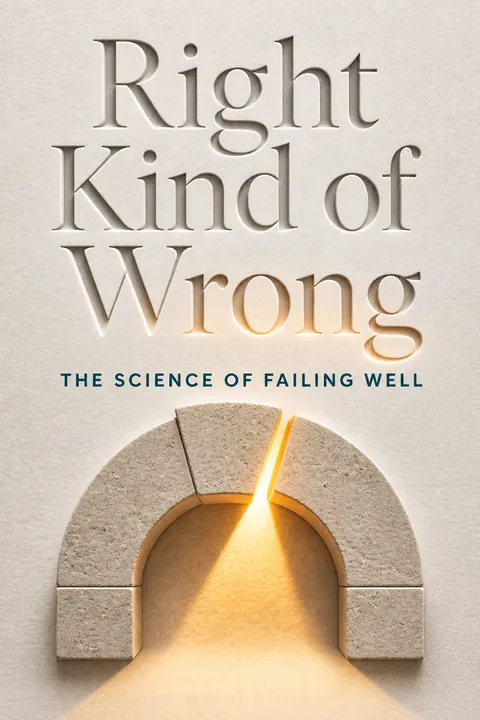

重要ポイント
1. 失敗は成長と革新に不可欠である
「成功とは、熱意を失わずに失敗から失敗へと進むことである。」 - ウィンストン・チャーチル
失敗を機会として捉える。 失敗は人生や仕事、革新の中で避けられないものである。恐れるのではなく、失敗を学びと成長の貴重な源として受け入れるべきだ。成功する個人や組織は、失敗が画期的な発見や改善への必要なステップであることを理解している。
- 失敗の利点:
- 重要なフィードバックを提供する
- 批判的な反省を促す
- 創造性と新しいアプローチを引き出す
- レジリエンスと粘り強さを育む
失敗を肯定する文化を育む。 失敗を正常化し、さらには祝う組織は、より革新的で適応力がある。IDEOの「早く失敗して早く成功する」やGoogle Xの「失敗ボーナス」のような例は、失敗を受け入れることで驚くべき成功を収めることができることを示している。リスクを取ることや失敗から学ぶことが安全だと感じられる環境を作ることで、個人やチームの潜在能力を最大限に引き出すことができる。
2. 基本的な失敗、複雑な失敗、知的な失敗を区別する
「基本的な失敗は、正しい種類の間違いではない。」
失敗の種類を理解する。 すべての失敗が同じではない。失敗を分類することで、適切に対応し、各経験から最大の価値を引き出すことができる:
-
基本的な失敗:
- 既知の領域で発生する
- 単一の明確な原因がある
- 注意と配慮で防ぐことができることが多い
-
複雑な失敗:
- 複数の相互作用する要因が関与する
- 外部の要素や制御不能な要素を含むことが多い
- システム思考が必要
-
知的な失敗:
- 新しい、不確実な領域で発生する
- 思慮深い実験から生じる
- 将来の試みに有益な情報を提供する
アプローチを調整する。 取り扱う失敗の種類を認識することで、より効果的に対応できる。基本的な失敗は、プロセスの改善と注意を通じて最小限に抑えるべきだ。複雑な失敗は、要因の全体的な分析が必要である。知的な失敗は、革新の一環として奨励され、学ばれるべきである。
3. 心理的安全性は失敗から学ぶために重要である
「心理的安全性は、変化し続ける不確実な世界で学び、進歩するために必要なことを言ったり行ったりするのを助ける。」
安全な環境を作る。 心理的安全性とは、ネガティブな結果を恐れずに発言し、質問し、ミスを認めることができるという信念である。この環境は、失敗から学び、革新を促進するために不可欠である。リーダーは、心理的安全性を育むために重要な役割を果たす:
- 自分自身のミスについて脆弱性とオープンさを示す
- 率直なフィードバックや異論を奨励し、報奨する
- 失敗を学びの機会として捉え、罰の原因としない
正直なコミュニケーションを促進する。 人々が心理的に安全だと感じると、以下のことがより可能になる:
- エラーを迅速に報告し、小さな問題が大きくなるのを防ぐ
- リスクがあっても革新的なアイデアを共有する
- 多様な視点を活用して、より効果的に協力する
心理的安全性の文化を作ることで、組織はチームの集合知を活用し、挑戦に対してよりレジリエントになることができる。
4. 自己認識は認知バイアスと感情的障壁を克服するのに役立つ
「どうすれば自分が正しいとわかるのか?」
認知バイアスを認識する。 私たちの脳は、失敗から学ぶ能力を妨げるさまざまなバイアスを持っている。注意すべき主要なバイアスには以下が含まれる:
- 確証バイアス:既存の信念を確認する情報を求める
- 基本的な帰属の誤り:他人の失敗を性格の欠陥に帰し、自分の失敗を外部の状況に帰する
- 過信バイアス:自分の能力や知識を過大評価する
感情的知性を発展させる。 失敗はしばしば恥、怒り、防御的な反応などの強い感情を引き起こす。自己認識と感情の調整を育むことで、以下のことが可能になる:
- 反応する前に一時停止して反省する
- 自己価値感を個々の失敗から切り離す
- 好奇心を持って失敗に取り組む
マインドフルネス瞑想、日記、他者からのフィードバックを求めることなどの実践は、自己認識と失敗に対する感情的なレジリエンスを築くのに役立つ。
5. 状況認識は異なる文脈に適切に対応するのに役立つ
「新しいビープ音が鳴る四角を踏むことは間違いではない。それは単に道についての情報である。」
文脈を評価する。 状況認識は、自分が操作している環境を理解し、それに応じてアプローチを調整することを含む。このスキルは、失敗を効果的にナビゲートするために重要である。考慮すべき主要な要因には以下が含まれる:
- 不確実性のレベル:これは馴染みのある状況か、それとも未知の領域か?
- 失敗の潜在的な結果:失敗の可能性のある影響は何か?
- 利用可能なリソース:どのようなツール、知識、サポートが利用できるか?
マインドセットを適応させる。 異なる文脈は、失敗に対する異なるアプローチを必要とする:
- 高リスク、低不確実性の状況では:エラー防止と警戒に焦点を当てる
- 新規の探索的な文脈では:実験と知的な失敗を受け入れる
- 複雑で動的な環境では:柔軟性と迅速な学習を育む
強い状況認識を発展させることで、リスク許容度と失敗対応を調整し、学習を最大化し、不要な害を最小化することができる。
6. システム思考は相互接続を明らかにし、連鎖的な失敗を防ぐ
「全体は部分の総和以上のものである。」
全体的な視点を採用する。 システム思考は、システムの異なる部分がどのように相互作用し、影響し合うかを理解することを含む。このアプローチは以下のために重要である:
- 失敗の根本原因を特定する、症状だけでなく
- 行動や決定の意図しない結果を予測する
- より堅牢でレジリエントなプロセスを設計する
関係とフィードバックループをマッピングする。 因果ループ図のようなツールは、システム内の相互接続を視覚化するのに役立つ。この理解により、以下のことが可能になる:
- 介入のためのレバレッジポイントを特定する
- 失敗の連鎖的な影響を認識する
- 壊滅的な崩壊を防ぐためのフェイルセーフと冗長性を設計する
システム思考の実例には、製造プロセスのすべての側面の相互接続性を強調するトヨタ生産方式や、人間の要因、技術、組織文化を考慮した包括的な安全アプローチを採用する航空業界が含まれる。
7. 不完全性を受け入れて不確実な世界で繁栄する
「不完全な人間として繁栄することは、基本的な失敗をできるだけ防ぎ、複雑な失敗を予測して防止または軽減し、より頻繁な知的な失敗への食欲を育むことを意味する。」
不完全性を受け入れる。 自分の不完全性を認識することは解放的であり、以下のことを可能にする:
- より計算されたリスクを取る
- 継続的に学び、成長する
- より本物の関係を築く
レジリエンスを育む。 不確実な世界で繁栄するには、挫折から立ち直る能力を発展させることが必要である。主要な実践には以下が含まれる:
- 失敗を学びの機会として再フレームする
- 視点と励ましを提供するサポートネットワークを構築する
- 短期的な完璧さよりも長期的な成長に焦点を当てる
慎重さと勇気のバランスを取る。 不要な失敗を防ぐことは重要だが、野心的な目標を追求し、革新する勇気も必要である。不完全性を受け入れることで、以下のことが可能になる:
- 謙虚さと好奇心を持って挑戦に取り組む
- 多様な強みを活用してより効果的に協力する
- 変化する状況に迅速に適応する
最終的に、不完全性を受け入れ、うまく失敗することを学ぶことで、より充実した生活を送り、変化し続ける世界で繁栄するレジリエントな組織を作り出すことができる。
レビューまとめ
本書『The Right Kind of Wrong』は賛否両論の評価を受けている。失敗から学ぶことや心理的安全性の創出に関する洞察が称賛されている。読者は失敗の種類の分類や、知的な失敗を受け入れるための実践的なアドバイスを高く評価している。しかし、一部の読者は内容が繰り返しで新しいアイデアに欠けると感じている。批評家は複雑な問題を単純化しすぎていると主張する一方で、支持者は難しいテーマに対する本書のアクセスしやすいアプローチを評価している。失敗を学びの機会として再構築することに重点を置いている点が、多くの読者、特にビジネスやリーダーシップの文脈で共感を呼んでいる。
他の人が読んだ本








よくある質問
What's Right Kind of Wrong about?
- Focus on Failure: The book explores failure as a crucial element of learning and growth in both personal and organizational contexts.
- Types of Failures: It categorizes failures into intelligent, basic, and complex, each with unique characteristics and learning implications.
- Framework for Success: Provides a framework for navigating failures, encouraging a growth mindset and awareness in various contexts.
Why should I read Right Kind of Wrong?
- Transformative Insights: Offers a fresh perspective on failure, viewing it as a stepping stone rather than a setback.
- Practical Tools: Provides frameworks and tools for learning from failures, enhancing innovation and adaptability.
- Real-World Examples: Includes case studies from various fields, making concepts relatable and applicable to everyday life.
What are the key takeaways of Right Kind of Wrong?
- Embrace Failure: Not all failures are bad; some are necessary for progress and innovation.
- Psychological Safety: Creating a safe environment for discussing mistakes is crucial for learning and improvement.
- Types of Failures: Understanding intelligent, basic, and complex failures helps in developing appropriate responses and strategies.
How does Right Kind of Wrong categorize failures?
- Intelligent Failures: Occur in new contexts, leading to valuable insights through thoughtful experimentation.
- Basic Failures: Preventable errors in familiar settings, often due to inattention, easily corrected.
- Complex Failures: Involve multiple causes, harder to predict, often occurring in familiar settings.
What is "psychological safety" as discussed in Right Kind of Wrong?
- Safe Environment: Refers to an environment where individuals feel safe to take interpersonal risks, like admitting mistakes.
- Encourages Learning: Promotes sharing concerns and learning from failures, leading to improved performance.
- Critical for Innovation: Essential for fostering innovation and effective teamwork in organizations.
What is the definition of "intelligent failure" in Right Kind of Wrong?
- Thoughtful Experimentation: Occurs in new territory, informed by prior knowledge, representing a thoughtful approach.
- Small Risks: Characterized by manageable risks that provide insights without significant costs.
- Learning Opportunity: Seen as opportunities for growth, leading to new discoveries and advancements.
What are some practical tools for learning from failure mentioned in Right Kind of Wrong?
- Checklists: Help ensure important steps aren't overlooked, reducing basic failures.
- Blameless Reporting: Encourages sharing mistakes without fear, facilitating learning and improvement.
- Rapid Response Teams: Address early warning signs of potential failures, allowing timely interventions.
How can I apply the concepts from Right Kind of Wrong in my life?
- Reframe Failures: View failures as learning opportunities rather than setbacks.
- Create a Safe Space: Foster psychological safety in relationships, encouraging open discussions about mistakes.
- Practice Reflection: Regularly reflect on experiences, identifying improvements using the book's frameworks.
How does Right Kind of Wrong suggest we deal with perfectionism?
- Aim for Excellence: Set realistic goals that stretch abilities without being unattainable.
- Focus on Progress: Measure success based on progress, fostering a positive mindset.
- Safe Space for Mistakes: Cultivate an environment where mistakes are learning opportunities.
What is the Stop—Challenge—Choose technique mentioned in Right Kind of Wrong?
- Pause to Reflect: Encourages pausing before reacting to situations for thoughtful responses.
- Assess Thoughts: Involves questioning the validity of spontaneous thoughts, reframing irrational beliefs.
- Make Informed Choices: Decide on actions aligning with goals and values, empowering control over responses.
How can I create a culture of learning from failure in my organization?
- Encourage Open Communication: Foster an environment where team members feel safe sharing mistakes.
- Implement Blameless Reporting: Create systems for anonymous error reporting without fear of punishment.
- Celebrate Intelligent Failures: Recognize and reward risk-taking and learning from failures.
What role does reflection play in learning from failure according to Right Kind of Wrong?
- Identify Lessons Learned: Analyzing experiences to extract valuable lessons from failures.
- Build Resilience: Develops a healthier relationship with failure, encouraging a growth mindset.
- Enhance Decision-Making: Helps in recognizing patterns and avoiding similar mistakes in the future.
著者について
PDFをダウンロード
EPUBをダウンロード
.epub digital book format is ideal for reading ebooks on phones, tablets, and e-readers.








































