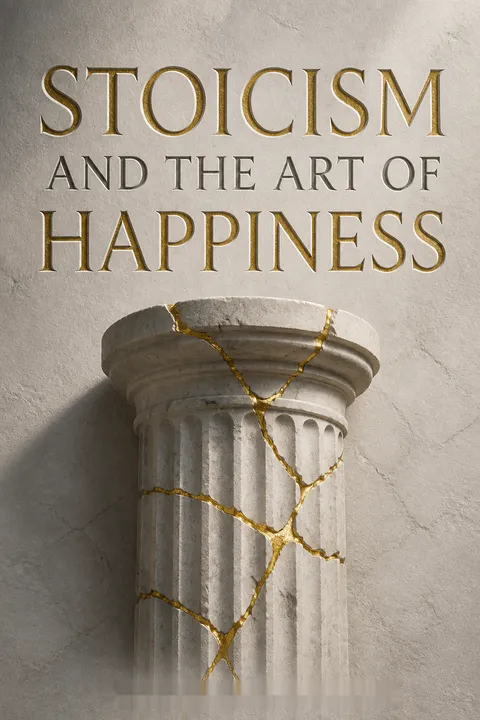

重要ポイント
1. ストイシズム:幸福と徳を育むための哲学
「人生の目的は、『自然と調和して生きる』ことであり、自分のコントロール外にある事柄を受け入れることである。」
古代の知恵は現代にも通じる。紀元前301年頃、アテネのゼノンによって創始されたストイシズムは、充実した人生を送るための実践的な哲学を提供する。真の幸福(エウダイモニア)は、外的な財や快楽を追い求めるのではなく、徳と知恵を育むことによって得られると説く。
ストイシズムの主要な原則:
・自然と調和して生きること
・自分のコントロールできることに集中すること
・知恵、公正、勇気、節制といった徳を養うこと
・運命を受け入れつつ適切な行動をとること
ストイシズムの普遍的な魅力は、人生の困難に対する実践的なアプローチにあり、混沌とした現代において意味と平穏を求める人々にとって感情的な回復力と倫理的な生き方の手段を提供している。
2. コントロールの二分法:影響を及ぼせることに集中する
「あることは私たちの支配下にあり、他のことはそうではない。」
自分の影響範囲を掌握する。ストイックな「コントロールの二分法」は、不安を減らし効果的に行動するための強力な思考モデルである。自分がコントロールできることとできないことを明確に区別することを教える。
コントロール可能なもの:
・自分の判断や意見
・自分の欲望や嫌悪
・自分の行動や反応
コントロール不可能なもの:
・外部の出来事や状況
・他人の行動や意見
・過去や未来
自分が影響を及ぼせることにエネルギーを注ぎ、できないことを受け入れることで、不要な苛立ちや心配から解放される。この原則は、自分の人格と行動に責任を持ちつつ、外部の困難に対して平静を保つことを可能にする。
3. 徳こそ唯一の善:外的状況よりも人格を重視する
「良い人間であることこそが良い人生を送るために必要なすべてであり、したがって外的な運命にかかわらず幸福で充実した人生を得られる。」
内なる卓越性を育てる。ストイシズムは、徳――理性的な本性の完成――こそが唯一の真の善であると考える。富や健康、名声といった外的状況は、幸福や道徳的価値に関して「無関心」とされる。
ストイシズムの四つの基本的徳:
- 知恵(ソフィア):真に善悪を見極める実践的知識
- 公正(ディカイオシュネー):他者に対する公平さと慈悲
- 勇気(アンドレイア):困難に立ち向かう強さ
- 節制(ソフロシュュネー):節度と自己制御
これらの徳の育成を優先することで、ストイックは外的状況に左右されずにエウダイモニア(繁栄)を達成できると信じている。この視点は、外的な財の果てしない追求から私たちを解放し、自らの人格の成長を通じて満足と目的を見出すことを可能にする。
4. ネガティブ・ビジュアライゼーション:逆境に備え、現在を感謝する
「出来事が自分の望む通りに起こることを求めるのではなく、起こるがままに起こることを望めば、人生は順調に進むだろう。」
最悪の事態を想像し、現在を感謝する。ストイックの「ネガティブ・ビジュアライゼーション」(praemeditatio malorum)は、潜在的な不幸や喪失を定期的に思い描く実践である。この訓練は多くの効果をもたらす。
ネガティブ・ビジュアライゼーションの利点:
・将来の困難に対する不安を軽減する
・現在持っているものへの感謝を深める
・困難に立ち向かう心の準備をする
・本当に重要なことへの視点を保つ
愛する人や所有物、能力を失うことを想像することで、それらの存在に対する感謝が深まる。この実践はまた、逆境に対処する心の強さを養う助けとなる。ただし、不安や心配を煽るのではなく、冷静かつ理性的な心構えで行うことが重要である。
5. 自制心と理性的思考:感情的回復力の鍵
「人は出来事そのものではなく、それについての判断によって動揺する。」
心を制することが人生を制する。ストイシズムは、感情的な反応は外部の出来事そのものではなく、それに対する私たちの判断から生じると教える。自制心と理性的思考を養うことで、より高い感情的回復力と平穏を得られる。
感情調整のためのストイックな戦略:
・思考や感情を即座に反応せず観察する
・初期の印象の妥当性を問い直す
・客観的事実に焦点を当てて状況を再解釈する
・自発的な不快感を経験し心の強さを養う
・反応を遅らせ理性的な評価を行う
これらの技術を継続的に実践することで、自動的な感情反応から解放され、より賢明で平静な対応が可能になる。感情を完全に抑圧するのではなく、より健全でバランスの取れた形で体験することが目標である。
6. アモール・ファティ:運命を愛し、人生の試練を受け入れる
「すべてが自分の望む通りに起こることを求めるのではなく、実際に起こる通りに起こることを望めば、人生はうまく流れるだろう。」
あるがままを受け入れる。アモール・ファティ(運命愛)は、ストイシズムの核心的態度であり、困難や挫折を含めて起こるすべてを単に受け入れるだけでなく積極的に愛することを意味する。この心構えは障害を成長と徳の機会へと変える。
アモール・ファティの重要な側面:
・自分のコントロールを超えたものを受け入れる
・困難に意味と目的を見出す
・逆境を人格の試練とみなす
・宇宙の自然な秩序を信頼する
アモール・ファティを育むことで、現実に抗う無益な闘いから解放され、あらゆる状況を最大限に活かすエネルギーを注げる。この態度は回復力、創造性、そして人生の流れに対する深い平和感を育む。
7. 宇宙的視点:上空から人生を見渡し明晰さを得る
「上空から鳥の目で世界を眺めよ。そこには多くの集会や儀式、穏やかな航海や嵐の航海、そして物事が生まれ、関わり、消えていく様々な様相が見える。」
視野を広げて知恵を得る。ストイックな「上空からの視点」は、精神的に一歩引いて宇宙的な観点から人生を観察する実践である。この訓練は明晰さをもたらし、些細な心配への執着を減らし、本当に重要なことに行動を合わせる助けとなる。
宇宙的視点の利点:
・些細な悩みの重要性を減じる
・人類全体とのつながりを強調する
・広大な時間の中での自分の短い存在を思い出させる
・人生で本当に重要なことに集中するよう促す
自分の存在を大きな全体の中で定期的に考えることで、謙虚さ、思いやり、そして個人的な関心を超えた目的意識が育まれる。この宇宙的視点は日々の責任を否定するものではなく、行動の優先順位を定め、平静を保つための強力な枠組みを提供する。
8. マインドフルネスと自己省察:ストイックな生き方のための日々の実践
「日々、死と追放、そして最も恐るべき死を目の前に置け。そうすれば卑屈な思いも過度な欲望も生じないだろう。」
日々の知恵を育む。ストイシズムは、その原則を内面化し一貫して生きるために、定期的なマインドフルネスと自己省察の実践を重視する。これらの日課は視点を保ち、賢明な選択を促し、徳の向上を助ける。
ストイックな日々の実践例:
・朝の瞑想:一日の計画を立て、挑戦を予測する
・夜の振り返り:一日の行動と学びを省みる
・日記:思考や洞察、改善点を書き留める
・ネガティブ・ビジュアライゼーション:潜在的な喪失や困難を短時間想像する
・客観的知覚:価値判断をせずに状況を見る練習
・メメント・モリ:死を思い出し、本当に重要なことを優先する
これらの実践を日常に取り入れることで、自己認識、感情的回復力、ストイックな原則との調和が深まる。この継続的な努力により、ストイシズムは抽象的な哲学から生きた経験へと変わり、より大きな知恵、徳、そして平穏をもたらす。
レビューまとめ
『ストイシズムと幸福の技法』は、ストイック哲学の包括的な入門書として、また実践的なエクササイズを提供する点で概ね好評を博している。読者はその明快な解説や現代心理学との関連付け、そして日常生活にストイックな原則を応用することに重点を置いている点を高く評価している。一方で、内容が繰り返しに感じられたり、認知行動療法に偏りすぎていると指摘する声もある。批評家は複雑な概念を単純化しすぎていると述べるが、支持者はその分かりやすさを重視している。多くの読者は、ストイシズムに興味を持つ初心者にとっての出発点として本書を推奨し、古代から現代に至る解釈を幅広く網羅している点を称賛している。
他の人が読んだ本









よくある質問
What's Stoicism and the Art of Happiness about?
- Philosophical Exploration: The book delves into Stoicism, a philosophy founded by Zeno of Citium, focusing on living in harmony with nature and virtue.
- Practical Application: It serves as a guide for applying Stoic principles to modern life, aiming to enhance happiness and fulfillment.
- Therapeutic Connection: Donald J. Robertson links Stoicism to modern psychotherapy, particularly Cognitive Behavioral Therapy (CBT), to demonstrate its relevance in building emotional resilience.
Why should I read Stoicism and the Art of Happiness?
- Timeless Insights: The book offers enduring wisdom on human nature and happiness, appealing to those interested in personal growth.
- Practical Techniques: It includes exercises and techniques from Stoic philosophy that can be applied to daily life for better emotional health.
- Therapeutic Perspective: The author's background in cognitive-behavioral psychotherapy provides a unique view on using Stoicism as psychological therapy.
What are the key takeaways of Stoicism and the Art of Happiness?
- Nature and Control: Stoicism teaches living in agreement with nature, focusing on what is within our control.
- Virtue and Happiness: True happiness, or eudaimonia, is achieved through the practice of virtue, the only true good.
- Emotional Resilience: The book emphasizes changing perceptions and reactions to external events to build emotional resilience.
How does Stoicism and the Art of Happiness define happiness?
- Virtue as Happiness: Happiness is achieved through cultivating virtue, not through external success or material wealth.
- Inner Tranquility: It is described as a state of inner peace from living in accordance with reason and nature.
- Independence from Circumstances: Happiness depends on one's internal state and responses, not external events.
What is the Stoic concept of eudaimonia?
- Definition: Eudaimonia is a state of flourishing and living a good life, characterized by virtue and fulfillment.
- Virtue-Centric: It is achieved through the practice of virtue, which is necessary and sufficient for a good life.
- Indifference to Externals: External factors like wealth and health are indifferent to true happiness, rooted in character and actions.
How does Stoicism and the Art of Happiness relate to modern psychotherapy?
- CBT Parallels: The book highlights similarities between Stoic practices and Cognitive Behavioral Therapy in changing perceptions to alleviate distress.
- Emotional Resilience: Stoicism offers techniques for building resilience, echoed in contemporary therapeutic practices.
- Philosophy as Therapy: Stoics viewed philosophy as therapy for the mind, aiming to cultivate virtue and emotional well-being.
What is the 'Stoic fork' mentioned in Stoicism and the Art of Happiness?
- Key Concept: It distinguishes between what is 'up to us' (thoughts and actions) and what is not (external events).
- Focus on Control: Understanding this helps focus on responses and attitudes, reducing anxiety over uncontrollable circumstances.
- Emotional Management: Applying the 'Stoic fork' reduces frustration by accepting what cannot be changed.
What is 'premeditation of adversity' in Stoicism and the Art of Happiness?
- Preparation Technique: It involves mentally rehearsing potential misfortunes to lessen their emotional impact.
- Cognitive Resilience: Anticipating difficulties fosters acceptance and readiness, reducing overwhelm from unexpected events.
- Philosophical Reflection: Encourages reflection on the nature of external events, reinforcing their indifference to well-being.
What are some practical exercises from Stoicism and the Art of Happiness?
- View from Above: Visualizing life from a higher perspective diminishes the importance of daily troubles.
- Physical Definition: Describing events objectively, without emotional judgments, to see things as they are.
- Meditative Routines: Morning and evening reflections foster self-awareness and personal growth.
How can I apply Stoic principles in my daily life?
- Practice Mindfulness: Focus on the present and control what you can, responding to challenges with equanimity.
- Reflect on Virtue: Contemplate virtues admired in others and strive to embody them in your actions.
- Embrace Challenges: View obstacles as growth opportunities, practicing amor fati to accept events as they unfold.
What are the best quotes from Stoicism and the Art of Happiness and what do they mean?
- Acceptance of Reality: “Seek not for events to happen as you wish but rather wish for events to happen as they do and your life will go smoothly.” This emphasizes aligning desires with reality for peace.
- Control and Nature: “The goal of life is to ‘live in agreement with Nature’ by willingly accepting things outside our control.” Highlights focusing on controllable aspects for happiness.
- Self-Reliance: “If you want anything good, get it from yourself.” Stresses that true happiness comes from within, not external circumstances.
What does Stoicism and the Art of Happiness say about friendship?
- Virtuous Friendship: Stoics view friendship as a mutual pursuit of virtue, not based on external benefits.
- Unconditional Support: Characterized by benevolence and affection, regardless of how one is treated.
- Relationship Cultivation: Emphasizes nurturing friendships to practice virtues like justice and benevolence.
著者について



PDFをダウンロード
EPUBをダウンロード
.epub digital book format is ideal for reading ebooks on phones, tablets, and e-readers.








































