重要ポイント
1. 福音書は信頼できる目撃証言を提供する
「古代において、単に出来事を記録するためだけの冷静で客観的な歴史を書くという考えは、全く存在しなかった。」
福音書成立の歴史的背景。 福音書は、自らが真実と信じることを記録しようと強く意志した人々によって書かれた。現代の報道基準とは異なり、古代の著者たちは単なる事実の記録以上の目的を持っていた。彼らは教えや感動を伝える意味ある記録を残すことに関心を持っていた。
目撃者としての信頼性。 福音書の著者は、イエスの生涯を直接目撃したか、目撃者と密接な関係にあった人物である。彼らの記述は驚くほど一貫性があり、細部にわたる注意深さが見られ、イエスの公生涯、教え、重要な出来事について複数の独立した視点を提供している。
検証方法:
- 複数の情報源への聞き取り
- 記述の相互照合
- 主要な物語の一貫性維持
- 不利な情報も含める
- 地理的・歴史的背景の検証可能な記録
2. 新約聖書の写本は確実に保存された
「新約聖書は、実際に伝えられ使用され続けた古代文書の中で、テキストの純度において比類なきものである。」
写本保存の前例なき状況。 新約聖書は、他の古代文書と比べて圧倒的な数の写本を有している。多くの歴史的文書は写本がほとんど残っていないのに対し、新約聖書は様々な時代にわたる数千のギリシャ語写本を誇る。
伝承の正確さ。 学者たちは写本を綿密に比較し、驚くほどの一貫性を確認している。何世紀にもわたる手書きの写本にもかかわらず、核心部分のテキストはほとんど変わらず、変異は主に綴りや語順の小さな違いにとどまる。
写本の証拠:
- 5,600点以上のギリシャ語写本
- 8,000~10,000点のラテン語写本
- 複数言語の写本群
- 原文執筆から数十年以内の最古断片
3. 非キリスト教の資料もイエスの存在を裏付ける
「我々は依然としてかなりの歴史的証拠を持っている。実際、それはイエスの生涯の概要を提供するものだ。」
歴史的確認。 タキトゥスのようなローマの歴史家やヨセフスのようなユダヤの歴史家を含む複数の非キリスト教資料が、イエスの存在、十字架刑、初期キリスト教運動について独立した証言を提供している。
主要な歴史的事実。 これらの非キリスト教資料は、イエスに関する以下の核心的事実を裏付けている。
- ユダヤの教師であったこと
- 癒しの奇跡を行ったと信じられていたこと
- ユダヤ指導者に拒絶されたこと
- ポンティウス・ピラトのもとで十字架刑に処されたこと
- 弟子たちが死後も生きていると信じたこと
外部証拠の意義。 複数の独立した資料が強力な歴史的裏付けを提供し、イエスが実在した歴史的人物であり、その影響が彼の直接の弟子たちを超えて認識されていたことを示している。
4. 考古学的証拠は聖書の記述を支持する
「考古学は聖書に明確に矛盾するものを一切生み出していない。」
考古学的検証。 現代の考古学的発見は、特に地理的場所、文化的慣習、福音書に記された具体的な歴史的詳細に関して、聖書の記述の歴史的信頼性を一貫して支持している。
具体的な裏付け:
- 福音書に登場する都市の検証
- 歴史的人物の確認
- 1世紀パレスチナ文化の洞察
- 十字架刑の考古学的証拠
- 聖書記述の地理的正確さ
学術的見解。 考古学者は、新約聖書、特にルカ福音書が場所や人物、文化的背景の描写において驚くべき歴史的精度を示していると評価している。
5. イエスは自ら神性を主張した
「マルコ10章45節でイエスは言った、『わたしは仕えられるためではなく、仕えるために来た。そして多くの人の代価として自分の命を与えるために来たのだ』。」
独特な自己認識。 イエスは一貫して、単なる宗教教師の言葉を超えた神性を主張した。彼の言動は、自分が預言者や道徳的指導者以上の存在であると信じていたことを示唆している。
神性主張の証拠:
- 罪を赦す権威を主張
- 自らを「神の子」と称した
- 神なる父との独特な関係を示唆
- 礼拝を受け入れた
- 自身の死と復活を予告
心理的洞察。 イエスの主張は意図的かつ一貫しており、当時の一般的なメシア観を超えた明確な使命と自己認識を持っていたことを示している。
6. イエスは心理的に健全であった
「正直なところ、普通の人間にはできなかったと思う。」
精神健康の評価。 イエスの行動を検証した心理学の専門家は、彼が驚くほどバランスが取れ、思いやりに満ち、心理的に健全であったと評価している。妄想的であったという主張は否定される。
心理的特徴:
- 感情の安定
- 深い共感力の発揮
- 論理的かつ一貫したコミュニケーション
- 人間性への卓越した洞察
- 極度のストレス下でも冷静さを保つ
専門家の見解。 心理学者は、イエスの行動が卓越した精神的健康を示しており、精神疾患や妄想の可能性を排除すると結論づけている。
7. イエスはメシア予言を成就した
「予言は非常に具体的で、その成就の確率は天文学的であり、偶然の一致を排除する。」
予言の精密さ。 旧約聖書にはメシアに関する多くの具体的な予言があり、イエスはその誕生、人生、死、復活に関して正確に成就した。
統計的な不可能性:
- 複数の予言を成就する確率は数学的に極めて低い
- 予言はイエスの誕生より何世紀も前にされた
- 意図的に操作できない具体的な詳細
- ユダヤのメシア期待と整合
学術的見解。 これらの予言の成就は、イエスの独特なアイデンティティと使命を示す強力な証拠となっている。
8. 医学的証拠はイエスの死を裏付ける
「イエスが死んだことに全く疑いの余地はなかった。」
医学的検証。 十字架刑の詳細な医学的分析は、イエスが処刑過程を生き延びることは不可能であったことを確認し、気絶説を否定する。
生理学的詳細:
- 広範な身体的外傷
- 大量の出血
- 明確な致命傷
- 生存は医学的に不可能
- 複数の医療専門家による確認
歴史的検証。 医学専門家は、記述された処刑方法が致命的であったと主張し、その後の出来事を説明する唯一の合理的な解釈は復活であると結論づけている。
9. 墓は確実に空であった
「空の墓は、復活に対する合理主義的な理論が無駄に砕け散る岩のようなものである。」
歴史的証拠。 複数の証拠がイエスの墓が実際に空であったことを裏付けており、説得力のある代替説明は存在しない。
裏付け要素:
- 複数の独立した目撃証言
- 同時代の空墓を否定する証拠なし
- 初期キリスト教徒とユダヤ人の資料も空墓を認める
- 他の説明の欠如
学術的合意。 多くの歴史家、懐疑的な者でさえも、空の墓という歴史的事実を認めている。
10. 複数の証人が復活したイエスを見た
「彼らはイエスを見て、話し、共に食事をしたと主張した。」
目撃証言。 多数の信頼できる証人が復活したイエスと遭遇したと報告しており、個人から大集団に至るまで多様な背景の人々が含まれる。
証人の特徴:
- 500人以上がイエスを目撃
- 多様な社会的背景の証人
- 証言のために命を賭ける覚悟
- 一貫した核心的物語
- 人生を変える体験
心理的洞察。 証人の数と一貫性は、復活の歴史的真実性を強く支持する証拠となっている。
11. 状況証拠も復活を支持する
「これ以上の説明は見たことがない。」
包括的証拠。 直接的証言に加え、複数の状況証拠が復活の歴史的現実を支持している。
支持要因:
- 弟子たちの劇的な変容
- キリスト教の急速な拡大
- 懐疑者の改宗
- ユダヤ社会構造の根本的変化
- 新たな宗教的慣習の出現
総合的視点。 直接証言と状況証拠の組み合わせが、復活の歴史的真実性を説得力をもって示している。
レビューまとめ
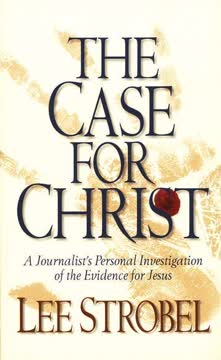
『The Case for Christ』は賛否両論の評価を受けている。本書を支持する多くのキリスト教徒は、ストロベルのジャーナリスティックな手法や学者へのインタビューを高く評価し、信仰の擁護として説得力があると感じている。彼らは本書が信念を強化し、よくある疑問に答えていると考えている。一方で批評家は、本書が偏った視点に立ち、真の懐疑的検証を欠いていると指摘する。ストロベルの無神論者であったとする経歴に疑問を呈し、論証が説得力に欠けるとする声もある。こうした批判にもかかわらず、多くの読者はキリスト教の歴史的主張を考察する刺激的な一冊として推薦している。
他の人が読んだ本







よくある質問
What's The Case for Christ about?
- Investigative Journey: The Case for Christ by Lee Strobel is an investigative work that examines the evidence for Jesus Christ's claims, focusing on his divinity and resurrection.
- Expert Interviews: Strobel, a former legal editor and atheist, interviews biblical scholars, historians, and theologians to explore the historical reliability of the New Testament and evidence for Jesus outside the Bible.
- Personal Transformation: The narrative also details Strobel's personal journey from skepticism to faith, illustrating how the evidence he uncovered led him to believe in Jesus as the Son of God.
Why should I read The Case for Christ?
- Comprehensive Evidence: The book offers a thorough examination of the evidence supporting Jesus' claims, making it a valuable resource for those interested in the historical basis of Christianity.
- Engaging Narrative: Strobel's journalistic background allows him to present complex theological and historical discussions in an accessible and engaging manner.
- Encouragement for Skeptics: For those with doubts about Christianity, Strobel's methodical approach and the credentials of the experts he interviews provide a strong foundation for understanding the claims of Christianity.
What are the key takeaways of The Case for Christ?
- Historical Reliability: The gospels are based on eyewitness testimony and are historically reliable, with evidence supporting their authenticity and accuracy.
- Resurrection Evidence: The resurrection of Jesus is presented as a well-supported historical event, with multiple eyewitness accounts and early creeds affirming its occurrence.
- Personal Faith: The book illustrates the transformative power of faith in Jesus, encouraging readers to explore their beliefs and consider the implications of the resurrection.
What are the best quotes from The Case for Christ and what do they mean?
- "The case for Christ is not just a matter of faith; it’s a matter of evidence.": This quote emphasizes that belief in Jesus should be grounded in credible evidence rather than blind faith.
- "If Christ has not been raised, your faith is futile; you are still in your sins.": Highlighting the centrality of the resurrection, this quote underscores that without it, the foundation of Christianity collapses.
- "The empty tomb, then, forms a veritable rock on which all rationalistic theories of the resurrection dash themselves in vain.": This statement emphasizes the significance of the empty tomb as a critical piece of evidence for the resurrection.
How does Lee Strobel establish the reliability of the New Testament in The Case for Christ?
- Multiple Manuscripts: Strobel discusses the vast number of New Testament manuscripts available, which are dated close to the original writings, supporting the reliability of the text over time.
- Historical Context: He emphasizes that the gospels were written within the lifetimes of eyewitnesses, allowing for immediate correction of any inaccuracies.
- Scholarly Consensus: Strobel cites various scholars who affirm the historical reliability of the New Testament, reinforcing the idea that the gospels are trustworthy sources of information about Jesus.
What types of evidence does Lee Strobel explore in The Case for Christ?
- Eyewitness Evidence: Strobel examines the reliability of eyewitness accounts of Jesus' life and ministry, discussing how the gospels were written by those who witnessed events or were closely associated with eyewitnesses.
- Documentary Evidence: The book delves into the preservation of the gospels and other early Christian writings, highlighting the abundance of manuscript evidence that supports the authenticity of the New Testament texts.
- Scientific Evidence: Strobel explores archaeological findings that corroborate biblical accounts, affirming the historical context of Jesus' life and the accuracy of the gospel narratives.
How does Lee Strobel address the skepticism surrounding the gospels in The Case for Christ?
- Engaging with Critics: Strobel presents the arguments of skeptics and addresses their concerns through interviews with scholars who provide counterarguments.
- Historical Context: He emphasizes the historical context in which the gospels were written, arguing that the authors had strong motivations to accurately report the events of Jesus' life.
- Evidence of Early Beliefs: Strobel discusses how early Christian creeds and writings reflect the beliefs of the first followers of Jesus, suggesting that these beliefs were rooted in historical events rather than later embellishments.
What evidence does Lee Strobel present for the resurrection of Jesus in The Case for Christ?
- Empty Tomb: Strobel highlights the empty tomb as a crucial piece of evidence, supported by early creeds and multiple gospel accounts.
- Eyewitness Accounts: The book details numerous post-resurrection appearances of Jesus to various individuals and groups, including the disciples and skeptics like Paul.
- Transformation of Disciples: Strobel discusses how the disciples became bold proclaimers of the resurrection, with their willingness to die for their beliefs serving as a testament to their conviction.
How does The Case for Christ address objections to the resurrection?
- Swoon Theory: Strobel interviews medical experts who explain that Jesus could not have survived the crucifixion, debunking the swoon theory.
- Hallucination Hypothesis: The book argues against the idea that the resurrection appearances were mere hallucinations, citing psychological insights that indicate such experiences are individual and not shared among groups.
- Legend Development: Strobel presents evidence that the core beliefs about the resurrection emerged within a short time frame after Jesus' death, making it unlikely for legends to have formed in the presence of eyewitnesses.
How does Lee Strobel's personal journey influence The Case for Christ?
- Skeptical Background: Strobel's journey from atheism to faith provides a relatable context for readers who may have similar doubts.
- Transformation Through Evidence: As Strobel uncovers evidence for the resurrection, he shares how it impacts his life and leads to a personal transformation.
- Invitation to Explore: Strobel's story serves as an invitation for readers to explore the evidence for themselves, illustrating that faith can be grounded in reason and evidence.
What role does archaeology play in The Case for Christ?
- Corroborative Evidence: Archaeology is presented as a means of corroborating the historical accuracy of the gospels, with findings that support the existence of places and events mentioned in the New Testament.
- Historical Context: The book highlights how archaeological discoveries provide insights into the cultural and historical context of Jesus' time, enhancing our understanding of the gospels.
- Affirmation of Claims: Strobel argues that archaeology has consistently affirmed the claims made in the gospels, reinforcing the credibility of the New Testament as a historical document.
What implications does the resurrection have for believers, according to The Case for Christ?
- Hope and Assurance: The resurrection provides believers with hope for eternal life and assurance of God's promises.
- Moral Foundation: The resurrection affirms the teachings of Jesus as divine truths that can guide moral decision-making.
- Personal Relationship: Strobel highlights that the resurrection opens the door for a personal relationship with Jesus, allowing believers to experience transformation and guidance in their lives.