重要ポイント
1. 物理学は「ウーリー」:有機的エネルギーのパターン
「ウーリー」という言葉は単なる詩的表現を超えていた。それはこの会議で生まれた物理学の最良の定義であり、私たちが本で表現しようとしていた、生きているかのような何か、物理学が無味乾燥になることを防ぐその本質を捉えていた。
物理学とは「ウーリー」である。中国語で物理学を意味する「ウーリー」は、「有機的エネルギーのパターン」と詩的に訳される。この定義は、古典的な西洋科学がしばしば見落としてきた、静的な物質や厳格な法則にとらわれない、宇宙の動的で生き生きとした性質を捉えている。物理学は単なる静止した物体の学問ではなく、活発で相互に結びついたエネルギーの流れを扱うものであることを示唆している。
無味乾燥な機械論を超えて。宇宙を巨大な機械とみなす冷たく機械的な見方とは異なり、ウーリーの視点は宇宙を本質的に生きていてエネルギッシュなものと捉える。これは、エネルギーとパターンが固体の「物質」よりも根本的であることを示す現代物理学の発見と一致する。この言葉自体が、物質とエネルギーが絡み合う世界観を暗示しており、20世紀物理学の中心的概念である。
異なる理解の道。中国語の「ウーリー」には「有機的エネルギーのパターン」「私の道」「ナンセンス」「私の考えを握る」「悟り」など多様な意味がある。これは物理学を理解する旅の豊かな比喩となっている。すなわち、個人的な視点を持ち、逆説に直面し、先入観を手放し、最終的には深い洞察や悟りに至る過程を示唆している。
2. 客観性の終焉:観測者が現実を創り出す
「参加者」という概念は量子力学がもたらした否定しがたい新しい考え方である。これは古典理論の「観測者」、すなわち厚いガラスの壁の向こう側に安全に立ち、何が起こるかをただ眺めるだけの人間というイメージを打ち砕く。量子力学はそれは不可能だと言う。
客観的現実は存在しない。古典物理学は観測者とは独立して存在する外部世界を前提とし、それを客観的に変化させずに研究できると考えた。しかし量子力学はこの神話を打ち砕く。亜原子レベルでは、観測の行為自体が観測される現実を根本的に変えてしまう。
参加者としての私たち。私たちは受動的な観測者ではなく、経験する現実を創り出す能動的な参加者である。何を測定するかの選択が、どの性質が現れるかに影響を与える。例えば、粒子の位置を測定することを選べば、その運動量を正確に知ることはできず、その逆もまた然り(ハイゼンベルクの不確定性原理)。
物理学と心理学の融合。これは「内なるもの」(意識)と「外なるもの」(物理的現実)の区別が曖昧であることを示唆する。ある解釈では、意識が量子の可能性を実現化する役割を果たすと提案されており、物理学が意識の構造そのものを研究している可能性を示している。
3. 波動・粒子二重性:どちらでもない両方である
「量子理論の中心的な謎は、『情報はどうやってそんなに速く伝わるのか?』である」とヘンリー・スタップは書いた。
光は波であり粒子でもある。実験は光が波として振る舞うこと(ヤングの二重スリット実験)と粒子として振る舞うこと(アインシュタインの光電効果)を示している。この波動・粒子二重性は、古典的な考え方ではどちらか一方でなければならないという矛盾を孕んでいる。
物質もまた波であり粒子である。ルイ・ド・ブロイは電子のような物質も波の性質を持つと提唱し、その後の電子回折実験で確認された。これにより、光子から野球のボールに至るまで、すべてにこの二重性が拡張された(ただし物質波は亜原子スケールでのみ顕著である)。
二者択一を超えて。この二重性は古典的思考の「どちらか一方」という論理を放棄させる。光(および物質)は波であるか粒子であるかのどちらかではなく、私たちの関わり方によって両方である。これらは光自体の固有の性質ではなく、私たちの光との相互作用の性質であり、現実は独立したものではなく相互作用そのものであることを示唆している。
4. 量子力学は事象ではなく確率を予測する
「量子力学は非常に印象的だ」と彼はマックス・ボルンへの手紙に書いた。「…しかし私は神がサイコロを振るとは信じていない。」
決定論の喪失。ニュートン力学が初期条件に基づいて特定の事象を予測するのに対し、量子力学は確率しか予測できない。これは不確定性原理により、粒子の位置と運動量を同時に十分正確に知ることができず、正確な未来の軌道を予測できないためである。
統計的法則。量子力学は個々の亜原子事象を支配する決定的な法則の考えを放棄し、代わりに多数の粒子の振る舞いを正確に記述する統計的法則を提供する。例えば、ある時間内に何個のラジウム原子が崩壊するかは予測できても、どの原子が崩壊するかは予測できない。
偶然が根本に。理論は根本的に個々の事象が純粋な偶然によって決定されることを示唆する。この内在的なランダム性は、宇宙を完全に決定論的に記述しようとしたアインシュタインのような物理学者にとって大きな衝撃であった。
5. 「私」の役割:私たちの選択が観測を形作る
形而上学的に言えば、私たちが特定の性質を創り出すのは、それを測定することを選ぶからだと言ってもよい。
選択が現実に影響を与える。量子力学は、観測者が何を測定するかの選択が、観測される系に現れる性質に影響を与えることを示唆する。実験を選ぶことで、現象の波か粒子かといった相補的な側面のどちらが現れるかを決めている。
相補性の実践。ニールス・ボーアの相補性の原理は、波動・粒子二重性を説明し、これらが相互に排他的でありながら必要な現象の側面であると述べる。どの側面を見るかは実験装置の選択に完全に依存し、観測者の能動的な役割を強調している。
受動的観察を超えて。これは、独立した現実から情報を受け取るだけの受動的な観測者という古典的な見方に挑戦する。意識と物理世界の深い相互関係を示唆し、私たちの意図や選択が経験する現実の形成に役割を果たす可能性を示している。
6. 相対性理論:空間と時間は絶対的ではない
これからは空間単独で、時間単独で存在することはできず、両者の結合だけが独立した現実を保つ。
普遍的な時計は存在しない。アインシュタインの特殊相対性理論は、宇宙全体で一様に流れる単一の絶対的時間は存在しないことを明らかにした。時間は観測者の運動状態に相対的であり、動いている時計は静止している観測者から見ると遅く進む。
空間と時間は一体である。特殊相対性理論は、空間と時間が別々の存在ではなく、四次元の時空という一つの織物に織り込まれていることを示す。事象は空間だけでなく時空に位置し、二つの事象間の間隔は観測者の運動に関係なく絶対的である。
見かけは相対的。長さや時間の測定は観測者の速度に依存し、速度が光速に近づくほど物体は短く見え、時間は遅く進む。これはニュートンの絶対空間・絶対時間の概念を根底から覆した。
7. 重力は力ではなく幾何学である
言い換えれば、アインシュタインの究極のビジョンによれば、「重力場」や「質量」といったものは存在せず、それらは単なる心の産物に過ぎない。
重力は歪んだ時空である。アインシュタインの一般相対性理論は、重力を遠隔作用する神秘的な力ではなく、質量やエネルギーの存在によって引き起こされる時空の曲がりや歪みとして再定義した。物体はこの曲がった時空の中で最も楽な経路(測地線)をたどる。
等価原理。等価原理は、一様な加速度と一定の重力場は区別できないと述べる。この洞察は重力が物体間の力ではなく、時空そのものの性質であることを示す鍵となった。
幾何学は物理的である。理論は、時空の幾何学が固定されたユークリッド幾何学ではなく、物質の影響を受けて動的に変化することを示す。つまり、学校で学ぶ幾何学のルールは限定的で平坦な時空領域でのみ有効であり、普遍的ではない。
8. 宇宙は物質ではなく踊るエネルギーである
言い換えれば、「物質」とは実はピントの合っていない一連のパターンに過ぎない。宇宙の究極の物質を探す試みは、それが存在しないという発見に終わる。
根本的な物質は存在しない。素粒子物理学は究極の構成要素を探求したが、還元不可能な「物質」は見つからなかった。代わりに、物質はエネルギーのパターンに溶け込み、私たちが固体として知覚するものは最も深いレベルでは一時的なエネルギーの現れである。
生成と消滅。亜原子の世界は、粒子が絶えず生成され、消滅し、変換される連続的な踊りである。粒子は静的な存在ではなく、一瞬の出来事や相互作用である。この見方は東洋の神秘思想における現実の動的かつ無常な性質と一致する。
場が根本的である。量子場理論は、現実が空間を満たす根本的な場から成り立っていることを示す。粒子はこれらの場の局所的な相互作用や励起として捉えられ、独立した物体ではない。この見方は宇宙の非物質的な本質をさらに強調する。
9. 量子論理:経験は古典的思考を超える
「ナンセンス」とは、私たちが現実に重ね合わせた既成のパターンに当てはまらないものを指す。判断する知性がなければ「ナンセンス」など存在しない。
古典論理の限界。量子力学は、分配法則(「Aかつ(BまたはC)」は「(AかつB)または(AかつC)」に等しい)に基づく日常的な論理が量子現象には適用できないことを明らかにした。偏光子の実験はこの失敗を示し、水平と垂直の偏光子の間に斜めの偏光子を挿入すると光が通るが、古典論理では不可能とされる。
経験は異なるルールに従う。これは古典論理のルールが現実そのものに固有のものではなく、特に記号や言語を用いる際に私たちが知覚に課す構造であることを示唆する。経験、すなわち「量子論理」はより寛容であり、古典論理が禁じる可能性(コヒーレントな重ね合わせ)を許す。
記号的思考を超えて。量子力学、ひいては現実そのものを理解するには、記号的で論理的な思考の限界を超える必要がある。これは「初心者の心」を持ち、確立された概念体系から見ると「ナンセンス」に見える現実をそのまま受け入れる開かれた態度を求めている。
10. 量子的連結性:非局所的な統一
量子現象は、情報が古典的な考え方に合わない方法で伝わることの明白な証拠を提供する。
EPRパラドックス。アインシュタイン・ポドルスキー・ローゼンの思考実験は、対になった粒子間の奇妙なつながりを浮き彫りにした。一方の粒子の性質を測定すると、距離に関係なく瞬時にもう一方の状態に影響を与えるように見える。
ベルの定理。J.S.ベルの数学的証明は、量子力学の統計的予測が正しいならば(実験もこれを支持する)、局所的原因の原理(ここで起こることは局所的要因のみに依存する)か「反事実的確定性」(別の選択肢も確定的な結果を持つ)という仮定のいずれかが誤りであることを示した。
非局所性か超決定論か?最も単純な結論は、現実は非局所的であり、明らかに分離した事象間に光速を超える瞬時のつながりが存在するということである。他の可能性としては、自由意志や代替可能性が存在しない過激な超決定論や、多世界解釈(すべての可能性が異なる宇宙で起こる)がある。
深遠な含意。解釈はともかく、ベルの定理は独立し局所的に相互作用する部分から成る世界という私たちの常識的な見方が根本的に誤っていることを要求する。これは宇宙の根底に深く相互に結びついた統一性が存在することを示し、すべてのものの一体性に関する神秘的な洞察と響き合
レビューまとめ
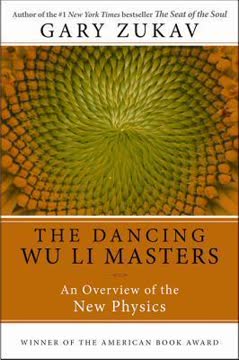
『ダンシング・ウーリ・マスターズ』は賛否両論の評価を受けた。本書は量子物理学の概念をわかりやすく解説し、東洋哲学との関連性を示すことで、多くの読者にとって知見を広げる啓発的な内容とされた。歴史的なアプローチや明快な文体も評価された。一方で、根拠の薄い飛躍的な論理展開や科学と神秘主義の境界が曖昧である点、内容がやや古くなっているとの指摘もあった。哲学的な推論が刺激的であるか誤解を招くかについては読者の間で議論が分かれた。批判はあったものの、複雑な物理学のテーマを一般向けに魅力的に紹介した点は多くの人に支持され、科学的正確性や形而上学的解釈に関しては意見が分かれたままである。
他の人が読んだ本

 イマーシブ
イマーシブ


よくある質問
1. What is Dancing Wu Li Masters by Gary Zukav about?
- Accessible overview of new physics: The book introduces quantum mechanics, relativity, and particle physics in language suitable for non-scientists, making complex ideas approachable.
- Bridging science and philosophy: Zukav connects modern physics with philosophical questions about reality, consciousness, and perception, drawing parallels with Eastern philosophies like Taoism and Buddhism.
- Metaphorical approach: The title refers to "Wu Li," a Chinese term meaning "patterns of organic energy," symbolizing the poetic and interconnected nature of the universe as revealed by new physics.
- Challenging classical assumptions: The book explores how modern physics undermines traditional notions of objectivity, separateness, and causality, inviting readers to rethink their worldview.
2. Why should I read Dancing Wu Li Masters by Gary Zukav?
- Demystifies complex science: The book translates difficult concepts in quantum mechanics and relativity into plain language, making them enjoyable and comprehensible for non-experts.
- Connects science and spirituality: Zukav bridges Western scientific discoveries with Eastern philosophical traditions, offering a holistic perspective on reality.
- Encourages intellectual openness: The narrative promotes a "beginner’s mind," urging readers to let go of fixed ideas and embrace uncertainty and paradox.
- Expands worldview: By challenging classical logic and the concept of separateness, the book invites readers to reconsider their understanding of the universe and their place within it.
3. What are the key takeaways from Dancing Wu Li Masters by Gary Zukav?
- Reality is interconnected: Modern physics reveals a universe where everything is fundamentally connected, echoing Eastern philosophies of unity and oneness.
- Limits of objectivity: The observer plays a crucial role in shaping reality, challenging the idea of an independent, objective universe.
- Science and mysticism converge: The book shows surprising parallels between quantum physics and mystical traditions, suggesting that both point toward a deeper, holistic understanding of existence.
- Language and models are limited: Scientific theories and symbols are useful but cannot fully capture the richness of direct experience or ultimate reality.
4. What is the significance of the "Wu Li" metaphor in Dancing Wu Li Masters?
- Multiple meanings: "Wu Li" translates to "patterns of organic energy," "my way," "nonsense," "I clutch my ideas," and "enlightenment," reflecting the multifaceted nature of physics and perception.
- Physics as a dance: The metaphor portrays physicists as Wu Li Masters who engage in a creative, ever-evolving dance with the universe, rather than simply manipulating equations.
- Bridging East and West: The Wu Li metaphor connects ancient Chinese philosophical views with modern physics, highlighting a convergence of scientific and mystical understandings.
- Teaching essence, not facts: The metaphor encourages approaching each lesson as if for the first time, focusing on the essence rather than rote memorization.
5. How does Dancing Wu Li Masters by Gary Zukav explain the difference between old physics and new physics?
- Old physics (Newtonian): Assumes an objective reality independent of observers, governed by deterministic laws that predict exact outcomes.
- New physics (quantum and relativity): Reveals a probabilistic, observer-dependent universe where space and time are relative, not absolute.
- Philosophical shift: The new physics challenges the mechanistic, clockwork view of the universe, suggesting a more interconnected and participatory reality.
- Impact on worldview: This shift invites readers to reconsider fundamental assumptions about causality, objectivity, and the nature of existence.
6. What are the main concepts of quantum mechanics explained in Dancing Wu Li Masters?
- Wave-particle duality: Light and matter exhibit both wave-like and particle-like properties, depending on how they are observed, a paradox resolved by the concept of complementarity.
- Uncertainty principle: Heisenberg’s principle states that certain pairs of properties, like position and momentum, cannot both be known precisely at the same time, limiting predictability.
- Wave function and probability: The Schrödinger equation describes the evolution of a system’s wave function, representing all possible states and their probabilities.
- Measurement problem: The act of measurement collapses the wave function from many possibilities to a single actuality, raising questions about the role of the observer.
7. How does Dancing Wu Li Masters by Gary Zukav explain the role of the observer in quantum physics?
- Observer effect: Measurement affects the system being observed; the observer cannot be separated from the observed in quantum mechanics.
- Creation of reality: Reality is co-created through our interactions and intentions, blurring the distinction between "in here" and "out there."
- Complementarity and subjectivity: Wave-like and particle-like behaviors are not intrinsic properties but depend on how we interact with the system, highlighting the subjective aspect of physical phenomena.
- No independent reality between measurements: According to the Copenhagen Interpretation, reality is defined by observed events, not by what happens between measurements.
8. How does Dancing Wu Li Masters by Gary Zukav relate physics to Eastern philosophies like Buddhism and Taoism?
- Unity and interconnectedness: The book draws parallels between quantum physics’ view of reality as an interconnected dance of energy and Eastern concepts of undifferentiated reality.
- Illusion of separateness: Both physics and Eastern thought question the reality of separate, independent entities, emphasizing that distinctions are mental constructs or illusions.
- Paradoxes and koans: Quantum paradoxes are likened to Zen koans, which are designed to transcend ordinary logic and provoke insight.
- Limits of language: Both traditions recognize that language and symbols are limited in describing reality, advocating for direct experience as a way to grasp the true nature of existence.
9. What is Bell’s theorem and why is it important in Dancing Wu Li Masters by Gary Zukav?
- Challenge to locality: Bell’s theorem mathematically proves that if quantum mechanics is correct, then the principle of local causes (no influence faster than light) must be false.
- Experimental confirmation: Experiments have confirmed quantum predictions, supporting the idea of nonlocality or instantaneous connections between distant particles.
- Implications for reality: Bell’s theorem forces a reconsideration of assumptions like free will, causality, and the nature of reality itself.
- Connection to mysticism: The theorem’s implications of deep interconnectedness resonate with mystical experiences of unity and may provide a scientific framework for phenomena previously dismissed by mainstream science.
10. How does Dancing Wu Li Masters by Gary Zukav explain the nature of subatomic particles and the "particle zoo"?
- Particles as energy patterns: Subatomic particles are not solid objects but transient patterns of energy and field interactions, constantly created and annihilated.
- Indistinguishability and quantum numbers: Particles of the same type are indistinguishable and defined by properties like mass, charge, and spin, but lack individuality.
- Virtual particles and forces: Forces arise from the exchange of virtual particles, mediating interactions without action-at-a-distance.
- Limitations of classical concepts: Quantum theory reveals that particles have no independent existence apart from their interactions and measurements.
11. What is the role of the wave function and quantum logic in understanding quantum mechanics according to Dancing Wu Li Masters by Gary Zukav?
- Wave function as potentiality: The wave function represents a superposition of all possible outcomes, evolving deterministically until measurement causes its collapse.
- Limits of classical logic: Classical logic fails in quantum phenomena; quantum logic better reflects the nature of experience and quantum reality.
- Quantum logic vs. classical logic: Quantum logic accommodates coherent superpositions, challenging traditional "either-or" reasoning.
- Language and experience: The book emphasizes that mathematical constructs cannot fully capture experience, and quantum logic points toward a more accurate understanding of reality’s structure.
12. What are the most profound philosophical and spiritual insights from Dancing Wu Li Masters by Gary Zukav?
- Unity of all things: Everything is a manifestation of the same undifferentiated reality, echoing Buddhist and Taoist teachings on oneness and emptiness.
- Limits of knowledge and language: Scientific theories are models that work but do not capture ultimate truth; symbols and concepts are limited tools for understanding experience.
- Dance of creation and annihilation: The subatomic world is a continuous dance of creation and destruction, paralleling Eastern images like the wheel of life and the dance of Shiva.
- Toward a new science: The book suggests that science is evolving toward a new form of understanding that integrates physics, consciousness, and spirituality into a holistic worldview.