
重要ポイント
1. ワイコフ・メソドロジー:市場構造とサイクルの理解
「金融市場は生き物のようなもので、買い手と売り手の絶え間ない相互作用によって常に変化している。」
市場サイクルと構造。 ワイコフ・メソドロジーは、価格と出来高の分析を通じて市場の動きを理解するための枠組みを提供する。市場サイクルには主に四つのフェーズがあり、それぞれ蓄積期、上昇トレンド期、分配期、下降トレンド期と呼ばれる。これらのフェーズは、大口の情報を持つトレーダー(強い手)と情報の少ないトレーダー(弱い手)の行動によって形成される。
主要な要素:
- 様々な大きさの波動による価格変動
- 強気、弱気、横ばいのトレンド
- 蓄積と分配のトレーディングレンジ
- フェーズ間の性格変化(Change of Character:ChoCh)
これらの構造を理解することで、トレーダーは潜在的な転換点を見極め、市場の主導的な力に沿った取引を行うことが可能になる。
2. 三つの基本法則:需給、原因と結果、努力と成果
「原因と結果の法則は、結果が生じるためにはまずそれを引き起こす原因が存在し、その結果は原因に比例することを示している。」
市場分析の基盤。 ワイコフ・メソドロジーは、市場の動きを支配する三つの基本法則に基づいている。
- 需給の法則:価格変動は買い圧力と売り圧力の不均衡によって生じる。
- 原因と結果の法則:価格変動はそれに先立つ準備(原因)に比例する。
- 努力と成果の法則:出来高(努力)は価格の動き(成果)を裏付けるべきである。
これらの法則は、市場の動きを論理的に解釈し、将来の動向を予測するための枠組みを提供する。法則間の相互作用を理解することで、トレーダーは市場の方向性や転換点についてより的確な判断ができる。
3. 蓄積と分配:市場のキャンペーンを見極める
「蓄積過程では、大口トレーダーが極端な弱さの環境を作り出す。」
プロのトレーダーの戦術。 蓄積と分配は、大口トレーダーが計画的にポジションを構築または解消する過程である。これらのキャンペーンは多くの場合トレーディングレンジ内で行われ、その後のトレンドの基盤を形成する。
主な特徴:
- 蓄積:供給の吸収により将来の上昇の土台を作る
- 分配:需要の吸収により将来の下降の準備をする
- 操作的手法:弱さや強さの偽装を行う
- テスト:供給や需要の水準を探る試み
これらの過程を認識することで、トレーダーはプロのトレーダーと同じ方向に立ち、大きな市場の動きを予測できる。
4. 市場構造の五つのフェーズ:トレンドの停止から新たな動きへ
「フェーズ分析は蓄積と分配のプロセスを構造化し、市場の全体的な文脈を提供してくれる。」
構造的枠組み。 ワイコフ・メソドロジーは市場構造を五つの明確なフェーズに分けている。
- フェーズA:前のトレンドの停止
- フェーズB:原因の構築
- フェーズC:テスト
- フェーズD:レンジ内のトレンド
- フェーズE:レンジ外のトレンド
各フェーズには特有の特徴や出来事があり、トレーダーはこれらを通じて市場がどの段階にあるかを把握できる。この枠組みは取引判断の背景を示し、将来の市場動向を予測する助けとなる。
5. 市場構造における重要な出来事:重要な価格変動の識別
「シェイキングはすべてのワイコフ・トレーダーが待ち望む重要な出来事である。」
重要な市場の動き。 ワイコフ・メソドロジーは、需給の重要な変化を示す市場構造内のいくつかの主要な出来事を特定している。
- 予備的な支持/供給(Preliminary Support/Supply)
- クライマックス(売り/買い)
- 自動反発/反応(Automatic Rally/Reaction)
- セカンダリーテスト(Secondary Test)
- スプリング/アップスラスト(Spring/Upthrust)
- 強さ/弱さの兆候(Sign of Strength/Weakness)
- 最終支持/供給点(Last Point of Support/Supply)
これらの出来事を理解することで、トレーダーは潜在的な転換点や高確率の取引機会を見極められる。各イベントは買い手と売り手の力関係や今後の市場方向性を示唆している。
6. 取引戦略:市場構造分析を活かす
「私たちの取引や投資の判断は、チャートの裁量的読解において最も重要と考える三つの要素、すなわち文脈、構造、取引エリアに基づく。」
戦略的アプローチ。 ワイコフ・トレーダーは主に三つの取引エリアに注目する。
- フェーズC:潜在的なシェイクアウトやテスト
- フェーズD:レンジ内のトレンド動きとブレイクアウトのテスト
- フェーズE:トレンドの継続および再蓄積/再分配
取引戦略は以下を中心に構築される。
- 現在の市場構造とフェーズの特定
- 重要な出来事や価格変動のシグナルの認識
- 支配的なトレンドおよびより大きな時間軸の文脈に沿った取引
- 出来高分析による価格動向の裏付け
これらの原則に従うことで、トレーダーはリスク・リワードのバランスが良い高確率のセットアップを見つけることができる。
7. リスク管理とポジションサイズ:資本保護と利益最大化
「適切なリスク管理を行う非常に有効な方法は、エントリーレベルとストップロスレベルの距離に基づいてポジションサイズを計算することである。」
資本の保全。 効果的なリスク管理は長期的な取引成功に不可欠である。主な原則は以下の通り。
- 取引ごとの固定リスク(例:口座資金の1%)
- ストップロスの距離に基づくポジションサイズの調整
- 有利なリスク・リワード比率(最低1:1、理想はそれ以上)
- 市場構造に基づく明確なストップロスと利益確定レベルの設定
適切なリスク管理により、一回の取引で口座全体に大きな影響を与えることを防ぎ、安定した収益を継続的に得ることが可能となる。
8. 出来高分析:市場参加と関心の解釈
「出来高は取引された株式(株、単位、契約)の量を示す。大口トレーダーが銘柄に関心を持つと、その出来高に反映される。」
出来高の洞察。 出来高分析はワイコフ・メソドロジーの基盤であり、市場参加者の関心や活動を把握するための重要な手法である。主な概念は以下の通り。
- 価格変動の出来高による裏付け
- クライマックス出来高が示す反転の可能性
- 出来高の枯渇が示す関心の低下
- 出来高スプレッド分析(VSA)技術
価格動向と出来高を組み合わせて解釈することで、市場の動きの確信度を測り、転換点をより正確に特定できる。
9. 文脈が王様:大きな市場構造に沿った取引
「文脈に関する重要なルールは明確である。より大きな構造に有利な方向で取引せよ。」
全体的視点。 市場の文脈を理解することは成功する取引に不可欠である。これには以下が含まれる。
- 複数の時間軸の分析
- 上位時間軸での支配的トレンドの特定
- 現在の市場構造のフェーズの認識
- より大きな市場方向に沿った取引の実行
広い市場文脈を考慮することで、支配的なトレンドに逆らうことを避け、個々の取引の成功確率を高めることができる。
10. 価格アクションの力:市場の言語を読む
「重要なバーの概念は非常に重要である。性格変化を観察するとき、我々はおそらくその反転バーを見ることになるからだ。」
市場のコミュニケーション。 価格アクションは市場の主要な言語であり、買い手と売り手の継続的な戦いを示している。ワイコフ・メソドロジーにおける主要な価格アクションの概念は以下の通り。
- 重要なバー:広いレンジ、高い出来高、極端近くでの終値
- 性格変化(ChoCh):市場行動の転換
- テスト:異なる特徴を持つ過去の水準への価格の再訪
- シェイクアウト:トレーダーを罠にかけるための偽のブレイクアウト
価格アクションの読み取りに熟達することで、トレーダーは市場の意図をより正確に解釈し、より良い取引判断を下せるようになる。
レビューまとめ
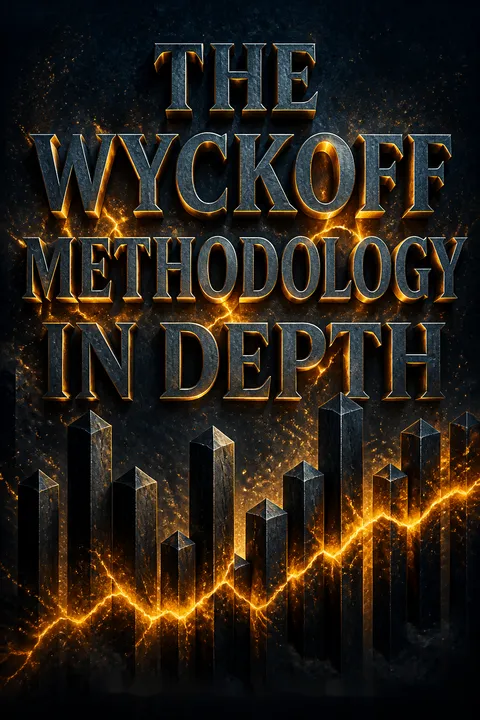
『The Wyckoff Methodology in Depth』は評価が分かれており、総合評価は5点満点中3.99である。本書は市場構造やワイコフの原理を詳細に解説しており、オペレーターの行動に関する豊富な情報と洞察が読者から高く評価されている。一方で、内容の反復や英語表現の不備、明確な指針の欠如を指摘する声もある。概念を十分に理解するためには複数回の読書が必要と感じる読者が多い。市場の動きを理解するための優れた資料とする意見がある一方で、実践的な応用や市場フェーズの区別において明瞭さを欠くとの評価も見られる。
他の人が読んだ本







よくある質問
What's "The Wyckoff Methodology in Depth" about?
- Overview: "The Wyckoff Methodology in Depth" by Rubén Villahermosa is a comprehensive guide on trading financial markets using the Wyckoff Method, a technical analysis approach.
- Focus: The book emphasizes logical trading strategies based on the principles of supply and demand, cause and effect, and effort and result.
- Structure: It is divided into parts that cover market movements, the Wyckoff Method, fundamental laws, accumulation and distribution processes, events, phases, trading strategies, and case studies.
- Purpose: The book aims to equip traders with the knowledge to interpret market actions and make informed trading decisions.
Why should I read "The Wyckoff Methodology in Depth"?
- In-depth Analysis: The book provides a detailed exploration of the Wyckoff Method, making it suitable for traders seeking to deepen their understanding of market dynamics.
- Practical Application: It offers practical insights and strategies that can be applied to real-world trading scenarios, enhancing decision-making skills.
- Comprehensive Coverage: With its structured approach, the book covers everything from basic concepts to advanced trading techniques, making it a valuable resource for both beginners and experienced traders.
- Author's Expertise: Rubén Villahermosa brings his extensive knowledge and experience in technical analysis and trading strategies to the book, providing readers with credible and actionable insights.
What are the key takeaways of "The Wyckoff Methodology in Depth"?
- Market Movements: Understanding how markets move through waves, price cycles, and trends is crucial for effective trading.
- Wyckoff Method: The methodology involves analyzing market structures, fundamental laws, and the processes of accumulation and distribution.
- Trading Strategies: The book emphasizes the importance of context, structures, and trading areas in making informed trading decisions.
- Case Studies: Real-world examples illustrate the application of the Wyckoff Method, providing practical insights into its effectiveness.
What is the Wyckoff Method according to Rubén Villahermosa?
- Technical Analysis Approach: The Wyckoff Method is a technical analysis approach that focuses on understanding market movements through the principles of supply and demand.
- Three Fundamental Laws: It is based on the laws of supply and demand, cause and effect, and effort and result, which help traders interpret market actions.
- Market Structures: The method involves analyzing market structures such as accumulation and distribution to predict future price movements.
- Flexibility and Objectivity: The Wyckoff Method combines flexibility in analyzing market conditions with objective principles to guide trading decisions.
How do markets move according to "The Wyckoff Methodology in Depth"?
- Wave Patterns: Markets move in waves of different sizes, which are not random but reflect the underlying supply and demand dynamics.
- Price Cycles: The market follows a cycle of accumulation, uptrend, distribution, and downtrend, which traders can use to identify trading opportunities.
- Trend Analysis: Trends are categorized into bullish, bearish, and lateral, and understanding these trends is key to trading in harmony with the market.
- Trend Assessment: Tools such as strength/weakness analysis and lines help traders assess the health of trends and make informed decisions.
What are the three fundamental laws in the Wyckoff Method?
- Law of Supply and Demand: This law states that price movements are determined by the balance between supply and demand, with prices rising when demand exceeds supply and falling when supply exceeds demand.
- Law of Cause and Effect: It suggests that market movements are the result of a cause, such as accumulation or distribution, and the effect is the subsequent trend.
- Law of Effort and Result: This law emphasizes the relationship between volume (effort) and price movement (result), with harmony indicating trend continuation and divergence suggesting a potential reversal.
What is the process of accumulation and distribution in the Wyckoff Method?
- Accumulation: This process involves large traders absorbing available stock from the market, creating a base for a future uptrend.
- Distribution: In contrast, distribution involves large traders selling stock, leading to a market top and a subsequent downtrend.
- Characteristics: Accumulation is characterized by decreasing volume and volatility, while distribution shows high volume and volatility.
- Market Control: Understanding these processes helps traders identify when the market is controlled by buyers or sellers, guiding their trading decisions.
What are the key events in the Wyckoff Method?
- Preliminary Stop: The first attempt to halt a trend, indicating a potential market turn.
- Climax: The culmination of a trend, marked by a significant volume and price movement.
- Reaction: A movement in the opposite direction, signaling a change in market sentiment.
- Test: An evaluation of market commitment, confirming the presence or absence of interest in a particular direction.
- Shaking: A deceptive move to expel weak traders, often preceding a trend movement.
How are phases used in the Wyckoff Method?
- Phase A: Stops the previous trend and returns the market to a state of balance.
- Phase B: Builds the cause for the subsequent effect, involving stock absorption or distribution.
- Phase C: Tests the market's commitment, often involving a shakeout or upthrust.
- Phase D: Initiates the trend movement within the range, confirming the direction.
- Phase E: Represents the trend movement out of the range, driven by the imbalance created in previous phases.
What trading strategies are recommended in "The Wyckoff Methodology in Depth"?
- Contextual Trading: Emphasizes trading in favor of the larger structure and avoiding trades on the wrong side of the market.
- Structure Analysis: Focuses on understanding market structures to identify potential trading opportunities.
- Trading Areas: Identifies key trading areas that act as price magnets, providing liquidity for large traders.
- Primary Positions: Recommends trading in specific phases and events, such as Phase C (shakeout), Phase D (trend within range), and Phase E (trend out of range).
What are some of the best quotes from "The Wyckoff Methodology in Depth" and what do they mean?
- "The price does not move between two points in a straight line; it does so in a wave pattern." This quote emphasizes the importance of understanding wave patterns in market movements.
- "A cycle is considered to be complete when all stages of the cycle are observed: accumulation, uptrend, distribution, and downtrend." It highlights the cyclical nature of markets and the need to recognize these stages for effective trading.
- "The Wyckoff method has passed the test of time." This underscores the enduring relevance and effectiveness of the Wyckoff Method in trading.
- "The key to everything is in the types of orders that are executed." This quote points to the significance of understanding order types and their impact on market movements.
How does "The Wyckoff Methodology in Depth" apply to real-world trading scenarios?
- Case Studies: The book includes case studies of various financial instruments, such as the S&P500, Bitcoin, and currency pairs, demonstrating the application of the Wyckoff Method.
- Practical Insights: These examples provide practical insights into how the methodology can be used to analyze market conditions and make informed trading decisions.
- Market Fractality: The book illustrates the concept of market fractality, showing how similar structures and patterns appear across different time frames and assets.
- Adaptability: The Wyckoff Method's adaptability to various market conditions and instruments is highlighted, reinforcing its value as a versatile trading approach.
PDFをダウンロード
EPUBをダウンロード
.epub digital book format is ideal for reading ebooks on phones, tablets, and e-readers.








































