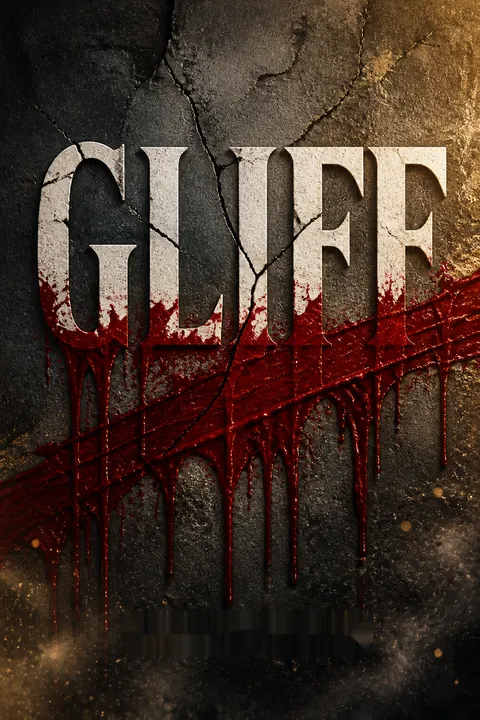
줄거리 요약
출발과 위장
어느 날, 두 남매 브라이어와 로즈는 어머니가 일하는 호텔에 남겨진다. 이 세상에서는 빨간 페인트로 표시된 이들이 쓸모없음으로 낙인찍히는 현실 속에서, 오빠 레이프는 캠핑카를 몰고 남매를 데리고 떠난다. 그는 어머니를 데리러 반드시 돌아오겠다고 약속한다. 집이 철거 대상이 된 이 세계에서, 남매는 스스로를 지키며 임시 거처를 찾아 나선다. 그들은 자신들이 잠시 머무는 존재임을 인정하며, 냉혹한 현실과 마주한다.
임시 피난처
버려진 집에서 임시로 몸을 숨긴 남매는 통조림 음식과 어머니가 돌아오리라는 희망에 의지해 살아간다. 그곳에서 콜론이라는 소년을 만나는데, 그는 그들의 처지에 호기심을 보인다. 남매는 집과 정체성의 의미를 고민하며, 끊임없이 변하는 세상 속에서 평범함을 유지하려 애쓴다.
확인할 수 없는 만남
브라이어와 로즈는 버려진 학교에 사는 ‘확인 불가자’ 무리와 마주한다. 그들 중에는 현명한 노인 우나가 있어 남매의 멘토가 된다. 이야기가 가진 힘과 공동체의 중요성을 배우며, 지워지려는 세상에서 정체성과 소속의 복잡함을 헤쳐 나간다.
집 안의 말
남매는 글리프라는 말을 얻게 되고, 그것은 자유와 저항의 상징이 된다. 학교에 말을 숨기며, 그 존재는 공동체에 희망과 호기심을 불러일으킨다. 소유와 정체성의 경계를 넘나들며, 남매는 자신을 넘어선 무언가를 돌보는 법을 배운다.
탈출과 추격
빨간 페인트로 모든 것을 표시하는 당국의 추격이 다가오자, 남매와 글리프는 과감한 탈출을 감행한다. 감시와 통제로 가득한 땅을 지나 자연 속으로 피신하며, 그들의 여정은 경계를 넘어서는 인간 정신의 회복력을 증명한다.
숭고함과 일상
남매는 울리아나를 만나 숭고함에 대해 배운다. 평범함과 두려움 속에서 발견하는 경이로운 아름다움이다. 예술과 자연을 통해 세상을 새롭게 바라보며, 혼돈 속에서도 은총의 순간을 찾는다. 이 장은 비범함과 평범함 사이의 긴장과 예술이 인식을 변화시키는 방식을 탐구한다.
혁명의 재
이야기 속 또 다른 이야기는 보이지 않는 것과 말하지 않는 것의 힘을 드러낸다. 폭군은 상대의 재에 시달리며, 그것은 저항과 진실의 불멸의 상징이 된다. 이 우화는 기억과 유산, 침묵을 거부하는 불굴의 정신을 강조한다.
꿈과 현실
브라이어는 현실과 상상의 경계를 흐리는 꿈과 씨름한다. 꿈은 반성과 변화를 위한 공간이 되며, 두려움과 욕망에 맞서는 장이 된다. 이 장은 인물들의 심리적 풍경을 탐구하며, 꿈이 통찰과 치유를 제공하는 방식을 보여준다.
폭군의 두려움
남매의 여정과 병행해 폭군의 이야기가 펼쳐진다. 그는 자신의 두려움에 무너지고, 통제와 파괴 시도는 결국 무의미해진다. 보이지 않는 것과 말하지 않는 것의 힘이 승리하는 이 장은 권력의 본질과 그것을 거부하는 자들의 저항 방식을 조명한다.
새로운 시작
과거의 굴레에서 벗어난 남매는 새로운 여정을 시작한다. 배운 교훈과 맺은 인연을 따라 미지의 세계를 받아들이며, 이 장은 회복력과 희망, 인간 정신이 새 출발을 만들어내는 힘을 축하한다.
등장인물
브라이어
강인하면서도 내성적인 맏이 브라이어는 동생 로즈를 보호하며 자신들을 지우려는 세상과 맞선다. 정체성과 소속, 이야기가 현실을 형성하는 힘을 고민하며, 확인 불가자들과의 만남을 통해 공동체와 취약함 속에서 찾는 힘을 배운다.
로즈
호기심 많고 상상력이 풍부한 동생 로즈는 이야기의 추진력이다. 글리프와의 연결은 자유에 대한 갈망과 표면 너머를 보는 능력을 상징한다. 성장과 자립의 여정을 거치며, 종종 과소평가되는 세상을 헤쳐 나간다.
레이프
남매의 오빠 레이프는 어머니가 남겨진 뒤 보호자의 역할을 맡는다. 그의 출발은 남매의 여정을 촉발하며, 부재는 그들의 성장을 이끄는 계기가 된다. 가족에 대한 책임과 미지에 대한 욕망 사이에서 갈등하는 인물이다.
우나
확인 불가자 공동체의 현명한 노인 우나는 브라이어와 로즈의 멘토가 된다. 그녀의 지혜와 친절은 안정과 희망을 제공하며, 이야기가 가진 힘과 공동체의 중요성을 가르친다. 침묵을 거부하는 이들의 불굴의 힘을 대표한다.
콜론
농장에서 온 소년 콜론은 남매의 여정에 휘말린다. 그의 호기심과 순진함은 정체성과 소속의 복잡함을 마주하는 순간에 가벼움과 통찰을 더한다. 세상이 정의하고 통제하려는 가운데 청춘의 순수함과 회복력을 보여준다.
글리프
남매에게 자유와 저항의 상징이 된 말 글리프는 소유와 정체성의 경계를 도전한다. 자신을 넘어선 존재를 돌보며 변화를 촉진하는 역할을 한다. 자연의 힘이 인간의 한계를 초월하는 주제를 담고 있다.
울리아나
철학자이자 미술사가인 울리아나는 남매에게 숭고함을 가르친다. 예술과 자연에 대한 통찰은 세상을 이해하는 틀을 제공하며, 평범함과 두려움 속에서 아름다움을 발견하도록 이끈다. 예술의 변혁적 힘과 인식 형성 방식을 대표한다.
폭군
두려움 많고 통제적인 폭군은 결국 무력해지는 인물이다. 그의 이야기는 권력의 본질과 그것을 거부하는 자들에 의해 전복되는 방식을 경고한다. 두려움, 통제, 진실의 불멸의 힘을 주제로 한다.
아이샤 팔콘
체제의 생존자인 아이샤 팔콘은 브라이어의 여정과 교차한다. 그녀의 회복력과 저항은 억압적 힘에 맞서는 대조를 이루며, 지워지려는 세상에서 희망과 변화를 상징한다.
플롯 장치
빨간 페인트
가정과 사람들을 표시하는 빨간 페인트는 당국이 보는 쓸모없음의 상징이다. 통제와 억압의 표식으로, 남매는 존재가 끊임없이 위협받는 세상을 헤쳐 나간다. 권력 관계와 외부 힘에 의해 정의되는 개인의 모습을 시각적으로 드러낸다.
말
글리프라는 말은 자유와 저항의 구현체다. 소유와 정체성의 경계를 넘나들며, 남매는 자신을 넘어선 존재를 돌보는 법을 배운다. 변화를 촉진하는 매개체로서, 제약과 정의를 거부하는 세상을 상징한다.
숭고함
울리아나가 가르친 숭고함은 아름다움과 공포 사이의 긴장을 탐구한다. 예술과 자연이 인식을 변화시키는 방식을 통해, 남매는 혼돈 속에서도 은총의 순간을 발견한다.
꿈
꿈은 현실과 상상의 다리 역할을 하며, 인물들에게 통찰과 치유를 제공한다. 브라이어가 두려움과 욕망에 맞서며 내면을 탐구하는 공간이다. 잠재의식이 현실을 형성하는 방식을 보여준다.
우화
폭군과 재의 우화는 권력과 저항에 대한 경고 이야기다. 기억과 유산, 침묵을 거부하는 불굴의 정신을 강조하며, 책의 광범위한 주제를 이해하는 서사적 틀을 제공한다.
분석
"글리프"는 정체성과 소속, 저항을 깊이 탐구한 작품이다. 브라이어와 로즈의 여정을 통해 자기 발견의 복잡성과 이야기가 현실을 형성하는 힘을 다룬다. 확인 불가자들과의 만남은 공동체와 취약함 속에서 찾는 힘의 중요성을 부각한다. 우화와 상징을 통해 권력과 저항의 주제를 강조하며, 감시와 통제의 풍경을 헤쳐 나가는 인물들의 모습을 그린다. 궁극적으로 "글리프"는 회복력과 희망, 인간 정신이 새 출발을 만들어내는 불멸의 힘을 찬미하는 작품이다.
자주 묻는 질문
Synopsis & Basic Details
What is Gliff about?
- A Displaced Childhood Journey: Gliff follows siblings Briar and Rose after their mother is left working at a hotel and their brother, Leif, takes them on a journey in a campervan. Their initial home is mysteriously marked with red paint, forcing them into a nomadic existence.
- Navigating a Shifting Reality: The children seek temporary shelter in an abandoned house and later a disused school, encountering a society that labels people "unverifiable" and uses surveillance and control to enforce conformity. Their quest for their mother becomes a broader search for belonging and understanding in a world that constantly redefines itself.
- Finding Freedom and Connection: Amidst uncertainty, they form unexpected bonds with other "unverifiables" and adopt a horse named Gliff, which becomes a powerful symbol of freedom and resistance. The narrative explores their resilience, their evolving relationship, and their attempts to find meaning and agency against oppressive forces.
Why should I read Gliff?
- Masterful Linguistic Play: Ali Smith's Gliff offers a unique reading experience through its innovative use of language, wordplay, and shifting narrative perspectives, inviting readers to actively engage with the text's multiple layers of meaning. The exploration of words like "render" and "gliff" itself becomes a thematic journey.
- Profound Thematic Exploration: The novel delves into timely themes of displacement, surveillance, environmental degradation, and the nature of truth and power, all filtered through the innocent yet perceptive eyes of children. It challenges readers to consider what it means to be "verifiable" in a controlled society.
- Emotional Resonance and Hope: Despite its often bleak backdrop, Gliff is imbued with moments of profound human connection, resilience, and unexpected joy, particularly through the bond between the siblings and their connection to the natural world, offering a powerful message of enduring hope.
What is the background of Gliff?
- A Near-Future Dystopian Society: The story is set in a contemporary or near-future world where societal control is exerted through subtle means like red paint markings and "unverifiable" designations, reflecting anxieties about data, surveillance, and social exclusion. The "supera bounder" machine, for instance, is a tool of this control.
- Environmental and Social Decay: The narrative hints at widespread environmental issues ("summers got fucked," "floodings," "polluted" rivers) and a fragmented social landscape where communities are displaced and traditional forms of knowledge (like libraries) are devalued. The weedkiller conglomerate story highlights corporate disregard for life.
- Intertextual and Philosophical Underpinnings: Smith weaves in references to historical figures (Kafka, Stubbs), philosophical concepts (the sublime), and cultural touchstones (old songs, cave art), grounding the contemporary narrative in a rich tapestry of human thought and history, as seen in the epigraphs and Ulyana's discussions.
What are the most memorable quotes in Gliff?
- "The history of mankind is the instant between two strides taken by a traveller.": This epigraph from Franz Kafka sets a profound tone for Gliff, emphasizing the transient, liminal nature of human existence and the constant state of journeying that defines the characters' lives. It underscores the theme of impermanence and the fleeting moments that constitute history.
- "You've named him a word that doesn't just mean so many things, it can also mean all of them and none of them at once.": Briar's realization about the word "Gliff" encapsulates the novel's core linguistic and thematic ambition, highlighting the polysemous nature of language and the freedom found in embracing ambiguity and multiplicity of meaning. It reflects the idea that true identity transcends fixed definitions.
- "His opponent is everywhere. His opponent is everything.": This line from the "Tyrant and the Ash" story, recounted by Ayesha Falcon, powerfully articulates the novel's central message about the indomitable nature of truth and resistance. It suggests that true power lies not in control or destruction, but in the pervasive, uncontainable spirit of defiance that can manifest in every aspect of existence.
What writing style, narrative choices, and literary techniques does Ali Smith use?
- Fluid, Associative Narrative: Smith employs a stream-of-consciousness style, particularly through Briar's internal monologue, allowing thoughts, memories, and observations to flow associatively, blurring the lines between past and present, and external reality and internal perception. This is evident in Briar's reflections on the "sleepers" or the "render" definition.
- Interweaving Stories and Allegories: The novel's structure is non-linear, interspersing the main narrative with allegorical tales (like "The Tyrant and the Ash" or the horse-headed baby story) and philosophical discussions, enriching the thematic depth and offering multiple lenses through which to interpret the characters' experiences. These stories often mirror or comment on the main plot.
- Wordplay and Semantic Exploration: A hallmark of Smith's style, Gliff extensively uses wordplay, puns, and deep dives into the etymology and multiple meanings of words ("gliff," "render," "sublime," "unverifiable"). This technique not only entertains but also underscores the novel's themes about language's power to shape reality and perception, as seen in Briar's dictionary explorations.
Hidden Details & Subtle Connections
What are some minor details that add significant meaning?
- The Rogie Dog's Disappearance: The brief anecdote about Rogie, the stray dog who "moved on," subtly foreshadows the transient nature of relationships and homes in the children's lives, and the idea that some connections, though temporary, leave a lasting warmth ("kept his warmth still in it for a while after he jumped off"). It introduces the theme of unexpected departures and the resilience required to adapt.
- The Keyring Photo's Ambiguity: The photo of "somebody else's children" on the house keys, initially a simple detail, evolves into a symbol of lost domesticity and the unsettling nature of identity in a digital age. Briar's contemplation of whether these children are "real" or "AI" ("invented by a computer collating thousands of digital images") highlights the novel's concern with authenticity and the blurring lines between genuine and fabricated realities.
- The "Feathers" on Horse's Legs: The station man's casual remark about the "feathers" (long hair) on the horse's legs, "Horses have feathers," is a small detail that adds a touch of unexpected magic and wonder to the mundane. It subtly connects the horse to mythical creatures like Pegasus, reinforcing its symbolic role as a creature of freedom and transcendence, even in a harsh reality.
What are some subtle foreshadowing and callbacks?
- Mother's "Render Us Temporary": Briar overhears their mother discussing how a group "decides to [ ] another group of people it's usually to show off their power... And if [ ] can be made to feel, as you put it, temporary." This conversation directly foreshadows the red paint marking and the "unverifiable" status, revealing the systemic intent behind their displacement long before it's fully understood by the children.
- The "Supera Bounder" Machine's Flaws: Briar's observation that the "supera bounder" machine "looked like an invention made by an amateur for a joke" and their successful act of tipping it over foreshadows the inherent fragility and ultimate fallibility of the oppressive system. It suggests that even seemingly powerful tools of control can be easily disrupted by simple, unexpected acts of defiance.
- The "Horse" First Word: Rose's first spoken word, "Horse," years before the main narrative, is a powerful callback that subtly foreshadows her deep, intuitive connection to Gliff and her role as the horse's primary caretaker and liberator. It establishes her innate affinity for animals and her unique perception of the world, setting the stage for their later bond.
What are some unexpected character connections?
- Oona's Past as a Librarian: Oona, the wise elder, reveals her "first employment" was as a librarian in the very school building they inhabit. This unexpected detail connects her deeply to the preservation of knowledge and stories, making her role as a mentor who values "real realities" and linguistic exploration more profound, linking her to the enduring power of literature against systemic erasure.
- Ayesha Falcon's Sister-like Resemblance: Ayesha Falcon's immediate recognition of Briar as "the image of your sister" creates a startling, almost uncanny connection, suggesting a shared lineage of resilience and defiance. This bond, though not familial, implies a spiritual kinship among those who resist the system, and it deeply unsettles Briar, forcing a confrontation with their own suppressed identity.
- Colon's Unwitting Complicity and Redemption: Colon, initially a naive "Designated Data Collector slash Strangers," becomes an unexpected ally. His gradual shedding of his "educator" and his eventual act of trying to help the horse, despite his father's anger, shows a subtle shift from complicity to a nascent form of resistance, highlighting the potential for individual moral awakening within an oppressive system.
Who are the most significant supporting characters?
- Oona, the Embodiment of Enduring Wisdom: Oona serves as a vital mentor, providing not just practical guidance but also philosophical insights into language, power, and resilience. Her ability to "hear what all the things round us that don't use words were saying" and her "trained elusive" nature make her a symbol of quiet, effective resistance and the enduring spirit of humanity.
- Ayesha Falcon, the Catalyst for Briar's Transformation: Ayesha, a survivor of the system's brutal "readjustment," acts as a mirror and a catalyst for Briar's suppressed "briar self." Her directness and her recounting of "The Tyrant and the Ash" story force Briar to confront their own complicity and ultimately choose a path of active resistance, despite the personal cost.
- Colon, the Bridge Between Worlds: Colon represents the potential for empathy and change within the "verifiable" world. His initial role as a data collector contrasts sharply with his growing connection to Rose and the horse, demonstrating how genuine human interaction can break down systemic barriers and foster a sense of shared humanity, even if he remains somewhat naive.
Psychological, Emotional, & Relational Analysis
What are some unspoken motivations of the characters?
- Briar's Need for Control and Order: Briar's meticulous counting of tins, their desire to be "in charge of the keys," and their later embrace of a "superior" role in the system reveal an underlying motivation to impose order on a chaotic, unpredictable world. This stems from the trauma of displacement and the loss of their stable home, seeking agency through structure.
- Rose's Intuitive Connection to the Unseen: Rose's immediate bond with Gliff, her ability to "hear all the things that people weren't saying," and her comfort with ambiguity ("I don't know what it means. That's why I like it") suggest an unspoken motivation to connect with the world on a deeper, non-verbal, and intuitive level, resisting the system's attempts to categorize and control.
- Leif's Burden of Responsibility: Leif's decision to leave the children, despite their pleas, and his subsequent disappearance, hints at an unspoken motivation driven by a desperate sense of responsibility to protect them, even if it means making painful choices. His "Relief, re Leif" moment suggests the immense pressure he feels, leading him to believe he can "travel lighter" alone.
What psychological complexities do the characters exhibit?
- Briar's Internalized Systemic Logic: Briar's journey from a displaced child to a "Delivery Level Superior" reveals a complex psychological adaptation, where they internalize the system's logic of control and verification ("I suppose I was lucky enough to know what was expected of me"). This creates an internal conflict between their past self and the persona they adopt for survival, leading to a "missing a self."
- Rose's Defiant Innocence: Rose exhibits a complex blend of childlike innocence and profound defiance. Her ability to "change my name whenever I feel like it" and her unshakeable belief in the horse's inherent freedom ("He's mine. Ours. We've bought him. We're buying him. We can call him what we like.") demonstrate a psychological resistance to external definitions and a powerful assertion of self, even in the face of threat.
- The Mother's Pragmatic Idealism: The mother's past as a whistleblower, her refusal of smartphones as "liabilities," and her belief in "real realities" showcase a complex character driven by both idealism and pragmatism. Her decision to work for a "weedkiller conglomerate" for money, despite her principles, highlights the difficult compromises individuals make to survive, while still striving for truth.
What are the major emotional turning points?
- The Discovery of the Red Paint: The moment Leif discovers the "red line" painted around their house and campervan is a pivotal emotional turning point, marking the abrupt end of their perceived stability and the beginning of their forced displacement. It instills a deep sense of vulnerability and the realization that their home is no longer safe, triggering their journey.
- Rose's First Encounter with Gliff: Rose's interaction with the grey horse, where it takes grass from her hand and she names it "Gliff," is a profound emotional turning point. It signifies the beginning of a deep, intuitive bond that transcends human language and ownership, offering a source of comfort, purpose, and a tangible symbol of freedom in their uncertain lives.
- Briar's Confrontation with Ayesha Falcon: The encounter with Ayesha Falcon in the "void" serves as a critical emotional turning point for Briar. Ayesha's directness and her recounting of "The Tyrant and the Ash" story force Briar to confront their suppressed memories and the "ghost of a sister," leading to a powerful emotional reawakening and a decision to dismantle the system from within.
How do relationship dynamics evolve?
- Sibling Dependency to Shared Agency: The relationship between Briar and Rose evolves from one of older-sibling protection and younger-sibling dependency to a more balanced partnership. Initially, Briar feels solely responsible ("I'm delegating the looking-after of this house to you"), but Rose's intuitive wisdom and defiance increasingly contribute to their survival and decision-making, culminating in their shared escape on Gliff.
- Leif's Protective Absence: Leif's role shifts from active protector to a figure whose absence forces the siblings' growth. His departure, though painful, compels Briar and Rose to develop self-reliance and forge new connections. The uncertainty of his return ("He's not coming back") underscores the theme of navigating life without traditional anchors, strengthening their bond with each other.
- Community as a New Family Unit: The siblings' integration into the community of "unverifiables" at St Saccobanda's transforms their relational dynamics. They find a new form of "family" among strangers like Oona, Ulyana, Valentina, and Arkan, who offer shelter, knowledge, and solidarity, demonstrating that belonging can be found beyond conventional familial structures.
Interpretation & Debate
Which parts of the story remain ambiguous or open-ended?
- The Ultimate Fate of the Mother and Leif: The novel deliberately leaves the ultimate fate of the mother and Leif ambiguous. While Briar accesses data showing the mother's "death date" and "refused re-entry," the narrator states, "Death dates are not always true," leaving their survival and potential reunion open to interpretation. Leif's disappearance is never fully explained, reinforcing the theme of uncertainty.
- The Nature of the "System" and "Unverifiables": The exact mechanisms and full scope of the oppressive "system" (e.g., "CC," "UVs," "ARCs," "CRCs") are never fully detailed, maintaining a sense of pervasive, almost abstract threat. The criteria for being "unverifiable" are broad and arbitrary, inviting readers to debate the nature of social control and who gets to define "normalcy" or "belonging."
- The Reality of the Horse-Headed Baby Story: The story of Saccobanda, the horse-headed baby, is presented as a tale told by Oona, leaving its literal truth ambiguous. It functions as an allegory for embracing difference and the power of the marginalized, but whether it's a literal part of the world's history or a symbolic narrative for resilience is left to the reader's interpretation.
What are some debatable, controversial scenes or moments in Gliff?
- Briar's Complicity in the System: Briar's rise to "Delivery Level Superior" and their initial adoption of the system's cruelties ("I said much the same kind of thing to this girl as he'd said to her") presents a controversial moment. It forces readers to debate the ethics of survival within an oppressive regime and whether complicity, even for self-preservation, is justifiable, or if it's a necessary step towards internal subversion.
- The "Void" Experiences and Their Ambiguity: The "voids" where Briar is "repeatedly brought... by men and women more powerful than me" and where "words first ceased to mean" are described with deliberate ambiguity, hinting at traumatic experiences without explicit detail. This invites debate about the nature of trauma, the power dynamics of abuse, and the narrative's choice to imply rather than explicitly depict such difficult moments.
- The "Rendering" of Animals and People: The concept of "rendering" (melting, altering, giving up) is applied to both animals in abattoirs and people in the system ("retraining," "re-education"). This controversial parallel forces readers to confront the dehumanizing aspects of the system and the ethical implications of treating living beings as mere resources or problems to be "processed" or "disappeared."
Gliff Ending Explained: How It Ends & What It Means
- Briar's Act of Systemic Subversion: The ending sees Briar, now a "Delivery Level Superior," using their access to dismantle the system from within. They change all Packing Belt workers to the "Organic Nadorcott" sector, delete technical data, and erase their own digital footprint, signifying a radical act of resistance and a rejection of the identity imposed by the system. This is a powerful statement about individual agency.
- Reclaiming Identity and Freedom: By deleting their own data ("Now that I don't exist I finally exist again") and shedding the symbols of their former role ("rip the whole collar off my work shirt"), Briar reclaims their authentic self, embracing the "briar self" that is "prickly and twined and opening." This act symbolizes liberation from surveillance and the oppressive weight of a digitally defined identity.
- A Journey Towards an Unknown, Hopeful Future: The final image of Briar walking towards the river, leaving behind all devices and the city, and the parallel narrative of Rose and Gliff heading north, signifies a new beginning rooted in freedom and connection to the natural world. The ending is open-ended, suggesting that true hope lies not in a fixed destination, but in the ongoing act of "making it up as we go," embracing the "bravo new world" of possibility and resilience.
PDF 다운로드
EPUB 다운로드
.epub digital book format is ideal for reading ebooks on phones, tablets, and e-readers.








































