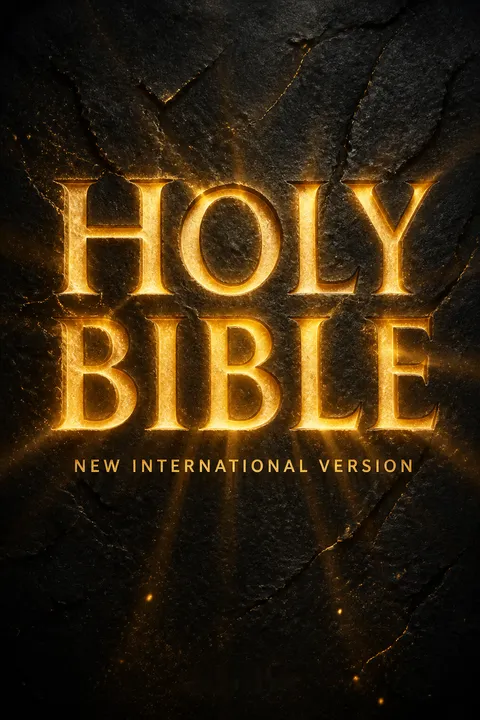
핵심 요약
1. 세속적 추구의 허무함
전도서에 이르기를, 헛되고 헛되니 모든 것이 헛되다 하였느니라.
모든 것이 무의미하다. 이 책은 단호한 선언으로 시작한다. 세상의 모든 추구는 결국 헛된 것임을 말한다. 이는 절망을 권하는 것이 아니라, 일시적인 것 너머에 영원한 의미를 찾으라는 초대이다. 솔로몬은 자신의 경험을 통해, 세속적 성취나 쾌락, 심지어 지혜조차도 그것 자체를 위해 추구할 때는 결코 지속적인 만족을 주지 못한다고 강조한다.
끝없는 순환. 세상은 반복되는 순환 속에서 움직인다. 세대마다 같은 고난과 덧없는 기쁨을 경험한다. 해는 뜨고 지며, 강은 바다로 흘러가고, 세대는 오고 가지만 진정 새로운 것은 없다. 이러한 순환성은 인간의 노력들이 얼마나 덧없는지를 보여준다.
영원을 향한 집중. 부, 권력, 쾌락 등 세속적 것을 쫓는 것은 결국 바람을 쫓는 것과 같다. 진정한 충만함은 이러한 덧없는 성취에 있지 않고, 그 한계를 인식하며 더 높은 목적을 추구하는 데 있다.
2. 지혜와 깨달음의 우월성
내가 보니 지혜가 어리석음보다 나은 것이 빛이 어둠보다 나음 같더라.
어리석음보다 지혜. 세속적 추구가 결국 무의미하다고 하면서도, 이 책은 지혜가 어리석음보다 우월함을 인정한다. 지혜는 세상을 더 잘 이해하고 인도하는 통찰을 제공하지만, 죽음이나 삶의 본질적 허무함을 완전히 극복하지는 못한다.
지혜의 한계. 지혜가 유리함에도 불구하고, 그것이 반드시 행복이나 성공을 보장하지는 않는다. 오히려 지식을 추구할수록 세상의 문제와 인간 이해의 한계를 더 깊이 깨닫게 된다.
진정한 지혜. 이 책은 진정한 지혜가 지식을 쌓거나 세속적 성공을 이루는 데 있지 않고, 그 한계를 인정하며 더 높고 지속적인 목적을 찾는 데 있다고 제안한다.
3. 정의, 의로움, 그리고 하나님 경외
여호와는 모든 지식을 아시는 하나님이시니 그에게는 모든 생각이 준비되어 있느니라.
하나님의 심판. 이 책은 정의와 의로움의 중요성을 강조한다. 그것은 세속적 성공을 위한 수단이 아니라 하나님의 뜻에 따라 사는 삶의 방식이다. 악인이 잠시 번성할지라도 하나님은 결국 모든 행위를 심판하신다.
여호와 경외. 여호와를 경외하는 마음은 진정한 지혜의 기초이자 의미 있는 삶의 열쇠로 제시된다. 이 경외는 두려움에 떨며 움츠리는 것이 아니라 하나님의 권능과 권위를 깊이 존중하는 마음이다.
의로움. 진정한 의로움은 겉으로 드러나는 행동뿐 아니라 내면의 생각과 의도까지 포함한다. 하나님은 마음을 보시며, 남을 속이거나 조종하려는 자는 결국 그의 진노를 면치 못할 것이다.
4. 겸손과 절제의 중요성
지나치게 의로우지 말며 지나치게 지혜롭지 말라, 그렇지 않으면 어리석게 되리라.
극단을 피하라. 이 책은 지나친 열정이나 자기 의에 빠지는 것을 경계한다. 진정한 지혜는 균형을 찾고 극단을 피하는 데 있다. 경건함, 금욕, 세속적 추구 어느 쪽에서도 마찬가지다.
하나님 앞의 겸손. 우리는 자신의 한계를 인정하고 하나님의 은혜에 의존하는 겸손을 가져야 한다. 교만과 오만은 많은 악의 뿌리이며, 결국 몰락과 파멸로 이끈다.
모든 일에 절제. 이 책은 식사와 음주, 노동과 여가 등 모든 면에서 절제를 권장한다. 과도한 탐닉은 결국 만족을 주지 못하고 해를 끼치지만, 균형 잡힌 삶은 더 큰 만족과 안녕을 가져온다.
5. 죄의 결과와 심판의 확실성
여호와는 모든 지식을 아시는 하나님이시니 그에게는 모든 생각이 준비되어 있느니라.
죄의 파괴성. 이 책은 죄가 이 생과 다음 생 모두에서 초래하는 파멸과 고통을 생생하게 그린다. 죄는 부패와 비참함, 궁극적 파멸로 이어진다.
심판의 불가피성. 악인이 잠시 번성하는 듯 보여도, 하나님은 결국 모든 행위를 심판하신다. 그의 정의를 피할 길은 없으며, 죄 가운데 사는 자는 엄중한 대가를 치를 것이다.
회개의 중요성. 심판이 확실함에도 불구하고, 이 책은 회개하고 하나님께 돌아오는 자에게 희망을 준다. 겸손과 고백, 마음의 변화를 통해 죄인은 용서를 받고 다가올 진노를 면할 수 있다.
6. 지도자의 역할과 조언의 가치
다스리는 자가 없으면 백성이 망하나, 지혜로운 조언이 많으면 안전하리라.
지도자의 책임. 이 책은 현명하고 공정한 지도자의 중요성을 강조한다. 지도자는 신중함과 공평함, 그리고 백성에 대한 깊은 책임감을 가지고 다스려야 한다.
나쁜 지도자의 위험. 어리석거나 부패한 지도자는 백성을 파멸로 이끌고 하나님의 진노를 불러일으킨다. 교만과 탐욕, 공동체의 안녕을 무시하는 태도를 경계한다.
조언의 가치. 현명한 조언을 구하고 신뢰할 수 있는 조언자들과 함께하는 것이 중요하다. 좋은 통치는 겸손과 타인의 의견을 듣는 자세, 그리고 백성의 최선의 이익을 추구하는 헌신을 필요로 한다.
7. 하나님의 말씀의 능력과 구원의 약속
여호와는 인자하시고 긍휼이 많으시며, 죄악과 악과 죄를 제하시나니, 아무도 스스로 의롭지 못하니라.
하나님의 말씀은 길잡이. 이 책은 하나님의 말씀을 지혜와 인도, 진리의 근원으로 강조한다. 그의 율법을 묵상하고 계명을 따르면 의의 길을 찾고 죄의 함정을 피할 수 있다.
구원의 약속. 인간의 처참한 상태에도 불구하고, 이 책은 구원의 희망을 전한다. 하나님은 자비롭고 용서하시며, 진심으로 그에게 돌아오는 자를 버리지 않으신다.
믿음의 필요성. 고난과 불확실 속에서도 하나님의 능력과 약속을 믿는 믿음이 중요하다. 신자들은 하나님의 선하심을 신뢰하며 그분께 헌신을 견뎌내야 한다.
8. 삶의 아름다움과 덧없음
사람의 생명은 땅 위의 싸움과 같고, 그의 날들은 품꾼의 날과 같도다.
삶은 투쟁이다. 이 책은 인간 존재의 본질적 어려움과 도전을 인정한다. 삶은 전쟁이며 순례이고, 유혹과 고통, 죽음의 불가피함과 끊임없이 싸우는 과정이다.
삶의 덧없음. 인생은 그림자 같고 꽃 같으며 스치는 바람과 같다. 이러한 죽음의 인식은 우리로 하여금 시간을 소중히 여기고 진정 중요한 것에 집중하게 한다.
현재의 기쁨 찾기. 고난 속에서도 이 책은 현재 순간의 기쁨을 찾고 하나님이 주신 소박한 즐거움을 감사히 여기라고 권한다. 먹고 마시며 사랑하는 이들과 함께하는 시간을 선물로 보라 한다.
9. 좋은 아내와 가정의 가치
좋은 아내는 좋은 기업이니, 하나님을 경외하는 자에게 그 기업 중에 주어지리라.
가정의 중요성. 이 책은 특히 부모와 자녀 간의 관계를 중시한다. 부모는 자녀에게 지혜와 의로움을 가르치고, 자녀는 부모를 공경하고 순종할 것을 권면한다.
좋은 아내의 축복. 좋은 아내는 남자의 삶에 기쁨과 위로, 안정의 원천이다. 그녀는 동반자이자 조력자이며, 좋은 시절과 어려운 시절 모두 함께하는 동행자다.
악한 여인의 위험. 반면 악한 여인은 수치와 슬픔, 파멸의 근원으로 여겨진다. 이 책은 창녀와 간음하는 여인의 유혹을 경계하며, 그들이 남자를 길 잃게 하고 영혼을 파괴할 수 있음을 경고한다.
10. 죽음의 불가피함과 내세
네 마지막 일을 기억하라, 그리하면 네가 결코 죄를 범하지 아니하리라.
죽음의 상기. 이 책은 죽음의 불가피함을 자주 상기시키며, 영원을 염두에 두고 살 것을 촉구한다. 죽음을 인식함으로써 죄를 회개하고 하나님의 용서를 구하며 내세를 준비해야 한다.
내세의 불확실성. 미래의 심판과 의인에 대한 상급을 엿보게 하지만, 내세의 신비는 인간 이해를 넘어선다고 인정한다.
현재에 집중하라. 미래의 불확실성을 감안할 때, 이 책은 현재 의롭게 살 것을 권한다. 하나님을 경외하고 계명을 지키며 이웃에게 선을 행함으로써 복된 자리에 서서 영생을 상속받을 수 있다.
다른 독자들이 읽은 책





자주 묻는 질문
What's the Holy Bible: New International Version about?
- Religious Text: The Holy Bible is a sacred scripture for Christians, containing the Old and New Testaments. It narrates the history, teachings, and prophecies central to the Christian faith.
- Divine Revelation: It is considered the inspired word of God, revealing His nature, will, and plan for humanity. The text includes various literary forms such as poetry, history, and prophecy.
- Covenant and Salvation: The Bible emphasizes God's covenant with humanity, the life and teachings of Jesus Christ, and the promise of salvation.
Why should I read the Holy Bible: New International Version?
- Spiritual Growth: Reading the Bible can deepen your understanding of faith and spirituality. It offers insights into the nature of God and His relationship with humanity.
- Cultural Influence: The Bible has significantly influenced literature, art, and culture throughout history. Understanding its themes can enhance your appreciation of various cultural references.
- Moral Framework: It provides a moral framework that can guide personal decisions and actions. Many find comfort and wisdom in its teachings during challenging times.
What are the key takeaways of the Holy Bible: New International Version?
- God's Love and Grace: The Bible emphasizes God's unconditional love and grace towards humanity, as seen in passages like John 3:16. This foundational belief encourages hope and faith.
- Call to Action: It calls believers to live out their faith through actions, such as loving others and serving the community. The teachings of Jesus highlight this call.
- Promise of Salvation: The New Testament assures believers of eternal life through faith in Jesus Christ. This promise is a central theme that offers hope and purpose to Christians.
What are the best quotes from the Holy Bible: New International Version and what do they mean?
- Jeremiah 29:11: "For I know the plans I have for you." This verse reassures believers that God has a purpose and plan for their lives, instilling hope and trust in His guidance.
- Philippians 4:13: "I can do all things through Christ who strengthens me." This quote emphasizes reliance on Christ for strength and capability in all aspects of life.
- Mark 12:31: "Love your neighbor as yourself." This commandment underscores the importance of love and compassion in human relationships, advocating for empathy and kindness.
How does the Holy Bible: New International Version address the concept of sin?
- Definition of Sin: Sin is described as a transgression against God's law, leading to spiritual death and separation from God. Romans 6:23 states, "For the wages of sin is death."
- Consequences of Sin: The Bible teaches that sin leads to spiritual death and separation from God. It serves as a warning to encourage repentance and a return to God.
- Redemption from Sin: The New Testament emphasizes that through Jesus' sacrifice, believers can be forgiven and cleansed from sin. 1 John 1:9 reassures, "If we confess our sins, he is faithful and just to forgive us."
What is the significance of the Old Testament in the Holy Bible: New International Version?
- Foundation of Faith: The Old Testament lays the groundwork for understanding God's covenant with Israel and His plan for salvation. It contains the laws, prophecies, and history that shape the New Testament.
- Prophecies of Christ: Many Old Testament prophecies point to the coming of the Messiah, which is fulfilled in Jesus. This connection is crucial for understanding the continuity of God's plan.
- Moral and Ethical Teachings: The Old Testament provides moral guidelines and teachings that are still relevant today. The Ten Commandments serve as a foundational ethical code for believers.
How does the New Testament differ from the Old Testament in the Holy Bible: New International Version?
- Focus on Jesus Christ: The New Testament centers on the life, teachings, death, and resurrection of Jesus. It presents Him as the fulfillment of Old Testament prophecies.
- New Covenant: It introduces a new covenant based on grace and faith rather than the law. This shift emphasizes a personal relationship with God through Jesus.
- Community and Church: The New Testament discusses the establishment of the Christian church and its mission. It provides guidance for living in community and spreading the gospel.
How does the Holy Bible: New International Version portray the character of God?
- Loving and Merciful: God is depicted as loving and merciful, desiring a relationship with humanity. "For God is love" (1 John 4:8) encapsulates His nature.
- Just and Righteous: The Bible also portrays God as just, holding humanity accountable for their actions. His judgments reflect His holiness and commitment to justice.
- Sovereign and All-Powerful: God is presented as sovereign over all creation, with the power to fulfill His promises. This assurance provides comfort and hope to believers.
What role do prophets play in the Holy Bible: New International Version?
- Messengers of God: Prophets serve as intermediaries between God and His people, delivering messages of warning, guidance, and hope. They call the people to repentance and faithfulness to God’s covenant.
- Foretelling and Forthtelling: Prophets both foretell future events and forthtell God’s truth to the current generation. Their messages often include calls for social justice and moral living.
- Examples of Prophets: Key prophets in the Bible include Isaiah, Jeremiah, and Ezekiel, each with unique messages and contexts. Their writings contribute significantly to the theological and historical understanding of the biblical narrative.
How does the Holy Bible: New International Version address the concept of faith?
- Definition of Faith: Faith is described as trust and belief in God and His promises. Hebrews 11:1 states, "Now faith is the substance of things hoped for, the evidence of things not seen."
- Role of Faith in Salvation: The Bible emphasizes that salvation is through faith, not works. "For by grace are you saved through faith" (Ephesians 2:8).
- Faith in Action: True faith is demonstrated through actions and obedience to God's commands. "Faith without works is dead" (James 2:26).
How does the Holy Bible: New International Version encourage community among believers?
- Body of Christ: The Bible describes the church as the body of Christ, where each member plays a vital role. "For as the body is one and hath many members" (1 Corinthians 12:12) emphasizes unity in diversity.
- Mutual Support: Believers are encouraged to support and uplift one another. "Bear ye one another's burdens" (Galatians 6:2) calls for compassion and assistance within the community.
- Gathering Together: The importance of gathering for worship and fellowship is stressed. "Not forsaking the assembling of ourselves together" (Hebrews 10:25) highlights the need for communal worship and encouragement.
How can I apply the teachings of the Holy Bible: New International Version in my daily life?
- Daily Reflection: Regularly reading and reflecting on scripture can provide guidance and encouragement. It helps to align one’s life with biblical principles.
- Practice Love and Service: Actively seeking opportunities to love and serve others embodies the teachings of Jesus. This can be through acts of kindness, volunteering, or supporting those in need.
- Cultivate Faith and Trust: Trusting in God’s plan and promises can transform how one approaches challenges. Prayer and community support can strengthen faith and resilience.



PDF 다운로드
EPUB 다운로드
.epub digital book format is ideal for reading ebooks on phones, tablets, and e-readers.








































