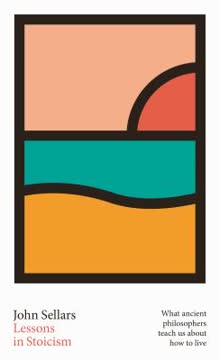
핵심 요약
1. 철학을 개인적 치유로 삼기
만약 누군가 당신에게 인생의 많은 고통이 단지 당신이 사물을 바라보는 방식 때문이라고 말한다면 어떨까요?
철학을 통한 정신 건강 관리. 스토아 철학자들은 철학을 단순한 학문적 탐구가 아니라 정신적, 감정적 안녕을 위한 실용적인 도구로 보았습니다. 의사가 신체적 질병을 치료하듯, 철학자는 개인이 자신의 사고방식을 이해하고 변화시키도록 도와 심리적 상처를 치유하는 데 목적을 두었습니다.
철학적 치유 과정: 스토아 철학의 정신 건강 접근법은 자신의 신념을 비판적으로 검토하고, 파괴적인 사고 패턴에 도전하며, 인생의 어려움에 대해 보다 합리적이고 균형 잡힌 관점을 개발하는 것을 포함합니다. 이 과정은 다음과 같습니다.
- 개인적 판단 분석
- 감정적 고통의 원인 파악
- 감정 조절 전략 개발
- 합리적 사고를 통한 내면의 평화 함양
실천적 적용. 철학은 일상 속 자기성찰과 개인적 성장의 실천이 됩니다. 철학 원리를 추상적 이론이 아닌 실용적 삶의 기술로 받아들임으로써, 사람들은 더 큰 회복력과 감성 지능, 자기 이해를 키울 수 있습니다.
2. 통제할 수 있는 것과 통제할 수 없는 것을 구분하라
선원이 배를 안전하게 항해시키는 것보다 배를 난파시키는 것이 훨씬 쉽다.
통제 가능한 것과 불가능한 것의 구분. 스토아 철학자들은 진정한 평화는 우리가 통제할 수 있는 것과 그렇지 않은 것을 구분하는 데서 온다고 강조했습니다. 대부분의 인간 고통은 외부 상황을 통제하려 애쓰는 데서 비롯되며, 내면의 반응에 집중하지 못하는 데서 발생합니다.
개인이 통제할 수 있는 영역:
- 우리의 판단
- 우리의 반응
- 우리의 태도
- 우리의 성품
- 우리의 노력
개인이 통제할 수 없는 영역:
- 타인의 행동
- 외부 사건
- 자연 현상
- 타인의 의견
- 태어난 환경
실천적 지혜. 우리가 영향력을 행사할 수 있는 것에 에너지를 집중하고, 통제할 수 없는 것은 받아들임으로써 불필요한 감정적 고통을 줄이고 인생의 도전을 더 효과적으로 헤쳐 나갈 수 있습니다.
3. 감정은 당신이 통제할 수 있는 판단이다
맞거나 모욕당하는 것만으로는 해를 입지 않는다. 해를 입었다고 믿어야 해를 입는 것이다.
감정을 인지적 반응으로 보기. 스토아 철학자들은 감정을 무의식적 반응이 아니라 상황에 대해 우리가 내리는 판단으로 보았습니다. 우리의 감정 반응은 사건 자체가 아니라 그 사건을 어떻게 해석하느냐에 근거합니다.
감정 조절 전략:
- 반응하기 전에 잠시 멈추기
- 근본 가정 검토하기
- 자동적 부정적 생각에 도전하기
- 감정을 자발적 반응으로 인식하기
- 합리적 성찰 연습하기
변화의 관점. 감정이 인지적 판단임을 이해함으로써, 개인은 더 높은 감성 지능과 자기 통제력을 키울 수 있습니다. 이 접근법은 어려운 상황에 대해 보다 신중하고 사려 깊은 반응을 가능하게 합니다.
4. 역경을 성장의 기회로 삼기
선한 사람은 모든 역경을 훈련의 장으로 여긴다.
도전의 재해석. 스토아 철학자들은 어려움을 장애물이 아니라 개인적 발전의 기회로 보도록 권장했습니다. 역경은 자신의 성품을 드러내고 강화할 수 있는 기회가 됩니다.
도전을 통한 성장:
- 회복력 개발
- 성품의 강점 구축
- 실전 훈련 제공
- 내면의 능력 발견
- 미래 도전에 대한 두려움 감소
철학적 회복력. 도전을 개인 성장에 필수적인 것으로 바라봄으로써, 사람들은 고통의 잠재적 원천을 자기 개선과 학습의 강력한 순간으로 바꿀 수 있습니다.
5. 우주 질서 속 자신의 위치 이해하기
우주의 본성은 질서 있는 세상을 창조하려는 충동이었다.
우주적 관점. 스토아 철학자들은 모든 것이 자연의 원리에 따라 일어나는 합리적이고 질서 있는 우주를 믿었습니다. 이 거대한 체계 속에서 작지만 의미 있는 자신의 위치를 이해하는 것은 개인적 자아를 줄이고 수용을 높이는 데 도움을 줍니다.
주요 우주적 통찰:
- 우리는 더 큰 자연 체계의 일부이다
- 사건들은 논리적 순서를 따른다
- 개인 경험은 상호 연결되어 있다
- 수용은 개인적 고통을 줄인다
- 자연은 내재적 지능으로 작동한다
철학적 조화. 더 큰 우주 질서와의 연결을 인식함으로써, 우리는 겸손을 키우고 불필요한 스트레스를 줄이며 존재의 근본적 상호 연결성을 이해하는 데서 평화를 찾을 수 있습니다.
6. 죽음을 인식하며 매 순간을 온전히 살기
모두가 인생을 서두르며 미래에 대한 갈망과 현재에 대한 피로에 시달린다.
시간은 가장 소중한 자원이다. 스토아 철학자들은 시간이 한정되어 있음을 인식하고 의도적으로 사는 것의 중요성을 강조했습니다. 죽음을 인지하는 것은 진정한 경험과 개인적 성장을 우선시하게 만듭니다.
의미 있는 삶을 위한 전략:
- 인생의 덧없음을 성찰하기
- 개인적 발전에 우선순위 두기
- 미루지 않기
- 현재 순간을 소중히 여기기
- 목적 의식 갖고 살기
실존적 지혜. 인생의 일시성을 인지함으로써, 사람들은 더 의도적인 선택을 하고 시간 낭비를 줄이며 진정 중요한 것에 집중할 수 있습니다.
7. 우리는 인간과 연결된 사회적 존재이다
이웃 가지에서 잘린 가지는 반드시 나무 전체에서 떨어져 나간다.
보편적 인간 연결성. 스토아 철학자들은 인간을 근본적으로 사회적 존재로 보았으며, 지역사회와 전 세계 공동체에 대한 책임을 강조했습니다. 개인의 행동은 더 넓은 인간 복지를 고려해야 합니다.
사회적 책임 원칙:
- 공유된 인간 이성을 인식하기
- 연민을 실천하기
- 사회적 역할을 의미 있게 수행하기
- 공동체 복지에 기여하기
- 세계 시민 의식 갖기
윤리적 참여. 우리의 상호 연결성을 이해함으로써, 우리는 더 의미 있는 관계를 맺고 더 큰 공감을 실천하며 집단적 인간 경험에 긍정적으로 기여할 수 있습니다.
리뷰 요약
『스토아 철학 수업』은 간결하면서도 이해하기 쉬운 스토아 철학 입문서로 많은 이들의 찬사를 받고 있다. 독자들은 핵심 개념을 명확하게 설명하고 실생활에 적용할 수 있도록 안내하는 점을 높이 평가한다. 특히 현대인의 삶과 감정 관리에 스토아 철학이 어떻게 도움이 되는지 이해하는 데 큰 도움을 준다. 책의 짧은 분량은 장점이자 단점으로 여겨지며, 더 깊이 있는 내용을 바라는 독자도 적지 않다. 그럼에도 불구하고 스토아 철학에 관심 있는 이들에게 훌륭한 출발점이 되어주며, 고대의 지혜를 현대적 문제 해결에 적용할 수 있는 소중한 통찰을 제공한다는 점에서 추천할 만하다.
자주 묻는 질문
What's "Lessons in Stoicism" by John Sellars about?
- Overview: "Lessons in Stoicism" explores the teachings of ancient Roman Stoic philosophers—Seneca, Epictetus, and Marcus Aurelius—and how their ideas can be applied to modern life.
- Philosophical Focus: The book delves into Stoic philosophy, emphasizing the importance of controlling one's thoughts and emotions to live a fulfilling life.
- Practical Application: It offers practical advice on dealing with adversity, understanding our place in nature, and managing relationships with others.
- Historical Context: The book provides historical insights into the lives of the Stoics and how their diverse backgrounds influenced their philosophical outlooks.
Why should I read "Lessons in Stoicism"?
- Timeless Wisdom: The book distills ancient wisdom that remains relevant for addressing contemporary challenges and personal development.
- Practical Guidance: It offers actionable advice on improving mental resilience, emotional control, and interpersonal relationships.
- Philosophical Insight: Readers gain a deeper understanding of Stoic philosophy and its application to everyday life.
- Personal Growth: The book encourages self-reflection and personal growth, helping readers to lead more meaningful and content lives.
What are the key takeaways of "Lessons in Stoicism"?
- Control Over Judgements: We have control over our judgments, which shape our emotions and actions, and thus our happiness.
- Dealing with Adversity: Adversity is an opportunity for growth and should be welcomed as a means to develop virtues.
- Life and Death: Life is a gift, and understanding our mortality can help us appreciate and make the most of our time.
- Social Responsibility: We are inherently social beings with responsibilities to our communities and the broader human race.
How does John Sellars describe the role of a philosopher in "Lessons in Stoicism"?
- Philosopher as Doctor: Sellars describes the philosopher as a doctor for the soul, helping individuals examine and improve their thoughts and beliefs.
- Therapy for the Mind: Philosophy is presented as a form of mental therapy, aimed at achieving a good and happy life.
- Focus on Character: The philosopher's role is to guide individuals in developing a virtuous character, which is the true source of happiness.
- Practical Application: Philosophers provide practical tools and insights to help people navigate life's challenges and improve their well-being.
What does "Lessons in Stoicism" say about controlling emotions?
- Emotions as Judgements: Emotions are seen as the result of judgments we make, and thus, we have control over them.
- Avoiding Negative Emotions: The Stoics advise avoiding negative emotions like anger and jealousy by changing our judgments.
- First Movements: Initial physiological reactions are natural, but they should not develop into full-blown emotions.
- Positive Emotions: Natural instincts like love and care are not irrational emotions and are encouraged by Stoic philosophy.
How does "Lessons in Stoicism" address dealing with adversity?
- Adversity as Training: Adversity is likened to a training exercise that helps develop virtues like patience and courage.
- Perspective on Misfortune: Misfortunes are not inherently bad; they are opportunities to display and strengthen one's character.
- Preparation for Challenges: Reflecting on potential adversities can help lessen their impact and prepare us to cope better.
- Acceptance of Fate: Understanding that some events are beyond our control can help us accept and work with them rather than resist.
What insights does "Lessons in Stoicism" provide about life and death?
- Life as a Gift: Life is viewed as a temporary gift, and we should appreciate and make the most of it while it lasts.
- Mortality Awareness: Being conscious of our mortality can lead to a more meaningful and focused life.
- Time Management: The book emphasizes the importance of not wasting time and living each day as if it could be the last.
- Perspective on Death: Death is not seen as terrible; it is a natural part of life, and fearing it is a result of mistaken judgment.
How does "Lessons in Stoicism" explain our place in nature?
- Part of a Whole: Humans are seen as parts of a larger, rational, and ordered natural system.
- Acceptance of Change: Nature is in constant change, and accepting this helps us live harmoniously with it.
- Fate and Determinism: Events are determined by a chain of causes, and understanding this can help us accept outcomes.
- Living in Harmony: Living in accordance with nature involves understanding our role within the larger system and acting accordingly.
What does "Lessons in Stoicism" say about social responsibility?
- Inherent Sociability: Humans are naturally social beings with responsibilities to their families, communities, and humanity as a whole.
- Roles and Duties: We inhabit various roles that come with specific duties and responsibilities, which we should fulfill.
- Global Community: The Stoics advocate for a cosmopolitan view, recognizing our duty of care to all humankind.
- Balancing Local and Global: While we have local responsibilities, our ultimate duty is to the global community, transcending local customs and laws.
What are the best quotes from "Lessons in Stoicism" and what do they mean?
- "The philosopher is a doctor, and the philosopher’s school is a hospital – a hospital for souls." This highlights the role of philosophy as a means to heal and improve the mind.
- "Adversity is a training exercise." This suggests that challenges are opportunities for personal growth and development.
- "Life is a gift, and one day you will have to give it back." This emphasizes the temporary nature of life and the importance of appreciating it.
- "We are parts of a single community, parts of a single organism." This underscores the Stoic belief in interconnectedness and social responsibility.
How does "Lessons in Stoicism" suggest we manage our time?
- Value of Time: Time is the most valuable resource, and we should be mindful of how we use it.
- Avoiding Distractions: The book advises against wasting time on trivial pursuits and distractions.
- Living in the Present: Emphasizes the importance of living each day fully, as if it could be the last.
- Focus on Philosophy: Encourages dedicating time to philosophical reflection and personal growth rather than material pursuits.
What resources does "Lessons in Stoicism" recommend for further reading?
- Primary Texts: The book suggests reading works by the Roman Stoics, such as Epictetus's "Discourses," Marcus Aurelius's "Meditations," and Seneca's "Letters."
- Modern Interpretations: Recommends contemporary books like "A Guide to the Good Life" by William Irvine and "The Daily Stoic" by Ryan Holiday.
- Historical Context: For deeper understanding, it suggests works like "The Inner Citadel" by Pierre Hadot and "Epictetus: A Stoic and Socratic Guide to Life" by A. A. Long.
- Online Resources: Points to websites like modernstoicism.com for ongoing engagement with Stoic philosophy.








































