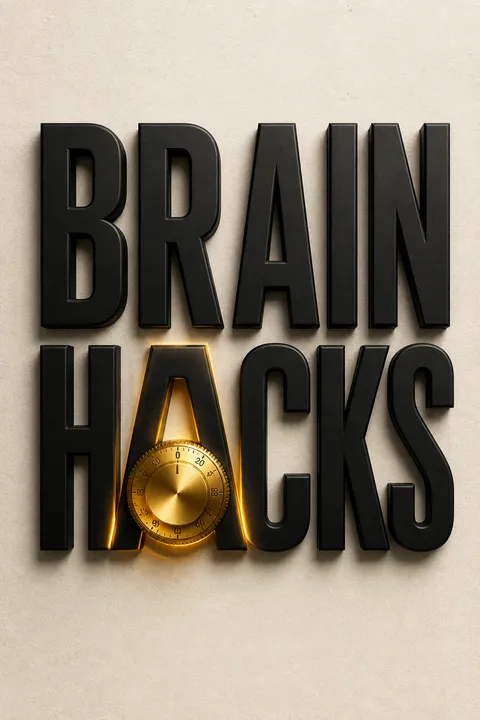

Belangrijkste inzichten
1. Voed je brein: de basis van cognitieve gezondheid
"Een gezond en gevarieerd dieet levert de ideale mix van vitamines, mineralen en andere voedingsstoffen die je brein nodig heeft."
Een breinversterkend dieet. Een dieet dat goed is voor je hersenen zit boordevol voedingsstoffen die je cognitieve functies ondersteunen. Richt je op het eten van:
- Omega-3 vetzuren: te vinden in vette vis, lijnzaad en walnoten
- Antioxidanten: volop aanwezig in bessen, pure chocolade en groene thee
- Complexe koolhydraten: volkorenproducten voor een stabiele aanvoer van glucose
- Magere eiwitten: essentieel voor de aanmaak van neurotransmitters
- Gezonde vetten: avocado’s, olijfolie en noten voor de structuur van hersencellen
Hydratatie is cruciaal. Voldoende vochtinname is onmisbaar voor een optimaal werkend brein. Streef naar 8-12 glazen water per dag, afhankelijk van je activiteit en het klimaat. Uitdroging kan leiden tot cognitieve achteruitgang, met gevolgen voor geheugen, concentratie en besluitvorming.
2. Beweeg regelmatig: lichamelijke activiteit voor mentale scherpte
"Beweging zorgt voor feelgoodstoffen, zoals endorfines, die je stemming verbeteren."
Aerobe oefeningen. Regelmatige cardio verhoogt de bloedtoevoer naar je hersenen, stimuleert de groei van nieuwe hersencellen en verbetert je cognitieve functies. Streef naar minstens 150 minuten matig intensieve aerobe activiteit per week, zoals:
- Vlot wandelen
- Fietsen
- Zwemmen
- Dansen
Krachttraining. Weerstandsoefeningen versterken je cognitieve functies en beschermen tegen leeftijdsgebonden achteruitgang. Doe 2-3 keer per week aan krachttraining of oefeningen met je eigen lichaamsgewicht, gericht op de grote spiergroepen.
3. Beheer stress: bescherm je brein tegen schadelijke effecten
"Chronische stress verhoogt het cortisolniveau, een belangrijke oorzaak van het afsterven van hersencellen."
Stressverminderingstechnieken. Het toepassen van stressmanagement is essentieel voor je hersengezondheid. Oefen met:
- Diepe ademhalingsoefeningen
- Progressieve spierontspanning
- Meditatie of mindfulness
- Yoga of tai chi
Tijdmanagement. Organiseer je taken en stel prioriteiten om stress te verminderen. Gebruik hulpmiddelen zoals to-do lijstjes, agenda’s en tijdsblokken om productiever te zijn en overweldiging te voorkomen.
4. Zorg voor kwalitatieve slaap: essentieel voor hersenherstel
"Je lichaam, inclusief je brein, herstelt en onderhoudt zichzelf tijdens de slaap."
Slaaphygiëne. Creëer een vaste slaaproutine om je hersenen optimaal te laten functioneren:
- Houd een regelmatig slaapschema aan
- Ontwikkel een rustgevend bedritueel
- Vermijd schermen vlak voor het slapen
- Zorg voor een koele, donkere en stille slaapkamer
Slaapduur. Streef als volwassene naar 7-9 uur slaap per nacht. Tijdens de slaap consolideert je brein herinneringen, ruimt het gifstoffen op en bereidt het zich voor op de cognitieve uitdagingen van de volgende dag.
5. Blijf sociaal verbonden: relaties versterken je brein
"Hoe meer mensen deelnemen aan hechte sociale relaties, hoe beter hun fysieke en mentale gezondheid en functioneren."
Sociale betrokkenheid. Onderhoud en koester je relaties om je hersenen te ondersteunen:
- Word lid van clubs of groepen met gedeelde interesses
- Zet je in als vrijwilliger in je gemeenschap
- Houd contact met vrienden en familie
- Doe mee aan teamsporten of groepsactiviteiten
Diverse connecties. Contact met mensen uit verschillende achtergronden en met uiteenlopende perspectieven daagt je brein uit en bevordert cognitieve flexibiliteit.
6. Daag je geest uit: blijf leren voor cognitieve fitheid
"Onderzoek toont aan dat oefening je mentale vermogens behoudt en versterkt."
Mentale stimulatie. Doe activiteiten die je brein uitdagen:
- Leer een nieuwe taal
- Speel strategiespellen of los puzzels op
- Neem een muziekinstrument ter hand
- Lees uitdagende boeken
Levenslang leren. Blijf jezelf ontwikkelen en nieuwe vaardigheden aanleren om je cognitieve functies te behouden en je cognitieve reserve op te bouwen.
7. Omarm gezonde gewoontes: levensstijlkeuzes voor een lang leven van je brein
"Balans en matiging zijn de sleutel tot een gezond en optimaal functionerend brein."
Vermijd schadelijke stoffen. Beperk of stop met:
- Overmatig alcoholgebruik
- Roken
- Recreatieve drugs
Beschermende maatregelen. Neem gewoontes aan die je brein beschermen:
- Draag een helm bij risicovolle activiteiten
- Gebruik altijd je veiligheidsgordel in de auto
- Bescherm jezelf tegen milieutoxines
8. Maak gebruik van antioxidanten: bestrijd vrije radicalen
"Antioxidanten ruimen vrije radicalen op voordat ze schade aanrichten in je brein."
Voedingsmiddelen rijk aan antioxidanten. Voeg diverse bronnen van antioxidanten toe aan je dieet:
- Bessen (blauwe bessen, aardbeien, bramen)
- Donkergroene bladgroenten (spinazie, boerenkool)
- Noten en zaden
- Kleurrijke groenten en fruit
Supplementen. Overweeg antioxidanten als supplementen, zoals vitamine E, vitamine C en selenium, onder begeleiding van een professional.
9. Zorg voor je hart: cardiovasculaire gezondheid is hersengezondheid
"Je hart en bloedvaten zorgen voor het transport van zuurstof- en glucoserijk bloed naar alle delen van je lichaam."
Hartvriendelijke levensstijl. Neem gewoontes aan die je cardiovasculaire gezondheid ondersteunen:
- Houd een gezond gewicht
- Beheer je bloeddruk en cholesterol
- Eet een vezelrijk dieet met weinig verzadigde vetten
- Beweeg regelmatig met cardio-oefeningen
Monitor risicofactoren. Regelmatige controles helpen om mogelijke risico’s voor je hersengezondheid tijdig te signaleren en aan te pakken.
10. Oefen mindfulness: ontwikkel mentale helderheid en focus
"Mindfulness leert je de kracht van je geest te benutten, je geest en lichaam te integreren en je hongerige geest te voeden."
Mindfulness-technieken. Verwerk mindfulness in je dagelijkse routine:
- Meditatie
- Gerichte ademhalingsoefeningen
- Lichaamsscans
- Mindful eten
Bewustzijn van het hier en nu. Train je brein om in het moment te zijn, wat stress vermindert en je cognitieve functies verbetert. Wees volledig aanwezig bij wat je doet, of het nu werk, een gesprek of ontspanning is.
Samenvatting van recensies
Brain Hacks krijgt wisselende beoordelingen, met een gemiddelde score van 3,09 uit 5. Sommige lezers vinden het een nuttige verzameling tips voor de gezondheid van de hersenen, met aandacht voor voeding, beweging en leefgewoonten. Anderen bekritiseren het gebrek aan structuur, de herhalingen en tegenstrijdige adviezen. Veel lezers merken op dat de informatie vrij basaal is en in een paar hoofdpunten samen te vatten valt. Waar sommigen het snelle leesformaat waarderen, vinden anderen dat het boek diepgang en wetenschappelijke onderbouwing mist. Al met al verschillen de meningen over de vraag of het boek waardevolle inzichten biedt of vooral bekende kennis herhaalt.
Anderen lazen ook





Veelgestelde vragen
1. What is "Brain Hacks: 200+ Ways to Boost Your Brain Power" by Adams Media about?
- Comprehensive Brain Health Guide: The book offers over 200 practical, research-backed tips (“hacks”) to improve brain health, memory, focus, and overall cognitive function.
- Holistic Approach: It covers a wide range of topics, including nutrition, exercise, stress management, social interaction, supplements, and lifestyle changes.
- Accessible and Actionable: Each hack is designed to be easy to implement, with clear explanations and actionable steps for readers of all ages.
- Science-Based Advice: The book draws on current scientific research to support its recommendations, making it a reliable resource for brain optimization.
2. Why should I read "Brain Hacks: 200+ Ways to Boost Your Brain Power" by Adams Media?
- Practical Everyday Tips: The book provides simple, effective strategies that can be incorporated into daily routines to enhance mental performance.
- Wide Applicability: Whether you’re a student, professional, or senior, the hacks are relevant for anyone looking to maintain or improve brain health.
- Evidence-Based Recommendations: The advice is grounded in scientific studies, ensuring readers are following methods proven to work.
- Comprehensive Coverage: It addresses not just memory and focus, but also mood, stress, creativity, and long-term brain protection.
3. What are the key takeaways from "Brain Hacks: 200+ Ways to Boost Your Brain Power"?
- Diet Matters: Eating plant-based foods, healthy fats, and specific nutrients (like omega-3s, antioxidants, and vitamins) is crucial for brain health.
- Lifestyle Choices Impact Cognition: Regular exercise, quality sleep, stress reduction, and social engagement all play significant roles in maintaining cognitive function.
- Mental Stimulation is Essential: Learning new skills, solving real-world problems, and engaging in creative activities help keep the brain sharp.
- Moderation and Balance: The book emphasizes the importance of moderation in diet, alcohol, and even brain-boosting activities for optimal results.
4. How does "Brain Hacks" by Adams Media define and approach the concept of a "brain hack"?
- Simple, Actionable Steps: A brain hack is a practical tip or strategy that can be easily implemented to improve brain function.
- Science-Driven: Each hack is supported by research or expert opinion, ensuring it’s not just a fad or myth.
- Holistic and Diverse: Hacks range from dietary changes and supplements to lifestyle adjustments, mental exercises, and social habits.
- Immediate and Long-Term Benefits: Some hacks offer quick boosts (like drinking coffee for alertness), while others contribute to long-term brain health (like regular exercise or lifelong learning).
5. What are the most important dietary recommendations in "Brain Hacks" by Adams Media for boosting brain power?
- Favor Plant-Based Foods: Emphasize beans, leafy greens, nuts, whole grains, and healthy oils like olive oil; limit animal products and saturated fats.
- Increase Omega-3 Intake: Eat fatty fish, flaxseed, walnuts, and consider fish oil supplements to support memory and cognitive function.
- Antioxidant-Rich Foods: Consume foods high in vitamins E, C, and carotenoids (like tomatoes and sweet potatoes) to fight free radicals and inflammation.
- Moderate Alcohol and Sugar: Limit alcohol to recommended amounts and reduce added sugars to prevent cognitive decline.
6. How does "Brain Hacks" by Adams Media recommend managing stress and its effects on the brain?
- Recognize and Address Stress: Acknowledge stress and take steps to resolve what you can, letting go of what you can’t control.
- Reduce Cortisol: Engage in regular exercise, eat brain-healthy foods, and consider supplements like fish oil and ashwagandha to lower cortisol levels.
- Practice Mindfulness: Techniques like counting breaths, journaling, and mindfulness meditation help calm the mind and improve cognitive skills.
- Social Support: Spending time with family, friends, or volunteering can reduce stress and boost emotional resilience.
7. What role do exercise and physical activity play in "Brain Hacks" by Adams Media for brain health?
- Aerobic Exercise Benefits: Activities like walking, swimming, and dancing increase blood flow to the brain, supporting memory and cognitive function.
- Strength Training Matters: Weight training has been shown to improve cognitive function, especially in older adults.
- Balance and Moderation: Overexercising can be harmful; the book recommends 150 minutes of moderate-intensity activity per week.
- Combine Physical and Mental Activity: Activities that engage both body and mind (like walking while learning) provide extra brain benefits.
8. What are some of the most effective mental and social activities recommended in "Brain Hacks" by Adams Media?
- Lifelong Learning: Take classes, learn new languages, or study challenging subjects to keep the brain engaged.
- Creative Pursuits: Engage in art, music, writing, or crafts like knitting to stimulate different brain regions and reduce stress.
- Social Interaction: Regularly connect with friends, join clubs, volunteer, and diversify your social circle to protect against cognitive decline.
- Games and Puzzles: Play chess, trivia, or video games to improve memory, problem-solving, and hand-eye coordination.
9. How does "Brain Hacks" by Adams Media address supplements, herbs, and alternative therapies for brain health?
- Evidence-Based Supplements: The book discusses the benefits of omega-3s, B vitamins, vitamin E, magnesium, and trace minerals for cognitive support.
- Herbal Remedies: Herbs like ginkgo biloba, gotu kola, ginseng, and ashwagandha are highlighted for their potential to improve memory, mood, and stress resilience.
- Caution and Moderation: Readers are advised to consult healthcare professionals before starting supplements, especially if taking medications or having health conditions.
- Alternative Therapies: Practices like acupuncture, aromatherapy, and massage are included for their stress-reducing and mood-boosting effects.
10. What are some unique or surprising "brain hacks" from Adams Media’s book that readers might not expect?
- Switch Hands: Using your non-dominant hand for daily tasks stimulates new brain pathways.
- Chew Gum: Chewing gum can increase alertness and improve memory during tasks.
- Take Nature Breaks: Spending time outdoors or even opening a window can reduce stress and enhance creativity.
- Practice Gratitude and Positivity: Writing gratitude lists and focusing on positive thoughts can physically change brain structure and improve mood.
11. What are the main pitfalls or habits to avoid according to "Brain Hacks" by Adams Media?
- Multitasking: Trying to do multiple tasks at once reduces efficiency and impairs memory.
- Overconsumption: Avoid excessive alcohol, sugar, unhealthy fats, and processed foods, as they can harm brain health.
- Sedentary Lifestyle: Prolonged sitting, especially during long commutes or at work, is linked to cognitive decline.
- Neglecting Sleep and Social Life: Skipping sleep or social interaction can accelerate cognitive aging and increase risk of dementia.
12. What are the best quotes from "Brain Hacks: 200+ Ways to Boost Your Brain Power" by Adams Media and what do they mean?
- “The more brain-supporting things you do, the better.” – Emphasizes the cumulative effect of multiple healthy habits for optimal brain health.
- “Success is how you learn.” – Highlights that positive reinforcement and celebrating small wins are more effective for habit formation than focusing on failure.
- “Your brain, like your boss, prefers success to failure.” – Suggests that tracking and celebrating progress motivates continued healthy behavior.
- “Creativity is what happens when you relax and allow your brain to birth new thoughts.” – Encourages readers to make space for creativity as a vital part of brain health.
- “You can’t think of [the brain] as existing in isolation. It’s bound up with the rest of you.” – Reminds readers that holistic health, not just mental exercises, is key to cognitive well-being.
PDF downloaden
EPUB downloaden
.epub digital book format is ideal for reading ebooks on phones, tablets, and e-readers.








































