Belangrijkste inzichten
1. Omarm onzekerheid en bevraag alles
Het enige wat ik weet, is dat ik niets weet, en daar ben ik zelf ook niet zeker van.
Scepsis als instrument. Montaigne stond voor het Pyrronische scepticisme, dat aanraadt om oordelen over alles op te schorten. Deze houding bevordert intellectuele nederigheid en openheid voor nieuwe ideeën. Door alles, ook onze eigen overtuigingen, ter discussie te stellen, vermijden we dogmatisme en blijven we ontvankelijk voor andere perspectieven.
Toepassing in het dagelijks leven. Dit betekent onder meer:
- Situaties met een open geest benaderen
- Verschillende standpunten zoeken voordat je een mening vormt
- De grenzen van onze kennis erkennen
- De complexiteit en ambiguïteit van het leven omarmen
2. Leef in het hier en nu en wees aandachtig
Als ik dans, dan dans ik; als ik slaap, dan slaap ik.
Bewuste aandacht. Montaigne pleitte ervoor om volledig in het huidige moment te leven en onverdeelde aandacht te geven aan wat je doet. Deze oefening verhoogt de kwaliteit van onze ervaringen en helpt ons de eenvoudige geneugten van het leven te waarderen.
Aanwezigheid cultiveren. Zo ontwikkel je deze vaardigheid:
- Oefen mindfulness in alledaagse bezigheden
- Beperk multitasken en richt je op één ding tegelijk
- Observeer je gedachten en gevoelens zonder oordeel
- Wees volledig betrokken bij je omgeving en de mensen om je heen
3. Ontwikkel zelfbewustzijn en accepteer imperfecties
Ik heb nooit een groter monster of wonder gezien dan mezelf.
Zelfonderzoek. Montaigne vond het essentieel om jezelf te begrijpen, met al je sterke en zwakke kanten. Dit zelfbewustzijn maakt persoonlijke groei mogelijk en leidt tot een authentieker leven.
Menselijkheid omarmen. Pas dit toe door:
- Regelmatig zelfreflectie te beoefenen
- Je gebreken te accepteren als onderdeel van je unieke identiteit
- Zelfcompassie te tonen
- Persoonlijke ervaringen te gebruiken als bron van wijsheid
- Te beseffen dat imperfecties universeel zijn en ons verbinden met anderen
4. Vind balans tussen eenzaamheid en gezelschap
Het grootste in de wereld is te weten hoe je van jezelf kunt zijn.
Persoonlijke ruimte. Montaigne hechtte waarde aan een eigen toevluchtsoord, zowel fysiek als mentaal. Deze “kamer achter de winkel” biedt ruimte voor reflectie, creativiteit en persoonlijke groei.
Sociale betrokkenheid. Tegelijkertijd erkende hij het belang van menselijke verbinding en sociale interactie. Om deze balans te bereiken:
- Creëer een plek voor rust en bezinning
- Voer betekenisvolle gesprekken en onderhoud relaties
- Oefen actief luisteren en empathie
- Wissel sociale activiteiten af met momenten van stilte en contemplatie
5. Leer van ervaring, niet alleen van boeken
Voorbijgaan kan ik niet. Ik ben tevreden mijn tijd in de wereld door te brengen, door haar te observeren.
Leren door ervaring. Hoewel Montaigne veel las, benadrukte hij het belang van leren via directe ervaring en observatie. Dit leidt tot diepere en praktischere wijsheid.
Kennis toepassen. Om deze filosofie te omarmen:
- Zoek diverse ervaringen en uitdagingen op
- Reflecteer op wat je meemaakt om lessen te trekken
- Pas boekkennis toe in het dagelijks leven
- Ga in gesprek met mensen uit verschillende achtergronden
- Reis en dompel jezelf onder in onbekende culturen
6. Benader de dood met kalmte
Filosoferen is leren sterven.
Acceptatie van sterfelijkheid. Montaigne geloofde dat het aanvaarden van onze sterfelijkheid leidt tot een rijker leven. Door de dood onder ogen te zien, kunnen we het leven meer waarderen en minder angstig leven.
Praktische benadering. Ontwikkel deze houding door:
- Regelmatig stil te staan bij je sterfelijkheid
- De dood als motivatie te gebruiken om authentiek te leven
- Dankbaarheid te oefenen voor het huidige moment
- Prioriteiten te stellen op wat echt belangrijk is
- Innerlijke rust te cultiveren bij het onvermijdelijke
7. Wees flexibel en open van geest
Het zekerste teken van wijsheid is vrolijkheid.
Mentale wendbaarheid. Montaigne pleitte voor flexibiliteit in denken en het vermogen om zich aan te passen aan veranderende omstandigheden. Dit leidt tot meer veerkracht en geluk.
Aanpassingsvermogen ontwikkelen. Zo doe je dat:
- Zie verandering als een kans om te groeien
- Bekijk situaties vanuit verschillende invalshoeken
- Wees bereid je mening te herzien op basis van nieuwe informatie
- Benader uitdagingen met een positieve, oplossingsgerichte houding
- Koester nieuwsgierigheid naar onbekende ideeën en ervaringen
8. Streef naar persoonlijke groei via zelfreflectie
Voor mij is er geen genoegen zonder communicatie.
Zelfonderzoek. Montaigne waardeerde introspectie en zelfanalyse als middelen voor persoonlijke ontwikkeling. Hij zag schrijven als een instrument voor zelfontdekking en begrip.
Praktische toepassing. Breng dit in de praktijk door:
- Een dagboek bij te houden met je gedachten en ervaringen
- Regelmatig zelfreflectie te beoefenen
- Je gedachten en ervaringen te delen met anderen
- Feedback te zoeken en open te staan voor opbouwende kritiek
- Schrijven of andere creatieve uitingen te gebruiken als vorm van zelfexpressie
9. Oefen matiging en zelfbeheersing
Het is het genieten, niet het bezitten, dat ons gelukkig maakt.
Balans in alles. Montaigne stond voor matiging in alle levensaspecten, van voeding tot emoties. Hij geloofde dat overdaad in welke vorm dan ook leidt tot ongelukkigheid en onbalans.
Matiging toepassen. Zo doe je dat:
- Wees bewust in wat je eet, drinkt en bezit
- Zoek balans tussen werk en ontspanning
- Cultiveer emotionele gelijkmoedigheid
- Vermijd extreme standpunten of gedragingen
- Vind tevredenheid in eenvoudige genoegens
10. Behoud onafhankelijkheid van denken
Ik spreek de waarheid, niet zozeer als ik zou willen, maar zoveel als ik durf; en ik durf iets meer naarmate ik ouder word.
Intellectuele autonomie. Montaigne waardeerde onafhankelijk denken en de moed om je eigen mening te uiten, ook als die afwijkt van de massa.
Onafhankelijk denken ontwikkelen. Zo kweek je deze eigenschap:
- Bevraag aannames en gangbare opvattingen
- Vorm je mening op basis van eigen reflectie en bewijs
- Durf achter je overtuigingen te staan, ook als ze onpopulair zijn
- Ga respectvol in gesprek met andersdenkenden
- Herzie en verfijn voortdurend je eigen ideeën
Samenvatting van recensies
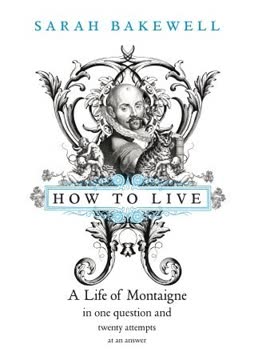
Hoe te leven is een veelgeprezen biografie van Michel de Montaigne, waarin zijn leven, filosofie en invloed worden belicht aan de hand van 20 antwoorden op de vraag "Hoe te leven?". Lezers waarderen Bakewells meeslepende schrijfstijl, de historische context en de toegankelijke aanpak. Het boek wordt gezien als een uitstekende introductie tot Montaignes essays en biedt waardevolle inzichten in zijn ideeën over matiging, zelfacceptatie en scepsis. Hoewel sommigen kritiek hebben op de hedendaagse invalshoek, vinden de meesten het een prikkelende en plezierige leeservaring die aanzet tot verdere verkenning van Montaignes werk.
Anderen lazen ook

Veelgestelde vragen
What's How to Live: Or A Life of Montaigne in One Question and Twenty Attempts at an Answer about?
- Exploration of Montaigne's Life: The book is a biography of Michel de Montaigne, focusing on his philosophical inquiries into the question, "How to live?" It combines biographical details with philosophical insights.
- Twenty Attempts at Answers: Sarah Bakewell organizes the book around twenty different answers Montaigne might give to the central question, each representing a different aspect of his philosophy and life lessons.
- Blend of Biography and Philosophy: The narrative intertwines Montaigne's personal anecdotes with philosophical discussions, making it both a historical account and a guide to living well.
Why should I read How to Live: Or A Life of Montaigne in One Question and Twenty Attempts at an Answer?
- Insight into Human Nature: The book provides profound insights into human emotions, motivations, and the complexities of life, making it relevant to anyone seeking to understand themselves better.
- Timeless Wisdom: Montaigne's reflections on love, loss, and the art of living resonate across centuries, offering wisdom that remains applicable in today's fast-paced world.
- Engaging Writing Style: Bakewell's narrative is accessible and engaging, making philosophical concepts easy to grasp while maintaining a lively storytelling approach.
What are the key takeaways of How to Live: Or A Life of Montaigne in One Question and Twenty Attempts at an Answer?
- Embrace Uncertainty: Montaigne teaches that life is filled with uncertainties, and one should learn to "question everything," encouraging open-mindedness and adaptability.
- Value of Personal Experience: The book emphasizes the importance of personal experience over abstract reasoning, as Montaigne believed that "all I know is that I know nothing."
- Live in the Present: A recurring theme is the significance of mindfulness and living in the moment, reminding us to appreciate life while we have it.
What are the best quotes from How to Live: Or A Life of Montaigne in One Question and Twenty Attempts at an Answer and what do they mean?
- "How to live? Don’t worry about death.": This quote encapsulates Montaigne's philosophy of accepting mortality as a natural part of life, allowing one to live more freely and fully.
- "Pay attention.": A reminder to be mindful and present in our experiences, this quote highlights the importance of awareness in achieving a fulfilling life.
- "Be ordinary and imperfect.": Montaigne encourages embracing our flaws and the mundane aspects of life, suggesting that perfection is an unrealistic expectation that can hinder our happiness.
How does Montaigne address the fear of death in How to Live: Or A Life of Montaigne in One Question and Twenty Attempts at an Answer?
- Acceptance of Mortality: Montaigne suggests that worrying about death detracts from the joy of living. By accepting death as a natural part of life, one can live more fully.
- Experiential Learning: Through his own near-death experiences, Montaigne learns to embrace life rather than fear its end, stating, "Death is only a few bad moments at the end of life."
- Philosophical Rehearsal: He advocates for contemplating death regularly to prepare oneself mentally, which can lead to a more serene approach to life.
What techniques does Montaigne suggest for living well in How to Live: Or A Life of Montaigne in One Question and Twenty Attempts at an Answer?
- Mindfulness and Attention: Montaigne emphasizes the importance of paying attention to one's experiences and surroundings, as he believes that awareness enhances the quality of life.
- Use of Little Tricks: He suggests employing mental tricks to cope with emotions, such as imagining the loss of something to appreciate its value more fully.
- Questioning and Reflection: Montaigne encourages questioning everything, which fosters a deeper understanding of oneself and the world, leading to a more authentic life.
How does How to Live: Or A Life of Montaigne in One Question and Twenty Attempts at an Answer relate to modern life?
- Relevance of Montaigne's Ideas: Montaigne's reflections on love, loss, and the human condition resonate with contemporary readers facing similar existential questions.
- Encouragement of Self-Discovery: The book inspires readers to embark on their own journeys of self-discovery, emphasizing that understanding oneself is key to living well.
- Philosophy as a Practical Tool: Montaigne's approach to philosophy as a means of navigating life's complexities is particularly relevant in today's fast-paced, often overwhelming world.
How does Montaigne's skepticism influence his views on religion in How to Live: Or A Life of Montaigne in One Question and Twenty Attempts at an Answer?
- Faith Beyond Doubt: Montaigne maintained that his religious faith was beyond doubt, adhering to Catholic dogma despite his skeptical philosophy.
- Critique of Rational Theology: He critiqued the idea that human reason could stand alone without divine support, reflecting the skepticism of his time.
- Fideism and Skepticism: Montaigne's work was embraced by the Catholic Church as a counter to Protestantism, as it emphasized faith over reason.
What role does friendship play in Montaigne's philosophy as discussed in How to Live: Or A Life of Montaigne in One Question and Twenty Attempts at an Answer?
- Importance of Connection: Montaigne views friendship as a vital aspect of a fulfilling life, as seen in his deep bond with Étienne de La Boétie.
- Mutual Growth: He believes that friendships should foster personal growth and understanding, allowing individuals to learn from one another's experiences.
- Philosophical Companionship: Montaigne's essays often reflect on the philosophical nature of friendship, suggesting that true friends help each other navigate life's challenges.
How does Montaigne's approach to self-exploration manifest in his writing in How to Live: Or A Life of Montaigne in One Question and Twenty Attempts at an Answer?
- Introspective Style: Montaigne's essays are characterized by a deeply personal and introspective style, where he reflects on his thoughts and experiences.
- Embracing Contradictions: He often acknowledges the contradictions within himself, demonstrating a willingness to explore the complexities of human nature.
- Philosophical Inquiry: Montaigne's writing serves as a philosophical inquiry into the self, blending personal anecdotes with broader reflections on existence.
How does How to Live: Or A Life of Montaigne in One Question and Twenty Attempts at an Answer explore the theme of moderation?
- Moderation as a Virtue: Montaigne emphasized the importance of moderation in all aspects of life, believing that extremes lead to imbalance and unhappiness.
- Practical Applications: The book provides practical examples of how to apply moderation in daily life, from eating habits to emotional responses.
- Philosophical Balance: Montaigne's reflections on moderation also extend to philosophical inquiry, suggesting that a moderate approach to knowledge leads to greater wisdom.
What is the significance of Montaigne's Essays in How to Live: Or A Life of Montaigne in One Question and Twenty Attempts at an Answer?
- Foundation of Personal Philosophy: The Essays serve as the foundation for Montaigne's personal philosophy, exploring themes of self-reflection, human nature, and the art of living.
- Influence on Future Thinkers: Montaigne's Essays have had a profound influence on subsequent philosophers and writers, shaping modern thought.
- Invitation to Reflect: The Essays invite readers to engage in their own reflections on life, encouraging a conversational approach to philosophy.