Principais Lições
1. Manipulação é uma arte sutil de influência, nem sempre prejudicial
"Manipular é a arte sutil de fazer alguém fazer o que você quer, algo que essa pessoa não faria se fosse pedido diretamente."
Definição de manipulação. Manipular significa influenciar os outros a agirem de maneiras que talvez não agiriam espontaneamente, muitas vezes sem que percebam plenamente. Trata-se de uma habilidade que pode ser aprendida e aprimorada, sem ser necessariamente negativa.
Aplicações e ética. Embora a manipulação possa ser usada para benefício próprio, nem sempre implica dano à pessoa influenciada. É um aspecto comum das relações humanas, presente em diversos contextos:
- Política e diplomacia
- Vendas e marketing
- Relações pessoais
- Liderança e gestão
Técnicas principais de manipulação:
- Construir empatia e confiança
- Usar gatilhos emocionais
- Apresentar informações estrategicamente
- Aproveitar a prova social
- Reciprocidade e senso de obrigação
2. Compreender a psicologia humana é fundamental para persuadir com eficácia
"Para entender o que torna as pessoas persuadíveis, primeiro precisamos aprender o que as motiva."
Necessidades e motivações humanas. Persuadir de forma eficaz exige conhecer a psicologia básica do ser humano. As pessoas são movidas por necessidades fundamentais:
- Segurança e proteção
- Pertencimento e conexão
- Estima e reconhecimento
- Autorrealização
Princípios psicológicos para a persuasão:
- Consistência: Preferimos agir de acordo com o que já dissemos ou fizemos antes
- Autoridade: Tendemos a seguir quem é visto como especialista ou figura de poder
- Escassez: A limitação aumenta o valor percebido
- Simpatia: Somos mais influenciados por quem gostamos ou com quem nos identificamos
Aplicação prática. Compreendendo esses princípios, é possível adaptar a abordagem para ser mais persuasiva:
- Apresentar pedidos alinhados às necessidades básicas
- Estabelecer credibilidade e expertise
- Criar senso de urgência ou exclusividade
- Construir empatia genuína e pontos em comum
3. Influência subliminar: o poder das mensagens ocultas
"A influência subliminar está presente em mensagens escondidas por trás de áudios, imagens e vídeos aparentemente inofensivos."
Definição de influência subliminar. Trata-se da apresentação de estímulos abaixo do limiar da consciência, que podem influenciar pensamentos, sentimentos e comportamentos sem que a pessoa perceba explicitamente.
Conceitos-chave:
- Priming: A exposição a um estímulo influencia a resposta a outro
- Efeito da mera exposição: A familiaridade gera simpatia
- Contágio emocional: Imitamos inconscientemente as emoções dos outros
Eficácia e limitações:
- Pesquisas apresentam resultados variados sobre o impacto da mensagem subliminar
- Funciona melhor quando alinhada a objetivos ou necessidades já existentes
- Abordagens sutis e indiretas tendem a ser mais eficazes que tentativas explícitas
Questões éticas: Embora a ideia de manipulação subliminar cause preocupação, seus efeitos são geralmente limitados. É improvável que façam alguém agir contra seus valores ou desejos centrais, mas podem direcionar comportamentos de forma sutil.
4. Técnicas de lavagem cerebral podem ser usadas para o autodesenvolvimento positivo
"A auto-lavagem cerebral pode ser uma forma de terapia para substituir padrões de pensamento antigos e prejudiciais por novos programas mais saudáveis, que nos ajudam a aproveitar melhor a vida."
Reinterpretando a lavagem cerebral. Embora frequentemente associada à coerção e controle, as técnicas de lavagem cerebral podem ser adaptadas para o crescimento pessoal e mudanças positivas.
Passos para a auto-lavagem cerebral:
- Identificar padrões de pensamento negativos
- Reconhecer o impacto desses padrões
- Usar o poder da sugestão para introduzir crenças positivas
- Repetir para reforçar as mudanças desejadas
Aplicações práticas:
- Superar crenças limitantes
- Construir autoconfiança
- Desenvolver novos hábitos
- Melhorar motivação e foco
Atenção: A auto-lavagem cerebral exige compromisso e constância. Não é uma solução rápida, mas um processo gradual de reprogramação mental e comportamental.
5. Técnicas de PNL oferecem ferramentas poderosas para o controle da mente
"A PNL ensina a contornar a mente consciente e analítica (atalhos mentais) enquanto envolve o inconsciente – a parte mais receptiva da mente."
Fundamentos da PNL. A Programação Neurolinguística baseia-se em modelar os padrões de pensamento e comportamento de pessoas bem-sucedidas para alcançar resultados semelhantes.
Técnicas-chave da PNL para influência:
- Espelhamento e correspondência: Imitar sutilmente a linguagem corporal e o modo de falar do outro
- Ancoragem: Associar estímulos específicos a estados emocionais desejados
- Reenquadramento: Mudar o contexto ou significado de uma situação
- Padrões de linguagem: Usar palavras específicas para guiar o pensamento
Aplicações práticas:
- Vendas e negociação
- Terapia e aconselhamento
- Desenvolvimento pessoal
- Liderança e gestão
Considerações éticas. Apesar de poderosas, as técnicas de PNL devem ser usadas com responsabilidade e consentimento quando aplicadas a outras pessoas.
6. Política de escritório: como navegar e aproveitar para avançar na carreira
"Aprendendo a usá-la corretamente, você parecerá muito mais competente do que aqueles que a abusam."
Entendendo a dinâmica do ambiente de trabalho. A política de escritório é inevitável em qualquer local de trabalho. Em vez de evitá-la, aprender a navegar e tirar proveito dessas dinâmicas pode impulsionar sua carreira.
Estratégias essenciais:
- Mapear a estrutura informal de poder
- Construir relacionamentos em todos os níveis
- Desenvolver uma rede sólida de aliados
- Controlar seu próprio comportamento e comunicação
Dicas práticas:
- Observar e analisar as dinâmicas do ambiente
- Identificar influenciadores e tomadores de decisão
- Cultivar uma reputação de integridade e competência
- Compartilhar méritos e reconhecer contribuições alheias
- Manter-se acima de conflitos mesquinhos e fofocas
Equilíbrio necessário. Navegar com sucesso na política de escritório exige equilíbrio entre assertividade e diplomacia, autopromoção e trabalho em equipe.
7. Considerações éticas no uso da persuasão e manipulação
"Seus próprios padrões morais decidirão até onde você está disposto a ir, ou quão baixo pode descer para conseguir algo."
Espectro ético. As técnicas de persuasão e manipulação variam entre influência benigna e coerção prejudicial. É fundamental refletir sobre as implicações éticas do seu uso.
Pontos-chave para a ética:
- Intenção: O objetivo é ajudar ou prejudicar?
- Consentimento: As pessoas sabem que estão sendo influenciadas?
- Consequências: Quais os possíveis impactos para todos os envolvidos?
- Dinâmica de poder: Há abuso de autoridade ou poder?
Diretrizes para persuasão ética:
- Ser transparente sobre as intenções sempre que possível
- Respeitar a autonomia e a capacidade de decisão do outro
- Evitar explorar vulnerabilidades ou causar danos
- Usar as técnicas para benefício mútuo ou resultados positivos
Responsabilidade pessoal. No fim das contas, o uso ético da persuasão e manipulação depende do julgamento e dos valores individuais. É essencial refletir regularmente sobre suas ações e seu impacto nos outros.
Resumo das Resenhas
A psicologia das trevas recebe avaliações mistas, com uma classificação média de 3,78 em 5 no Goodreads. Os leitores valorizam a visão geral que o livro oferece sobre táticas de manipulação, que vão desde a persuasão até a lavagem cerebral. Muitos consideram o conteúdo informativo e próximo da realidade, reconhecendo que, por vezes, aplicaram algumas dessas técnicas sem se aperceberem. Outros encaram a obra como uma introdução rápida à Programação Neurolinguística (PNL). Contudo, a crítica recai sobre o capítulo final, que alguns acham que prejudica a qualidade geral do livro. Apesar das opiniões divergentes, parece claro que o livro proporciona insights valiosos sobre manipulação psicológica.
Perguntas Frequentes
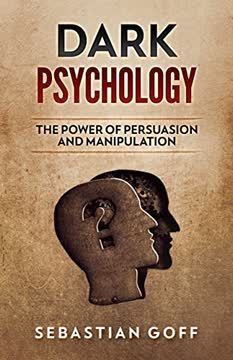
What’s "Dark Psychology: The Power of Persuasion and Manipulation" by Sebastian Goff about?
- Explores manipulation and persuasion: The book delves into the psychological techniques behind influencing others, both overtly and covertly, for personal gain.
- Covers ethical and unethical uses: It discusses both the positive and negative sides of persuasion, including its use in business, relationships, and even cults.
- Practical and theoretical insights: Readers learn about real-world applications, historical context, and psychological theories that underpin manipulation.
- Focuses on self-protection and influence: The book aims to teach readers how to recognize manipulation, protect themselves, and use these skills to achieve their own goals.
Why should I read "Dark Psychology: The Power of Persuasion and Manipulation" by Sebastian Goff?
- Gain awareness of manipulation: The book helps readers identify when they are being manipulated in everyday life, from media to personal relationships.
- Learn practical persuasion skills: It offers actionable techniques for influencing others ethically and effectively in various contexts.
- Protect yourself from harm: Understanding these tactics can help you defend against unethical manipulation and brainwashing.
- Improve communication and negotiation: The book provides tools to enhance your ability to persuade, negotiate, and build rapport in business and personal settings.
What are the key takeaways from "Dark Psychology: The Power of Persuasion and Manipulation" by Sebastian Goff?
- Manipulation is common and learnable: Everyone uses manipulation to some degree, and it can be honed as a skill.
- Persuasion relies on psychological needs: Techniques often target basic human needs like safety, belonging, and esteem.
- Ethical boundaries matter: The book stresses the importance of using these skills responsibly and being aware of their potential for harm.
- Recognize and resist manipulation: By understanding the methods, readers can better protect themselves from being exploited.
How does Sebastian Goff define manipulation and persuasion in "Dark Psychology: The Power of Persuasion and Manipulation"?
- Manipulation as subtle influence: Goff defines manipulation as getting someone to do what you want, often through deception or exploiting vulnerabilities.
- Persuasion as a softer approach: Persuasion is described as influencing others by appealing to their emotions, beliefs, and needs, often without direct confrontation.
- Not inherently evil: Both are presented as tools that can be used for good or ill, depending on the user’s intent.
- Universal human behavior: The book argues that everyone manipulates and persuades to some extent, consciously or unconsciously.
What are the main psychological techniques of persuasion discussed in "Dark Psychology: The Power of Persuasion and Manipulation"?
- Use of language and framing: Techniques like "What if," "Can you help please?" and "Would it help if" are highlighted for their persuasive power.
- Social proof and authority: Leveraging group behavior, likability, and perceived expertise to influence decisions.
- Consistency and commitment: Getting people to state their goals and then aligning requests with those goals to increase compliance.
- Storytelling and reverse psychology: Using narratives and suggesting the opposite of what you want to trigger desired behaviors.
How does "Dark Psychology: The Power of Persuasion and Manipulation" by Sebastian Goff describe the makeup of a manipulator?
- Skilled at reading people: Manipulators are adept at identifying psychological weaknesses and vulnerabilities in others.
- Conceal true intentions: They often appear likable, trustworthy, and empathetic to lower defenses.
- Use emotional detachment: Many manipulators can disconnect from guilt or empathy, making it easier to exploit others.
- Employ basic and advanced tactics: Techniques range from guilt-tripping and flattery to more sophisticated psychological games.
What are the ethical considerations of mind control and manipulation in "Dark Psychology: The Power of Persuasion and Manipulation"?
- Consent and intent matter: Ethical use is possible, such as in therapy or self-improvement, when consent is given and the intent is positive.
- Spectrum of influence: The book distinguishes between benign influence and destructive manipulation that strips autonomy.
- Self-awareness is key: Readers are encouraged to reflect on their own motives and the potential consequences of their actions.
- Societal prevalence: The book notes that manipulation is widespread in marketing, politics, and media, raising questions about where to draw ethical lines.
What is subliminal influencing, and how is it used according to "Dark Psychology: The Power of Persuasion and Manipulation"?
- Subconscious persuasion: Subliminal influencing involves sending messages below the threshold of conscious awareness to shape attitudes and behaviors.
- Media and advertising: The book discusses how corporations, governments, and media use priming, hidden messages, and environmental cues to influence choices.
- Effectiveness depends on context: Subliminal messages are most effective when they align with existing needs or desires and remain undetected.
- Everyday examples: Background music, word choice, and even scents can subtly guide decisions without overt persuasion.
How does "Dark Psychology: The Power of Persuasion and Manipulation" explain brainwashing and its stages?
- Systematic identity breakdown: Brainwashing involves isolating the victim, breaking down their sense of self, and instilling new beliefs.
- Lifton’s ten-stage model: The book details Robert Jay Lifton’s stages, including assault on identity, guilt, self-betrayal, breaking point, and eventual "rebirth."
- Use of isolation and dependency: Successful brainwashing requires control over the victim’s environment, information, and basic needs.
- Not always permanent: The effects can be reversed if the victim is removed from the manipulative environment and regains their original identity.
What is Neuro-Linguistic Programming (NLP), and how is it applied in "Dark Psychology: The Power of Persuasion and Manipulation"?
- Reprogramming through language: NLP uses language and behavioral patterns to influence thoughts, emotions, and actions.
- Techniques for influence: Methods like anchoring, mirroring, vague language, and mental shortcuts are explained for both self-improvement and manipulation.
- Rapport and matching: Building trust and likability by mirroring body language, speech, and emotional states.
- Everyday applications: NLP can be used in negotiations, problem-solving, and even casual conversations to steer outcomes.
How can the techniques in "Dark Psychology: The Power of Persuasion and Manipulation" be used in the workplace and career advancement?
- Navigating office politics: The book provides strategies for identifying power structures, building networks, and leveraging relationships.
- Subtle influence tactics: Methods like controlled approval, planting ideas, labeling, and positive reinforcement are discussed for workplace success.
- Persuasion theories: Concepts like reciprocity, scarcity, social proof, and amplification are applied to business and sales scenarios.
- Self-promotion and protection: Readers learn how to promote themselves ethically while guarding against manipulative colleagues.
What are the key methods of manipulation in love and relationships according to "Dark Psychology: The Power of Persuasion and Manipulation"?
- Emotional manipulation: Tactics include playing helpless, excessive praise, crying, nagging, and avoidance to control partners.
- Conditioning and jealousy: Using rewards, withdrawal, and jealousy to influence romantic interest and behavior.
- Authenticity over trickery: The book notes that genuine self-worth and confidence are more effective for attraction than manipulative tricks.
- Warning against abuse: It cautions that manipulation in relationships can be damaging and should be recognized and avoided for healthy connections.
What are the best quotes from "Dark Psychology: The Power of Persuasion and Manipulation" by Sebastian Goff, and what do they mean?
- "Manipulation is the subtle art of getting someone to do what you want, that they would otherwise not do if asked directly." — Highlights the covert nature of manipulation.
- "With the ability to influence we become much more powerful in life and therefore get more of our needs met." — Emphasizes the practical benefits of mastering persuasion.
- "Please leave your morals behind, as the aim of this book is to show you the darker side of getting what you want." — Sets the tone for exploring both ethical and unethical uses of these techniques.
- "The media's the most powerful entity on earth. They have the power to make the innocent guilty and to make the guilty innocent, and that's power. Because they control the minds of the masses." (Malcolm X, quoted) — Underlines the immense influence of media on public perception and thought.








































