
Краткий сюжет
Арест
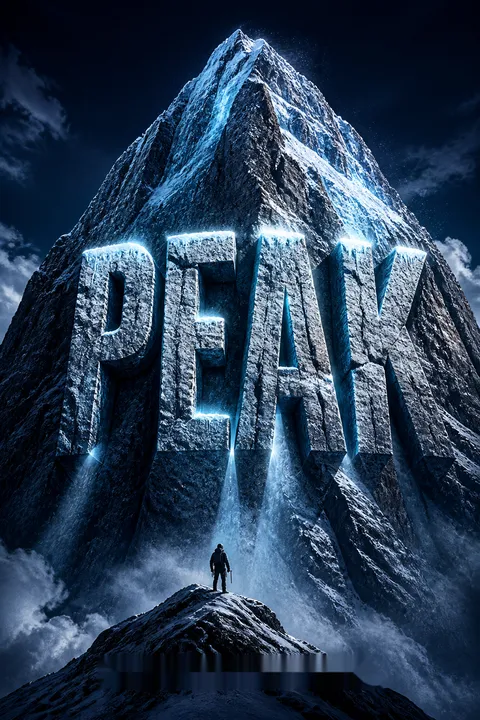
Четырнадцатилетний Пик Марчелло задержан после того, как взобрался на небоскреб в Нью-Йорке, чтобы оставить свой след с помощью синего трафарета горы. Его арест привлекает внимание СМИ, а его отчужденный отец, известный альпинист Джош Вуд, предлагает неожиданное решение: шанс подняться на Эверест. Эта возможность — не просто путь к искуплению, но и рекламный ход для слабеющей компании Джоша, занимающейся приключенческими турами. Путь Пика к вершине мира начинается, но он полон личных и физических испытаний, а также тяжести ожиданий отца.
Семейные узы раскрыты
Пока Пик акклиматизируется в базовом лагере Эвереста, он узнаёт о секретном плане, связанном с Сан-Джо — молодым шерпой и внуком Зопы. Сан-Джо, как и Пик, стремится стать самым молодым покорителем Эвереста. Открытие личности Сан-Джо и его связи с Зопой, уважаемым монахом и бывшим альпинистом, придаёт путешествию Пика дополнительную сложность. Ставки высоки не только для личного достижения Пика, но и для будущего Сан-Джо, ведь его успех может обеспечить финансовую стабильность семьи.
Заговор на вершине
План Джоша по доставке Пика на вершину включает скрытую и рискованную тактику. Под пристальным наблюдением китайских властей Пик и Сан-Джо вынуждены лавировать между политическими напряжённостями и коварными условиями горы. Зопа, обладающий глубокими знаниями о горе и её духовном значении, ведёт их по тайному маршруту. Восхождение становится испытанием выносливости, доверия и силы воли, чтобы преодолеть все преграды.
Испытания восхождения
Подъём к верхним лагерям Эвереста изнурителен. Пик борется с горной болезнью, усталостью и психологическим напряжением восхождения. Жёсткая среда и присутствие других альпинистов, некоторые из которых не выживают, подчёркивают смертельную опасность горы. Решимость Пика испытывается, когда он сталкивается с реальностью восхождения и мотивациями, которые движут им и окружающими.
Неожиданные союзы
По мере приближения к вершине отношения между Пиком и Сан-Джо меняются от соперничества к товариществу. Они опираются друг на друга, разделяя тяжесть восхождения и груз своих целей. Мудрость и наставления Зопы играют важную роль, но именно связь между двумя молодыми альпинистами в конечном итоге ведёт их вперёд. Их путь — доказательство силы дружбы перед лицом невзгод.
Финальный подъём
Приближаясь к вершине, Пик сталкивается с решающим выбором. За несколько часов до своего пятнадцатого дня рождения ему предстоит выбрать между личной славой и помощью Сан-Джо в достижении судьбоносного рубежа. Восхождение становится метафорой самопознания и жертвы, когда Пик осознаёт, что истинный успех — не в достижении вершины, а в пути и сделанных по дороге решениях.
Бескорыстное решение
В момент ясности Пик решает позволить Сан-Джо первым достичь вершины, обеспечивая будущее друга и отдавая дань памяти отцу Сан-Джо, который спас жизнь Джошу. Этот бескорыстный поступок меняет понимание Пиком успеха и наследия. Решение становится поворотным моментом в жизни Пика, формируя его характер и отношения с отцом.
Размышления о возвращении домой
Вернувшись в Нью-Йорк, Пик обдумывает своё путешествие и извлечённые уроки. Восхождение изменило его, углубив понимание семьи и настоящих связей. Воссоединяясь с матерью и братьями и сёстрами, Пик понимает, что вершина Эвереста — не конечная цель, а путь к осознанию себя и своего места в мире. Этот опыт наполняет его новым смыслом и стремлением к тому, что действительно важно.
Персонажи
Пик Марчелло
Пик — четырнадцатилетний мальчик с страстью к скалолазанию, унаследованной от родителей. Его путь на Эверест — не только доказательство себя, но и попытка понять сложные отношения с отцом, Джошем. В ходе восхождения Пик сталкивается с физическими и эмоциональными испытаниями, в итоге осознавая, что истинный успех — в бескорыстии и связях, которые он создаёт.
Джош Вуд
Джош — всемирно известный альпинист, чьи мотивы часто связаны с бизнесом и личной славой. Его отношения с Пиком напряжённые, отмечены годами отсутствия и невыполненных ожиданий. Несмотря на недостатки, действия Джоша на Эвересте показывают глубокую, хоть и сложную, заботу о сыне. Его решение вовлечь Пика в восхождение — одновременно бизнес-ход и попытка восстановить связь.
Сан-Джо
Сан-Джо — внук Зопы, молодой альпинист с мечтой покорить вершину. Его путь продиктован желанием обеспечить лучшее будущее для семьи. Дружба и соперничество с Пиком переходят в взаимное уважение, а успех Сан-Джо на Эвересте — свидетельство его стойкости и жертв, принесённых предками.
Зопа
Зопа — бывший альпинист, ставший монахом, чьё глубокое понимание горы и её духовного значения направляет Пика и Сан-Джо. Его мотивы многослойны: помочь внуку и почтить память сына. Присутствие Зопы — стабилизирующая сила, предлагающая мудрость и поддержку молодым альпинистам.
Холли Анджело
Холли — репортёр, освещающая восхождение Пика, изначально движимая желанием славы. Её опыт на Эвересте меняет её, раскрывая более сострадательную и поддерживающую сторону. Взаимодействия Холли с Пиком и Сан-Джо подчёркивают влияние восхождения на тех, кто наблюдает и участвует в нём.
Капитан Шек
Капитан Шек постоянно присутствует на горе, олицетворяя политические напряжённости, окружающие восхождение. Его преследование Сан-Джо добавляет экспедиции опасности и срочности. Действия Шека подчёркивают более широкий геополитический контекст покорения Эвереста, где личные амбиции пересекаются с национальными интересами.
Сюжетные приёмы
Восхождение
Восхождение на Эверест служит метафорой пути Пика к самопознанию. Каждый этап подъёма — испытание, проверяющее его физические и эмоциональные пределы. Непрощающее окружение горы заставляет Пика столкнуться с мотивациями, отношениями и истинным смыслом успеха.
Отношения отец–сын
Напряжённые отношения между Пиком и Джошем — центральная тема, создающая основное напряжение повествования. Их взаимодействия раскрывают сложности родительских ожиданий и стремления к одобрению. Восхождение становится фоном для развития их отношений, показывая трудности и радости понимания и принятия.
Дружба и соперничество
Отношения между Пиком и Сан-Джо меняются от соперничества к товариществу, демонстрируя силу дружбы в преодолении трудностей. Общие испытания на горе создают связь, выходящую за рамки личных амбиций, подчёркивая важность взаимной поддержки и жертвенности.
Политические напряжённости
Присутствие китайских властей и политические последствия восхождения добавляют повествованию многослойность. Гора — не просто физическое испытание, но и арена международных интриг, где сталкиваются личные и национальные интересы. Это напряжение подчёркивает более широкое значение восхождения за пределами индивидуальных достижений.
Анализ
«Пик» Роланда Смита — история взросления на фоне самой высокой горы мира. Рассказ исследует темы амбиций, семьи и дружбы, пока Пик преодолевает физические и эмоциональные испытания восхождения на Эверест. Гора становится мощной метафорой личностного роста, заставляя Пика переосмыслить свои мотивы и понять истинное значение успеха. Через взаимодействия с Джошем, Сан-Джо и Зопой Пик осознаёт, что настоящее достижение — не в покорении вершины, а в пути и связях, созданных по дороге. Развязка истории подчёркивает важность бескорыстия и прочных уз семьи и дружбы, предлагая читателям глубокое размышление о том, что действительно важно.
Обзор отзывов
«Пик» — захватывающий приключенческий роман о 14-летнем мальчике, который пытается покорить Эверест. Читатели в восторге от ярких описаний восхождения и проработки персонажей. Многие отмечают, что книга отлично знакомит с Эверестом и техникой альпинизма. Здесь раскрываются темы семьи, дружбы и личностного роста. Кто-то считает, что местами повествование провисает, но большинство читателей не могли оторваться — настолько увлекательно и напряжённо! Книга идеально подойдёт подросткам, которые любят приключенческие истории, хотя и взрослые читают её с удовольствием. Финал вызвал неоднозначные отклики, но в целом воспринимается как логичный и достойный.
Читают также


Частые вопросы
Synopsis & Basic Details
What is Peak about?
- A Teen Climber's Second Chance: Fourteen-year-old Peak Marcello is arrested for illegally scaling skyscrapers in New York City, facing serious consequences until his estranged father, a famous mountaineer, intervenes with an unusual offer: a chance to climb Mount Everest.
- A Journey of More Than Altitude: The story follows Peak's physical ascent up the treacherous North Face of Everest, but it quickly becomes a journey of self-discovery, navigating complex family dynamics, unexpected friendships, and the harsh realities of the commercial climbing world and geopolitical tensions in Tibet.
- Race Against Time and Expectations: Peak races against his upcoming fifteenth birthday to become the youngest person to summit Everest, while also grappling with his father's motivations, the hidden agenda of a young Sherpa climber, and the true meaning of success and connection.
Why should I read Peak?
- Thrilling High-Stakes Adventure: The narrative plunges you into the visceral experience of climbing Everest, vividly portraying the physical dangers, psychological toll, and breathtaking environment at extreme altitudes.
- Complex Character Exploration: Beyond the action, the book offers a nuanced look at strained family relationships, the ethics of ambition, and the surprising ways people change under pressure, particularly through Peak's evolving perspective on his father, friends, and himself.
- Layers of Meaning and Symbolism: The mountain serves as a powerful metaphor for life's challenges, and the story weaves in themes of cultural identity, sacrifice, and the search for what truly matters, providing depth beyond a simple adventure tale.
What is the background of Peak?
- Set Against Real-World Everest Climbing: The story is grounded in the realities of modern Everest expeditions, including the commercialization of climbs, the vital role of Sherpas, the dangers of altitude sickness and weather, and the specific geography of the North Face route from Tibet.
- Context of Tibetan Political Situation: The narrative incorporates the political tensions between Tibet and China, highlighting the presence of Chinese soldiers, the restrictions faced by Tibetans, and the risks associated with forged documents and surveillance on the mountain.
- Exploration of Climbing Culture: The book delves into the distinct subculture of mountaineering, contrasting the "rock rat" purists of the past with the commercial "rock weasels" of the present, and touching on the media frenzy and sponsorships surrounding high-profile climbs.
What are the most memorable quotes in Peak?
- "The only thing you'll find on the summit of Mount Everest is a divine view. The things that really matter lie far below.": This quote, Peak's final reflection, encapsulates the novel's central theme that true fulfillment and meaning are found not in singular achievements or fame, but in relationships and human connection.
- "You can never tell who the mountain will allow and who it will not.": Repeated by Zopa and echoed by Holly, this phrase underscores the unpredictable and humbling power of Everest, suggesting that success or failure is often beyond a climber's control, hinting at a spiritual or elemental force at play.
- "To climb at Josh's level you have to be completely selfish, Peak... When you were born I couldn't do that anymore.": Peak's mother's explanation for quitting climbing reveals the intense, singular focus required for elite mountaineering and highlights the profound shift in priorities that parenthood brought her, contrasting with Josh's continued ambition.
What writing style, narrative choices, and literary techniques does Roland Smith use?
- First-Person, Conversational Voice: The story is told from Peak's perspective in an informal, often parenthetical style ("Peak, that is a run-on sentence and chaotically parenthetical. (That's how he talks.)"), creating an immediate, relatable, and sometimes humorous connection with the reader, mimicking a personal journal.
- Moleskine as a Framing Device: The narrative is presented as Peak's year-end writing assignment for his literary mentor, Vincent, using the Moleskine notebook as a structural element that justifies the first-person account and allows for reflection and retrospective storytelling.
- Integration of Technical Detail and Metaphor: Smith seamlessly weaves in technical climbing terms and descriptions of the mountain environment, grounding the story in realism, while simultaneously using the physical challenges and locations as powerful metaphors for Peak's internal struggles and growth.
Hidden Details & Subtle Connections
What are some minor details that add significant meaning?
- The Missing Eraser: Peak's initial frustration at starting his Moleskine assignment in Tibet with an automatic pencil that lacks an eraser ("it's not likely that I'm going to find an eraser around here") subtly symbolizes the irreversible nature of his actions (the skyscraper climb, the consequences) and the difficulty of correcting mistakes or changing the past on this journey.
- The Judge's GSS Connection: The judge mentioning he attended the Greene Street School ("It just so happens that I went to GSS when I was a kid") is a seemingly small detail that humanizes the stern authority figure and provides a crucial, unexpected link that helps facilitate Peak's release, highlighting the subtle power of shared background and connections.
- Holly Angelo's Pink Tent: Holly's insistence on having a large, pink tent at Base Camp, described as "garish-colored," initially marks her as an out-of-place, attention-seeking figure focused on superficiality, contrasting sharply with the practical, often drab gear of experienced climbers and subtly foreshadowing her eventual shedding of this persona as the mountain humbles her.
What are some subtle foreshadowing and callbacks?
- The Other Fallen Climber: The death of the boy who fell from the Flatiron Building while imitating Peak's stunt ("The boy had all your news articles pinned up in his bedroom... He had never been climbing in his entire life") serves as a stark, early foreshadowing of the deadly risks of climbing, particularly for the inexperienced, and underscores the unintended, serious consequences of Peak's actions, setting a somber tone for the Everest attempt.
- Zopa's "Cageyness": Josh's initial description of Zopa as "Cagey" and having mysterious motivations ("You never know what Zopa's real motivation is... you and I will probably never know what all of them are") subtly foreshadows Zopa's later, elaborate plan involving Sun-jo and the shortcut route, preparing the reader for the monk's hidden depths and strategic thinking beyond simple favors or donations.
- The Yellow Prayer Flag: Peak's creation of a yellow prayer flag with a blue mountain drawing ("I took one of the yellow flags and carefully drew a mountain on it with a blue Sharpie") is a callback to his skyscraper tags and symbolizes his personal ambition and connection to climbing, which he later sacrifices by giving the flag to Sun-jo to place on the summit pole, transforming the symbol from personal achievement to selfless gift.
What are some unexpected character connections?
- Zopa and Peak's Birth: Zopa reveals he was with Josh on Annapurna the day Peak was born and heard the news via satellite phone ("Zopa got me to the summit of Annapurna the day you were born. He was there when Teri called and gave me the news"), establishing a deep, long-standing connection between the monk and Peak's family that predates Peak's memory and explains Zopa's initial interest and willingness to help.
- Sun-jo's Father and Josh's Rescue: Josh reveals that Sun-jo's father, Ki-tar Sherpa, saved his life on K2 two years prior, dying shortly after the rescue ("the man who saved my life died not four feet away from me"), creating a profound, life-or-death bond between the two families and providing the core motivation for Josh and Zopa's plan to get Sun-jo to the summit as a form of repayment and honor.
- Holly Angelo and Peak's Mother: Holly claims a long-standing friendship with Peak's mother ("Your mom and I go way back. We've been friends for years"), a detail Peak initially doubts but which is later confirmed by his mother ("I kind of like her, and the twins are wild about her"), suggesting a shared history within the climbing/journalism world and explaining Holly's eventual, surprising shift from purely professional interest to genuine care for Peak.
Who are the most significant supporting characters?
- Rolf Young: Peak's stepfather, Rolf, initially appears somewhat awkward and distant ("awkwardly as usual"), but his unwavering support, legal efforts ("Rolf has cashed in every favor"), and heartfelt note ("I miss you. I want you home.") reveal him as a stable, loving parental figure who provides the emotional security Peak lacks from his biological father.
- The Twins (Patrice and Paula): Peak's younger twin half-sisters, Patrice and Paula, represent the innocent, loving family life Peak leaves behind and ultimately longs for ("Paula and Patrice were probably the best birthday presents I could have ever gotten"), serving as a constant reminder of the "things that really matter" far below the summit and influencing Peak's final, selfless decision.
- Dr. Leah Krieger: The expedition doctor, Dr. Krieger, is initially perceived as cold or harsh ("coldest fish I've ever met," "Straight from Nazi Germany"), but her professional competence, dedication to climber health ("Leah's going crazy treating everyone"), and role in assessing Peak's physical readiness highlight the critical medical realities of high-altitude climbing and provide a necessary counterpoint to the climbers' often reckless ambition.
Psychological, Emotional, & Relational Analysis
What are some unspoken motivations of the characters?
- Peak's Search for Validation: Beyond the thrill of climbing, Peak's skyscraper stunts and initial drive to summit Everest are implicitly fueled by a deep-seated need for attention and validation, particularly from his absent and famous father ("He was paying more attention to me than he had my whole life"), a motivation he only fully confronts and transcends by the end of the story.
- Josh's Attempt at Redemption: While presented as a business strategy ("I thought I could take care of your problem and mine at the same time"), Josh's decision to bring Peak to Everest is also an unspoken attempt to reconnect with his son and perhaps atone for years of absence, complicated by his inability to express affection or prioritize relationships over his climbing world ("He can't help himself, you know").
- Zopa's Calculated Compassion: Zopa's actions are driven by a complex mix of spiritual belief, loyalty to his son's memory, and a pragmatic desire to secure Sun-jo's future ("I'm here so Sun-jo does not have to become a Sherpa"), but his "cagey" nature and willingness to manipulate circumstances (like the "blink" plan) suggest a deeper, perhaps unspoken, belief in guiding fate or testing character through challenging, even deceptive, means.
What psychological complexities do the characters exhibit?
- Altitude-Induced Paranoia and Clarity: The thin air at high altitudes significantly impacts the characters' mental states, leading to paranoia ("Paranoia feeds on thin air..."), irrational behavior (climbers arguing over food, Captain Shek's obsession), but also moments of surprising clarity and emotional honesty, suggesting that the extreme environment strips away pretense and forces confrontation with core feelings and motivations.
- The Burden of Expectation: Both Peak and Sun-jo carry immense psychological weight due to the expectations placed upon them – Peak by his father's ambition and the media frenzy, Sun-jo by his family's financial needs and Zopa's plan – leading to moments of intense pressure, self-doubt ("I don't think I can make it"), and the struggle to define their own goals amidst external pressures.
- Transformation Through Adversity: Several characters undergo significant psychological shifts as a result of the mountain's challenges; Holly evolves from a self-absorbed journalist to a caring individual ("I've learned a couple things about myself up here... This mountain is a lot bigger than I am. It's humbling."), and Peak moves from seeking external validation to finding internal peace and prioritizing relationships.
What are the major emotional turning points?
- Peak's Breakdown in JDC: Peak's emotional dam breaks in the Juvenile Detention Center after hearing about the boy who died imitating him and the potential three-year sentence ("It all hit me at once... I broke down"), marking the first time the consequences of his actions fully register and revealing his underlying vulnerability beneath the daredevil exterior.
- Witnessing Death on the Mountain: Encountering the frozen corpses above Camp Four ("After five more corpses I stopped looking") is a profound emotional turning point for Peak, forcing him to confront the stark reality and finality of death on Everest, shattering any lingering illusions of invincibility and making his mother's warnings resonate deeply.
- The K2 Story and Mom's Call: Hearing the story of Sun-jo's father saving Josh on K2 ("the man who saved my life died not four feet away from me") immediately followed by his mother's emotional call emphasizing the human cost of climbing and the importance of family ("Four people died on the mountain. Human beings, Peak...") collectively serve as a critical emotional catalyst, shifting Peak's perspective away from personal glory towards empathy and connection.
How do relationship dynamics evolve?
- Peak and Josh: From Estrangement to Complex Understanding: The relationship begins with years of absence and Peak's resentment ("I didn't like Rolf all that much... It's just that he wasn't my real father"), moves through a phase of cautious reconnection driven by mutual need (Josh needing publicity, Peak needing bail), hits conflict over Josh's perceived manipulation ("It was never about me... It's always been about you"), and finally reaches a point of complex, imperfect understanding and acceptance ("Joshua Wood is what he is. I couldn't change him or the fact he was my father. All I could do is try not to become him.").
- Peak and Sun-jo: From Rivalry to Brotherhood: Initially positioned as rivals for the "youngest summiteer" title, Peak and Sun-jo's relationship transforms through shared hardship and mutual support on the mountain ("Their shared experiences on the mountain forge a bond"), culminating in Peak's selfless act of sacrificing his summit bid for Sun-jo, solidifying a bond of deep friendship and respect ("I looked at Sun-jo like I was crazy... Apparently I had forgiven him.").
- Peak and Rolf: Growing Appreciation: Peak's initial resentment towards his stepfather ("I guess I resented him for horning in on the simple life we had made in the wilderness") gradually evolves into appreciation for Rolf's quiet, consistent love and support, highlighted by Rolf's note ("I miss you. I want you home.") and Peak's realization of Rolf's genuine care, contrasting with Josh's more conditional attention.
Interpretation & Debate
Which parts of the story remain ambiguous or open-ended?
- Zopa's Full Motivations: While Zopa states his primary goal is to secure Sun-jo's future ("I'm here so Sun-jo does not have to become a Sherpa"), his "cagey" nature, seemingly prophetic weather predictions ("The maps are wrong"), and ability to appear and disappear mysteriously ("Zopa does things like that") leave open the interpretation that his actions are guided by deeper spiritual beliefs, fate, or a more complex, unspoken agenda beyond simple pragmatism.
- Captain Shek's True Knowledge: It remains unclear exactly how much Captain Shek knows about Zopa and Sun-jo's plan ("I think he knows more about what we're trying to do than he's saying") or if his pursuit is driven solely by suspicion over the truck incident versus a more informed understanding of their intentions, leaving his role as either a persistent bureaucrat or a truly insightful antagonist somewhat ambiguous.
- The Future of Peak's Climbing: While Peak states he is "going home" and has "had enough of 8,000-meter peaks," his inherent passion for climbing, inherited from his parents, and Josh's offer to try again on the Nepal side ("I'll take you next year or the year after") leave open the possibility that Peak might return to high-altitude mountaineering in the future, albeit with a changed perspective.
What are some debatable, controversial scenes or moments in Peak?
- Josh's Use of Peak for Publicity: Josh openly admits that Peak's Everest attempt is partly a business strategy ("getting a fourteen-year-old up there has a lot more sex appeal... Without publicity we're circling the drain"), sparking debate about the ethics of a parent using their child for financial gain and publicity, even if the child also desires the experience.
- The "Blink" Scene and Deception: The elaborate deception orchestrated by Josh and Zopa to make it appear Peak is leaving the mountain ("Sorry about the dramatics, but we had to make it look good") is highly debatable. While intended to allow Peak and Sun-jo a summit chance, it involves lying to clients, the media, and Peak himself, raising questions about whether the ends justify the means and the level of trust Peak should place in his father and Zopa.
- Peak's Decision to Yield the Summit: Peak's choice to stop ten feet from the summit and let Sun-jo go ahead ("I think this is as far as I'm going... You have a reason to be here, Sun-jo... I don't have a reason") is the story's climax but can be debated. Is it a truly selfless act of friendship and honor, or is it partly influenced by exhaustion, fear, or a subconscious desire to reject his father's ambition and the tainted nature of the climb?
Peak Ending Explained: How It Ends & What It Means
- The Climax: Sacrifice at the Summit: Peak stops just feet from the Everest summit, allowing Sun-jo to reach the top first on his birthday, fulfilling Zopa's plan to secure Sun-jo's future through the resulting publicity and endorsements. Peak gives Sun-jo his yellow prayer flag to tie to the summit pole, symbolizing the transfer of his personal ambition and a selfless act of friendship and honor for Sun-jo's father.
- The Descent and Return Home: Peak descends the North Face with Yogi, navigating encounters with Chinese soldiers who are still searching for Sun-jo but are ultimately outwitted by the earlier deception. Peak rejects Josh's offer of future climbs, prioritizing his return home for his twin sisters' birthday, signifying a shift in his values away from external achievement towards family connection.
- The Denouement: Finding Meaning Below the Peak: Back in New York, Peak reunites with his family, including Rolf, Mom, and the twins, realizing that the true "summit" and the things that matter most were not on the mountain but in the love and relationships waiting for him at home. He finishes his Moleskine assignment, reflecting on his journey and the profound lesson that the view from the top, while divine, is less significant than the human connections found far below.
Пик Серия
Скачать PDF
Скачать EPUB
.epub digital book format is ideal for reading ebooks on phones, tablets, and e-readers.








































