Ключевые идеи
1. Личная ответственность начинается с правильных вопросов
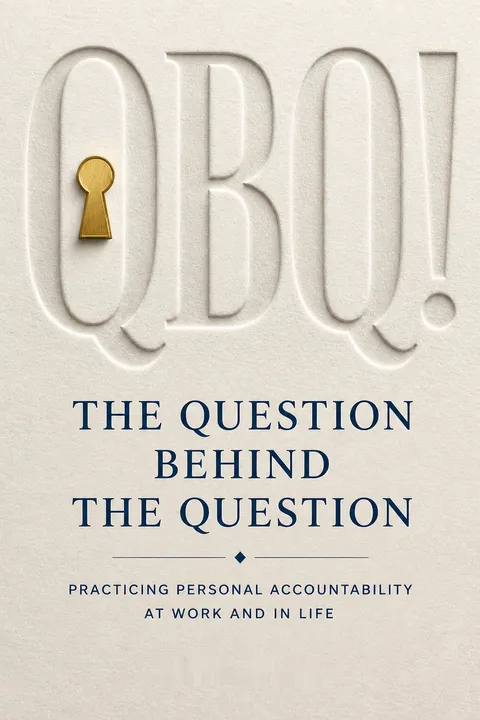
The Question Behind the Question® (QBQ!®) — это инструмент, который с годами совершенствовался и помогает каждому из нас — в том числе и мне — развивать личную ответственность, задавая себе более осознанные вопросы.
QBQ даёт силу каждому. The Question Behind the Question — мощный инструмент для формирования личной ответственности. Задавая более продуманные вопросы, мы меняем мышление: вместо обвинений и роли жертвы переходим к активному поиску решений. Такой подход помогает брать ответственность за свои действия и результаты, а не чувствовать себя беспомощными или перекладывать вину на других.
Лучшие вопросы рождают лучшие ответы. Когда мы спрашиваем себя, что можем сделать, чтобы улучшить ситуацию, открываем двери для новых возможностей и решений. Вместо «Почему это происходит со мной?» стоит спросить «Что я могу сделать, чтобы стало лучше?» Этот простой сдвиг в восприятии ведёт к более продуктивному мышлению и положительным результатам.
2. Избегайте вопросов «Почему», «Когда» и «Кто», которые ведут к обвинениям
Вопросы о виновных и обвинения ни к чему не приводят. Они порождают страх, убивают инновации, разрушают командный дух, возводят стены и мешают людям работать вместе.
Вопросы «Почему», «Когда» и «Кто» часто приводят к поиску виноватых. Такие вопросы вызывают перекладывание ответственности, оправдания и мышление жертвы. Они сосредоточены на прошлом и обстоятельствах вне нашего контроля, что порождает чувство беспомощности и разочарования.
Обвинения запускают порочный круг. Когда мы обвиняем других, мы:
- Разрушаем доверие и командную работу
- Подавляем инновации и страхуемся от рисков
- Создаём атмосферу страха и оборонительной позиции
- Тратим время и энергию на бесполезные споры
Вместо «Почему это случилось?» или «Кто виноват?» лучше задавать вопросы, которые ведут к решениям и личной ответственности.
3. Сосредоточьтесь на вопросах «Что» и «Как» с участием «Я»
Все вопросы QBQ начинаются с «Что» или «Как» (а не с «Почему», «Когда» или «Кто»).
Вопросы «Что» и «Как» стимулируют действия. Они переключают внимание с проблем на пути их решения. Такие вопросы заставляют думать о том, что мы можем сделать, чтобы улучшить ситуацию, а не зацикливаться на причинах или виновных.
Включайте «Я» в свои вопросы. Добавляя «я», мы берём ответственность за ситуацию и свою роль в ней. Это помогает сосредоточиться на том, что под нашим контролем, и как мы можем внести свой вклад в решение. Примеры эффективных вопросов QBQ:
- «Что я могу сделать, чтобы улучшить эту ситуацию?»
- «Как я могу помочь решить эту проблему?»
- «Какие шаги я могу предпринять, чтобы двигаться вперёд?»
4. Действие — высшая цель личной ответственности
Только через действие достигается результат.
Личная ответственность требует действий. Недостаточно просто задавать правильные вопросы — нужно предпринимать конкретные шаги для решения проблемы. Действия показывают нашу готовность искать решения и менять ситуацию к лучшему.
Преодолевайте страх бездействия. Хотя действовать порой страшно, бездействие — ещё больший риск. Действия приводят к:
- Обучению и росту
- Продвижению к решению
- Уверенности в себе
- Улучшению навыков решения проблем
Чтобы воплотить личную ответственность в жизнь, спросите себя: «Что я могу сделать прямо сейчас, чтобы изменить ситуацию?» И смело действуйте.
5. Изменения начинаются с вас, а не с других
Я могу изменить только себя.
Сосредоточьтесь на саморазвитии. Легко попасть в ловушку, пытаясь изменить других или обвиняя внешние обстоятельства. Но единственный человек, над которым у нас действительно есть власть — это мы сами. Работая над своими мыслями, поведением и действиями, мы достигаем реального прогресса и становимся примером для окружающих.
Ведите за собой своим примером. Беря ответственность за собственный рост, мы:
- Вдохновляем других поступать так же
- Создаём культуру ответственности
- Улучшаем отношения и взаимодействие
- Повышаем личную эффективность и удовлетворённость
Вместо «Когда изменятся другие?» или «Почему они не понимают?» спросите себя: «Как я могу улучшить свои результаты и отношение?»
6. Лидерство — это образ мышления, а не должность
Если мы думаем как лидеры, значит, мы лидеры.
Лидером может стать каждый. Лидерство — не про статус или титул, а про ответственность и влияние. Независимо от вашей позиции — будь вы новичок или генеральный директор — вы можете проявлять лидерство через свои действия и мышление.
Признаки лидерского мышления:
- Инициатива в решении проблем
- Поддержка и вдохновение других
- Постоянное обучение и развитие
- Фокус на решениях, а не на обвинениях
- Подача положительного примера
Приняв лидерское мышление и задавая вопросы вроде «Как я могу повлиять на ситуацию в своей роли?», вы станете лидером вне зависимости от формального статуса.
7. Учиться — значит меняться: применяйте знания на практике
Учёба — это не просто знать, что делать, а делать то, что знаешь.
Истинное обучение ведёт к изменениям. Недостаточно просто получить знания — настоящее обучение происходит, когда мы применяем их для позитивных изменений в жизни и работе. Без применения информация остаётся теорией и не приносит пользы.
Переводите знания в действия. Чтобы извлечь максимум из обучения:
- Определите конкретные способы применения новых идей
- Ставьте цели по внедрению полученных знаний
- Регулярно оценивайте прогресс и корректируйте подход
- Ищите обратную связь и возможности для практики
Спросите себя: «Как я могу применить то, что узнал, чтобы улучшить ситуацию или свои результаты?» И приступайте к конкретным действиям.
Обзор отзывов
Книга QBQ! Вопрос за вопросом вызывает неоднозначные отзывы. Одни читатели считают её полезным руководством по личной ответственности и улучшению отношений на работе, отмечая простоту и эффективность изложенной идеи. Другие же критикуют её за излишнюю упрощённость, повторяемость и недостаток глубины. Главная мысль книги — переосмысление вопросов с акцентом на личную ответственность — находит отклик у многих, но некоторые считают, что автор слишком упрощает сложные проблемы и игнорирует системные причины. Критики также обращают внимание на рекламный тон изложения и отсутствие убедительных научных доказательств в поддержку утверждений.
Читают также










Частые вопросы
What's "QBQ! The Question Behind the Question" about?
- Focus on Personal Accountability: The book emphasizes the importance of personal accountability in both work and life, encouraging individuals to take responsibility for their actions and decisions.
- Asking Better Questions: It introduces the concept of the Question Behind the Question (QBQ), which involves asking better, more accountable questions to improve outcomes.
- Practical Guidance: Through real-life examples and stories, the book provides practical guidance on how to implement QBQ thinking in everyday situations.
- Cultural Impact: The book aims to create a culture of accountability within organizations and personal lives, leading to improved productivity and satisfaction.
Why should I read "QBQ! The Question Behind the Question"?
- Improve Accountability: Reading the book can help you develop a mindset of personal accountability, which is crucial for personal and professional growth.
- Enhance Problem-Solving Skills: By learning to ask better questions, you can enhance your problem-solving skills and make more effective decisions.
- Reduce Stress: The book offers strategies to reduce stress by focusing on what you can control and taking proactive steps.
- Positive Change: It provides tools for creating positive change in your life and work environment by shifting your perspective and actions.
What are the key takeaways of "QBQ! The Question Behind the Question"?
- Personal Accountability: The core message is that personal accountability is essential for success and satisfaction in life and work.
- The Power of Questions: Asking the right questions can lead to better solutions and outcomes, while the wrong questions can lead to blame and inaction.
- Action-Oriented Thinking: The book encourages focusing on actions you can take rather than waiting for others to change or solve problems.
- Continuous Improvement: It emphasizes the importance of continuous self-improvement and learning through personal accountability.
What is the QBQ method introduced by John G. Miller?
- Question Behind the Question: The QBQ method involves looking beyond initial, often negative, questions to find more constructive and accountable ones.
- Three Guidelines: QBQs should begin with "What" or "How," contain an "I," and focus on action to ensure they lead to personal accountability.
- Avoiding Victim Thinking: The method helps individuals avoid victim thinking and instead take responsibility for their actions and outcomes.
- Practical Application: The QBQ method is designed to be applied in real-life situations to improve decision-making and problem-solving.
How can "QBQ! The Question Behind the Question" improve my work life?
- Enhanced Teamwork: By fostering personal accountability, the book can improve teamwork and collaboration within your organization.
- Better Communication: It encourages asking questions that lead to understanding and effective communication, reducing misunderstandings and conflicts.
- Increased Productivity: By focusing on what you can do and taking action, you can increase your productivity and effectiveness at work.
- Leadership Development: The principles in the book can help you develop leadership skills by modeling accountability and inspiring others.
What are some examples of QBQs versus Incorrect Questions (IQs)?
- IQs to Avoid: Questions like "Why is this happening to me?" or "Who is to blame?" focus on blame and victimhood.
- Effective QBQs: Instead, ask "What can I do to improve the situation?" or "How can I contribute to a solution?"
- Focus on Action: QBQs are designed to lead to action and personal responsibility, rather than deflecting responsibility onto others.
- Positive Outcomes: By asking QBQs, you can achieve more positive outcomes and foster a culture of accountability.
What are the best quotes from "QBQ! The Question Behind the Question" and what do they mean?
- "Stress is a choice." This quote emphasizes that stress often results from how we choose to respond to situations, not the situations themselves.
- "Ownership is personal accountability in its purest form." It highlights the importance of taking full responsibility for one's actions and their consequences.
- "The answers are in the questions." This means that by asking the right questions, we can find the solutions we need.
- "I can only change me." This underscores the idea that personal change is the only change we can control, and it starts with ourselves.
How does "QBQ! The Question Behind the Question" address the issue of blame?
- Blame as a Barrier: The book identifies blame as a major barrier to personal and organizational success, as it prevents problem-solving and accountability.
- Circle of Blame: It describes the "Circle of Blame," where individuals and teams pass responsibility onto others, hindering progress.
- Breaking the Cycle: By using QBQs, individuals can break the cycle of blame and focus on what they can do to contribute positively.
- Encouraging Ownership: The book encourages taking ownership of problems and solutions, rather than looking for scapegoats.
What role does leadership play in "QBQ! The Question Behind the Question"?
- Leadership at All Levels: The book asserts that leadership is not about titles or positions but about the mindset of personal accountability.
- Servant Leadership: It promotes the idea of servant leadership, where leaders support their teams by modeling accountability and facilitating success.
- Humility and Service: Effective leaders demonstrate humility and a willingness to serve others, which fosters a culture of accountability.
- Empowering Others: By practicing personal accountability, leaders can empower others to take responsibility and contribute to the organization's success.
How can "QBQ! The Question Behind the Question" be applied in personal life?
- Improving Relationships: The principles of QBQ can improve personal relationships by encouraging accountability and proactive communication.
- Parenting and Family: It offers insights into how parents can model accountability for their children, fostering a responsible family environment.
- Personal Growth: By focusing on what you can control and taking action, you can achieve personal growth and fulfillment.
- Life Satisfaction: Practicing personal accountability leads to greater life satisfaction by reducing stress and increasing a sense of control.
What are the risks of not practicing personal accountability as described in "QBQ! The Question Behind the Question"?
- Increased Stress: Without accountability, individuals may experience increased stress due to a lack of control over their circumstances.
- Stagnation and Inaction: Failing to take responsibility can lead to stagnation and inaction, preventing personal and professional growth.
- Blame Culture: A lack of accountability fosters a blame culture, which can damage relationships and hinder organizational success.
- Missed Opportunities: By not practicing accountability, individuals may miss opportunities for improvement and positive change.
How does "QBQ! The Question Behind the Question" suggest handling change and challenges?
- Adaptability: The book encourages asking questions like "How can I adapt to the changing world?" to foster adaptability and resilience.
- Proactive Problem-Solving: It emphasizes the importance of proactive problem-solving and taking action in the face of challenges.
- Embracing Change: By viewing change as an opportunity rather than a threat, individuals can navigate challenges more effectively.
- Continuous Learning: The book advocates for continuous learning and improvement as a way to handle change and overcome obstacles.
Скачать PDF
Скачать EPUB
.epub digital book format is ideal for reading ebooks on phones, tablets, and e-readers.








































