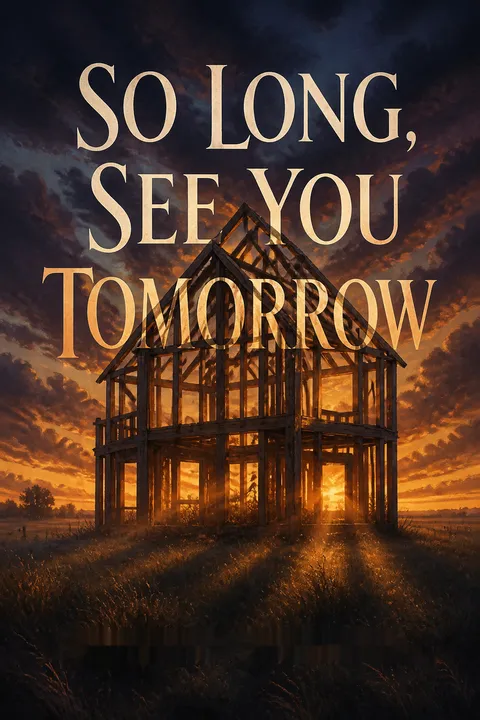
Краткий сюжет
Выстрел в темноте
В небольшом городке Иллинойса арендатор по имени Ллойд Уилсон найден мёртвым — застреленным в своём амбаре. Это убийство сотрясает всю общину, нарушая кажущееся спокойствие сельской жизни. Выстрел услышали рабочие на близлежащем гравийном карьере, но личность стрелка остаётся загадкой. Городок погружается в атмосферу подозрений и слухов, пытаясь осмыслить случившееся. Это преступление становится не просто трагедией, а катализатором, который разрушает жизни тех, кто был связан с Уилсоном, особенно семью Кларенса Смита — подозреваемого из-за ожесточённой вражды, вызванной романом между Уилсоном и женой Смита.
Скорбь и память
Рассказчик вспоминает своё детство, омрачённое смертью матери во время эпидемии гриппа 1918 года. Эта потеря оставляет в его душе пустоту, которую он пытается заполнить воспоминаниями и уютом родного дома. Отец, подавленный горем, изо всех сил старается сохранить видимость нормальной жизни для детей. Появление мачехи воспринимается рассказчиком как предательство памяти матери. Этот период скорби и перемен формирует его понимание утраты и течения времени — он цепляется за прошлое, но вынужден принимать перемены в семейных отношениях.
Новое начало и старые тени
Отец рассказчика женится вновь и строит новый дом, символизирующий свежий старт для семьи. Но рассказчику трудно отпустить прошлое и принять мачеху. Новый дом, хоть и завершённый, кажется пустым и чужим, словно новая семейная структура. Его внутренние переживания отражаются в исследовании дома вместе с другом Клетусом Смитом. Их дружба даёт краткое облегчение от внутренней борьбы, но тень прошлого остаётся тяжёлой: убийство Ллойда Уилсона и последовавший скандал с семьёй Клетуса угрожают разрушить их жизни.
Дружба и предательство
Рассказчик и Клетус сближаются, играя в недостроенном доме, но их дружба подвергается испытанию после убийства Ллойда Уилсона. Отец Клетуса, Кларенс Смит, оказывается замешан в преступлении, и скандал вынуждает Клетуса покинуть город. Рассказчик остаётся один наедине с потерей друга и чувством вины за то, что не протянул руку помощи. Эта глава раскрывает хрупкость детской дружбы и влияние взрослых конфликтов на юные жизни. Неспособность рассказчика преодолеть разрыв с Клетусом становится источником пожизненного сожаления — он размышляет о том, как упущенная возможность поддержки могла изменить многое.
Тяжесть тайн
Судебный процесс раскрывает запутанную сеть отношений и секретов, приведших к смерти Ллойда Уилсона. Брак Кларенса Смита рушится под тяжестью обвинений в измене, а суд обнажает личную жизнь участников перед общественностью. Рассказчик узнаёт о романе матери Клетуса с Уилсоном, что добавляет трагедии ещё один слой сложности. Тяжесть этих тайн сказывается на всех — от семей до всего сообщества. Рассказчик размышляет о природе истины и разрушительной силе скрытых желаний, наблюдая последствия суда и его влияние на семью Клетуса.
Правосудие и несправедливость
Суд над Кларенсом Смитом показывает ограничения правосудия, где истина затмевается юридическими манёврами и личными предубеждениями. Несмотря на улики, Смита не признают виновным в убийстве, что разделяет сообщество и заставляет рассказчика сомневаться в самой сути справедливости. Этот процесс становится микрокосмом более широких социальных проблем, где истина и справедливость часто уступают человеческой слабости. Разочарование рассказчика в судебной системе усугубляется чувством вины и бессилия — он пытается примирить произошедшее с собственным пониманием добра и зла.
Бремя молчания
Рассказчик вспоминает встречу с Клетусом в школьном коридоре много лет спустя, когда он не признал друга. Этот момент становится символом его глубочайшего сожаления и тяжести молчания, которое он несёт. Неспособность рассказчика высказать поддержку и понимание преследует его, он представляет, как его бездействие повлияло на жизнь Клетуса. Эта глава исследует темы вины, памяти и неизгладимых последствий упущенных возможностей. Размышления рассказчика — трогательное напоминание о важности эмпатии и силе маленьких жестов перед лицом трагедии.
Персонажи
Рассказчик
Рассказчик — задумчивый и чувствительный юноша, глубоко потрясённый смертью матери и изменениями в семье. Его интроспективность заставляет его часто возвращаться к прошлому, особенно к дружбе с Клетусом и событиям, связанным с убийством Ллойда Уилсона. Его путь — это принятие утраты и времени, борьба с чувством вины и сожаления за неспособность поддержать друга.
Клетус Смит
Клетус — друг рассказчика, чья жизнь перевернулась после убийства Ллойда Уилсона и скандала с его родителями. Он тихий и задумчивый, пытающийся справиться с последствиями преступления и обвинениями против отца. Его уход из города и молчание рассказчика становятся ключевыми моментами в размышлениях о дружбе и потере.
Кларенс Смит
Кларенс — отец Клетуса, чья жизнь разрушена романом жены с Ллойдом Уилсоном. Он трудолюбивый и стойкий, но не умеет выражать эмоции и справляться с предательством. Его участие в судебном процессе и распад семьи показывают разрушительную силу тайн и ограничения правосудия.
Ферн Смит
Ферн — жена Кларенса и мать Клетуса, чей роман с Ллойдом Уилсоном запускает цепь трагических событий. Она сложный персонаж, движимая желаниями и ограничениями брака. Её поступки и последовавший скандал оказывают глубокое влияние на семью, пока она пытается справиться с последствиями.
Ллойд Уилсон
Ллойд — арендатор, чья смерть становится отправной точкой истории. Он харизматичный и внутренне противоречивый, его роман с Ферн Смит приводит к трагедии. Его отношения с Кларенсом и Ферн раскрывают сложность человеческих желаний и последствия скрытых страстей.
Отец рассказчика
Отец рассказчика — ключевая фигура в его жизни, чьё горе по умершей жене формирует семейную динамику. Практичный и стойкий, он пытается сохранить стабильность для детей, борясь с собственными эмоциями. Его повторный брак и строительство нового дома символизируют попытки двигаться вперёд, несмотря на тень прошлого.
Мачеха рассказчика
Мачеха — добрая и терпеливая женщина, вошедшая в семью после смерти матери рассказчика. Она заботливая фигура, стремящаяся соединить прошлое и настоящее. Её роль подчёркивает сложности смешанных семей и вопросы верности и памяти.
Тётя Дженни
Тётя Дженни — тётя Ферн, которая поддерживает её и детей в трудные времена. Практичная и заботливая, она приносит чувство стабильности и уюта в хаос. Её роль подчёркивает важность расширенной семьи и сообщества в кризисные моменты.
Вдова
Вдова — второстепенный персонаж, олицетворяющий выносливость тех, кто остаётся после трагедии. Её взаимодействия с Ллойдом Уилсоном и семьёй Смитов показывают взаимосвязь сообщества и способы преодоления утраты и перемен.
Адвокат
Адвокат отражает сложности правосудия и моральных дилемм. Его участие в суде и взаимодействие с героями показывают ограничения закона в решении глубинных вопросов истины и справедливости.
Сюжетные приёмы
Убийство
Убийство Ллойда Уилсона — центральный сюжетный приём, запускающий цепь событий, меняющих жизни героев. Оно раскрывает скрытые желания, тайны и хрупкость человеческих отношений. Влияние убийства на сообщество и отдельных людей подчёркивает темы справедливости, предательства и последствий поступков.
Новый дом
Строительство нового дома — попытка отца рассказчика начать новую жизнь для семьи. Но дом также символизирует отчуждение и дискомфорт, которые испытывает рассказчик, пытаясь привыкнуть к новым семейным отношениям. Недостроенный дом становится местом игр для рассказчика и Клетуса, отражая их невинность и надвигающуюся потерю детства.
Судебный процесс
Суд над Кларенсом Смитом служит приёмом для исследования ограничений правосудия и сложностей истины и морали. Процесс обнажает личную жизнь героев перед общественностью, показывая предвзятость и несовершенства закона. Он подчёркивает тему справедливости и несправедливости, с которой сталкиваются персонажи.
Школьный коридор
Встреча рассказчика и Клетуса в школьном коридоре становится ключевым моментом, символизирующим пожизненное сожаление рассказчика и тяжесть молчания. Этот эпизод отражает важность эмпатии и силу маленьких жестов перед лицом трагедии, подчёркивая темы дружбы, вины и последствий бездействия.
Анализ
«До свидания, до завтра» — трогательное исследование сложностей человеческих отношений и неизгладимого влияния утраты и воспоминаний. Через призму убийства в маленьком городке роман раскрывает темы предательства, справедливости и течения времени. Размышления рассказчика о детстве и событиях вокруг убийства подчёркивают хрупкость невинности и способы, которыми люди справляются с горем и переменами. Исследование ограничений правосудия и сложностей истины и морали предлагает вечный комментарий о человеческом состоянии. В конечном счёте, история напоминает о важности эмпатии и понимания перед лицом трагедии и силе памяти, формирующей нашу жизнь.
Обзор отзывов
«До свидания, до завтра» — блестящая повесть о потере, памяти и сожалении, покорившая сердца читателей и критиков! Действие разворачивается в сельском Иллинойсе 1920-х годов. В центре сюжета — последствия убийства, увиденные глазами рассказчика, которого всю жизнь преследуют воспоминания о детской дружбе с сыном убийцы. Читатели восхищаются скупой, но невероятно красивой прозой Максвелла, его умением передавать сложнейшие эмоции и необычной структурой повествования. Многие по праву считают эту книгу шедевром литературы XX века — за её глубокое исследование детства, горя и обманчивости памяти. Без преувеличений!
Читают также



Частые вопросы
Synopsis & Basic Details
What is So Long, See You Tomorrow about?
- Memory and Loss Intertwined: The novel is a reflective memoir by an unnamed narrator recalling a childhood tragedy in rural Illinois in the 1920s, specifically the murder of a tenant farmer, Lloyd Wilson, by his neighbor, Clarence Smith.
- Friendship Under Strain: The narrative centers on the narrator's brief friendship with Cletus Smith, the murderer's son, formed while playing in the narrator's unfinished new house, a friendship abruptly ended by the crime and its fallout.
- Unraveling the Past: Decades later, the narrator revisits the events, piecing together details from newspaper accounts and fragmented memories, attempting to understand the complex human emotions, betrayals, and societal pressures that led to the tragedy and his own subsequent guilt over a missed connection with Cletus.
- Impact of Adult Actions: The story explores how the hidden lives and conflicts of adults, particularly an affair between Lloyd Wilson and Clarence Smith's wife, Fern, shatter the innocence and futures of their children.
Why should I read So Long, See You Tomorrow?
- Profound Emotional Depth: The novel offers a deeply moving exploration of childhood grief, the complexities of memory, unspoken feelings, and the lasting burden of guilt and regret, resonating with universal human experiences.
- Masterful Prose and Structure: William Maxwell employs a deceptively simple, conversational style and a non-linear structure that weaves personal reflection with historical reconstruction, creating a powerful sense of atmosphere and psychological insight.
- Subtle Social Commentary: It provides a nuanced look at class distinctions, community dynamics, and the limitations of justice in a small Midwestern town in the early 20th century, revealing the hidden tensions beneath a seemingly placid surface.
What is the background of So Long, See You Tomorrow?
- Midwestern Setting & Time: The story is set in Lincoln, Illinois, in the early 1920s, a period marked by post-WWI changes, Prohibition, and lingering traditional social structures, providing a specific cultural and geographical context for the events.
- Author's Personal History: William Maxwell drew heavily on his own childhood experiences in Lincoln, including the death of his mother during the 1918 flu epidemic and a local murder scandal involving families he knew, lending the narrative a strong sense of authenticity and personal resonance.
- Rural vs. Town Life: The novel contrasts the isolated, often harsh realities of tenant farming life with the more settled, socially stratified life in town, highlighting the different pressures and expectations faced by characters like the Wilsons and Smiths compared to the narrator's family.
What are the most memorable quotes in So Long, See You Tomorrow?
- "In talking about the past we lie with every breath we draw.": This quote encapsulates the novel's central theme of the unreliability and subjective nature of memory, suggesting that our recollections are not fixed facts but fluid narratives shaped by emotion and interpretation (Chapter III).
- "It is hard enough for adults to keep their emotional reactions in something like balance. Children simply feel what they feel...": This highlights the raw, unfiltered emotional landscape of childhood and contrasts it with the often suppressed or complicated feelings of adults, explaining the narrator's intense reactions to loss and change (Chapter II).
- "I think now—I think if I had turned and walked along beside him and not said anything, it might have been the right thing to do.": This poignant reflection on the narrator's failure to connect with Cletus in the school corridor embodies his lifelong regret and the novel's exploration of the lasting impact of small, seemingly insignificant moments of inaction (Chapter IV).
What writing style, narrative choices, and literary techniques does William Maxwell use?
- Conversational and Introspective Tone: Maxwell employs a first-person narrator who speaks directly to the reader in a gentle, reflective, and often hesitant voice, creating an intimate and confessional atmosphere that mirrors the process of memory retrieval.
- Non-Linear and Fragmented Structure: The narrative jumps between the narrator's present-day reflections, his childhood experiences, and the reconstructed events of the murder and trial, mirroring the way memory works and emphasizing the difficulty of imposing order on chaotic past events.
- Juxtaposition and Symbolism: Maxwell frequently juxtaposes seemingly unrelated elements (e.g., the unfinished house and Giacometti's "Palace at 4 A.M.", the dog's loyalty and human betrayal) and uses recurring motifs (houses, weather, animals) to add layers of symbolic meaning and connect personal experience to broader themes.
Hidden Details & Subtle Connections
What are some minor details that add significant meaning?
- The Missing Ear: The shocking detail that the murderer cut off Lloyd Wilson's ear and took it with him, initially withheld by the newspaper, is a grotesque detail that hints at the extreme, perhaps symbolic, nature of Clarence's rage and possession, going beyond simple murder (Chapter I).
- The Anvil's Disappearance: James Walker, the new tenant, notes the disappearance of a small anvil after Clarence visits the farm, a seemingly minor theft that underscores Clarence's lingering sense of ownership and perhaps a symbolic act of taking back something tangible from the place he lost (Chapter III).
- The Dog's Loyalty and Abandonment: The detailed portrayal of the farm dog, Trixie, waiting for Cletus, her distress after Clarence leaves, and her eventual fate, serves as a poignant parallel to the human themes of loyalty, abandonment, and the innocent caught in the crossfire of adult conflict (Chapters V, VII, VIII).
What are some subtle foreshadowing and callbacks?
- The Gravel Pit's Depth: The initial description of the gravel pit as "so deep that boys under sixteen were forbidden... to swim there" and rumored to have "no bottom" subtly foreshadows its later role as the final resting place for Clarence Smith, linking the place of the crime's first sound to its tragic conclusion (Chapter I, Chapter III).
- The Father's Grief Pacing: The narrator's detailed description of his father's repetitive pacing through the house after his mother's death is echoed later in Clarence Smith's own restless, brooding behavior after his divorce and loss, subtly linking the experience of profound loss across different characters (Chapter II, Chapter VIII).
- The Unfinished House as a Palace: The narrator's comparison of his father's unfinished house framing to Giacometti's "Palace at 4 A.M." foreshadows the house's symbolic role as a place of both potential and fragility, a structure where boundaries are permeable and reality feels fluid, much like memory itself (Chapter III).
What are some unexpected character connections?
- The Stepmother's Early Kindness: The narrator reveals that his future stepmother was present at his mother's funeral luncheon and gently encouraged him to eat, establishing an early, unexpected connection based on empathy that complicates his later resentment of her role in the family (Chapter II).
- Colonel Dowling's Unexpected Courtesy: The landowner, Colonel Dowling, despite his social standing and proprietary attitude ("my corn"), is shown to be unexpectedly courteous to his tenant's wife, Fern, and knows the boys' names, a detail that slightly softens the portrayal of class division and highlights his attempt to be a "gentleman" (Chapter V).
- The Widow's Social Aspirations: The seemingly minor character of the widow hired by Lloyd Wilson is revealed to have social aspirations and takes pride in her family's history, adding a layer of complexity to her character and subtly highlighting the pervasive social consciousness in the community (Chapter VII).
Who are the most significant supporting characters?
- Aunt Jenny: Fern Smith's aunt provides a crucial anchor of stability and a physical refuge for Fern and the boys after the divorce, representing steadfast, if sometimes misguided, family loyalty and traditional values amidst the chaos (Chapters VI, VII, VIII).
- Fred Wilson: Lloyd Wilson's uncle, who lives with him, offers a quiet presence and provides key testimony at the inquest, representing the older generation's perspective and the disruption the murder causes to established, peaceful routines (Chapter I, Chapter VII).
- Victor Jensen: The Smiths' hired man, Victor, becomes a key, albeit unreliable, witness in the divorce trial, his testimony influenced by alcohol and legal manipulation, highlighting how vulnerable individuals can be used and confused by the "machinery of justice" (Chapters VI, VII, VIII).
Psychological, Emotional, & Relational Analysis
What are some unspoken motivations of the characters?
- Narrator's Guilt and Atonement: The narrator's primary unspoken motivation for recounting the story is a deep-seated guilt over his failure to acknowledge Cletus in the school corridor, viewing the memoir itself as a "roundabout, futile way of making amends" (Chapter II).
- Clarence Smith's Possessiveness: Beyond jealousy, Clarence's rage seems fueled by a profound sense of betrayal regarding his friendship with Lloyd and a possessive view of his wife and farm, seeing them as extensions of himself that have been stolen or defiled (Chapters III, V, VIII).
- Fern Smith's Desire for Freedom: While the affair with Lloyd is a catalyst, Fern's actions are also driven by a desire to escape a marriage where she feels unheard and confined ("You treat the horses better than you treat me!"), seeking a sense of agency and happiness she lacked (Chapters VI, VII).
What psychological complexities do the characters exhibit?
- The Narrator's Dissociation and Memory Distortion: The narrator copes with trauma by dissociating ("walked through a door that I shouldn't have gone through") and acknowledges that his memory is a "form of storytelling" that changes, revealing the mind's complex ways of processing unbearable reality (Chapter II, Chapter III).
- Clarence Smith's Delusional Thinking: After the trial, Clarence exhibits signs of psychological breakdown, his sense of cause and effect suffering a "permanent distortion," leading to brooding, physical deterioration, and a fixation on being wronged, culminating in his suicide (Chapter VIII).
- Lloyd Wilson's Emotional Deadness and Awakening: Lloyd describes a period of emotional "deadness" in his marriage before the affair, suggesting a psychological state of stagnation from which the passion with Fern, however destructive, provides a powerful, albeit temporary, escape (Chapter VI).
What are the major emotional turning points?
- The Mother's Death: For the narrator, this is the foundational trauma, marking the end of a perceived perfect world and initiating a period of profound grief, emotional withdrawal, and a lifelong struggle with loss and change (Chapter II).
- The Divorce Trial Testimony: For Clarence and Fern, the public airing of their private lives and Victor's testimony is a devastating emotional turning point, solidifying their estrangement and pushing Clarence further into despair and a distorted view of reality (Chapter V, Chapter VIII).
- The School Corridor Encounter: For the narrator, this brief, silent meeting with Cletus years later is the pivotal emotional moment of the memoir, crystallizing his regret and becoming a recurring source of guilt that drives his attempt to understand the past (Chapter IV, Chapter IX).
How do relationship dynamics evolve?
- Narrator and Father: The relationship shifts from childhood intimacy (earache remedy, pacing together) to wary distance after the father's remarriage and perceived lack of understanding, highlighting the challenges of communication and emotional expression between them (Chapter II).
- Clarence and Lloyd: Their relationship transforms from a deep, mutually supportive friendship ("bosom friends") to bitter enmity and suspicion due to the affair, illustrating how betrayal can irrevocably destroy even the strongest bonds (Chapter III, Chapter VI).
- Fern and Clarence: Their marriage deteriorates from underlying dissatisfaction and arguments to open conflict, legal battle, and mutual accusation, culminating in a complete breakdown of trust and communication, driven by Fern's pursuit of happiness and Clarence's inability to cope with betrayal (Chapters VI, VII, VIII).
Interpretation & Debate
Which parts of the story remain ambiguous or open-ended?
- The Full Extent of Fern and Lloyd's Relationship: While the affair is confirmed, the depth of their emotional connection and the specifics of their encounters are left somewhat ambiguous, filtered through the narrator's reconstruction and the limited, biased testimony presented at trial (Chapters V, VI).
- Cletus's Awareness and Internal State: The narrative speculates on how much Cletus knew about his parents' troubles and the affair, but his internal experience and reaction to the tragedy are largely inferred by the narrator, leaving his true feelings and the impact on him open to interpretation (Chapters III, IV, VII).
- The Narrator's True Motivation for Silence: While the narrator attributes his silence in the corridor to surprise and not knowing what was "polite," the deeper psychological reasons—perhaps fear, shame by association, or a learned habit of emotional withdrawal—remain open to reader interpretation (Chapter IV, Chapter IX).
What are some debatable, controversial scenes or moments in So Long, See You Tomorrow?
- The Cutting Off of the Ear: This detail is presented as fact from the newspaper but is so shocking and seemingly gratuitous that it invites debate about its literal truth versus its symbolic significance as an act of mutilation and ultimate possession, or even a potential embellishment in the reporting (Chapter I).
- Victor Jensen's Trial Testimony: The hired man's testimony is portrayed as confused and potentially coerced ("words that had been put in his mouth"), raising questions about the reliability of witness accounts and the manipulation of truth within the legal system (Chapter VIII).
- Clarence Hitting Cletus: The scene where Clarence strikes Cletus after his son offers insightful advice about Fern's behavior is a disturbing moment that highlights Clarence's psychological distress and inability to process truth, sparking debate about the nature of his violence and the impact on Cletus (Chapter VII).
So Long, See You Tomorrow Ending Explained: How It Ends & What It Means
- Clarence's Suicide and the Unresolved Murder: The story culminates with the discovery of Clarence Smith's body in the gravel pit, confirming his suicide but leaving the official murder verdict as "Death from a gunshot wound inflicted by an unknown hand," highlighting the failure of the legal system to definitively close the case and the lingering ambiguity surrounding the events (Chapter III, Chapter VIII).
- The Narrator's Enduring Guilt: The final chapters focus on the narrator's lifelong regret over his failure to speak to Cletus in the school corridor years later. This unresolved moment becomes the central burden he carries, symbolizing the lasting consequences of inaction and the inability to connect across the chasm created by trauma and social distance (Chapter IV, Chapter IX).
- Memory as Reconstruction and Atonement: The ending emphasizes that the memoir itself is an act of memory and attempted atonement, a "futile way of making amends" for the narrator's perceived failure. It suggests that while the past cannot be changed or fully known, the act of revisiting and attempting to understand it is a necessary, ongoing process for the survivor (Chapter II, Chapter IX).
Скачать PDF
Скачать EPUB
.epub digital book format is ideal for reading ebooks on phones, tablets, and e-readers.








































