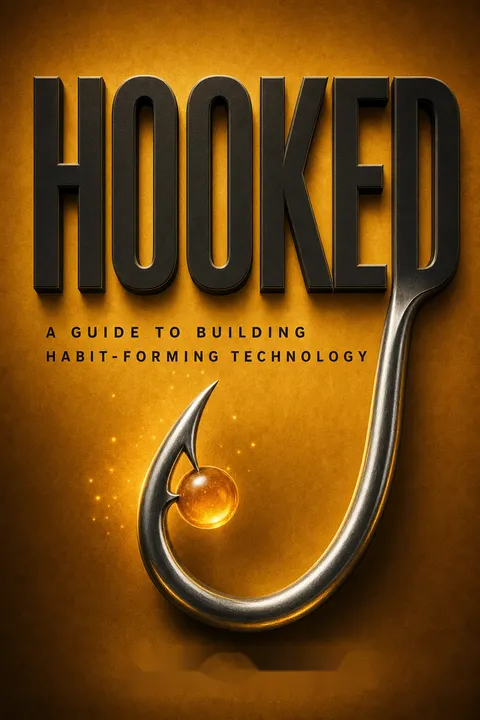

ประเด็นสำคัญ
1. โมเดลฮุค: กรอบแนวคิดสำหรับการสร้างผลิตภัณฑ์ที่สร้างนิสัย
เทคโนโลยีที่สร้างนิสัยคือเครื่องยนต์ที่มองไม่เห็นซึ่งขับเคลื่อนชีวิตประจำวันของเรา
โมเดลฮุค ประกอบด้วยสี่ขั้นตอน ได้แก่ การกระตุ้น, การกระทำ, รางวัลที่แปรผัน, และการลงทุน วงจรนี้เมื่อทำซ้ำจะสร้างนิสัยที่ทรงพลังให้กับผู้ใช้ บริษัทต่าง ๆ เช่น Facebook, Twitter, และ Pinterest ได้ใช้โมเดลนี้อย่างประสบความสำเร็จในการสร้างผลิตภัณฑ์ที่ผู้ใช้มีส่วนร่วมบ่อยครั้งและโดยไม่ต้องถูกกระตุ้น
ส่วนประกอบสำคัญ:
- การกระตุ้น: ตัวกระตุ้นพฤติกรรม
- การกระทำ: พฤติกรรมที่ง่ายที่สุดในความคาดหวังของรางวัล
- รางวัลที่แปรผัน: ความพึงพอใจในความต้องการของผู้ใช้ในขณะที่ยังคงทำให้พวกเขาต้องการมากขึ้น
- การลงทุน: เมื่อผู้ใช้ใส่สิ่งที่มีค่าเข้าไปในระบบ ทำให้มีโอกาสกลับมาใช้งานมากขึ้น
โดยการเข้าใจและนำไปใช้ในแต่ละขั้นตอน นักออกแบบผลิตภัณฑ์สามารถสร้างประสบการณ์ที่สอดคล้องกับปัญหาและความต้องการของผู้ใช้ ซึ่งนำไปสู่พฤติกรรมอัตโนมัติและการมีส่วนร่วมที่เพิ่มขึ้น
2. การกระตุ้น: จุดเริ่มต้นที่กระตุ้นพฤติกรรมของผู้ใช้
การกระตุ้นภายนอกมีข้อมูลฝังอยู่ ซึ่งบอกผู้ใช้ว่าควรทำอะไรต่อไป
การกระตุ้นมีสองประเภท: การกระตุ้นภายนอกและการกระตุ้นภายใน การกระตุ้นภายนอกคือสัญญาณจากสิ่งแวดล้อม เช่น อีเมล, ไอคอนแอป, หรือการแจ้งเตือน การกระตุ้นภายในเกิดขึ้นโดยอัตโนมัติในจิตใจและมักเป็นอารมณ์เชิงลบ เช่น ความเบื่อหน่าย, ความกลัว, หรือความไม่แน่ใจ
การกระตุ้นที่มีประสิทธิภาพ:
- มีการจัดเวลาและสามารถดำเนินการได้
- กระตุ้นการมีส่วนร่วมทั้งในระยะสั้นและระยะยาว
- เปลี่ยนผู้ใช้จากการกระตุ้นภายนอกไปสู่การกระตุ้นภายในเมื่อเวลาผ่านไป
เพื่อสร้างผลิตภัณฑ์ที่สร้างนิสัย นักออกแบบต้องเข้าใจการกระตุ้นภายในของผู้ใช้และใช้การกระตุ้นภายนอกเพื่อกระตุ้นการมีส่วนร่วมในเบื้องต้น เมื่อผู้ใช้มีส่วนร่วมกับผลิตภัณฑ์ซ้ำ ๆ พวกเขาจะสร้างความสัมพันธ์ระหว่างผลิตภัณฑ์และความต้องการภายในของตน ซึ่งนำไปสู่พฤติกรรมอัตโนมัติในที่สุด
3. การกระทำ: ทำให้เส้นทางสู่รางวัลง่ายขึ้น
เพื่อเพิ่มโอกาสในการเกิดพฤติกรรม Fogg แนะนำให้นักออกแบบมุ่งเน้นที่ความเรียบง่ายซึ่งเป็นฟังก์ชันของทรัพยากรที่หายากที่สุดของผู้ใช้ในขณะนั้น
ความเรียบง่ายคือกุญแจ ในการกระตุ้นการกระทำของผู้ใช้ ยิ่งการกระทำง่ายเท่าไหร่ ผู้ใช้ก็ยิ่งมีแนวโน้มที่จะทำมากขึ้นเท่านั้น ขั้นตอนนี้อิงจากโมเดลพฤติกรรมของ Fogg ซึ่งระบุว่าการจะเกิดพฤติกรรมขึ้นได้ต้องมีสามองค์ประกอบมาบรรจบกัน: แรงจูงใจ, ความสามารถ, และการกระตุ้น
เพื่อเพิ่มความสามารถ:
- ลดเวลาที่ต้องใช้
- ลดค่าใช้จ่ายทางการเงิน
- ลดความพยายามทางกายภาพ
- ลดภาระทางปัญญา
- สอดคล้องกับบรรทัดฐานทางสังคม
- ทำให้การกระทำไม่เป็นกิจวัตร
ผลิตภัณฑ์ที่ประสบความสำเร็จ เช่น Google, Twitter, และ Instagram ได้เชี่ยวชาญในการทำให้การกระทำของผู้ใช้ง่ายขึ้น โดยการขจัดอุปสรรคและทำให้พฤติกรรมที่ต้องการทำได้ง่ายขึ้น บริษัทเหล่านี้จึงเพิ่มการมีส่วนร่วมของผู้ใช้และสร้างนิสัยที่แข็งแกร่ง
4. รางวัลที่แปรผัน: ความตื่นเต้นที่ไม่สามารถคาดเดาได้ซึ่งทำให้ผู้ใช้มีส่วนร่วม
รางวัลที่แปรผันเป็นหนึ่งในเครื่องมือที่ทรงพลังที่สุดที่บริษัทใช้เพื่อดึงดูดผู้ใช้
พลังของความแปรผัน อยู่ที่ความสามารถในการเพิ่มการมีส่วนร่วมและแรงจูงใจของผู้ใช้ เมื่อรางวัลไม่สามารถคาดเดาได้ จะสร้างสภาวะจิตใจที่มุ่งเน้น กระตุ้นระบบโดปามีนในสมองและกดพื้นที่ที่เกี่ยวข้องกับการตัดสินใจและเหตุผล
สามประเภทของรางวัลที่แปรผัน:
- ชนเผ่า: รางวัลทางสังคมจากคนอื่น
- การล่า: การค้นหาทรัพยากรหรือข้อมูล
- ตัวเอง: รางวัลภายในจากความเชี่ยวชาญหรือการทำสำเร็จ
บริษัทต่าง ๆ เช่น Facebook (ชนเผ่า), Twitter (การล่า), และ Codecademy (ตัวเอง) ใช้ประเภทของรางวัลเหล่านี้อย่างมีประสิทธิภาพเพื่อให้ผู้ใช้กลับมาอีกครั้ง โดยการตอบสนองความต้องการของผู้ใช้ในขณะที่ยังคงทำให้พวกเขาต้องการมากขึ้น รางวัลที่แปรผันจึงสร้างแรงจูงใจที่ทรงพลังในการกลับมาใช้ผลิตภัณฑ์
5. การลงทุน: วิธีที่ความพยายามของผู้ใช้เพิ่มมูลค่าของผลิตภัณฑ์
แนวคิดหลักของขั้นตอนการลงทุนคือการใช้ประโยชน์จากความเข้าใจของผู้ใช้ว่าบริการจะดีขึ้นเมื่อใช้งาน (และการลงทุนส่วนตัว)
ขั้นตอนการลงทุน มีความสำคัญต่อการสร้างการมีส่วนร่วมในระยะยาว มันเกี่ยวข้องกับการที่ผู้ใช้ใส่สิ่งที่มีค่าเข้าไปในระบบ ซึ่งเพิ่มโอกาสในการกลับมาใช้งาน ขั้นตอนนี้ใช้หลักจิตวิทยาหลายประการ รวมถึงความผิดพลาดจากต้นทุนที่จมและผลกระทบจากการถือครอง
รูปแบบของการลงทุน:
- เวลา
- ข้อมูล
- ความพยายาม
- ทุนทางสังคม
- เงิน
การลงทุนสามารถปรับปรุงบริการสำหรับการใช้งานในอนาคต เชิญชวนผู้ใช้ให้ "เก็บค่า" ในแพลตฟอร์ม หรือกระตุ้นให้ผู้ใช้ทำการลงทุนเพิ่มเติม ตัวอย่างเช่น การเติมโปรไฟล์ของ LinkedIn, กลไกการปัดของ Tinder, และฟีเจอร์ streaks ของ Snapchat โดยการกระตุ้นการลงทุนเล็กน้อย ผลิตภัณฑ์จะมีมูลค่ามากขึ้นสำหรับผู้ใช้เมื่อเวลาผ่านไป เพิ่มโอกาสในการมีส่วนร่วมต่อไป
6. การพิจารณาด้านจริยธรรมในการออกแบบเทคโนโลยีที่สร้างนิสัย
โมเดลฮุคเกี่ยวข้องกับการเปลี่ยนแปลงพฤติกรรมของผู้คน แต่พลังในการสร้างผลิตภัณฑ์ที่โน้มน้าวใจควรใช้ด้วยความระมัดระวัง
แมทริกซ์การจัดการ เป็นเครื่องมือสำหรับผู้ประกอบการในการประเมินจริยธรรมของผลิตภัณฑ์ที่สร้างนิสัย มันตั้งคำถามสำคัญสองข้อ: "ฉันจะใช้ผลิตภัณฑ์นี้เองหรือไม่?" และ "ผลิตภัณฑ์นี้จะช่วยให้ผู้ใช้พัฒนาชีวิตของพวกเขาได้จริงหรือไม่?"
สี่ประเภทของผู้สร้าง:
- ผู้ช่วย: สร้างผลิตภัณฑ์ที่พวกเขาจะใช้และเชื่อว่าช่วยปรับปรุงชีวิตของผู้ใช้
- ผู้ขาย: เชื่อว่าผลิตภัณฑ์ของพวกเขาช่วยปรับปรุงชีวิต แต่ไม่ใช้มันเอง
- ผู้บันเทิง: สร้างผลิตภัณฑ์ที่พวกเขาจะใช้ แต่ไม่จำเป็นต้องปรับปรุงชีวิต
- ผู้ค้า: สร้างผลิตภัณฑ์ที่พวกเขาจะไม่ใช้และไม่เชื่อว่าช่วยปรับปรุงชีวิต
ผู้สร้างผลิตภัณฑ์ควรพยายามเป็นผู้ช่วย โดยการสร้างผลิตภัณฑ์ที่ปรับปรุงชีวิตของผู้ใช้จริง ๆ ในขณะที่คำนึงถึงผลกระทบเชิงลบที่อาจเกิดขึ้น วิธีการนี้ไม่เพียงแต่สอดคล้องกับการพิจารณาด้านจริยธรรม แต่ยังเพิ่มโอกาสในการประสบความสำเร็จในระยะยาว
7. การระบุโอกาสสำหรับผลิตภัณฑ์ที่สร้างนิสัย
ทุกครั้งที่เทคโนโลยีใหม่ทำให้พฤติกรรมง่ายขึ้น โอกาสใหม่ ๆ จะเกิดขึ้น
โอกาสในการสร้างนวัตกรรม มักเกิดจากความก้าวหน้าทางเทคโนโลยี การเปลี่ยนแปลงพฤติกรรมของผู้ใช้ หรือการเปลี่ยนแปลงในการออกแบบอินเทอร์เฟซ โดยการระบุโอกาสเหล่านี้ ผู้ประกอบการสามารถสร้างผลิตภัณฑ์ที่ตอบสนองความต้องการที่แท้จริงของผู้ใช้และสร้างนิสัยที่ยั่งยืน
พื้นที่ที่ควรสำรวจ:
- พฤติกรรมใหม่: รูปแบบการนำไปใช้ในช่วงแรกที่อาจกลายเป็นกระแสหลัก
- เทคโนโลยีที่เอื้ออำนวย: โครงสร้างพื้นฐานใหม่ที่ทำให้พฤติกรรมบางอย่างง่ายขึ้น
- การเปลี่ยนแปลงอินเทอร์เฟซ: การเปลี่ยนแปลงวิธีที่ผู้ใช้มีปฏิสัมพันธ์กับเทคโนโลยี
ตัวอย่างเช่น การเพิ่มขึ้นของสมาร์ทโฟนที่ทำให้ผลิตภัณฑ์ที่เน้นมือถือเป็นไปได้, แพลตฟอร์มโซเชียลมีเดียที่ใช้เนื้อหาที่สร้างโดยผู้ใช้, และเทคโนโลยีสวมใส่ที่สร้างโอกาสใหม่สำหรับแอปพลิเคชันด้านสุขภาพและฟิตเนส โดยการติดตามการเปลี่ยนแปลงเหล่านี้ ผู้ประกอบการสามารถระบุโอกาสที่ไม่เหมือนใครในการสร้างผลิตภัณฑ์ที่สร้างนิสัย
8. กระบวนการทดสอบนิสัย: การวัดและปรับปรุงการมีส่วนร่วมของผู้ใช้
การทดสอบนิสัยช่วยเปิดเผยผู้ใช้ที่มีความภักดี, ค้นหาว่าส่วนประกอบใดของผลิตภัณฑ์ที่สร้างนิสัย (ถ้ามี) และทำไมแง่มุมเหล่านั้นของผลิตภัณฑ์จึงเปลี่ยนพฤติกรรมของผู้ใช้
กระบวนการทดสอบนิสัย ประกอบด้วยสามขั้นตอน: ระบุ, รหัส, และปรับเปลี่ยน วิธีการวนซ้ำนี้ช่วยให้นักออกแบบผลิตภัณฑ์สามารถวัดและปรับปรุงศักยภาพในการสร้างนิสัยของผลิตภัณฑ์ได้
ขั้นตอนในการทดสอบนิสัย:
- ระบุ: กำหนดว่าผู้ใช้ที่มีความภักดีคือใคร
- รหัส: เข้าใจว่าผู้ใช้ที่มีความภักดีทำอะไรบ้าง
- ปรับเปลี่ยน: ปรับผลิตภัณฑ์ของคุณเพื่อกระตุ้นให้ผู้ใช้มากขึ้นทำตามเส้นทางเดียวกัน
เมตริกสำคัญที่ควรพิจารณา ได้แก่ ความถี่ในการใช้งาน, เปอร์เซ็นต์ของผู้ใช้ที่มีความภักดี, และรูปแบบพฤติกรรมเฉพาะ โดยการทดสอบและปรับปรุงผลิตภัณฑ์อย่างต่อเนื่องตามข้อมูลของผู้ใช้ คุณสามารถเพิ่มศักยภาพในการสร้างนิสัยและความสำเร็จโดยรวมของผลิตภัณฑ์ได้
สรุปรีวิว
Hooked ได้รับการตอบรับที่ดีเป็นส่วนใหญ่จากผู้อ่านสำหรับกรอบแนวคิดที่ชัดเจนในการสร้างผลิตภัณฑ์ที่ทำให้เกิดนิสัย ผู้คนชื่นชมข้อมูลเชิงปฏิบัติและหลักจิตวิทยาที่อยู่เบื้องหลังการมีส่วนร่วมของผู้ใช้ อย่างไรก็ตาม บางคนวิจารณ์ความยาวของหนังสือและผลกระทบทางจริยธรรมของการ "ดึงดูด" ผู้ใช้ โมเดล Hook มีสี่ขั้นตอน ได้แก่ การกระตุ้น การกระทำ รางวัลที่แปรผัน และการลงทุน ซึ่งได้รับการพูดถึงอย่างกว้างขวาง หลายคนพบว่ามันมีคุณค่าสำหรับการออกแบบผลิตภัณฑ์และการเข้าใจพฤติกรรมของผู้ใช้ ในขณะที่บางคนตั้งคำถามเกี่ยวกับศักยภาพในการควบคุมผู้ใช้ โดยรวมแล้วถือเป็นการอ่านที่มีประโยชน์สำหรับผู้ประกอบการและผู้จัดการผลิตภัณฑ์ แม้จะมีข้อกังวลเกี่ยวกับแนวทางของมันก็ตาม
คนอื่นยังอ่าน









คำถามที่พบบ่อย
What's "Hooked: A Guide to Building Habit-Forming Technology" about?
- Author and Purpose: Written by Nir Eyal with Ryan Hoover, the book explores how to create habit-forming products using psychological principles.
- Core Concept: It introduces the Hook Model, a four-step process that companies use to encourage user habits.
- Target Audience: The book is aimed at entrepreneurs, product managers, and designers interested in understanding user behavior.
- Practical Application: It provides actionable insights for building products that people use regularly without relying on expensive marketing.
Why should I read "Hooked: A Guide to Building Habit-Forming Technology"?
- Understand User Behavior: Gain insights into the psychological triggers that drive user engagement and retention.
- Improve Product Design: Learn how to design products that become a natural part of users' routines.
- Competitive Advantage: Discover how habit-forming products can provide a significant edge in crowded markets.
- Ethical Considerations: The book also addresses the moral implications of creating addictive technologies.
What is the Hook Model in "Hooked"?
- Four Phases: The Hook Model consists of Trigger, Action, Variable Reward, and Investment.
- Trigger: Initiates the behavior, can be external (notifications) or internal (emotions).
- Action: The simplest behavior in anticipation of a reward.
- Variable Reward and Investment: Keeps users engaged by offering unpredictable rewards and encouraging them to invest in the product.
What are the key takeaways of "Hooked: A Guide to Building Habit-Forming Technology"?
- Habit Formation: Understand how habits are formed and the role of frequency and perceived utility.
- User Engagement: Learn how to create products that users return to without external prompting.
- Investment Phase: Discover how user investment increases the likelihood of repeated engagement.
- Ethical Design: Consider the moral responsibilities when designing habit-forming products.
How does "Hooked" define a habit?
- Automatic Behavior: Habits are defined as behaviors done with little or no conscious thought.
- Triggered by Cues: They are often triggered by situational cues, either external or internal.
- Engineered Actions: The book explains how products can be designed to become habitual.
- Impact on Behavior: Habits significantly alter everyday behavior as intended by designers.
What are the types of triggers in the Hook Model?
- External Triggers: These include notifications, emails, and app icons that prompt user action.
- Internal Triggers: These are emotions or thoughts that cue behavior without external prompts.
- Transition from External to Internal: Successful products transition users from external to internal triggers.
- Example: A user might initially be prompted by a notification but later use the product out of habit.
What role do variable rewards play in the Hook Model?
- Create Cravings: Variable rewards create a craving that drives users to return.
- Types of Rewards: The book identifies three types: rewards of the tribe (social), hunt (material), and self (intrinsic).
- Unpredictability: The unpredictability of rewards keeps users engaged.
- Example: Social media platforms use likes and comments as variable rewards.
How does the investment phase work in the Hook Model?
- User Effort: Users invest time, data, or effort, increasing the product's value to them.
- Future Rewards: Investments are about anticipating future rewards, not immediate gratification.
- Stored Value: The more users invest, the more valuable the product becomes to them.
- Example: Following someone on Twitter increases the likelihood of returning to the platform.
What are the ethical considerations discussed in "Hooked"?
- Manipulation Concerns: The book addresses the potential for products to become addictive.
- Moral Responsibility: Designers have a responsibility to ensure their products improve users' lives.
- Manipulation Matrix: A tool to assess whether a product is ethical based on its impact and the designer's use.
- Facilitator Role: Encourages creating products that the designer would use and that improve lives.
What are some real-world examples used in "Hooked"?
- Instagram: Used as an example of how external triggers can become internal.
- Pinterest: Demonstrates the use of variable rewards through endless scrolling.
- Twitter: Shows how user investment in followers increases engagement.
- Bible App Case Study: Illustrates the application of the Hook Model in a religious context.
How can I apply the concepts from "Hooked" to my product?
- Identify Triggers: Determine what internal and external triggers will prompt user action.
- Simplify Actions: Make the desired user actions as easy as possible.
- Incorporate Variable Rewards: Use unpredictability to keep users engaged.
- Encourage Investment: Design ways for users to invest in the product, increasing its value to them.
What are the best quotes from "Hooked" and what do they mean?
- "First-to-mind wins": Highlights the importance of being the go-to solution for users.
- "Habits give companies greater flexibility to increase prices": Explains the economic advantage of habit-forming products.
- "If it can’t be used for evil, it’s not a superpower": Discusses the dual nature of habit-forming technology.
- "The Hook Model is fundamentally about changing people’s behaviors": Emphasizes the core purpose of the book's framework.
เกี่ยวกับผู้เขียน
หนังสือเล่มอื่นโดย เนียร์ อียัล

ดาวน์โหลด PDF
ดาวน์โหลด EPUB
.epub digital book format is ideal for reading ebooks on phones, tablets, and e-readers.








































