
Summary Unavailable
This book is not suitable for a summary (it may be a textbook, workbook, cookbook, reference book, or collection). However, you can still explore the FAQs, about author, and other metadata below!
ประเด็นสำคัญ
1. แบบจำลองช่วยทำให้ความซับซ้อนของความจริงง่ายขึ้นและชี้นำการตัดสินใจ
แบบจำลองไม่ได้กำหนดว่าควรคิดอย่างไรหรือคิดอะไร แต่เป็นผลลัพธ์จากกระบวนการคิดที่มีการลงมือทำอย่างจริงจัง
แบบจำลองในฐานะเครื่องมือ แบบจำลองสำหรับการตัดสินใจทำหน้าที่เป็นกรอบความคิดที่ช่วยให้เรานำทางผ่านสถานการณ์ที่ซับซ้อนได้ โดยการเน้นที่ตัวแปรและความสัมพันธ์สำคัญ ๆ เพื่อให้เราสามารถ
- จัดระเบียบข้อมูลได้อย่างมีประสิทธิภาพ
- ระบุรูปแบบและแนวโน้มต่าง ๆ
- สร้างความเข้าใจและการคาดการณ์
การประยุกต์ใช้ในทางปฏิบัติ แบบจำลองสามารถนำไปใช้ได้ในหลายสาขา เช่น
- ธุรกิจ: การวิเคราะห์ SWOT เพื่อวางแผนกลยุทธ์
- การพัฒนาตนเอง: แบบจำลอง Flow เพื่อเพิ่มประสิทธิภาพการทำงาน
- พลวัตทางสังคม: แบบจำลอง Small-world เพื่อเข้าใจเครือข่าย
แม้ว่าแบบจำลองจะเป็นเครื่องมือที่ทรงพลัง แต่ก็ต้องตระหนักถึงข้อจำกัดของมัน เพราะเป็นการย่อความจริงและอาจไม่ครอบคลุมทุกรายละเอียดในโลกจริง ผู้ใช้จึงควรใช้วิจารณญาณและปรับเปลี่ยนให้เหมาะสมกับบริบทเฉพาะ
2. การบริหารเวลาที่มีประสิทธิภาพคือการให้ความสำคัญกับงานที่สำคัญมากกว่างานที่เร่งด่วน
การตัดสินใจที่เร่งด่วนที่สุดมักไม่ใช่สิ่งที่สำคัญที่สุด
เมทริกซ์ไอเซนฮาวร์ เครื่องมือบริหารเวลานี้ช่วยแยกแยะระหว่างงานที่เร่งด่วนและงานที่สำคัญ โดยแบ่งออกเป็นสี่ส่วนคือ
- เร่งด่วนและสำคัญ: เหตุการณ์วิกฤต ปัญหาที่ต้องแก้ไขทันที
- สำคัญแต่ไม่เร่งด่วน: การวางแผน การสร้างความสัมพันธ์
- เร่งด่วนแต่ไม่สำคัญ: การถูกรบกวน บางการประชุม
- ไม่เร่งด่วนและไม่สำคัญ: กิจกรรมที่เสียเวลา งานเล็กน้อย
การมุ่งเน้นเชิงกลยุทธ์ การให้ความสำคัญกับงานที่สำคัญมากกว่างานที่เร่งด่วนช่วยให้เราสามารถ
- ลดความเครียดและหลีกเลี่ยงการแก้ปัญหาแบบเร่งด่วนตลอดเวลา
- ลงทุนเวลาในความเติบโตและพัฒนาระยะยาว
- เพิ่มประสิทธิภาพและผลผลิตโดยรวม
การนำวิธีนี้ไปใช้ต้องอาศัยวินัยและความสามารถในการปฏิเสธงานที่ไม่สำคัญ การทบทวนและปรับลำดับความสำคัญอย่างสม่ำเสมอช่วยให้สอดคล้องกับเป้าหมายและค่านิยมระยะยาว
3. การตระหนักรู้ในตนเองและความเข้าใจผู้อื่นเป็นกุญแจสำคัญสู่การเติบโตส่วนบุคคล
มีสิ่งที่เราไม่รู้เกี่ยวกับตัวเอง แต่ผู้อื่นสามารถเห็นได้อย่างชัดเจน
หน้าต่างโจฮารี แบบจำลองนี้แสดงให้เห็นสี่ด้านของการตระหนักรู้ในตนเอง ได้แก่
- พื้นที่เปิดเผย: สิ่งที่รู้ทั้งตัวเองและผู้อื่น
- พื้นที่ซ่อนเร้น: สิ่งที่รู้แต่ตัวเอง แต่ผู้อื่นไม่รู้
- จุดบอด: สิ่งที่ไม่รู้ตัวเอง แต่ผู้อื่นรู้
- พื้นที่ไม่รู้: สิ่งที่ไม่รู้ทั้งตัวเองและผู้อื่น
การขยายความรู้ในตนเอง การเพิ่มการตระหนักรู้ในตนเองประกอบด้วย
- ขอรับฟีดแบ็กจากผู้อื่นเพื่อค้นหาจุดบอด
- ฝึกฝนการสะท้อนตนเองเพื่อเข้าใจแรงจูงใจที่ซ่อนเร้น
- เปิดรับประสบการณ์ใหม่ ๆ เพื่อสำรวจศักยภาพที่ไม่รู้จัก
ความเข้าใจผู้อื่นก็สำคัญไม่แพ้กัน เครื่องมือต่าง ๆ เช่น Political Compass หรือแบบจำลอง Sinus Milieu ช่วยจัดหมวดหมู่มุมมองโลกและระบบคุณค่า ส่งเสริมความเห็นอกเห็นใจและพัฒนาความสัมพันธ์ระหว่างบุคคล
4. ความคิดสร้างสรรค์มักเกิดจากการคิดอย่างมีโครงสร้างและมุมมองที่หลากหลาย
ทำไมคุณจึงต้องมีโครงสร้างเพื่อจะสร้างสรรค์
เทคนิคความคิดสร้างสรรค์ที่มีโครงสร้าง
- Morphological box: การผสมผสานคุณลักษณะของสิ่งที่มีอยู่เพื่อสร้างสิ่งใหม่
- SCAMPER: แทนที่ รวม ปรับเปลี่ยน แก้ไข ใช้ในทางอื่น กำจัด พลิกกลับ
- การคิดนอกกรอบ: ท้าทายสมมติฐานแบบเดิม ๆ
มุมมองที่หลากหลาย ความคิดสร้างสรรค์เจริญเติบโตเมื่อมีการผสมผสานมุมมองที่แตกต่างกัน เช่น
- หมวกหกใบของเดอโบโน: กำหนดบทบาทต่าง ๆ ให้สมาชิกในทีม
- บทบาททีมของเบลบิน: ระบุจุดแข็งที่เสริมกันในทีม
การผสมผสานวิธีการที่มีโครงสร้างกับข้อมูลจากหลายแหล่งช่วยให้บุคคลและทีมสามารถสร้างสรรค์แนวทางแก้ปัญหาที่นวัตกรรมและแข็งแกร่งมากขึ้น วิธีนี้สร้างสมดุลระหว่างการคิดอย่างมีจุดมุ่งหมายและการระดมความคิดแบบกว้าง ๆ
5. พลวัตของทีมและสไตล์การเป็นผู้นำมีผลอย่างมากต่อผลลัพธ์ของโครงการ
นำพาพนักงานของคุณจนตัวคุณเองกลายเป็นสิ่งที่ไม่จำเป็น
ขั้นตอนการพัฒนาทีม แบบจำลอง Drexler-Sibbet แบ่งการพัฒนาทีมออกเป็นเจ็ดขั้นตอน
- การแนะนำและทำความรู้จัก
- การสร้างความไว้วางใจ
- การชี้แจงเป้าหมาย
- การให้คำมั่นสัญญา
- การลงมือปฏิบัติ
- การทำงานที่มีประสิทธิภาพสูง
- การฟื้นฟูและปรับปรุง
การเป็นผู้นำตามสถานการณ์ แบบจำลอง Hersey-Blanchard สนับสนุนการปรับสไตล์การเป็นผู้นำให้เหมาะสมกับความพร้อมของทีม
- การชี้แนะ: ให้คำแนะนำสูง สนับสนุนน้อย
- การโค้ช: ให้คำแนะนำสูง สนับสนุนสูง
- การสนับสนุน: ให้คำแนะนำต่ำ สนับสนุนสูง
- การมอบหมาย: ให้คำแนะนำต่ำ สนับสนุนน้อย
ผู้นำที่มีประสิทธิภาพจะรู้จักสถานะปัจจุบันของทีมและปรับวิธีการให้เหมาะสม ความยืดหยุ่นนี้ช่วยส่งเสริมการเติบโตของทีม ความเป็นอิสระ และผลลัพธ์ของโครงการที่ดียิ่งขึ้น
6. หลักเศรษฐศาสตร์อย่างกฎปาเรโตมีอิทธิพลต่อกลยุทธ์ทางธุรกิจ
20 เปอร์เซ็นต์ของพนักงานทำงานถึง 80 เปอร์เซ็นต์
กฎปาเรโต หรือกฎ 80/20 นี้ใช้ได้กับหลายด้าน เช่น
- ธุรกิจ: 20% ของสินค้า สร้างรายได้ 80%
- การบริหารเวลา: 20% ของความพยายาม สร้างผลลัพธ์ 80%
- การควบคุมคุณภาพ: 20% ของข้อบกพร่อง ก่อปัญหา 80%
ผลกระทบเชิงกลยุทธ์
- มุ่งเน้นทรัพยากรไปยังพื้นที่ที่มีผลกระทบสูง
- ระบุและดูแลลูกค้าหรือสินค้าหลัก
- ปรับปรุงกระบวนการโดยแก้ไขคอขวดสำคัญ
อย่างไรก็ตาม แบบจำลอง Long-tail ท้าทายกฎนี้ในตลาดดิจิทัล โดยชี้ว่าสินค้านิชรวมกันอาจทำรายได้มากกว่าสินค้าขายดี ซึ่งสะท้อนถึงความสำคัญของการปรับกลยุทธ์ให้เหมาะสมกับสภาพตลาดและเทคโนโลยีที่เปลี่ยนแปลง
7. การยอมรับความไม่แน่นอนและการเรียนรู้จากความล้มเหลวเป็นแรงขับเคลื่อนนวัตกรรม
ความสงบใจเกิดขึ้นหลังการตัดสินใจ แม้จะเป็นการตัดสินใจผิดพลาด
แบบจำลอง Black Swan เน้นถึงผลกระทบของเหตุการณ์ที่หายากและไม่คาดคิด
- ท้าทายการพึ่งพาประสบการณ์ในอดีตมากเกินไป
- ส่งเสริมการเตรียมพร้อมสำหรับสถานการณ์ที่ไม่น่าจะเกิดขึ้น
- สนับสนุนความยืดหยุ่นในการตัดสินใจ
ความล้มเหลวในฐานะเครื่องมือเรียนรู้
- การเรียนรู้แบบวงสอง: ตั้งคำถามกับสมมติฐานพื้นฐาน
- ความไม่สอดคล้องทางความคิด: รับรู้และแก้ไขความขัดแย้งภายใน
- การจำลองมอนติคาร์โล: ยอมรับการคิดเชิงความน่าจะเป็น
ด้วยการยอมรับความไม่แน่นอนและมองความล้มเหลวเป็นโอกาสในการเติบโต บุคคลและองค์กรจึงสามารถสร้างวัฒนธรรมนวัตกรรมและความยืดหยุ่นได้
8. การคิดเชิงภาพช่วยเพิ่มประสิทธิภาพการสื่อสารและการแก้ปัญหา
รูปภาพสื่อความหมายได้มากกว่าคำพูดพันคำ
ประโยชน์ของแบบจำลองเชิงภาพ
- ทำให้แนวคิดซับซ้อนง่ายขึ้น
- ช่วยเพิ่มความจำ
- ส่งเสริมการจดจำรูปแบบ
- กระตุ้นความคิดสร้างสรรค์
การประยุกต์ใช้ในทางปฏิบัติ
- การทำ Mind mapping เพื่อระดมความคิด
- แผนผังลำดับขั้นตอนสำหรับวิเคราะห์กระบวนการ
- อินโฟกราฟิกสำหรับนำเสนอข้อมูล
- การร่างภาพระหว่างการอภิปรายเพื่อชี้แจงแนวคิด
การนำองค์ประกอบเชิงภาพมาใช้ในการสื่อสารและแก้ปัญหาช่วยเพิ่มความเข้าใจและการมีส่วนร่วม แม้แต่ภาพร่างง่าย ๆ ก็สามารถสร้างความเข้าใจและส่งเสริมการอภิปรายที่มีประสิทธิผลมากขึ้น
9. การปรับตัวต่อการเปลี่ยนแปลงต้องสมดุลระหว่างประสบการณ์ในอดีตกับความเป็นไปได้ในอนาคต
เพื่อกำหนดอนาคตของคุณ จงเข้าใจอดีตของคุณก่อน
แบบจำลอง Making-of เน้นความสำคัญของการเข้าใจบริบททางประวัติศาสตร์เมื่อวางแผนอนาคต
- ระบุเหตุการณ์ บุคคล และบทเรียนสำคัญจากอดีต
- รับรู้รูปแบบและธีมที่เกิดซ้ำ
- ใช้ข้อมูลจากอดีตเพื่อวางกลยุทธ์ในอนาคต
การสร้างสมดุลระหว่างความต่อเนื่องและการเปลี่ยนแปลง
- รักษาประเพณีและความสามารถหลักที่มีคุณค่า
- ระบุพื้นที่ที่ต้องการนวัตกรรมหรือการเปลี่ยนแปลง
- พัฒนาสถานการณ์จำลองเพื่อคาดการณ์ความท้าทายและโอกาสในอนาคต
การปรับตัวอย่างมีประสิทธิภาพต้องอาศัยความเข้าใจอย่างลึกซึ้งทั้งแนวโน้มในอดีตและความเป็นไปได้ใหม่ ๆ มุมมองที่สมดุลนี้ช่วยให้กลยุทธ์มีความยืดหยุ่นและมองการณ์ไกล
10. การคิดเชิงวิพากษ์หมายถึงการตั้งคำถามกับสมมติฐานและแสวงหามุมมองที่หลากหลาย
คุณเชื่ออะไรที่ไม่สามารถพิสูจน์ได้?
การท้าทายสมมติฐาน
- ระบุความเชื่อและอคติที่แฝงอยู่
- แสวงหาหลักฐานที่ขัดแย้งกับมุมมองปัจจุบัน
- พิจารณาคำอธิบายทางเลือกสำหรับปรากฏการณ์ที่พบ
มุมมองที่หลากหลาย
- มีปฏิสัมพันธ์กับผู้คนจากพื้นฐานที่แตกต่างกัน
- สำรวจมุมมองที่ตรงข้าม
- ใช้เทคนิคเช่น devil’s advocacy ในการตัดสินใจ
การคิดเชิงวิพากษ์ต้องการความกล้าที่จะท้าทายความเชื่อของตนเองและแสวงหาความเห็นที่หลากหลาย วิธีนี้นำไปสู่การตัดสินใจที่มั่นคงและส่งเสริมการเรียนรู้และการเติบโตอย่างต่อเนื่อง
อัปเดตล่าสุด:
Report Issueสรุปรีวิว
The Decision Book ได้รับความคิดเห็นที่หลากหลาย บางคนมองว่าเป็นหนังสืออ้างอิงที่มีประโยชน์สำหรับแบบจำลองการตัดสินใจและการคิดเชิงกลยุทธ์ โดยชื่นชมรูปแบบที่กระชับและการใช้ภาพประกอบช่วยอธิบาย อย่างไรก็ตาม ก็มีบางเสียงวิจารณ์ถึงความลึกซึ้งที่ขาดไปและเนื้อหาบางส่วนที่น่าสงสัย ผู้อ่านหลายคนชื่นชอบความหลากหลายของแบบจำลองที่นำเสนอเพื่อการพัฒนาตนเองและการทำงาน แต่ก็ยอมรับว่าไม่ใช่ทุกแบบจำลองจะมีคุณค่าเท่าเทียมกัน บางคนมองว่านี่เป็นจุดเริ่มต้นสำหรับการศึกษาต่อในเชิงลึก ขณะที่บางคนเห็นว่าเนื้อหาอาจตื้นเขินเกินไป โดยรวมแล้ว หนังสือเล่มนี้จึงเหมาะสำหรับใช้เป็นคู่มืออ้างอิงอย่างรวดเร็ว มากกว่าการเป็นแหล่งข้อมูลเชิงลึกที่ครบถ้วน
คนอื่นยังอ่าน




คำถามที่พบบ่อย
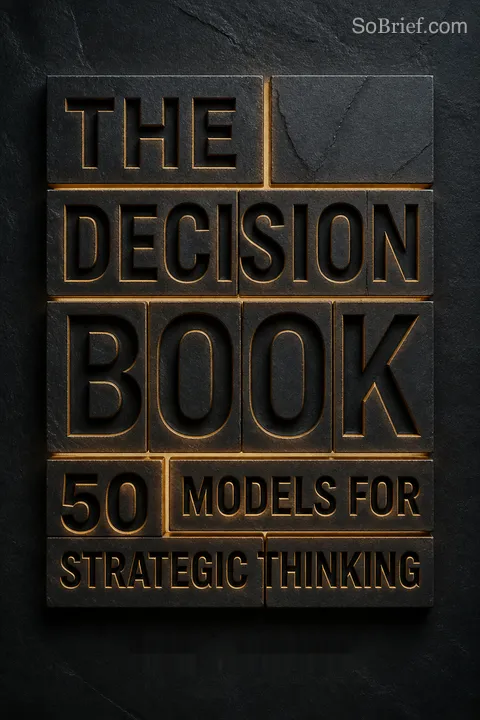
What's "The Decision Book: 50 Models for Strategic Thinking" about?
- Overview: "The Decision Book" by Mikael Krogerus and Roman Tschäppeler is a guide to understanding and applying decision-making models. It presents 50 models that help in strategic thinking and decision-making.
- Purpose: The book aims to simplify complex decision-making processes by providing visual and pragmatic models that can be used in various personal and professional scenarios.
- Structure: It is divided into sections that focus on improving oneself, understanding oneself and others better, and improving others, each with relevant models.
- Practical Use: The book is designed as a workbook, encouraging readers to actively engage with the models by filling them out and adapting them to their needs.
Why should I read "The Decision Book"?
- Daily Relevance: The book is useful for anyone who deals with people regularly, such as teachers, managers, or team leaders, by providing tools to make better decisions.
- Self-Improvement: It offers insights into personal development, helping readers understand their goals, motivations, and decision-making processes.
- Efficiency and Clarity: The models help in organizing thoughts, improving efficiency, and gaining clarity in both personal and professional contexts.
- Knowledge and Application: Readers will gain knowledge that can impress peers and be applied to real-life situations, enhancing both personal and professional growth.
What are the key takeaways of "The Decision Book"?
- Simplification of Complexity: The book emphasizes simplifying complex situations through models that focus on relevant aspects, making decision-making more manageable.
- Visual and Pragmatic Models: It highlights the importance of visual aids and pragmatic approaches in understanding and solving problems.
- Active Engagement: The book encourages readers to actively engage with the models, suggesting that answers emerge through their application and adaptation.
- Decision-Making Insights: It provides insights into various decision-making scenarios, from personal dilemmas to strategic business decisions, offering a comprehensive toolkit for different situations.
How can the Eisenhower Matrix improve efficiency according to "The Decision Book"?
- Distinguishing Tasks: The Eisenhower Matrix helps distinguish between urgent and important tasks, allowing for better prioritization and time management.
- Strategic Focus: It encourages focusing on important but not urgent tasks, which are crucial for long-term strategic planning and decision-making.
- Immediate Action: The model suggests dealing with urgent and important tasks immediately, ensuring that critical issues are addressed promptly.
- Time Management: By categorizing tasks, the matrix aids in organizing time effectively, reducing stress and increasing productivity.
What is the SWOT Analysis and how is it used in "The Decision Book"?
- Evaluation Tool: SWOT Analysis is used to evaluate the Strengths, Weaknesses, Opportunities, and Threats of a project or decision.
- Clarity and Understanding: It helps in gaining a clearer understanding of a project by emphasizing strengths and compensating for weaknesses.
- Versatility: The model is versatile and can be applied to both business and personal decisions, making it a valuable tool for various scenarios.
- Strategic Planning: By identifying opportunities and threats, SWOT Analysis aids in strategic planning and decision-making, ensuring informed choices.
How does "The Decision Book" define a decision-making model?
- Simplification: Decision-making models simplify complex situations by focusing on relevant aspects, making them easier to understand and manage.
- Pragmatism: They are pragmatic, emphasizing usefulness and practical application in real-life scenarios.
- Visual Representation: Models are often visual, using diagrams and images to convey complex concepts in an accessible way.
- Organizational Tool: They provide structure and organization, helping to create a systematic approach to decision-making.
What is the significance of the "Flow Model" in "The Decision Book"?
- Happiness and Satisfaction: The Flow Model explores what makes people happy, focusing on activities that provide deep satisfaction and engagement.
- Five Key Elements: It identifies five elements of flow: intense focus, self-chosen activity, balanced challenge, clear objectives, and immediate feedback.
- Immersion and Time: People in flow lose track of time and become fully immersed in their activities, leading to a profound sense of satisfaction.
- Contradictory to Relaxation: The model suggests that happiness is not about relaxation but about being absorbed in challenging and meaningful activities.
How does "The Decision Book" explain the "Black Swan Model"?
- Unexpected Events: The Black Swan Model addresses the occurrence of unexpected events that cannot be predicted from past experiences.
- Challenge to Assumptions: It challenges the assumption that past experiences can reliably predict future outcomes, emphasizing the need for flexibility.
- Historical Examples: The model uses historical examples, like the discovery of black swans, to illustrate how unforeseen events can change perceptions.
- Preparedness: It encourages questioning assumptions and being prepared for unexpected events, fostering resilience and adaptability.
What are the best quotes from "The Decision Book" and what do they mean?
- Eisenhower's Insight: "The most urgent decisions are rarely the most important ones." This quote emphasizes the need to prioritize important tasks over merely urgent ones.
- Margaret J. Wheatley on Creativity: "The things we fear most in organizations... are the primary sources of creativity." It suggests that embracing uncertainty can lead to innovation.
- Lucille Ball on Decision-Making: "I’d rather regret the things I have done than the things that I haven’t." This highlights the importance of taking action and making decisions.
- Albert Einstein on Simplicity: "Everything should be made as simple as possible. But no simpler." This underscores the value of simplicity in understanding and solving problems.
How does "The Decision Book" suggest using the "Project Portfolio Matrix"?
- Project Classification: The Project Portfolio Matrix helps classify projects based on cost and time, providing an overview of multiple projects.
- Resource Evaluation: It considers costs not only in terms of money but also resources like energy and psychological stress.
- Strategic Decisions: The matrix aids in making strategic decisions about which projects to pursue, modify, or reject based on their alignment with goals.
- Learning and Vision: It encourages focusing on projects that offer learning opportunities and align with overarching visions, ensuring meaningful engagement.
What is the "Prisoner's Dilemma" and its application in "The Decision Book"?
- Trust and Strategy: The Prisoner's Dilemma explores the complexities of trust and strategy in decision-making, particularly in competitive scenarios.
- Game Theory: It is a classic example in game theory, illustrating how individuals might not cooperate even when it is in their best interest.
- Optimal Strategy: The book suggests that the best strategy is to cooperate initially and then mimic the other party's previous actions, fostering trust.
- Real-World Application: The model is applicable in various real-world situations, from business negotiations to personal relationships, highlighting the importance of trust.
How does "The Decision Book" address the "Hype Cycle"?
- Technology Adoption: The Hype Cycle describes the typical progression of new technologies from initial hype to eventual productivity.
- Five Phases: It includes five phases: technology trigger, peak of inflated expectations, trough of disillusionment, slope of enlightenment, and plateau of productivity.
- Understanding Trends: The model helps in understanding and predicting the adoption and success of new technologies, aiding strategic planning.
- Real-World Examples: It uses examples like the iPod to illustrate how products move through the cycle, providing insights into market dynamics.
เกี่ยวกับผู้เขียน
ไมเคิล โครเกอร์ุส เป็นนักเขียนที่มีความหลากหลายและมีประสบการณ์ทั้งในด้านวารสารศาสตร์และโฆษณา เขาเคยทำงานเป็นนักเขียนประจำให้กับ NZZ FOLIO นิตยสารเสริมของหนังสือพิมพ์ชั้นนำของสวิตเซอร์แลนด์ Neue Zürcher Zeitung เป็นเวลาห้าปี ก่อนหน้านั้นเขาทำงานเป็นคัดลอกไรเตอร์ให้กับหลายบริษัทโฆษณา โครเกอร์ุสจบการศึกษาจากโรงเรียน Kaospilot และปัจจุบันทำงานเป็นนักเขียนอิสระให้กับหนังสือพิมพ์และนิตยสารในเยอรมนีและสวิตเซอร์แลนด์ แม้ว่าเขาจะเป็นพลเมืองฟินแลนด์ แต่เขาเติบโตในสวีเดนและเยอรมนี ซึ่งช่วยเสริมสร้างมุมมองและพื้นฐานที่หลากหลายในการเขียนของเขาอย่างชัดเจน
ดาวน์โหลด PDF
ดาวน์โหลด EPUB
.epub digital book format is ideal for reading ebooks on phones, tablets, and e-readers.








































