اہم نکات
1۔ چالاکی ایک نفیس فنِ اثر و رسوخ ہے، ضروری نہیں کہ نقصان دہ ہو
"چالاکی وہ نفیس فن ہے جس کے ذریعے آپ کسی کو وہ کام کروا لیتے ہیں جو وہ براہِ راست کہنے پر شاید نہ کرتا۔"
چالاکی کی تعریف۔ چالاکی کا مطلب دوسروں کو اس طرح متاثر کرنا ہے کہ وہ وہ کام کریں جو وہ عام طور پر نہ کرتے، اور اکثر انہیں اس بات کا شعور بھی نہیں ہوتا۔ یہ ایک مہارت ہے جو سیکھی اور نکھاری جا سکتی ہے، اور بذاتِ خود منفی نہیں ہوتی۔
استعمالات اور اخلاقیات۔ اگرچہ چالاکی ذاتی فائدے کے لیے استعمال ہو سکتی ہے، مگر یہ ہمیشہ ہدف کو نقصان پہنچانے کا باعث نہیں بنتی۔ یہ انسانی تعلقات کا ایک عام پہلو ہے جو مختلف مواقع پر استعمال ہوتی ہے:
- سیاست اور سفارت کاری
- فروخت اور مارکیٹنگ
- ذاتی تعلقات
- قیادت اور انتظامیہ
اہم چالاکی کی تکنیکیں:
- تعلق اور اعتماد قائم کرنا
- جذباتی محرکات کا استعمال
- معلومات کو حکمت عملی سے پیش کرنا
- سماجی ثبوت کا فائدہ اٹھانا
- باہمی تعاون اور ذمہ داری کا احساس پیدا کرنا
2۔ انسانی نفسیات کو سمجھنا مؤثر قائل کرنے کی کنجی ہے
"لوگوں کو قائل کرنے کے لیے ہمیں پہلے یہ جاننا ہوگا کہ وہ کیسے کام کرتے ہیں۔"
انسانی ضروریات اور محرکات۔ مؤثر قائل کرنے کے لیے بنیادی انسانی نفسیات کا ادراک ضروری ہے۔ لوگ بنیادی ضروریات سے چلتے ہیں:
- حفاظت اور سلامتی
- تعلق اور ربط
- عزت اور شناخت
- خود شناسی اور کمال
قائل کرنے کے نفسیاتی اصول:
- تسلسل: لوگ اپنی سابقہ باتوں اور عمل کے مطابق چلنا پسند کرتے ہیں
- اختیار: ہم ان کی بات مانتے ہیں جنہیں ماہر یا طاقتور سمجھا جاتا ہے
- قلت: محدود دستیابی چیز کی قدر بڑھا دیتی ہے
- پسندیدگی: ہم ان سے زیادہ متاثر ہوتے ہیں جنہیں ہم پسند کرتے ہیں یا جن سے ہم مماثلت رکھتے ہیں
عملی اطلاق۔ ان اصولوں کو سمجھ کر آپ اپنی بات کو زیادہ مؤثر بنا سکتے ہیں:
- درخواستوں کو بنیادی ضروریات کی تکمیل کے طور پر پیش کریں
- اپنی ساکھ اور مہارت قائم کریں
- فوری یا خصوصی ہونے کا احساس پیدا کریں
- حقیقی تعلق اور مماثلت قائم کریں
3۔ لاشعوری اثر و رسوخ: پوشیدہ پیغامات کی طاقت
"لاشعوری اثر و رسوخ ایسے پیغامات میں چھپا ہوتا ہے جو معمولی آڈیو، تصاویر یا ویڈیو میں پوشیدہ ہوتے ہیں۔"
لاشعوری اثر کی تعریف۔ لاشعوری پیغام رسانی وہ عمل ہے جس میں شعوری آگاہی کی حد سے نیچے محرکات پیش کیے جاتے ہیں، جو خیالات، جذبات اور رویوں کو بغیر واضح علم کے متاثر کر سکتے ہیں۔
اہم تصورات:
- پرائمِنگ: ایک محرک کا اثر دوسرے ردعمل پر ہوتا ہے
- محض نمائش کا اثر: واقفیت پسندیدگی کو بڑھاتی ہے
- جذباتی سرایت: دوسروں کے جذبات کی لاشعوری نقل
موثریت اور حدود:
- تحقیق میں لاشعوری پیغام رسانی کی طاقت کے متضاد نتائج ملے ہیں
- یہ زیادہ مؤثر تب ہوتی ہے جب موجودہ مقاصد یا ضروریات کے مطابق ہو
- زیادہ نفیس اور بالواسطہ طریقے عموماً زیادہ کامیاب ہوتے ہیں بجائے کھلے عام کوششوں کے
اخلاقی پہلو: اگرچہ لاشعوری چالاکی پر سوالات اٹھتے ہیں، اس کے اثرات عموماً محدود ہوتے ہیں۔ یہ لوگو ں کو ان کے بنیادی اقدار یا خواہشات کے خلاف عمل کرنے پر مجبور نہیں کرتی، مگر رویے کو مخصوص سمت میں ہلکا سا مائل کر سکتی ہے۔
4۔ ذہنی دھوکہ دہی کی تکنیکیں مثبت خود اصلاح کے لیے استعمال کی جا سکتی ہیں
"ذہنی دھوکہ دہی خود مدد کی ایک صورت ہے جس میں پرانے، غیر مؤثر خیالات کو نئے صحت مند پروگراموں سے بدل کر زندگی سے زیادہ فائدہ حاصل کیا جا سکتا ہے۔"
ذہنی دھوکہ دہی کا نیا زاویہ۔ اگرچہ ذہنی دھوکہ دہی کو عموماً جبر اور کنٹرول سے جوڑا جاتا ہے، مگر اسے ذاتی ترقی اور مثبت تبدیلی کے لیے بھی اپنایا جا سکتا ہے۔
ذہنی دھوکہ دہی کے مراحل:
- منفی خیالات کی شناخت کریں
- ان خیالات کے اثرات کو تسلیم کریں
- تجویز کی طاقت سے نئے مثبت عقائد متعارف کروائیں
- بار بار دہرائی کے ذریعے مطلوبہ تبدیلی کو مضبوط کریں
عملی استعمالات:
- محدود کرنے والے عقائد پر قابو پانا
- خود اعتمادی بڑھانا
- نئی عادات اپنانا
- حوصلہ افزائی اور توجہ میں بہتری
احتیاط: خود ذہنی دھوکہ دہی میں مستقل مزاجی اور عزم درکار ہوتا ہے۔ یہ فوری حل نہیں بلکہ خیالات اور رویوں کی تدریجی تبدیلی کا عمل ہے۔
5۔ این ایل پی کی تکنیکیں ذہن پر قابو پانے کے طاقتور اوزار فراہم کرتی ہیں
"این ایل پی آپ کو سکھائے گی کہ شعوری، تجزیاتی ذہن کو بائی پاس کیسے کیا جائے اور لاشعوری ذہن کو متحرک کیا جائے جو زیادہ قبول کرنے والا ہوتا ہے۔"
این ایل پی کی بنیادیں۔ نیورو-لنگوسٹک پروگرامنگ (این ایل پی) کامیاب لوگوں کے خیالات اور رویوں کے نمونوں کی نقل پر مبنی ہے تاکہ آپ بھی ایسے نتائج حاصل کر سکیں۔
اثر و رسوخ کے لیے اہم این ایل پی تکنیکیں:
- آئینہ سازی اور ہم آہنگی: دوسروں کی جسمانی زبان اور بولنے کے انداز کی باریک نقل کرنا
- اینکرنگ: مخصوص محرکات کو مطلوبہ جذباتی حالتوں سے جوڑنا
- ریفریمِنگ: صورتحال کے سیاق و سباق یا معنی کو تبدیل کرنا
- زبان کے نمونے: مخصوص الفاظ کا استعمال کر کے سوچ کو رہنمائی دینا
عملی استعمالات:
- فروخت اور مذاکرات
- تھراپی اور مشاورت
- ذاتی ترقی
- قیادت اور انتظامیہ
اخلاقی پہلو: این ایل پی کی تکنیکیں طاقتور ہیں، مگر انہیں ذمہ داری اور رضامندی کے ساتھ استعمال کرنا چاہیے۔
6۔ دفتر کی سیاست: کیریئر کی ترقی کے لیے اسے سمجھیں اور فائدہ اٹھائیں
"صحیح طریقے سے استعمال کرنا سیکھیں، آپ ان لوگوں سے کہیں زیادہ قابل نظر آئیں گے جو اسے غلط استعمال کرتے ہیں۔"
دفتر کے ماحول کو سمجھنا۔ دفتر کی سیاست ہر کام کی جگہ پر ناگزیر ہے۔ اسے نظر انداز کرنے کے بجائے، اسے سمجھ کر فائدہ اٹھانا آپ کے کیریئر کے لیے مفید ثابت ہو سکتا ہے۔
اہم حکمت عملیاں:
- غیر رسمی طاقت کے ڈھانچے کا نقشہ بنائیں
- ہر سطح پر تعلقات قائم کریں
- اتحادیوں کا مضبوط نیٹ ورک تیار کریں
- اپنے رویے اور بات چیت کو قابو میں رکھیں
عملی مشورے:
- کام کی جگہ کے ماحول کا مشاہدہ اور تجزیہ کریں
- اہم اثر و رسوخ رکھنے والوں اور فیصلہ سازوں کی شناخت کریں
- دیانت داری اور قابلیت کی شہرت بنائیں
- کریڈٹ بانٹیں اور دوسروں کی خدمات کا اعتراف کریں
- چھوٹے جھگڑوں اور افواہوں سے دور رہیں
توازن کی ضرورت۔ دفتر کی سیاست میں کامیابی کے لیے جارحیت اور سفارت کاری، خود نمائی اور ٹیم ورک کے درمیان نرمی کا توازن ضروری ہے۔
7۔ قائل کرنے اور چالاکی کے استعمال میں اخلاقی پہلو
"آپ کے اپنے اخلاقی معیار طے کریں گے کہ آپ کتنی دور جانے کو تیار ہیں، یا کسی چیز کے لیے کتنی نیچی سطح تک گر سکتے ہیں۔"
اخلاقی دائرہ۔ قائل کرنے اور چالاکی کی تکنیکیں ایک دائرے میں ہوتی ہیں جو ہلکے اثر سے لے کر نقصان دہ جبر تک پھیلا ہوتا ہے۔ ان کے استعمال کے اخلاقی پہلوؤں پر غور کرنا بہت ضروری ہے۔
اہم اخلاقی نکات:
- نیت: کیا مقصد مدد کرنا ہے یا نقصان پہنچانا؟
- رضامندی: کیا متاثر ہونے والے کو معلوم ہے کہ وہ متاثر ہو رہے ہیں؟
- نتائج: تمام فریقوں کے لیے ممکنہ اثرات کیا ہیں؟
- طاقت کا استعمال: کیا طاقت یا اختیار کا ناجائز استعمال ہو رہا ہے؟
اخلاقی قائل کرنے کے اصول:
- جہاں ممکن ہو نیت کے بارے میں شفاف رہیں
- فرد کی خود مختاری اور فیصلہ سازی کا احترام کریں
- کمزوریوں کا استحصال یا نقصان سے گریز کریں
- تکنیکوں کو بنیادی طور پر باہمی فائدے یا مثبت نتائج کے لیے استعمال کریں
ذاتی ذمہ داری۔ آخرکار، قائل کرنے اور چالاکی کی اخلاقی استعمال کا انحصار فرد کی بصیرت اور اقدار پر ہے۔ اپنے اعمال اور ان کے دوسروں پر اثرات پر باقاعدگی سے غور کرنا ضروری ہے۔
جائزوں کا خلاصہ
ڈارک سائیکولوجی کو قارئین کی جانب سے مخلوط ردعمل ملا ہے، جس کی اوسط درجہ بندی گڈریڈز پر 5 میں سے 3.78 ہے۔ قارئین اس کتاب میں پیش کیے گئے نفسیاتی چالاکیوں کے جائزے کو سراہتے ہیں، جو قائل کرنے سے لے کر ذہنی کنٹرول تک کے مختلف طریقوں پر محیط ہے۔ بعض قارئین اسے معلوماتی اور قابل فہم پاتے ہیں، اور حیرت کے ساتھ جانتے ہیں کہ وہ خود بھی ان تکنیکوں کو بلا ارادہ استعمال کر چکے ہیں۔ کچھ لوگ اسے نیورولنگوسٹک پروگرامنگ (NLP) کا ایک مختصر تعارف سمجھتے ہیں۔ تاہم، کتاب کے آخری باب پر تنقید بھی کی گئی ہے، جسے بعض قارئین مجموعی معیار کو کم کرنے والا محسوس کرتے ہیں۔ مختلف آراء کے باوجود، یہ کتاب نفسیاتی چالاکیوں کے بارے میں قیمتی بصیرت فراہم کرتی نظر آتی ہے۔
عمومی سوالات
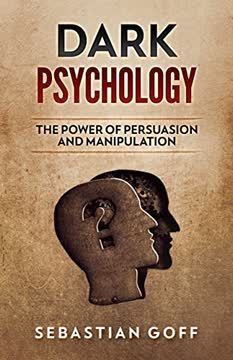
What’s "Dark Psychology: The Power of Persuasion and Manipulation" by Sebastian Goff about?
- Explores manipulation and persuasion: The book delves into the psychological techniques behind influencing others, both overtly and covertly, for personal gain.
- Covers ethical and unethical uses: It discusses both the positive and negative sides of persuasion, including its use in business, relationships, and even cults.
- Practical and theoretical insights: Readers learn about real-world applications, historical context, and psychological theories that underpin manipulation.
- Focuses on self-protection and influence: The book aims to teach readers how to recognize manipulation, protect themselves, and use these skills to achieve their own goals.
Why should I read "Dark Psychology: The Power of Persuasion and Manipulation" by Sebastian Goff?
- Gain awareness of manipulation: The book helps readers identify when they are being manipulated in everyday life, from media to personal relationships.
- Learn practical persuasion skills: It offers actionable techniques for influencing others ethically and effectively in various contexts.
- Protect yourself from harm: Understanding these tactics can help you defend against unethical manipulation and brainwashing.
- Improve communication and negotiation: The book provides tools to enhance your ability to persuade, negotiate, and build rapport in business and personal settings.
What are the key takeaways from "Dark Psychology: The Power of Persuasion and Manipulation" by Sebastian Goff?
- Manipulation is common and learnable: Everyone uses manipulation to some degree, and it can be honed as a skill.
- Persuasion relies on psychological needs: Techniques often target basic human needs like safety, belonging, and esteem.
- Ethical boundaries matter: The book stresses the importance of using these skills responsibly and being aware of their potential for harm.
- Recognize and resist manipulation: By understanding the methods, readers can better protect themselves from being exploited.
How does Sebastian Goff define manipulation and persuasion in "Dark Psychology: The Power of Persuasion and Manipulation"?
- Manipulation as subtle influence: Goff defines manipulation as getting someone to do what you want, often through deception or exploiting vulnerabilities.
- Persuasion as a softer approach: Persuasion is described as influencing others by appealing to their emotions, beliefs, and needs, often without direct confrontation.
- Not inherently evil: Both are presented as tools that can be used for good or ill, depending on the user’s intent.
- Universal human behavior: The book argues that everyone manipulates and persuades to some extent, consciously or unconsciously.
What are the main psychological techniques of persuasion discussed in "Dark Psychology: The Power of Persuasion and Manipulation"?
- Use of language and framing: Techniques like "What if," "Can you help please?" and "Would it help if" are highlighted for their persuasive power.
- Social proof and authority: Leveraging group behavior, likability, and perceived expertise to influence decisions.
- Consistency and commitment: Getting people to state their goals and then aligning requests with those goals to increase compliance.
- Storytelling and reverse psychology: Using narratives and suggesting the opposite of what you want to trigger desired behaviors.
How does "Dark Psychology: The Power of Persuasion and Manipulation" by Sebastian Goff describe the makeup of a manipulator?
- Skilled at reading people: Manipulators are adept at identifying psychological weaknesses and vulnerabilities in others.
- Conceal true intentions: They often appear likable, trustworthy, and empathetic to lower defenses.
- Use emotional detachment: Many manipulators can disconnect from guilt or empathy, making it easier to exploit others.
- Employ basic and advanced tactics: Techniques range from guilt-tripping and flattery to more sophisticated psychological games.
What are the ethical considerations of mind control and manipulation in "Dark Psychology: The Power of Persuasion and Manipulation"?
- Consent and intent matter: Ethical use is possible, such as in therapy or self-improvement, when consent is given and the intent is positive.
- Spectrum of influence: The book distinguishes between benign influence and destructive manipulation that strips autonomy.
- Self-awareness is key: Readers are encouraged to reflect on their own motives and the potential consequences of their actions.
- Societal prevalence: The book notes that manipulation is widespread in marketing, politics, and media, raising questions about where to draw ethical lines.
What is subliminal influencing, and how is it used according to "Dark Psychology: The Power of Persuasion and Manipulation"?
- Subconscious persuasion: Subliminal influencing involves sending messages below the threshold of conscious awareness to shape attitudes and behaviors.
- Media and advertising: The book discusses how corporations, governments, and media use priming, hidden messages, and environmental cues to influence choices.
- Effectiveness depends on context: Subliminal messages are most effective when they align with existing needs or desires and remain undetected.
- Everyday examples: Background music, word choice, and even scents can subtly guide decisions without overt persuasion.
How does "Dark Psychology: The Power of Persuasion and Manipulation" explain brainwashing and its stages?
- Systematic identity breakdown: Brainwashing involves isolating the victim, breaking down their sense of self, and instilling new beliefs.
- Lifton’s ten-stage model: The book details Robert Jay Lifton’s stages, including assault on identity, guilt, self-betrayal, breaking point, and eventual "rebirth."
- Use of isolation and dependency: Successful brainwashing requires control over the victim’s environment, information, and basic needs.
- Not always permanent: The effects can be reversed if the victim is removed from the manipulative environment and regains their original identity.
What is Neuro-Linguistic Programming (NLP), and how is it applied in "Dark Psychology: The Power of Persuasion and Manipulation"?
- Reprogramming through language: NLP uses language and behavioral patterns to influence thoughts, emotions, and actions.
- Techniques for influence: Methods like anchoring, mirroring, vague language, and mental shortcuts are explained for both self-improvement and manipulation.
- Rapport and matching: Building trust and likability by mirroring body language, speech, and emotional states.
- Everyday applications: NLP can be used in negotiations, problem-solving, and even casual conversations to steer outcomes.
How can the techniques in "Dark Psychology: The Power of Persuasion and Manipulation" be used in the workplace and career advancement?
- Navigating office politics: The book provides strategies for identifying power structures, building networks, and leveraging relationships.
- Subtle influence tactics: Methods like controlled approval, planting ideas, labeling, and positive reinforcement are discussed for workplace success.
- Persuasion theories: Concepts like reciprocity, scarcity, social proof, and amplification are applied to business and sales scenarios.
- Self-promotion and protection: Readers learn how to promote themselves ethically while guarding against manipulative colleagues.
What are the key methods of manipulation in love and relationships according to "Dark Psychology: The Power of Persuasion and Manipulation"?
- Emotional manipulation: Tactics include playing helpless, excessive praise, crying, nagging, and avoidance to control partners.
- Conditioning and jealousy: Using rewards, withdrawal, and jealousy to influence romantic interest and behavior.
- Authenticity over trickery: The book notes that genuine self-worth and confidence are more effective for attraction than manipulative tricks.
- Warning against abuse: It cautions that manipulation in relationships can be damaging and should be recognized and avoided for healthy connections.
What are the best quotes from "Dark Psychology: The Power of Persuasion and Manipulation" by Sebastian Goff, and what do they mean?
- "Manipulation is the subtle art of getting someone to do what you want, that they would otherwise not do if asked directly." — Highlights the covert nature of manipulation.
- "With the ability to influence we become much more powerful in life and therefore get more of our needs met." — Emphasizes the practical benefits of mastering persuasion.
- "Please leave your morals behind, as the aim of this book is to show you the darker side of getting what you want." — Sets the tone for exploring both ethical and unethical uses of these techniques.
- "The media's the most powerful entity on earth. They have the power to make the innocent guilty and to make the guilty innocent, and that's power. Because they control the minds of the masses." (Malcolm X, quoted) — Underlines the immense influence of media on public perception and thought.








































