اہم نکات
1۔ قرآن مجید کی مقدس کتابوں میں منفرد حیثیت
قرآن مجید کی بے مثال صداقت کی بدولت، یہ کتابِ وحی اپنی نوعیت میں منفرد مقام رکھتی ہے، جو نہ تو عہد نامہ قدیم اور نہ ہی عہد نامہ جدید کے ساتھ مشترک ہے۔
صداقت اور حفاظت۔ بائبل کے برخلاف، جس میں صدیوں کے دوران متعدد ترامیم اور تراجم ہوئے، قرآن مجید نبی کریم ﷺ کی حیاتِ طیبہ میں تحریر کیا گیا اور ان کے اصحاب نے نہایت احتیاط کے ساتھ اسے تحریری اور حفظ کے ذریعے محفوظ رکھا۔ اس دوہری طریقہ کار نے متن کی اعلیٰ درجہ کی درستگی کو یقینی بنایا، جو اسے دیگر مذہبی کتابوں سے ممتاز کرتا ہے۔
براہِ راست وحی۔ مسلمانوں کے نزدیک قرآن خدا کا براہِ راست کلام ہے جو حضرت جبرائیل علیہ السلام کے ذریعے نبی محمد ﷺ پر نازل ہوا۔ اس کے برعکس، انجیل کو یسوع علیہ السلام کی زندگی اور تعلیمات کے انسانی بیانات سمجھا جاتا ہے۔ یہی فرق قرآن کو ایک الہی تحریر کے طور پر منفرد حیثیت دیتا ہے۔
علم اور ہم آہنگی۔ قرآن مجید میں متعدد آیات موجود ہیں جو سائنسی حقائق کی طرف اشارہ کرتی ہیں، اور یہ آیات جدید سائنسی دریافتوں کے ساتھ ہم آہنگ پائی جاتی ہیں۔ ایمان اور عقل کے درمیان یہ ہم آہنگی اسلامی روایت کی خاص پہچان ہے، جو مومنوں کو علم حاصل کرنے اور قدرتی دنیا کو سمجھنے کی ترغیب دیتی ہے۔
2۔ تخلیق: کائناتی دھوئیں سے متعدد جہانوں تک
کیا کافر یہ نہیں دیکھتے کہ آسمان اور زمین ایک ساتھ تھے، پھر ہم نے انہیں جدا کیا اور ہر زندہ چیز کو پانی سے پیدا کیا۔
کائناتی آغاز۔ قرآن مجید کائنات کی تخلیق کو "دھوئیں" کی حالت سے بیان کرتا ہے، جو ایک گیس نما مادہ ہے جس میں باریک ذرات شامل ہیں۔ یہ بیان جدید سائنسی نظریہ کے مطابق ابتدائی کائنات کو گرم اور گھنے پلازما کی صورت میں سمجھنے سے مطابقت رکھتا ہے۔
جدائی اور پھیلاؤ۔ قرآن آسمان اور زمین کے "الگ ہونے" کا ذکر کرتا ہے، جو ایک علیحدگی اور تمیز کے عمل کی طرف اشارہ ہے۔ یہ تصور بگ بینگ تھیوری سے میل کھاتا ہے، جو کہتی ہے کہ کائنات ایک نقطہ سے شروع ہوئی اور تب سے پھیل رہی ہے۔
متعدد جہان۔ قرآن میں متعدد آسمانوں اور زمینوں کا ذکر ہے، جو ہمارے اپنے جہان سے باہر دیگر جہانوں کے وجود کی ممکنہ نشاندہی کرتا ہے۔ یہ خیال جدید سائنسی تلاش برائے دیگر سیاروں اور اس بات کی بڑھتی ہوئی پہچان کے ساتھ مطابقت رکھتا ہے کہ ہمارا نظام شمسی منفرد نہیں ہو سکتا۔
3۔ فلکیات: آسمانی نظام اور سورج کا سفر
سورج اور چاند (اپنے مقررہ مداروں میں) چلتے ہیں۔
مدار اور حرکت۔ قرآن سورج اور چاند کو اپنے مخصوص مداروں میں سفر کرتے ہوئے بیان کرتا ہے، جو محمد ﷺ کے زمانے میں مکمل طور پر سمجھا نہیں جاتا تھا۔ یہ بیان جدید فلکیاتی علم کے مطابق نظام شمسی اور آسمانی اجسام کی حرکت سے ہم آہنگ ہے۔
سورج کی منزل۔ قرآن سورج کے ایک "مقررہ مقام" کی طرف دوڑنے کا ذکر کرتا ہے، جسے بعض مفسرین نظام شمسی کے اس نقطے کے طور پر سمجھتے ہیں جہاں ہمارا نظام حرکت کر رہا ہے۔ یہ تشریح قرآن کی سائنسی پیش گوئی کی صلاحیت کو ظاہر کرتی ہے۔
دن اور رات۔ قرآن دن اور رات کے تسلسل کو "لپیٹنے" کے عمل کے طور پر بیان کرتا ہے، جو زمین کی گردش اور روشنی کی تقسیم کے جدید فہم سے مطابقت رکھتا ہے۔
4۔ زمین: ایک قابلِ رہائش سیارہ اور پہاڑوں کا استحکام
(اللہ) نے زمین میں ایسے پہاڑ ٹھونک دیے ہیں جو اسے ہلنے سے روکتے ہیں۔
پہاڑ استحکام کے لیے۔ قرآن پہاڑوں کو زمین کے لیے "کھمبے" قرار دیتا ہے جو اسے لرزنے سے بچاتے ہیں۔ یہ بیان جدید ارضیاتی علم کے مطابق ہے، جو پہاڑوں کی گہری جڑوں کو زمین کی پرت کو مستحکم کرنے والا سمجھتا ہے۔
پانی کی اہمیت۔ قرآن پانی کی زندگی میں اہمیت کو اجاگر کرتا ہے، اسے رزق اور زمین کو زندہ کرنے کا ذریعہ قرار دیتا ہے۔ یہ زور زندگی کے تمام معروف اقسام میں پانی کے بنیادی کردار کی عکاسی کرتا ہے۔
زمین کی سطح۔ قرآن زمین کو انسانوں کے لیے بچھائی گئی قالین کی مانند بیان کرتا ہے، جو اس کی قابلِ رہائش اور انسانی زندگی کے لیے موزون ہونے کو ظاہر کرتا ہے۔
5۔ پانی کا چکر: ایک الہی تحفہ
اللہ وہی ہے جو ہوائیں بھیجتا ہے جو بادلوں کو اٹھاتی ہیں۔
تبخیر اور بارش۔ قرآن پانی کے چکر کو درست طور پر بیان کرتا ہے، جس میں تبخیر، تغلیظ، اور بارش کے عمل شامل ہیں۔ یہ تفصیلات جدید ہائیڈروولوجی کے علم سے مطابقت رکھتی ہیں۔
ہوا کا کردار۔ قرآن ہوا کے بادلوں کی حرکت اور بارش کی تقسیم میں کردار کو اجاگر کرتا ہے، جو موسمی گردش کی اہمیت کو تسلیم کرتا ہے۔ یہ فہم موسمی پیٹرنز کی پیچیدگی کو ظاہر کرتا ہے۔
پانی کے ذرائع۔ قرآن زمین میں پانی کے ذخائر کا ذکر کرتا ہے، جو زیر زمین پانی کی زندگی کے لیے اہمیت کو تسلیم کرتا ہے۔ یہ ہائیڈروولوجیکل سائیکل اور پانی کے وسائل کی باہمی وابستگی کی سمجھ کو ظاہر کرتا ہے۔
6۔ حیوانات اور نباتات کی دنیا: زندگی کی ابتدا اور تولید
اللہ نے ہر جانور کو پانی سے پیدا کیا۔
زندگی کی آبی ابتدا۔ قرآن کہتا ہے کہ ہر زندہ چیز پانی سے پیدا ہوئی، جو زندگی کی آبی ابتدا کے جدید سائنسی فہم سے ہم آہنگ ہے۔ یہ بیان پانی کے بنیادی کردار کی گہری سمجھ کو ظاہر کرتا ہے۔
جوڑے میں تولید۔ قرآن حیوانات اور نباتات دونوں میں جوڑے کی تولید پر زور دیتا ہے، مرد اور عورت کے عناصر کی موجودگی کو تسلیم کرتا ہے۔ یہ تصور جدید حیاتیات میں جنسی تولید کے علم سے مطابقت رکھتا ہے۔
جانوروں کی جماعتیں۔ قرآن جانوروں کی جماعتوں کا ذکر کرتا ہے، جو ان کی سماجی تنظیم اور پیچیدہ رویوں کو تسلیم کرتا ہے۔ یہ فہم حیوانی رویے اور ماحولیاتی نظام کی گہری سمجھ کو ظاہر کرتا ہے۔
7۔ انسانی تولید: سائنس اور روحانیت کا امتزاج
(اللہ) نے تمہیں تمہاری ماؤں کے اندر تین تاریک پردوں میں، ایک کے بعد ایک، بنایا۔
جنینی نشوونما۔ قرآن جنین کی نشوونما کے مراحل بیان کرتا ہے، جس میں "چبایا ہوا گوشت کا لوتھڑا" اور بعد میں ہڈیوں اور پٹھوں کی تشکیل شامل ہے۔ یہ تفصیلات جدید جنینیات کے علم سے ہم آہنگ ہیں۔
نطفے کی مقدار۔ قرآن اس بات پر زور دیتا ہے کہ تولید کے لیے صرف بہت کم مقدار میں مائع درکار ہوتا ہے، جو نطفہ کے کردار کے جدید فہم سے مطابقت رکھتا ہے۔ یہ زور حیاتیاتی عمل کی گہری سمجھ کو ظاہر کرتا ہے۔
اندام نہانی میں انضمام۔ قرآن نطفہ کے رحم میں جڑنے کا ذکر کرتا ہے، جو حمل کی کامیاب نشوونما کے لیے اہم عمل ہے۔ یہ فہم حیاتیاتی عمل کی گہری سمجھ کو ظاہر کرتا ہے۔
8۔ طوفانِ نوح: ایک مقامی واقعہ، عالمی تباہی نہیں
ہم نے انہیں غرق کر دیا اور انہیں انسانوں کے لیے عبرت بنا دیا۔
نوح کی قوم کی سزا۔ قرآن طوفان کو خاص طور پر نوح کی قوم کے لیے سزا کے طور پر پیش کرتا ہے، نہ کہ زمین کی تمام زندگی کو ختم کرنے والی عالمی تباہی کے طور پر۔ یہ مقامی نقطہ نظر تاریخی اور آثار قدیمہ کے شواہد سے مطابقت رکھتا ہے۔
تاریخ کا ذکر نہیں۔ قرآن طوفان کی تاریخ کا تعین نہیں کرتا، جو عہد نامہ قدیم میں پائی جانے والی زمانی غلطیوں سے بچاتا ہے۔ اس سے واقعہ کی زیادہ لچکدار تشریح ممکن ہوتی ہے۔
کشتی کے مسافر۔ قرآن بتاتا ہے کہ کشتی میں ہر قسم کے جانوروں کے جوڑے، نوح کا خاندان (ایک نکالے ہوئے بیٹے کے علاوہ)، اور چند مومن شامل تھے۔ یہ بیان بائبل کے مقابلے میں مختصر اور کم مبالغہ آمیز ہے۔
9۔ خروج: ایک تاریخی واقعہ جس میں الہی مداخلت
آج ہم نے تجھے تیرے جسم سمیت بچا لیا تاکہ تو آنے والوں کے لیے نشان بن جائے۔
فرعون کا ظلم۔ قرآن فرعون کے یہودیوں پر ظلم کی تصدیق کرتا ہے، جو خروج کی کہانی کا اہم جزو ہے۔ یہ تصدیق داستان کو تاریخی وزن دیتی ہے۔
فرعون کی موت۔ قرآن کہتا ہے کہ فرعون خروج کے دوران ہلاک ہوا، لیکن اس کا جسم ملا۔ یہ تفصیل بائبل میں نہیں ملتی اور ممکنہ طور پر فرعون کی ممی کی دریافت سے مطابقت رکھتی ہے۔
نام کا ذکر نہیں۔ قرآن فرعون کا نام نہیں بتاتا، جو تاریخی شخصیت کی شناخت میں لچک فراہم کرتا ہے۔ اس سے رامسیس دوم کے طور پر فرعون کی شناخت سے جڑے زمانی مسائل سے بچا جاتا ہے۔
10۔ پرکلٹ: مستقبل کے رہنما کی پیش گوئی
اور میں باپ سے دعا کروں گا اور وہ تمہیں ایک اور پرکلٹ دے گا۔
پرکلٹ۔ قرآن میں پرکلٹ کا ذکر نہیں ہے۔ تاہم، مصنف کی انجیل یوحنا کی تشریح کے مطابق، پرکلٹ ایک انسان ہے جیسے یسوع، جو سننے اور بولنے کی صلاحیت رکھتا ہے۔ یسوع پیش گوئی کرتا ہے کہ خدا بعد میں زمین پر ایک انسان بھیجے گا جو یوحنا کے بیان کردہ کردار کو سنبھالے گا، یعنی ایک نبی جو خدا کا کلام سنتا اور انسانوں تک پہنچاتا ہے۔
انسانی رسول۔ مصنف کی پرکلٹ کی انسانی حیثیت کی تشریح اسلامی عقیدے سے مطابقت رکھتی ہے کہ محمد ﷺ آخری نبی ہیں۔ یہ تشریح مسیحی اور اسلامی عقائد کے درمیان ایک پل کا کام دیتی ہے۔
رہنمائی اور حق۔ مصنف کی پرکلٹ کو ایک رہنما کے طور پر تشریح جو لوگوں کو حق کی طرف لے جائے، اسلامی تعلیمات کے علم اور فہم کی تلاش پر زور کے ساتھ ہم آہنگ ہے۔ یہ تشریح مومنوں کو دنیا سے تعلق قائم کرنے اور الہی بھیجے گئے رسولوں سے رہنمائی حاصل کرنے کی ترغیب دیتی ہے۔
جائزوں کا خلاصہ
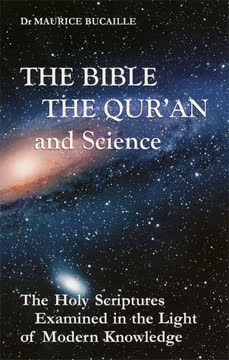
بائبل، قرآن اور سائنس کو عموماً مثبت آراء حاصل ہوئیں، جہاں قارئین نے مذہبی متون کے درمیان سائنسی موازنوں کی تعریف کی۔ بہت سے افراد نے اسے روشنی بخش قرار دیا، اور اس بات پر زور دیا کہ یہ کتاب قرآن کی جدید سائنس کے ساتھ مطابقت کو واضح کرتی ہے جبکہ بائبل میں موجود تضادات کو نمایاں کرتی ہے۔ کچھ قارئین نے مصنف کی غیرجانبداری اور تفصیلی تجزیے کو سراہا۔ تاہم، چند ناقدین کا خیال تھا کہ کتاب اسلام کی طرف مائل ہے یا اس میں ترجمے کی غلطیاں موجود ہیں۔ مجموعی طور پر، قارئین نے اسے فکر انگیز اور بین المذاہب گفتگو کے لیے قیمتی پایا، اگرچہ بعض حصے سمجھنے میں مشکل سمجھے گئے۔
لوگوں نے یہ بھی پڑھا

عمومی سوالات
1. What is The Bible, the Qu'ran and Science by Maurice Bucaille about?
- Comparative scripture analysis: The book examines the Old Testament, the Gospels, and the Qur'an through the lens of modern scientific knowledge, aiming to distinguish divine Revelation from human error or interpretation.
- Focus on authenticity and science: Bucaille investigates the authenticity of these scriptures and confronts their contents with established scientific facts, highlighting both contradictions and compatibilities.
- Interfaith perspective: The work emphasizes the continuity of Revelation from the same God across Judaism, Christianity, and Islam, promoting spiritual unity rather than division.
- Author’s motivation: Maurice Bucaille, a surgeon, was inspired by his observations of Muslim piety and the Qur'an’s statements on natural phenomena, which he found to be remarkably consistent with modern science.
2. Why should I read The Bible, the Qu'ran and Science by Maurice Bucaille?
- Challenge to preconceptions: The book dispels common misconceptions about the Old Testament, the Gospels, and the Qur'an, offering a fresh, objective perspective.
- Unique scientific-theological approach: Bucaille’s method of confronting scriptural narratives with modern scientific discoveries provides new insights into the compatibility of faith and reason.
- Understanding scriptural authenticity: Readers gain a deeper understanding of how these scriptures were compiled, transmitted, and preserved, especially the Qur'an’s exceptional preservation.
- Promotes interreligious dialogue: The book encourages reflection on the shared roots and differences of the monotheistic religions, fostering respect and dialogue.
3. What are the key takeaways from The Bible, the Qu'ran and Science by Maurice Bucaille?
- Scriptural authenticity varies: The Qur'an is presented as uniquely preserved and scientifically accurate, while the Bible is shown to have undergone multiple revisions and contains scientific errors.
- Science as a benchmark: Bucaille uses established scientific facts to test the truthfulness of scriptural statements, separating divine Revelation from human interpretation.
- Interfaith unity: The book highlights the continuity of Revelation and calls for spiritual unity among Jews, Christians, and Muslims.
- Critical examination encouraged: Bucaille urges readers to overcome prejudices and critically examine scriptures in light of both history and science.
4. How does Maurice Bucaille approach the authenticity and transmission of the Qur'an compared to the Bible?
- Qur'an’s unique preservation: The Qur'an was written down during Prophet Muhammad’s lifetime and memorized by many, ensuring both written and oral preservation.
- Early compilation and standardization: Shortly after Muhammad’s death, the Qur'an was rigorously compiled and standardized, resulting in minimal textual variations over centuries.
- Bible’s complex history: The Old Testament and Gospels were compiled over centuries from multiple sources, with numerous revisions, contradictions, and lack of unified transmission.
- Implications for authenticity: Bucaille argues that the Qur'an’s preservation and consistency support its claim to divine origin, while the Bible’s textual history suggests significant human intervention.
5. What is Maurice Bucaille’s method for examining scriptures in The Bible, the Qu'ran and Science?
- Science as a criterion: Bucaille uses established, incontrovertible scientific facts as a standard to assess the authenticity of scriptural statements about natural phenomena.
- Distinguishing divine from human: He separates divine Revelation from human interpretation or error by identifying passages incompatible with scientific reality.
- Textual criticism: Bucaille applies critical analysis to the formation, transmission, and evolution of scriptural texts, especially focusing on the Bible’s multiple sources and revisions.
- Rejecting outdated theories: The study relies on firm scientific evidence rather than evolving theories, ensuring robust conclusions.
6. What scientific contradictions in the Old Testament does Maurice Bucaille highlight?
- Creation narrative issues: The Genesis account contains scientific inaccuracies, such as the sequence of creation events (e.g., light before the sun, plants before the sun, separation of waters).
- Genealogical and chronological errors: The Bible’s genealogies place humanity’s origin only a few thousand years ago, conflicting with archaeological and anthropological evidence.
- Flood narrative problems: The Biblical Flood is described as universal, but historical and archaeological data show continuous civilizations during the supposed time of the Flood.
- Textual inconsistencies: Bucaille points out contradictions and revisions within the Old Testament that undermine its scientific and historical reliability.
7. How does The Bible, the Qu'ran and Science analyze the formation and nature of the Gospels?
- Late composition and authorship: The Gospels were written decades after Jesus’s life, not by direct eyewitnesses but by communities interpreting oral traditions.
- Contradictions and variations: There are significant contradictions between the four Gospels regarding events, chronology, and teachings, including differing genealogies and resurrection accounts.
- Textual evolution: The Gospels underwent multiple revisions and adaptations, with some passages added or altered to suit doctrinal needs.
- Community influence: The Gospels reflect the beliefs and conflicts of early Christian communities rather than direct historical records.
8. What is Maurice Bucaille’s analysis of the genealogies of Jesus in Matthew and Luke?
- Contradictory genealogies: Matthew and Luke provide different genealogies for Jesus, with discrepancies in names, number of generations, and lineage paths after King David.
- Numerical manipulation: Matthew arranges the genealogy into three groups of fourteen generations, but this is disrupted by omissions and inconsistencies, suggesting symbolic intent.
- Scientific implausibility: Both genealogies imply unrealistically short generational spans and contradict established historical and scientific timelines.
- Evidence of human fabrication: These inconsistencies indicate human intervention rather than factual record.
9. How does The Bible, the Qu'ran and Science compare the scientific content of the Qur'an and the Bible?
- Qur'an’s scientific accuracy: Bucaille finds no scientific errors in the Qur'an’s descriptions of natural phenomena, human reproduction, astronomy, and the creation of the universe.
- Bible’s scientific shortcomings: The Bible, especially the Old Testament and Gospels, contains numerous scientific inaccuracies and contradictions.
- Implications for authenticity: The scientific harmony of the Qur'an supports its claim to divine Revelation, while the Bible’s errors suggest human intervention and textual corruption.
- Hadiths vs. Qur'an: Bucaille distinguishes between the Qur'an’s accuracy and the hadiths, which often reflect the scientific understanding of their time and contain errors.
10. What scientific concepts related to Creation and cosmology does Maurice Bucaille highlight in the Qur'an?
- Six periods of Creation: The Qur'an describes Creation in six "days" or periods, interpreted as long epochs, aligning with modern scientific understanding of cosmic timescales.
- Creation from a single mass: The Qur'an mentions the heavens and earth being joined together and then separated, corresponding to the Big Bang theory.
- Plurality of worlds: References to seven heavens and a similar number of earths suggest multiple worlds, resonating with modern astrophysics’ recognition of countless galaxies and possibly many Earth-like planets.
- Expansion of the Universe: The Qur'an states that the heavens are expanding, aligning with the modern discovery of the Universe’s expansion.
11. How does The Bible, the Qu'ran and Science address the Qur'an’s statements on human reproduction and embryology?
- Accurate fertilization description: The Qur'an mentions creation from a "small quantity of mingled liquids," aligning with modern understanding of fertilization.
- Embryonic stages: It describes the embryo as "something which clings," then as a "chewed lump of flesh," followed by bones clothed with flesh, reflecting observable stages of embryonic development.
- Implantation and development: The Qur'an refers to the embryo’s lodging in a "firmly established place," interpreted as the uterus, and mentions successive stages of formation.
- Scientific accuracy for its era: These detailed and accurate descriptions are remarkable for the 7th century and are not found in other contemporary texts.
12. What are the implications of Maurice Bucaille’s findings in The Bible, the Qu'ran and Science for interfaith dialogue and understanding?
- Shared divine origin: Bucaille highlights the continuity of Revelation from the same God across Judaism, Christianity, and Islam, despite differences in expression and textual history.
- Scientific harmony as common ground: The Qur'an’s alignment with science offers a basis for dialogue, encouraging mutual respect and understanding among the three monotheistic faiths.
- Call for open-mindedness: The book urges believers and scholars to overcome prejudices, critically examine scriptures, and seek unity in spiritual truths rather than division.
- Focus on shared beliefs: Bucaille invites readers to reflect on these findings to foster spiritual unity and interfaith understanding.








































