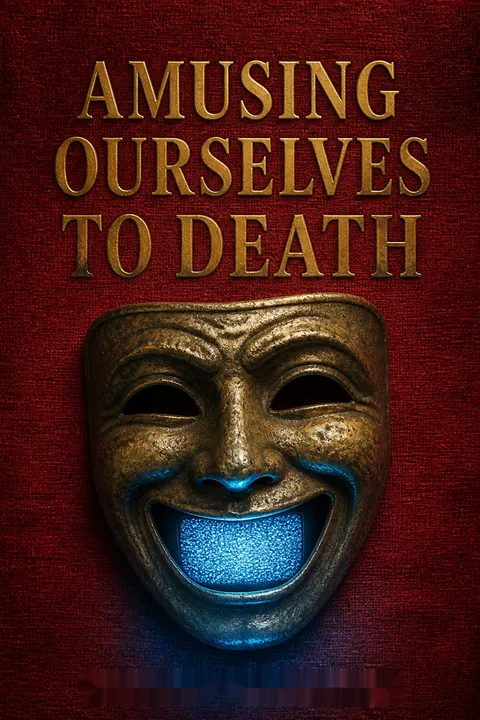

Những điểm chính
1. Truyền thông như những phép ẩn dụ định hình nhận thức về thực tại
"Phương tiện chính là thông điệp."
Phương tiện định nghĩa thực tại. Mỗi hình thức truyền thông mới đều mang đến một phép ẩn dụ mới để hiểu về thế giới. Máy in thúc đẩy tư duy tuyến tính, tuần tự, trong khi truyền hình nhấn mạnh tính tức thời và sức mạnh hình ảnh. Những phép ẩn dụ này không chỉ đơn thuần truyền tải thông tin mà còn chủ động định hình cách chúng ta nhận thức và tương tác với thực tại.
Tác động nhận thức. Các phương tiện khác nhau kích hoạt những quá trình nhận thức khác nhau:
- In ấn: Khuyến khích tư duy trừu tượng, phân tích và suy ngẫm
- Truyền hình: Ưu tiên sự gắn kết cảm xúc và tiếp nhận thông tin nhanh chóng
Khi xã hội chuyển đổi giữa các phương tiện chủ đạo, điều đó làm thay đổi căn bản cảnh quan trí tuệ và văn hóa. Sự chuyển đổi này không chỉ là vấn đề công nghệ mà còn là cách chúng ta xử lý thông tin và xây dựng ý nghĩa trong thế giới của mình.
2. Sự chuyển dịch từ chữ in sang truyền hình đã biến đổi diễn ngôn công chúng
"Người Mỹ là những người được giải trí nhiều nhất và rất có thể cũng là những người ít được thông tin nhất ở phương Tây."
Suy giảm tranh luận lý trí. Việc chuyển từ văn hóa dựa trên chữ in sang văn hóa truyền hình đã làm thay đổi sâu sắc bản chất của diễn ngôn công chúng. Trong thời đại in ấn, các cuộc tranh luận chính trị như giữa Lincoln và Douglas được đặc trưng bởi những lập luận phức tạp, lý luận tinh tế và sự chú ý bền bỉ của khán giả.
Sự lên ngôi của giải trí. Truyền hình, ngược lại, ưu tiên:
- Sức hấp dẫn thị giác
- Tác động cảm xúc
- Sự ngắn gọn
- Đơn giản hóa các vấn đề phức tạp
Sự chuyển dịch này dẫn đến sự suy giảm chiều sâu và nội dung của đối thoại công chúng, khi những chủ đề nghiêm túc thường bị rút gọn thành những câu nói ngắn gọn và hình thức trình diễn. Hệ quả là một xã hội có thể được giải trí nhiều nhưng thiếu thông tin và kỹ năng tư duy phản biện cần thiết cho sự tham gia công dân có hiểu biết.
3. Truyền hình ưu tiên giải trí hơn nội dung trong mọi lĩnh vực
"Trên truyền hình, diễn ngôn chủ yếu được thực hiện qua hình ảnh, tức là truyền hình mang đến cho chúng ta một cuộc trò chuyện bằng hình ảnh, không phải bằng lời nói."
Mệnh lệnh giải trí phổ quát. Chức năng chính của truyền hình là giải trí, và mệnh lệnh này đã thấm nhuần vào mọi hình thức diễn ngôn trên phương tiện này. Ngay cả những lĩnh vực vốn nghiêm túc như tin tức, chính trị, tôn giáo và giáo dục cũng bị biến đổi thành hình thức giải trí khi được trình bày trên truyền hình.
Những đặc điểm chính trong cách tiếp cận của truyền hình:
- Ưu tiên sức hấp dẫn thị giác hơn nội dung
- Ưu tiên sự gắn kết cảm xúc hơn chiều sâu trí tuệ
- Phân mảnh thông tin thành những phần dễ tiêu hóa
- Làm mờ ranh giới giữa thông tin và giải trí
Sự tập trung vào giải trí lan tỏa này có hậu quả sâu rộng, có thể làm giảm giá trị các vấn đề quan trọng và làm suy yếu sự hiểu biết sâu sắc của công chúng về những chủ đề then chốt.
4. Văn hóa "Bây giờ... Cái này" phân mảnh thông tin và xói mòn bối cảnh
"Chúng ta đang bị biến thành những kẻ không còn khả năng ghi nhớ."
Thông tin mất bối cảnh. Tin tức truyền hình với cách trình bày nhanh chóng các câu chuyện rời rạc là biểu tượng của văn hóa "Bây giờ... Cái này". Cách tiếp cận này trình bày thông tin như một chuỗi các mảnh rời rạc, không cung cấp bối cảnh hay khuyến khích phân tích sâu sắc.
Hệ quả của tư duy "Bây giờ... Cái này":
- Khó nhận diện các xu hướng dài hạn hay mối quan hệ nhân quả phức tạp
- Xói mòn quan điểm lịch sử
- Giảm khả năng tập trung và suy nghĩ bền bỉ
- Kỳ vọng các giải pháp nhanh chóng, đơn giản cho những vấn đề phức tạp
Sự phân mảnh thông tin này khiến người xem khó xây dựng được thế giới quan mạch lạc hay tham gia vào diễn ngôn công dân có ý nghĩa, có thể làm suy yếu nền tảng của một nền dân chủ có hiểu biết.
5. Chính trị hình ảnh thay thế tranh luận có nội dung trong thời đại truyền hình
"Trên truyền hình, chính trị gia không chỉ đơn thuần đưa ra hình ảnh về bản thân, mà còn biến chính mình thành hình ảnh của khán giả."
Chính trị như một màn trình diễn. Trong thời đại truyền hình, thành công chính trị ngày càng phụ thuộc vào khả năng tạo dựng hình ảnh hấp dẫn hơn là trình bày chính sách có chiều sâu. Sự chuyển đổi này biến chính trị thành một hình thức giải trí, nơi phong cách thường thắng nội dung.
Những khía cạnh chính của chính trị hình ảnh:
- Ưu tiên cá tính và sức hút hơn kiến thức chính sách
- Sử dụng chiêu thức cảm xúc thay vì lập luận logic
- Dựa vào những câu nói ngắn gọn và hình ảnh thị giác
- Làm mờ ranh giới giữa chính trị và văn hóa người nổi tiếng
Sự biến đổi này có thể làm suy yếu quá trình dân chủ khi đặt giá trị giải trí lên trên quyết định có hiểu biết.
6. Giáo dục trở thành giải trí trong thời đại truyền hình
"Chúng ta đang trong cuộc đua giữa giáo dục và thảm họa, và kết quả sẽ phụ thuộc vào hai câu hỏi đơn giản: Chúng ta học tốt đến đâu, và nhanh đến mức nào?"
Sự chiếm lĩnh của giáo dục giải trí. Ảnh hưởng lan tỏa của truyền hình đã dẫn đến sự biến đổi trong cách tiếp cận giáo dục, với sự nhấn mạnh ngày càng tăng vào việc làm cho việc học trở nên giải trí. Điều này được minh họa rõ qua các chương trình như "Sesame Street," áp dụng kỹ thuật giải trí truyền hình vào nội dung giáo dục.
Hệ quả đối với giáo dục:
- Kỳ vọng học tập luôn vui vẻ và dễ dàng
- Giảm sự chịu đựng đối với thử thách trí tuệ hay nỗ lực bền bỉ
- Ưu tiên kích thích thị giác hơn tư duy trừu tượng
- Nguy cơ suy giảm kỹ năng tư duy phản biện và phân tích
Dù việc làm cho giáo dục hấp dẫn là điều đáng giá, nguy cơ là học tập có chiều sâu có thể bị hy sinh để đổi lấy giải trí bề mặt, khiến học sinh không được trang bị đầy đủ cho những thách thức phức tạp của thế giới hiện đại.
7. Tầm nhìn của Huxley về xã hội mê đắm khoái lạc chính xác hơn cơn ác mộng toàn trị của Orwell
"Orwell lo sợ những kẻ sẽ cấm sách. Huxley lo sợ sẽ không còn ai muốn đọc sách đến mức không cần phải cấm."
Sự tự nguyện từ bỏ tự do. Postman cho rằng tầm nhìn của Aldous Huxley trong "Thế giới mới tươi đẹp" dự báo chính xác hơn những thách thức của xã hội hiện đại so với "1984" của George Orwell. Trong khi Orwell lo sợ sự áp bức bên ngoài, Huxley cảnh báo về một thế giới nơi con người tự nguyện từ bỏ quyền tự chủ để theo đuổi khoái lạc và sự xao nhãng.
Những dự đoán của Huxley đã trở thành hiện thực:
- Quá tải thông tin dẫn đến việc làm giảm giá trị các vấn đề quan trọng
- Giải trí liên tục làm suy yếu tư duy phản biện và sự tham gia công dân
- Công nghệ được sử dụng để xao nhãng thay vì khai sáng
- Sự thật bị chìm trong biển cả của sự vô nghĩa
Nguy hiểm trong tầm nhìn của Huxley là nó tinh vi hơn vì không cần đến sự cưỡng bức bên ngoài. Thay vào đó, con người tự nguyện ôm lấy một nền văn hóa ưu tiên sự thoải mái và giải trí hơn là sự gắn kết có ý nghĩa với thế giới, có thể làm suy yếu nền tảng của một công dân có hiểu biết và tích cực.
Tóm tắt đánh giá
Không có nội dung để dịch. Vui lòng cung cấp đoạn văn cần dịch.
Mọi người cũng đọc

Câu hỏi thường gặp
What is "Amusing Ourselves to Death" by Neil Postman about?
- Central Thesis: The book argues that television and other visual media have transformed public discourse in America, turning serious topics like politics, religion, and education into forms of entertainment.
- Media as Metaphor: Postman explores how different media shape the way societies think, communicate, and understand truth, focusing on the shift from a print-based to a television-based culture.
- Huxley vs. Orwell: The book contrasts Aldous Huxley’s vision in "Brave New World" (where people are oppressed by pleasure and distraction) with George Orwell’s "1984" (oppression by force), arguing that Huxley’s vision is more relevant to modern America.
- Cultural Consequences: Postman laments the decline of rational, serious public discourse and warns of the dangers of a society that prioritizes amusement over substance.
Why should I read "Amusing Ourselves to Death" by Neil Postman?
- Media Literacy: The book provides a foundational understanding of how media shapes thought, making it essential for anyone interested in media studies, communication, or cultural criticism.
- Relevance Today: Despite being published in 1985, its insights about television apply even more to today’s digital and social media landscape.
- Critical Perspective: Postman encourages readers to question the effects of technology and media on democracy, education, and public life.
- Engaging Style: The book is accessible, witty, and filled with historical examples, making complex ideas easy to grasp.
What are the key takeaways from "Amusing Ourselves to Death" by Neil Postman?
- Medium Shapes Message: The form of media (print, television, etc.) determines the kind of content and discourse a society values.
- Entertainment as Dominant Paradigm: Television has made entertainment the default mode for all public communication, undermining serious discussion.
- Loss of Context and Coherence: The rapid, fragmented nature of television news and programming leads to a loss of context, depth, and critical thinking.
- Danger to Democracy: When politics, education, and religion are reduced to entertainment, the public becomes passive, less informed, and less capable of meaningful participation.
How does Neil Postman define "media as epistemology" in "Amusing Ourselves to Death"?
- Media Determines Truth: Postman argues that each medium has its own epistemology, or way of defining and conveying truth.
- Print vs. Television: Print culture values logic, sequence, and rational argument, while television values images, immediacy, and emotional impact.
- Cultural Bias: The dominant medium in a society shapes what is considered credible, important, and true.
- Shift in Intelligence: The transition from print to television changes what society values as intelligence and knowledge.
What is the difference between the "Age of Typography" and the "Age of Show Business" in "Amusing Ourselves to Death"?
- Age of Typography: This era, dominated by print, fostered rational, logical, and serious public discourse, exemplified by lengthy debates and complex arguments.
- Age of Show Business: With the rise of television, public discourse became fragmented, superficial, and focused on entertainment rather than substance.
- Cultural Shift: The transition marked a move from a society that valued reading and critical thinking to one that prioritizes visual stimulation and amusement.
- Impact on Institutions: Politics, religion, education, and news all adapted to the entertainment model, losing depth and seriousness.
How does "Amusing Ourselves to Death" by Neil Postman compare the predictions of George Orwell and Aldous Huxley?
- Orwell’s Fear: Orwell predicted a future where truth is suppressed by force, information is controlled, and people are oppressed by pain and censorship.
- Huxley’s Warning: Huxley foresaw a society where truth is drowned in a sea of irrelevance, people are oppressed by pleasure, and no one cares to seek truth.
- Postman’s Argument: Postman claims Huxley’s vision is more accurate for modern America, where people are not forced into ignorance but seduced by endless entertainment.
- Cultural Implications: The book suggests that the greatest threat to society is not censorship, but the trivialization of culture through amusement.
What does Neil Postman mean by "the medium is the metaphor" in "Amusing Ourselves to Death"?
- Medium Shapes Perception: Postman builds on Marshall McLuhan’s idea that the medium is the message, arguing that each medium serves as a metaphor that shapes how we see the world.
- Limits of Expression: Certain media are better suited for certain types of content; for example, smoke signals can’t convey philosophy, and television can’t sustain complex arguments.
- Cultural Framing: The dominant medium in a culture frames what is possible to express and what is valued as knowledge or truth.
- Unconscious Influence: Most people are unaware of how deeply media metaphors influence their thinking and communication.
How does "Amusing Ourselves to Death" by Neil Postman critique television’s impact on news, politics, and education?
- News as Entertainment: Television news prioritizes visuals, brevity, and emotional appeal, often sacrificing context, depth, and seriousness.
- Politics as Image: Political discourse becomes about appearance, charisma, and sound bites rather than policies or ideas, turning elections into popularity contests.
- Education as Amusement: Educational programs and classroom practices increasingly mimic television’s entertaining style, undermining rigorous, sustained learning.
- Loss of Substance: Across all these domains, the focus shifts from informing or enlightening the public to keeping them amused and engaged.
What are some key concepts and terms introduced in "Amusing Ourselves to Death" by Neil Postman?
- Media-Metaphor: The idea that each medium acts as a metaphor, shaping the way a culture thinks and communicates.
- Peek-a-Boo World: A term describing the fragmented, fleeting nature of information in the television age, where events pop into view and quickly disappear.
- Now...This: A phrase used to illustrate the abrupt, contextless transitions in television news, symbolizing the loss of coherence in public discourse.
- Pseudo-Context: The creation of artificial contexts to make fragmented information seem meaningful, often for entertainment rather than understanding.
What solutions or advice does Neil Postman offer in "Amusing Ourselves to Death" for dealing with the negative effects of television?
- Media Awareness: Postman advocates for increased public understanding of how media shapes thought and culture, urging critical examination of media’s role.
- Education Reform: He suggests that schools should teach students to analyze and question media, not just use it, placing media literacy at the center of education.
- Skepticism Toward Technology: Postman warns against uncritical acceptance of new technologies, emphasizing the need to consider their social and epistemological consequences.
- No Simple Fixes: He acknowledges that there are no easy solutions, but insists that asking the right questions about media is a crucial first step.
What are the best quotes from "Amusing Ourselves to Death" by Neil Postman and what do they mean?
- “What Orwell feared were those who would ban books. What Huxley feared was that there would be no reason to ban a book, for there would be no one who wanted to read one.”
- This highlights the difference between oppression by force and by distraction, central to Postman’s thesis.
- “We become what we behold. We shape our tools and thereafter our tools shape us.”
- Emphasizes the reciprocal relationship between humans and their technologies.
- “Television is our culture’s principal mode of knowing about itself.”
- Suggests that television not only reflects but also constructs cultural reality.
- “In America, everyone is entitled to an opinion, but not everyone is entitled to be taken seriously.”
- Critiques the superficiality of public discourse in the television age.
How does "Amusing Ourselves to Death" by Neil Postman remain relevant in the age of the internet and social media?
- Extension of Arguments: The book’s analysis of television as an entertainment-driven medium applies even more to the internet, social media, and smartphones.
- Information Overload: The “information glut” and loss of context Postman describes are intensified by the speed and volume of online content.
- Fragmented Attention: Social media’s rapid, image-based communication further erodes sustained, rational discourse.
- Need for Media Literacy: Postman’s call for critical media education is even more urgent in today’s digital environment.
What criticisms or limitations have been raised about "Amusing Ourselves to Death" by Neil Postman?
- Nostalgia for Print: Some critics argue that Postman idealizes the print era and underestimates its own limitations and exclusions.
- Lack of Solutions: The book is often seen as more of a lament than a practical guide, offering few concrete solutions.
- Overgeneralization: Critics note that not all television is trivial, and that some programs can foster critical thinking or social awareness.
- Technological Determinism: Postman is sometimes accused of attributing too much power to media forms, downplaying human agency and diversity of use.
Về tác giả
Tải PDF
Tải EPUB
.epub digital book format is ideal for reading ebooks on phones, tablets, and e-readers.








































