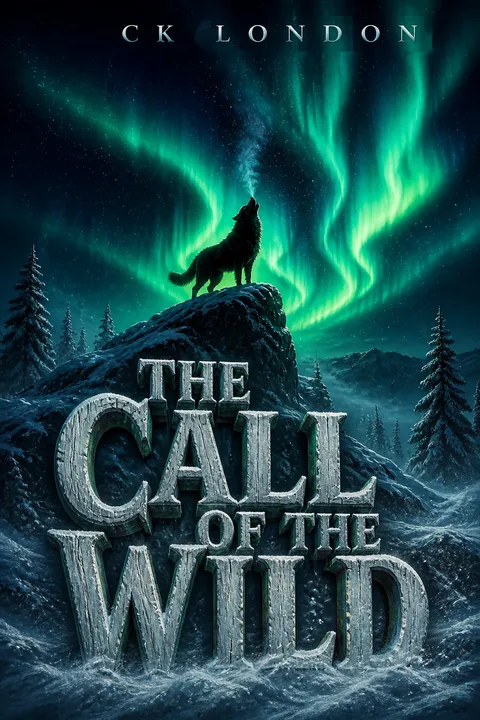
Tóm tắt cốt truyện
Cuộc sống xa hoa của Buck
Buck, một chú chó lai St. Bernard và Scotch Collie mạnh mẽ, sống trong nhung lụa tại trang trại của Thẩm phán Miller ở California. Buck là ông vua trong lãnh địa của mình, tận hưởng sự tự do và được mọi người trong nhà kính trọng. Thế nhưng, không ai hay biết rằng, cuộc chạy đua tìm vàng Klondike đã tạo ra nhu cầu lớn về những chú chó kéo xe khỏe mạnh, mở đầu cho một bước ngoặt lớn trong cuộc đời Buck.
Sự phản bội và bắt cóc
Cuộc đời Buck rẽ sang một hướng tối tăm khi Manuel, người giúp việc vườn có vấn đề cờ bạc, bán Buck cho những người buôn chó. Buck bị đưa lên phía Bắc, chịu đựng sự ngược đãi tàn nhẫn và học được luật sống khắc nghiệt của “gậy và nanh”. Hành trình từ cuộc sống sung túc đến cuộc chiến sinh tồn bắt đầu khi Buck bị chuyển đến vùng đất lạnh lẽo, khắc nghiệt của Yukon.
Vùng đất Bắc khắc nghiệt
Khi đến Bắc Cực, Buck bị đẩy vào thế giới bị chi phối bởi luật “gậy và nanh”. Buck chứng kiến cái chết tàn bạo của Curly, một chú chó đồng đội, và học được những sự thật phũ phàng của cuộc sống mới. Buck phải nhanh chóng thích nghi với điều kiện khắc nghiệt và thứ bậc trong đàn, nơi chỉ có kẻ mạnh mới tồn tại.
Sinh tồn kẻ mạnh
Bản năng của Buck thức tỉnh khi chú học cách điều khiển thế giới nguy hiểm của những chú chó kéo xe. Buck trở nên tinh ranh và kiên cường hơn, vượt qua đối thủ Spitz và cuối cùng đánh bại hắn trong cuộc chiến giành vị trí đầu đàn. Sự biến đổi từ thú cưng được nuông chiều thành một sinh vật nguyên thủy thống trị của Buck đã hoàn tất khi chú chiếm lấy vị trí đầu đàn.
Lãnh đạo và trung thành
Dưới sự dẫn dắt của John Thornton, Buck lần đầu tiên trải nghiệm tình yêu và sự trung thành chân thật. Buck nhiều lần cứu mạng Thornton, chứng tỏ giá trị của mình và xây dựng mối liên kết sâu sắc với chủ nhân. Sức mạnh và trí thông minh của Buck không ai sánh kịp, và chú trở thành huyền thoại ở miền Bắc với những chiến công phi thường.
Tiếng gọi của hoang dã
Dù trung thành với Thornton, Buck cảm nhận được tiếng gọi không thể cưỡng lại của hoang dã. Chú gặp một con sói rừng và bị cuốn hút bởi sự tự do cùng bản năng nguyên thủy của thiên nhiên. Giữa tình yêu dành cho Thornton và tiếng gọi hoang dã, cuộc đấu tranh nội tâm của Buck ngày càng mãnh liệt khi chú dành nhiều thời gian khám phá rừng sâu.
Sự biến đổi cuối cùng
Sau cái chết bi thảm của Thornton dưới tay người Yeehat, Buck hoàn toàn hòa nhập với bản năng hoang dã. Chú trả thù Thornton bằng cách tấn công người Yeehat và trở thành thủ lĩnh của một đàn sói. Sự biến đổi của Buck hoàn tất khi chú đáp lại tiếng gọi hoang dã, rời bỏ thế giới loài người để sống như một sinh vật của thiên nhiên hoang dã.
Nhân vật
Buck
Buck là chú chó lớn mạnh mẽ, trải qua hành trình biến đổi từ thú cưng thuần hóa thành thủ lĩnh dữ dội của đàn sói. Cuộc hành trình của Buck là câu chuyện về sự sinh tồn, thích nghi và khám phá bản thân khi chú học cách sống sót trong thế giới khắc nghiệt của miền Bắc và cuối cùng đón nhận bản năng hoang dã của mình.
John Thornton
John Thornton là người đàn ông tốt bụng và nhân hậu đã cứu Buck khỏi cái chết chắc chắn. Ông xây dựng mối quan hệ sâu sắc với Buck, đối xử với chú bằng tình yêu và sự tôn trọng. Mối quan hệ giữa Thornton và Buck là trung tâm trong sự phát triển của chú chó, đại diện cho tình cảm chân thật duy nhất mà Buck từng nhận được từ con người.
Spitz
Spitz là chú chó kéo xe dữ dằn và mưu mẹo, là đối thủ chính của Buck. Hắn là đầu đàn cho đến khi Buck thách thức và đánh bại hắn trong cuộc chiến giành quyền thống trị. Sự đối đầu với Spitz thúc đẩy Buck khai thác bản năng nguyên thủy và khẳng định vị trí lãnh đạo của mình.
Francois và Perrault
Francois và Perrault là những người đưa thư người Pháp-Canada, ban đầu sở hữu Buck. Họ công bằng và hiểu biết, dạy Buck cách làm việc trong đội chó kéo xe. Cách đối xử của họ giúp Buck thích nghi với cuộc sống mới và phát triển kỹ năng cần thiết để sinh tồn.
Mercedes, Hal và Charles
Bộ ba này đại diện cho sự ngu dốt và kiêu ngạo tồi tệ nhất của con người. Thiếu kinh nghiệm và cách đối xử tệ bạc với chó đã dẫn đến thảm họa. Sự bất tài của họ làm nổi bật thực tế khắc nghiệt của miền Bắc và hậu quả của việc đánh giá thấp những thử thách nơi đây.
Dave và Sol-leks
Dave và Sol-leks là những chú chó kéo xe kỳ cựu, dạy Buck những chi tiết tinh tế trong công việc kéo xe. Họ tận tụy và chăm chỉ, thể hiện tinh thần của con đường mòn. Sự hiện diện của họ trong đội giúp Buck học được tầm quan trọng của kỷ luật và làm việc nhóm.
Người đàn ông mặc áo len đỏ
Nhân vật không tên này chịu trách nhiệm phá vỡ tinh thần của Buck bằng cây gậy, dạy chú luật “gậy và nanh”. Hắn đại diện cho bản chất tàn nhẫn, không khoan nhượng của thế giới mới của Buck và sự cần thiết phải khuất phục để tồn tại.
Các yếu tố cốt truyện
Luật gậy và nanh
Yếu tố cốt truyện này thể hiện thực tế tàn nhẫn của miền Bắc, nơi chỉ có kẻ mạnh mới sống sót. Buck học cách điều chỉnh hành vi để thích nghi với quyền lực và đảm bảo sự sống còn của mình.
Tiếng gọi của hoang dã
Tiếng gọi của hoang dã tượng trưng cho cuộc đấu tranh nội tâm của Buck giữa quá khứ thuần hóa và bản năng hoang dã vốn có. Nó thúc đẩy sự biến đổi và sự chấp nhận cuối cùng của chú với bản chất thật của mình như một sinh vật của thiên nhiên.
Đội chó kéo xe
Đội chó kéo xe là một mô hình thu nhỏ của thế giới tự nhiên, với thứ bậc và quy tắc riêng. Mối quan hệ của Buck với đội giúp chú học được bài học quý giá về lãnh đạo, trung thành và tầm quan trọng của sự hợp tác để tồn tại.
Phân tích
"Tiếng gọi của hoang dã" khai thác chủ đề biến đổi, sinh tồn và bản năng vốn có trong mọi sinh vật. Hành trình của Buck từ thú cưng được nuông chiều đến thủ lĩnh hoang dã phản ánh cuộc đấu tranh phổ quát để thích nghi và phát triển trong môi trường thay đổi. Tiểu thuyết làm nổi bật sự tàn nhẫn của thiên nhiên và sự cần thiết phải đón nhận bản chất thật của mình để tồn tại. Qua câu chuyện của Buck, Jack London khám phá sự căng thẳng giữa văn minh và hoang dã, cuối cùng gợi ý rằng tự do và sự viên mãn thực sự đến từ việc chấp nhận bản năng nguyên thủy của chính mình. Tác phẩm vẫn là một cuộc khám phá sâu sắc về mối liên hệ giữa con người và động vật cùng tiếng gọi bền bỉ của hoang dã.
Mọi người cũng đọc






Câu hỏi thường gặp
Synopsis & Basic Details
What is The Call of the Wild about?
- Journey from Civilization: The story follows Buck, a pampered pet dog from sunny California, who is stolen and thrust into the brutal world of the Klondike Gold Rush.
- Struggle for Survival: Forced into service as a sled dog, Buck must quickly adapt to the harsh environment and the "law of club and fang," shedding his domesticated traits to survive.
- Embracing Primal Nature: Through hardship, conflict, and a deep bond with one man, Buck's ancient instincts awaken, leading him on a path toward his wild heritage and the ultimate call of the wild.
Why should I read The Call of the Wild?
- Powerful Transformation Narrative: Experience Buck's compelling evolution from a soft, entitled pet to a cunning, dominant wild creature, exploring themes of adaptation and instinct.
- Vivid Arctic Setting: Jack London's descriptive prose immerses you in the harsh beauty and unforgiving reality of the Yukon during the Gold Rush era.
- Exploration of Core Themes: Delve into fundamental questions about nature vs. nurture, the impact of environment, the meaning of loyalty and love, and the enduring power of primal forces.
What is the background of The Call of the Wild?
- Klondike Gold Rush Context: The novel is set against the historical backdrop of the late 1890s Klondike Gold Rush, which created a sudden, desperate demand for strong sled dogs in the Yukon.
- Jack London's Experience: London drew heavily on his own experiences in the Klondike, where he prospected for gold and witnessed firsthand the brutal conditions and the lives of sled dogs.
- Naturalism and Primitivism: The book reflects the literary movement of Naturalism, portraying characters (both human and animal) as products of their environment and heredity, emphasizing the struggle for survival and the power of instinct.
What are the most memorable quotes in The Call of the Wild?
- "The law of club and fang.": This phrase, repeated throughout the book, encapsulates the brutal, primitive code that governs life and survival in the Northland, starkly contrasting with Buck's former life.
- "He was older than the days he had seen and the breaths he had drawn. He linked the past with the present...": This quote highlights Buck's connection to his ancient ancestors and the deep, inherited instincts that resurface, showing his transformation is a return to a primal state.
- "Love, genuine passionate love, was his for the first time.": Describing Buck's bond with John Thornton, this line signifies a unique emotional experience for Buck, contrasting with his previous relationships and representing the powerful, civilizing force of true affection amidst the wild.
What writing style, narrative choices, and literary techniques does Jack London use?
- Naturalistic and Deterministic Tone: London employs a naturalistic style, presenting Buck's transformation as largely determined by the harsh environment and his inherent genetic predispositions, emphasizing survival over sentimentality.
- Anthropomorphism with Limits: While granting Buck complex thoughts and emotions, London maintains a focus on instinct and environmental response, grounding the anthropomorphism in animal behavior and the struggle for existence.
- Vivid, Sensory Descriptions: The narrative is rich with sensory details of the Northland – the cold, the snow, the smells, the sounds of the wild and the trail – creating an immersive and often stark atmosphere.
Hidden Details & Subtle Connections
What are some minor details that add significant meaning?
- Manuel's Gambling Habit: The seemingly minor detail of Manuel's Chinese lottery addiction is the direct catalyst for Buck's entire journey, highlighting how human weakness and desperation initiate Buck's fate ("Manuel had one besetting sin. He loved to play Chinese lottery.").
- The Man in the Red Sweater's Method: The specific, calculated way the man in the red sweater uses the club to break dogs ("He's no slouch at dog-breakin'") reveals that the "law of club" isn't just random violence but a deliberate, learned technique for asserting dominance and control.
- Description of the Yeehats: The initial description of the Yeehats focuses on their physical appearance and chanting ("rising and falling in a sing-song chant"), subtly portraying them as part of the wild landscape and its ancient rhythms, setting the stage for Buck's perception of them as just another form of "game" or rival pack.
What are some subtle foreshadowing and callbacks?
- Curly's Death Scene: Curly's swift and brutal death immediately after arriving in the North ("Once down, that was the end of you") serves as a stark, unforgettable lesson for Buck and directly foreshadows the unforgiving nature of the "law of fang" he must adopt.
- The "Hairy Man" Visions: Buck's recurring visions of a primitive, hairy man by the fire ("Sometimes as he crouched there... he saw another and different man") are not just dreams but ancestral memories surfacing, subtly foreshadowing his eventual complete regression to a wild, pre-human state.
- Dave's Pride in Toil: Dave's intense dedication to working in the traces, even unto death ("the pride of trace and trail was his"), foreshadows Buck's own eventual embrace of the "pride of the trail" and highlights how the work itself becomes a fundamental drive for the northern dogs.
What are some unexpected character connections?
- Buck and the "Wild Brother" Wolf: Buck's encounter and brief companionship with a lone timber wolf ("sniffed noses with him. Then they became friendly") is a direct, tangible connection to the wild pack he will eventually join, showing the "call" manifesting as a specific individual.
- Dave and Sol-leks as Teachers: While seemingly just part of the team, Dave and Sol-leks are explicitly described as "equally apt teachers" to Buck ("never allowing him to linger long in error, and enforcing their teaching with their sharp teeth"), highlighting their crucial, albeit harsh, role in his adaptation to sled life.
- Mercedes's "Clannish" Nature: Mercedes's sudden shift from pitying the dogs to defending her incompetent family ("she was a clannish creature, and rushed at once to the defence of her brother") reveals a deeper loyalty to her human "pack" despite her superficial sympathy, contrasting with Buck's evolving loyalties.
Who are the most significant supporting characters?
- The Man in the Red Sweater: More than just a plot device, he is the embodiment of the "law of club," the first figure to teach Buck the necessity of submission to superior force, fundamentally altering Buck's understanding of power dynamics ("That club was a revelation. It was his introduction to the reign of primitive law").
- Dave: As the wheel-dog, Dave represents the ultimate dedication to the work itself ("His only apparent ambition... was to be left alone; though... each of them possessed one other and even more vital ambition... the toil of the traces seemed the supreme expression of their being"), and his death in harness underscores the profound "pride of the trail" that Buck inherits.
- The Wild Brother Wolf: This specific wolf is the physical manifestation of the "call," serving as Buck's guide and connection to the wolf pack, directly facilitating his final transition from the world of men to the wilderness ("He made it clear to Buck that he was to come, and they ran side by side through the sombre twilight").
Psychological, Emotional, & Relational Analysis
What are some unspoken motivations of the characters?
- Buck's Drive for Mastery: Beyond survival, Buck is motivated by an innate desire for dominance and leadership ("Buck wanted it. He wanted it because it was his nature"), a drive that exists even in his pampered state but is fully unleashed in the Northland hierarchy.
- Dave's Need for Toil: Dave's seemingly simple desire "to be left alone" is secondary to his profound, almost spiritual, need to work in the traces ("the toil of the traces seemed the supreme expression of their being"), revealing a motivation rooted in the very purpose of his existence as a sled dog.
- Mercedes's Helplessness as a Strategy: Mercedes's "custom to be helpless" and subsequent hysteria when challenged ("She let her legs go limp like a spoiled child") can be interpreted as an unspoken, perhaps unconscious, strategy to manipulate her male companions and avoid the harsh realities of the trail.
What psychological complexities do the characters exhibit?
- Buck's Dual Nature Conflict: Buck constantly grapples with the tension between his inherited wild instincts and the learned behaviors of civilization ("the strain of the primitive... remained alive and active. Faithfulness and devotion, things born of fire and roof, were his"), showcasing a complex internal struggle for identity.
- The Sled Dog Team's Shifting Psychology: The team's psychology is shown to be highly dependent on leadership; under Spitz, they are disciplined but fearful, while under Buck's subtle rebellion, they become insubordinate ("a general insubordination sprang up and increased"), demonstrating the pack's collective psychological response to authority.
- Thornton's Deep Empathy: John Thornton exhibits a rare depth of empathy for his dogs ("he saw to the welfare of his as if they were his own children"), suggesting a psychological need for connection and unconditional love that he finds more readily in animals than in men, setting him apart from other human characters.
What are the major emotional turning points?
- Witnessing Curly's Death: The brutal, unfair killing of Curly ("So that was the way. No fair play. Once down, that was the end of you") is a traumatic emotional shock that instantly teaches Buck the Northland's ruthlessness and fuels his hatred for Spitz.
- Submission to the Club: Buck's first defeat by the man in the red sweater ("He was beaten (he knew that); but he was not broken") is a pivotal emotional moment where he learns the necessity of obedience to superior force, a lesson that tempers his rage with cunning.
- Meeting John Thornton: Being rescued and experiencing Thornton's genuine love ("Love, genuine passionate love, was his for the first time") creates a profound emotional bond that becomes the central conflict against the growing pull of the wild, representing the peak of his connection to humanity.
How do relationship dynamics evolve?
- Master-Dog to Rivalry (Buck & Spitz): The relationship between Buck and Spitz quickly devolves from pack mates under a leader to a bitter, calculated war for dominance ("From then on it was war between them"), reflecting the intense competition for survival and status in the wild hierarchy.
- Obedience to Mutual Respect (Buck & Francois and Perrault): Buck's relationship with his first Northland masters evolves from forced obedience under the whip to a grudging respect based on their fairness and competence ("he none the less grew honestly to respect them"), showing his capacity to recognize and value capable leadership.
- Possession to Deep Bond (Buck & John Thornton): The relationship with Thornton transcends typical ownership, becoming a unique bond of mutual love and devotion ("Thornton alone held him. The rest of mankind was as nothing"), illustrating the potential for profound connection between species, even as Buck's wildness grows.
Interpretation & Debate
Which parts of the story remain ambiguous or open-ended?
- The Nature of the "Call": While presented as instinct and ancestral memory, the exact source and nature of the "call of the wild" remain somewhat mystical and open to interpretation – is it purely biological, or something more spiritual connecting Buck to the ancient past?
- The "Hairy Man" Vision: The origin of Buck's visions of the primitive man is ambiguous; are they purely inherited racial memories, or a symbolic representation of the primal human state that mirrors Buck's own regression?
- Buck's Final Consciousness: While Buck is clearly intelligent and capable of complex emotions, the extent to which his final actions and thoughts are conscious decisions versus pure instinct is debatable, blurring the line between animal behavior and human-like reasoning.
What are some debatable, controversial scenes or moments in The Call of the Wild?
- The Level of Anthropomorphism: Critics debate whether London's portrayal of Buck's thoughts, emotions, and strategic planning crosses the line into excessive anthropomorphism, potentially undermining the novel's naturalistic claims.
- The Justification of Violence: The novel's depiction of brutal violence, including dog fights to the death and Buck's killing of humans, can be controversial, raising questions about whether the narrative glorifies savagery or simply presents it as an amoral reality of the wild.
- The Ending's Message: While often seen as a triumph of nature, the ending can be debated as tragic, representing a loss of Buck's unique capacity for love and loyalty to humans in exchange for a return to a brutal, instinct-driven existence.
The Call of the Wild Ending Explained: How It Ends & What It Means
- Thornton's Death and Buck's Release: The ending is triggered by the tragic death of John Thornton and his partners at the hands of the Yeehat Indians, which severs Buck's last tie to the human world ("John Thornton was dead. The last tie was broken. Man and the claims of man no longer bound him.").
- Embracing the Wild Pack: Free from human bonds, Buck fully answers the "call," avenges Thornton by attacking the Yeehats, and joins a wolf pack, eventually becoming its legendary leader ("And Buck ran with them, side by side with the wild brother, yelping as he ran.").
- Symbolic Legacy: Buck becomes a mythical figure among the Yeehats ("the Ghost Dog"), representing the untamable spirit of the wild and the enduring power of primal instincts over civilization, his physical traits appearing in later generations of wolves as a lasting legacy.

Tải PDF
Tải EPUB
.epub digital book format is ideal for reading ebooks on phones, tablets, and e-readers.








































